
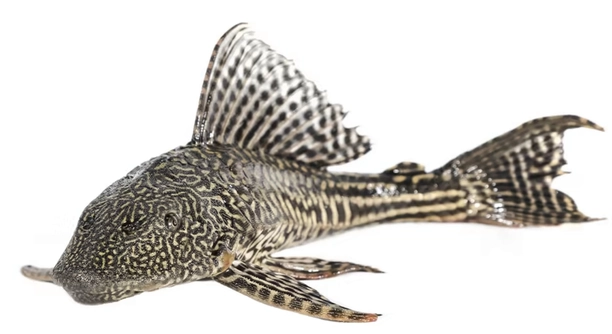
Plecos are popular aquarium fish known for their peaceful nature, but they can show signs of distress. Understanding these behaviors can help you ensure their well-being and happiness in the tank.
Plecos may show unhappiness through changes in behavior such as hiding more often, excessive rubbing, or loss of appetite. Poor water quality, insufficient hiding spots, and incompatible tank mates are common causes of distress.
Recognizing these signs and addressing the underlying issues can improve your pleco’s health and comfort.
Lack of Proper Hiding Spots
Plecos are bottom dwellers and enjoy having secluded areas where they can feel safe. Without sufficient hiding spots, they may become stressed, anxious, or more skittish. Over time, this lack of privacy can make them retreat to areas that are less ideal for their health. Plecos are especially sensitive to stress, and it can impact their overall well-being.
Adding caves, rocks, or plants can provide plecos with the space they need. Ensure that the hiding spots are large enough for them to comfortably fit, as they grow fairly large.
Not only does this give them a sense of security, but it can also promote more natural behavior. A pleco’s stress can lead to visible signs such as constant hiding or not eating. Addressing the issue with appropriate tank decor is one way to help them thrive and prevent unnecessary stress from interfering with their health.
Water Quality Problems
Plecos are particularly sensitive to poor water conditions. Changes in pH, temperature, or the buildup of toxins can lead to distress.
Regular water changes and a good filtration system will help maintain proper water quality, providing a healthier environment.
Incompatible Tank Mates
Plecos are generally peaceful fish, but they can become stressed if kept with aggressive or overly active tank mates. If other fish are constantly invading their space or bullying them, it can cause your pleco to withdraw or behave differently.
Choosing tank mates carefully is essential. Opt for fish that are calm and won’t compete for food or shelter. If your pleco is constantly hiding or seems more aggressive, it might be due to incompatible companions. Adding peaceful species will create a more harmonious environment for everyone in the tank.
When introducing new fish, always observe interactions. If aggression becomes evident, it might be necessary to separate certain species to restore balance. Stress from poor tank mate compatibility can affect a pleco’s health and overall behavior.
Poor Diet
Plecos are herbivores, and their diet plays a huge role in their well-being. A lack of proper nutrients can lead to illness and stress. While plecos will nibble on algae, they need a variety of plant-based foods.
Feed them sinking pellets, vegetables like zucchini and spinach, and occasional wood to gnaw on. A varied diet ensures that they are getting the essential nutrients for growth and overall health. Without this balance, they might show signs of unhappiness, such as losing color or refusing food.
Overfeeding can also cause problems. Be mindful of portion sizes and ensure they are eating the right types of food at regular intervals. Adjust the diet to ensure they are always satisfied, without risking water quality issues from leftover food.
Stress from Water Movement
Plecos are more comfortable in calm waters. If your tank has strong currents due to powerful filters or aeration systems, your pleco may struggle to feel safe. They prefer slower-moving water that lets them move without effort.
Reducing the flow of water or positioning the filter outlet in a way that prevents strong currents will help. Creating quieter areas in the tank can provide your pleco with a calm space to rest. If they are constantly fighting the current, they could become stressed and exhibit signs of discomfort.
Monitor how your pleco reacts to water movement to ensure they are not stressed. A few simple adjustments can make a significant difference in their comfort.
Overcrowded Tank
An overcrowded tank leads to poor water quality and insufficient space for each fish. Plecos, especially larger species, require plenty of room to swim freely.
If there are too many fish in the tank, it can lead to competition for resources such as food and space. This can cause stress, and your pleco may show signs like hiding or not eating. Maintaining an appropriate stocking level is essential for creating a balanced environment.
Ensure your pleco has adequate space to move, and avoid overstocking. A larger tank size can help support a more peaceful environment for all the fish.
Temperature Fluctuations
Plecos are sensitive to temperature changes in their tank. Sudden shifts or extreme temperatures can cause them stress and negatively affect their health.
Maintaining a stable water temperature within their preferred range of 74-80°F is key to ensuring they are comfortable. Use a reliable heater and thermometer to monitor the temperature closely. If your pleco is showing signs of distress, fluctuations in temperature might be a contributing factor.
Regularly check the water temperature to avoid rapid changes, which can cause illness or behavioral issues for your pleco.
FAQ
What are the signs that my pleco is unhappy?
Signs of an unhappy pleco can include hiding more often, loss of appetite, rubbing against objects in the tank, or a change in behavior, such as aggression or sluggishness. Stress, poor water quality, or an incompatible environment are common reasons for these changes. If your pleco is exhibiting these behaviors, it’s essential to assess their tank setup and address potential issues, such as water quality, temperature, or the presence of tank mates that may be causing stress.
How can I improve the water quality for my pleco?
To improve water quality, perform regular water changes, ideally 25-30% every week, depending on the size of your tank. Use a reliable filter that is appropriate for the size of your tank, ensuring it efficiently removes waste and debris. Also, regularly test the water for pH, ammonia, nitrite, and nitrate levels. Keeping the water parameters stable and within the ideal range for plecos (pH 6.5-7.5, ammonia and nitrite at 0 ppm, and nitrates below 20 ppm) is essential to their health. Cleaning the substrate and decorations will also help keep the environment fresh.
Why is my pleco constantly hiding?
Plecos are naturally shy and nocturnal creatures, so hiding is part of their normal behavior. However, if your pleco is hiding excessively, it could be a sign of stress. Poor water quality, incompatible tank mates, or a lack of hiding spots can contribute to this behavior. Ensuring that your pleco has adequate shelter, proper water conditions, and peaceful tank mates can help alleviate this issue. If hiding continues, check if there are any external factors causing distress.
How do I know if my pleco is sick?
A sick pleco may show a variety of signs, including lethargy, loss of appetite, unusual swimming patterns, or visible spots and lesions on their skin. If your pleco is scratching against objects, this could indicate skin irritation or parasites. Other symptoms might include bloating, abnormal buoyancy, or discolored patches. If you notice any of these signs, it’s important to isolate your pleco from other fish and consult an aquarium professional or veterinarian for proper diagnosis and treatment.
Can plecos live with other fish?
Plecos can generally live with other peaceful fish, but they should not be kept with aggressive or highly active species that might stress them out. Choose tank mates that are calm and not overly territorial. Small or peaceful fish like tetras, mollies, and corydoras are good companions. Avoid fish that compete for food, especially if they are fast swimmers or aggressive towards other tank mates. The size of the tank also plays a role in compatibility—more space means more room for everyone to feel comfortable.
What should I feed my pleco?
Plecos are primarily herbivores and thrive on a diet of plant-based foods. Offer sinking pellets designed for plecos, algae wafers, and a variety of fresh vegetables such as zucchini, spinach, or cucumber. Occasionally, provide wood, like driftwood, to help with their digestion. While they do consume algae in the tank, this shouldn’t be their sole source of food, as it doesn’t provide all the nutrients they need. Make sure to remove any uneaten food to avoid water quality issues.
How often should I feed my pleco?
Feed your pleco once or twice a day, providing only the amount of food they can consume in a few hours. Overfeeding can lead to water quality problems and obesity. Plecos are nocturnal feeders, so offering food at night or when the lights are off can encourage them to eat more naturally. If you are providing fresh vegetables, it’s best to remove any leftovers after 24 hours to prevent them from decomposing and affecting water quality.
Why is my pleco losing its color?
A pleco losing its color can be a sign of stress, illness, or poor diet. Stress factors such as poor water quality, incompatible tank mates, or temperature fluctuations can cause color loss. Additionally, a lack of proper nutrients in their diet can also affect their coloration. Ensure that the pleco’s environment is stable, with proper water conditions and a varied, balanced diet. If the color loss persists, it may be worth checking for underlying health issues.
Do plecos need a heater?
Yes, plecos require a heater to maintain a stable water temperature. They prefer temperatures between 74°F and 80°F (23°C-27°C). If the water temperature fluctuates too much, it can stress your pleco and cause health problems. A reliable heater and thermometer are essential to keep the tank temperature consistent. This is particularly important in tanks located in areas with colder temperatures or if the room’s climate varies significantly.
Can plecos live without a filter?
While it’s possible for a pleco to live in an aquarium without a filter, it’s not recommended. Plecos produce waste that can quickly deteriorate water quality. Without a filter, toxins like ammonia and nitrites can build up, stressing your pleco and other tank inhabitants. A filter helps maintain clean water by removing waste and improving water circulation, which plecos need to thrive. If you choose not to use a filter, you will need to perform frequent water changes to keep the tank clean.
How long do plecos live?
Plecos can live for 10 to 15 years in a well-maintained tank, depending on the species. Larger plecos, like the common pleco, have the potential to live even longer with proper care. Their lifespan is influenced by factors such as water quality, diet, tank size, and overall care. Providing a stable environment and addressing any issues promptly will help extend your pleco’s life.
Do plecos require special lighting?
Plecos do not require special lighting, as they are generally nocturnal and prefer low-light conditions. Bright lights can stress them out and disrupt their natural behavior. It’s best to use subdued lighting or leave the tank in dim lighting, especially during the day when plecos are most likely to stay hidden. However, if your pleco is primarily a daytime swimmer, moderate lighting can encourage them to be more active. Avoid overly intense or flashing lights, as they can make your pleco feel vulnerable.
Final Thoughts
Plecos are resilient fish that can thrive in a well-maintained tank, but they are sensitive to their environment. Stress, poor water quality, and improper tank conditions can lead to unhappy plecos. By observing their behavior closely and making small adjustments, you can create a more comfortable home for them. Ensuring they have enough space, appropriate tank mates, and a stable environment will go a long way in improving their well-being.
A common issue is water quality. Regular water changes, proper filtration, and testing for harmful substances like ammonia and nitrites are essential. These actions can help prevent stress and keep your pleco healthy. Additionally, providing the right food, like algae wafers, vegetables, and sinking pellets, ensures they get the nutrition they need to thrive. Keeping their diet varied will also prevent boredom and improve their overall health.
Plecos are sensitive to temperature changes, so it’s crucial to maintain a consistent water temperature between 74°F and 80°F. This will keep them comfortable and reduce stress. As nocturnal creatures, they also appreciate a calm, low-light environment. Being mindful of these factors will help your pleco live a long and healthy life. Regular observation and small adjustments are key to keeping them happy in their tank.

Hello,
If you enjoy the content that we create, please consider saying a "Thank You!" by leaving a tip.
Every little bit helps us continue crafting quality advice that supports the health, happiness, and well-being of pets around the world, for pets of all shapes, sizes, and species.
We really appreciate the kindness and support that you show us!