
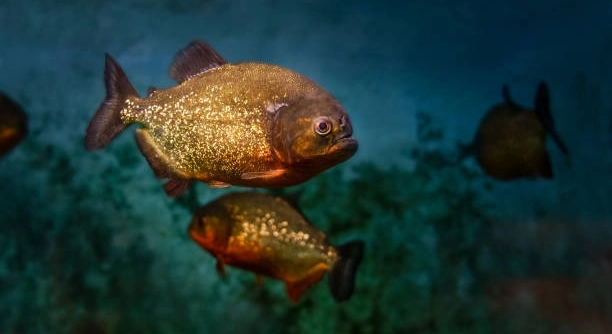
Have you ever set up colored lighting in your fish tank and noticed your piranhas acting a little differently than usual? Their reactions might seem subtle at first, but lighting can actually influence their behavior in interesting ways.
Piranhas respond to colored lighting through changes in aggression, schooling behavior, and feeding patterns. Red light can increase territorial responses, while blue or green lighting may reduce stress and promote calm swimming. Light color significantly impacts their social and predatory instincts.
From subtle shifts in swimming style to more intense feeding reactions, colored lighting can shape how your piranhas interact with their environment.
Red Light Triggers Aggressive Behavior
Red lighting often causes noticeable changes in piranhas. It can increase aggressive behavior, especially when the tank is shared with other fish. These bursts of aggression may show through chasing, biting, or territorial guarding. The intense hue can create a sense of alertness, causing them to act more defensively. If you notice your piranhas darting suddenly or becoming restless under red light, it may be best to limit exposure. Observing these behaviors closely will help in adjusting your setup to match their comfort level. Creating a stable environment with minimal stress is essential for their overall health and activity.
Piranhas can become overstimulated by red lighting, which leads to frequent and sometimes intense behavioral outbursts.
You might also see your piranhas become more active at feeding time under red light. Their movements may become sharper and more directed, as if they are trying to secure their food faster. Some owners find this alarming, but it’s simply a reaction to heightened stimulation. If this kind of behavior becomes excessive, switching to a cooler light tone like green or blue may help. Balancing visual stimulation with calm conditions is key to reducing unwanted tension, especially in tanks with multiple fish competing for space and food.
Blue and Green Lights Encourage Calm
Blue and green lighting tends to keep piranhas calm and less reactive. These cooler tones reduce sudden movement and make them feel safer in their surroundings.
A calmer environment often encourages smoother schooling behavior and reduces aggressive encounters. Blue light, in particular, can help maintain consistent swimming patterns and encourage your piranhas to group closely together without signs of stress. Green lighting, while similar in effect, may also promote better appetite and regular feeding. Many owners notice fewer defensive responses when using these colors, making them a reliable option for daily tank use. Longer exposure to blue or green lighting allows for easier tank management and smoother feeding routines. The lighting provides a sense of cover, helping the fish feel hidden and secure. That reduced tension reflects in their daily behavior, keeping them active but not erratic. If your goal is a peaceful tank where piranhas interact naturally, blue or green lighting will support that setting effectively.
White Light Increases Visibility and Awareness
White lighting makes everything in the tank clearer for both you and your piranhas. It enhances visibility and brings out their natural colors but can also make them more cautious and reactive to movement.
Under white light, piranhas may display more alert behaviors, often pausing or scanning their surroundings before moving. This heightened awareness can lead to slower, more deliberate swimming and frequent hesitation near the surface. The clear exposure makes them feel more visible and vulnerable, which can sometimes raise stress levels. Feeding may become more structured as they approach food with increased care. If your tank has lots of open space, white lighting may amplify these behaviors, so adding shelter or dim spots can help balance their response. Overall, this light type keeps them observant without pushing them into aggression, as long as their environment offers places to hide and rest when needed.
For owners who enjoy seeing their piranhas’ true colors, white lighting is useful—but only when used thoughtfully. Too much direct exposure may make the fish feel overly exposed, causing them to retreat or act jumpy. Balancing light intensity with décor like plants or caves helps reduce stress. Some piranhas tolerate it better than others, so watch for signs like erratic swimming or loss of appetite. If those signs appear, switch to a dimmer setting or combine white light with softer hues. This adjustment often keeps their natural behaviors stable while still allowing for clear tank viewing. It’s important to find that balance between visual appeal and comfort for your fish.
Yellow Light Softens the Mood
Yellow lighting tends to soften tank visibility and promote steady swimming patterns. It doesn’t overstimulate or increase aggression, making it a gentle option for daily use.
This warm-toned light helps reduce sharp contrasts in the water, offering a more balanced environment that piranhas seem to appreciate. You might notice they swim at a slower pace and spend more time hovering around the middle or bottom levels of the tank. Yellow light creates a muted atmosphere that encourages calm feeding and smoother movement between tank zones. It’s often used as an evening light setting, mimicking the natural fade of daylight and preparing the fish for rest. For tanks with a mix of species or limited hiding spaces, this light can help reduce confrontation. It works especially well in tanks that need consistent, low-stress lighting throughout the day. Many owners find it easy to use when transitioning between brighter daytime and darker night settings.
Flickering Lights Can Disrupt Behavior
Flickering lights tend to confuse piranhas. The irregular flashes can make them act jittery, swim in short bursts, or avoid well-lit areas altogether. These unstable patterns may mimic threats in their natural habitat, causing unnecessary stress.
If flickering continues, piranhas may begin to hide more often and avoid feeding. Some may even isolate themselves from the group.
Brightness Levels Matter
Light intensity has a strong effect on how piranhas behave. Bright, direct light can lead to cautious behavior or hiding, while softer lighting tends to keep them calm and active. Adjusting brightness depending on the time of day can support a better routine for your fish. Too much light for extended periods might cause overstimulation and reduce appetite. On the other hand, consistently low lighting can lead to sluggishness or inactivity. It’s best to observe their habits and adjust the light accordingly. A timer-controlled lighting schedule can help maintain a steady rhythm in their behavior throughout the day.
Sudden Changes Cause Stress
Sudden lighting changes can startle piranhas. It’s better to adjust lighting gradually to help them feel safe and reduce shock responses.
How does colored lighting affect piranha aggression?
Colored lighting influences piranha aggression by altering their mood and perception of their environment. Red light tends to increase aggression, triggering territorial and defensive behaviors. This is because red hues mimic warning signals in nature, which can heighten alertness. On the other hand, blue and green lighting usually promote calmer behavior by reducing stress and creating a more secure atmosphere. When selecting lighting for your tank, consider these effects to maintain a peaceful environment.
Can lighting change piranhas’ feeding habits?
Yes, lighting impacts feeding habits noticeably. Under red light, piranhas often become more active and aggressive when feeding, sometimes rushing food more quickly than usual. Blue and green lights tend to encourage steady, calm feeding, with fish showing less urgency. White lighting allows for clear visibility, which can make feeding times more deliberate, as piranhas carefully inspect their food before eating. Flickering or sudden changes in lighting, however, can disrupt feeding entirely by causing stress or distraction.
Is white lighting the best choice for showing piranhas’ natural colors?
White lighting is effective for showcasing piranhas’ natural colors because it provides clear and full-spectrum illumination. It makes their scales shine and highlights details that colored lighting might mask. However, constant exposure to bright white light can make piranhas feel exposed, leading to cautious or stressed behavior. Balancing white light with shaded areas or dimmer lighting periods helps maintain their comfort while still appreciating their appearance.
Why should flickering lights be avoided in piranha tanks?
Flickering lights create an unstable environment, which can confuse and stress piranhas. The irregular flashes may mimic threats like predators or unstable water conditions. This often leads to erratic swimming, hiding, or refusal to eat. Continuous flickering reduces overall well-being and can cause long-term behavioral problems. Using stable, consistent lighting is key to supporting healthy piranha behavior and tank harmony.
How do sudden lighting changes affect piranhas?
Sudden changes in lighting can startle piranhas, triggering a stress response. This may cause darting movements, hiding, or aggression as they adjust to the new conditions. Gradual adjustments in light intensity or color are preferable to prevent shock. Implementing timers or dimmers can ease transitions between day and night cycles, helping piranhas maintain a stable routine and reducing anxiety.
What color lighting is best for a peaceful piranha tank?
Blue and green lighting are generally best for a peaceful piranha tank. These cooler tones reduce stress, encourage calm swimming, and promote natural schooling behaviors. They create an environment where piranhas feel secure, which lowers aggression and helps them thrive. While other colors like red can be used temporarily, maintaining mostly blue or green light supports a balanced, less confrontational tank atmosphere.
Can lighting affect piranhas’ health over time?
Lighting does affect piranhas’ health indirectly through stress and behavior. Improper lighting, such as excessive brightness or harsh colors, can increase stress hormones, reduce appetite, and weaken the immune system. This makes fish more susceptible to illness. Consistent, gentle lighting that mimics natural conditions helps maintain their physical and mental health. Providing hiding spots and controlling light duration also contributes to long-term well-being.
How often should lighting be changed or adjusted in a piranha tank?
Lighting should be adjusted gradually and not changed too often to avoid stressing piranhas. A daily cycle of about 8 to 10 hours of light, followed by darkness, mimics their natural environment. Changes in color or intensity should be slow, possibly over several days. Using programmable timers is ideal for consistent schedules, reducing human error and creating a stable habitat for your fish.
Is it necessary to use colored lighting in a piranha tank?
Colored lighting is not necessary but can be useful for influencing behavior or enhancing tank aesthetics. Many piranha owners prefer blue or green lights for their calming effects. White light is common for visibility and showcasing fish colors. Red or yellow lighting can be used occasionally to observe specific behaviors but should not be the main light source. The priority is always the comfort and health of the fish.
How does lighting interact with tank decorations and plants for piranhas?
Lighting works together with decorations and plants to create a balanced environment. Dimmer, cooler lights complement natural-looking plants and caves, providing hiding spots and reducing stress. Bright or harsh lighting can wash out decorations and make hiding difficult, increasing tension. Proper lighting enhances the overall habitat, encouraging natural behaviors and better health for piranhas. Adjust lighting based on your tank’s layout to ensure a comfortable space.
Lighting plays an important role in shaping how piranhas behave in their environment. Different colors and intensities of light can cause varied reactions in these fish, from increased activity to stress or hiding. Understanding how piranhas respond to colored lighting helps ensure their well-being and creates a better aquarium experience. Choosing the right lighting setup is essential to balance their natural instincts with the conditions we provide.
It is clear that certain colors, such as blue and green, tend to calm piranhas, while others like red may increase aggression or anxiety. Flickering lights and sudden changes in brightness often cause unnecessary stress and should be avoided. Consistent, stable lighting that mimics natural conditions supports healthier behavior and improves feeding habits. Moreover, the way lighting interacts with tank decorations and plants can influence how safe and comfortable the fish feel in their space.
In summary, proper lighting is a key factor in maintaining a healthy piranha tank. Taking time to observe how your fish react to different light settings can guide adjustments to improve their environment. Using timers and dimmers can help create smooth transitions between day and night, reducing stress. This attention to lighting, combined with good tank maintenance, supports the overall health and longevity of piranhas in captivity.

Hello,
If you enjoy the content that we create, please consider saying a "Thank You!" by leaving a tip.
Every little bit helps us continue crafting quality advice that supports the health, happiness, and well-being of pets around the world, for pets of all shapes, sizes, and species.
We really appreciate the kindness and support that you show us!