
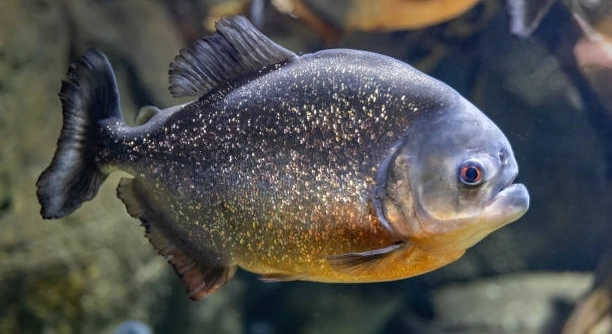
Do you ever find yourself fascinated by how animals interact in ways we can’t always hear or see right away?
Piranhas communicate through body language, electric signals, and visual cues rather than relying on sound. These silent methods include jaw clamping, fin movements, and changes in swimming patterns. Each gesture conveys aggression, submission, or coordination.
These quiet but powerful forms of communication help piranhas maintain order, avoid fights, and move effectively through their murky river habitats.
Jaw Clamping as a Warning Signal
Piranhas use jaw clamping as a clear way to express aggression or dominance. When they feel threatened or need to assert themselves, they quickly snap their jaws shut. This behavior is silent but effective in sending a message to other fish nearby. The movement is often paired with body stiffening or a head-on posture, further emphasizing the warning. It’s a way to set boundaries without resorting to a physical fight. This form of communication helps piranhas avoid unnecessary injuries and maintain social structure within the group. Young piranhas often mimic this behavior after observing adults. Over time, it becomes part of how they handle stress, defend territory, or settle disputes. In group settings, jaw clamping can also establish rank or deter intruders. It’s one of the first signs that something isn’t right, giving others the chance to back off. This method works well in murky rivers where sound might not carry clearly.
Jaw clamping plays a role in keeping things calm among piranhas. It sends a clear message without creating noise.
Recognizing this silent warning helps researchers understand how piranhas interact and manage space. It also gives aquarium keepers insight into the early signs of stress or discomfort in captive fish.
Fin Movements Signal Mood and Intent
Fin flicks and flutters help piranhas express mood changes and intentions without making noise.
When a piranha is calm, its fins move slowly and steadily. In contrast, quick or erratic fin flicks may show agitation or alertness. These subtle movements are easy to overlook, but other piranhas quickly pick up on them. During feeding, fins may stiffen to indicate focus or signal to others to stay back. In social groups, these gestures help establish order, especially when new fish are introduced. A dominant piranha might flare its fins to appear larger, discouraging challengers. Fin postures also change when piranhas are exploring or sensing danger. By adjusting their fin position, they can shift direction or posture without drawing too much attention. This type of movement is especially useful in darker waters, where clear visibility is limited. Learning these behaviors can help researchers and caretakers identify group dynamics and stress indicators. It’s a quiet yet informative method of interaction.
Color Changes Reflect Emotional States
Piranhas often change color to reflect mood or respond to social situations. Darker shades may signal stress or aggression, while brighter colors can appear during breeding or when they feel safe and relaxed. These changes happen quickly and are easy to spot.
Color shifts are controlled by special pigment cells in the skin called chromatophores. These cells expand or contract depending on the piranha’s emotional or physical state. For instance, a piranha may darken when threatened or preparing to defend its space. During breeding, males often develop a reddish tint to attract mates. In group settings, a color change can show submission or help maintain peace. Observing these patterns offers clues about a fish’s wellbeing and social rank. This silent method is especially useful in murky water, where sound is limited and visibility is low. It’s also a helpful sign for keepers monitoring tank behavior in captivity.
Understanding this behavior can help in identifying stress early. When multiple piranhas suddenly darken, it may point to overcrowding or conflict. A quick color return to normal suggests resolution or adjustment. Over time, tracking these changes makes it easier to create safer environments. It’s a natural tool piranhas use to communicate clearly and effectively without making noise.
Eye Movement Indicates Awareness
Quick eye shifts in piranhas often show alertness or curiosity. When scanning their surroundings, they move their eyes independently, helping them stay aware of nearby movement. This behavior is especially useful when they feel threatened or uncertain.
Piranhas may also use steady eye contact to signal dominance. Holding eye contact without moving can serve as a warning to nearby fish. It’s a non-aggressive but firm way of maintaining personal space or asserting control in a group.
Electric Fields Help with Silent Coordination
Some species of piranhas release weak electric signals to sense their surroundings and communicate. These signals help them detect nearby objects and fish in low-visibility water. While not all piranhas have strong electric abilities, the ones that do use it to quietly coordinate movement, especially during hunting or group travel. The electric fields are picked up through special receptors on the skin. This form of communication is completely silent and doesn’t rely on sight. It gives piranhas an advantage in murky rivers where vision and sound are limited. This system supports both navigation and interaction with others nearby.
Synchronized Swimming Shows Group Unity
When piranhas swim in unison, it signals group coordination and reduces conflict. This behavior builds trust, helps avoid collisions, and shows readiness to act together, especially during feeding or when facing a threat.
FAQ
How do piranhas communicate without making sounds?
Piranhas rely on body language, movement, and subtle visual cues. They clamp their jaws to show aggression, flare their fins to signal dominance, and change color based on emotional states. These behaviors help them interact silently, especially in murky environments. Some also use weak electric signals to detect others and stay coordinated without vocalizing.
Why do piranhas change color?
Color changes are tied to their mood, health, and social context. A piranha may darken when stressed or aggressive, or brighten during courtship. This happens through pigment cells in their skin called chromatophores. It’s an effective and quick way to send signals to nearby fish without drawing too much attention.
Is jaw clamping always a sign of aggression?
Not always. While it often shows warning or stress, jaw clamping can also be used to establish rank or avoid physical fights. It’s a way of creating distance or boundaries in a group. It becomes more common when new fish are introduced or when food is present.
Do all piranhas use electric signals?
No. Only some species have the ability to generate and detect weak electric fields. This feature helps them navigate, sense movement, and communicate in darker water. It’s useful when visibility is low, but it’s not a skill shared by all piranhas.
What does fin movement mean in piranhas?
Fin posture and flicking show mood and intent. Slow, steady fin movement usually signals calmness, while quick flicks may indicate irritation or alertness. Stiffened fins during feeding suggest focus or a warning. In social settings, flared fins help establish position without needing to fight.
Can synchronized swimming be a form of communication?
Yes. When piranhas swim in unison, it shows group alignment. This behavior is common during feeding, when facing predators, or when they’re trying to avoid internal conflict. It helps maintain structure and balance in a group, keeping things smoother and reducing stress.
How do piranhas use eye movement to communicate?
Eye shifts help piranhas keep track of activity around them. Fast movements show alertness, while locked eye contact may serve as a silent warning. These gestures help establish boundaries and offer insight into a fish’s emotional state or level of awareness.
Are these behaviors seen in young piranhas too?
Yes. Juvenile piranhas often learn by watching adults. They mimic jaw clamping, color changes, and fin displays. Over time, these actions become part of how they react to stress, defend space, and interact with others. Observing these behaviors helps them adapt to their social environment.
How do aquarium keepers use this information?
Keepers watch for behavior changes like darkening, sudden fin movement, or jaw clamping to spot early signs of stress or conflict. This helps with tank setup, space management, and reducing injury. Understanding these signs improves care and makes it easier to keep piranhas healthy in captivity.
Do piranhas communicate differently in the wild vs. in tanks?
In the wild, murky waters and larger territories influence behavior. They rely more on subtle cues due to limited visibility. In tanks, space is restricted, and stress can change how they act. However, core behaviors like color shifts, fin flicks, and jaw clamping stay the same.
Final Thoughts
Piranhas have developed many ways to communicate without using sound. Their methods are quiet but effective. Body movements like jaw clamping or fin flaring are clear signals to other fish. Changes in skin color and synchronized swimming also help them express their feelings and maintain group order. These behaviors are important for survival, especially in rivers where it is hard to see or hear. Instead of making noise, piranhas rely on visual and physical cues that other fish can understand. This quiet form of communication helps them avoid fights, protect their territory, and keep their groups working together.
These non-verbal signals are also useful in captivity. Watching how piranhas behave can help caretakers spot problems early. If a piranha is turning darker or flaring its fins often, it may be stressed or feel unsafe. By learning what each action means, people who care for these fish can adjust the tank setup or feeding routine. This helps keep the piranhas calm and healthy. It also makes group living easier, especially when new fish are added. Recognizing these signals is an important part of understanding what piranhas need to feel secure and balanced.
Though they are often seen as aggressive, piranhas are social fish that use careful, silent actions to get their message across. Their communication is based on awareness, movement, and reactions to each other. Each gesture or color shift has a purpose. These natural behaviors show that piranhas are more than just their sharp teeth. They use their instincts and body language to handle daily life, whether it’s feeding, forming bonds, or avoiding threats. Their quiet ways of expressing themselves remind us that communication doesn’t always need sound. With close observation, it’s easy to see how piranhas manage their lives through small but meaningful actions.

Hello,
If you enjoy the content that we create, please consider saying a "Thank You!" by leaving a tip.
Every little bit helps us continue crafting quality advice that supports the health, happiness, and well-being of pets around the world, for pets of all shapes, sizes, and species.
We really appreciate the kindness and support that you show us!