
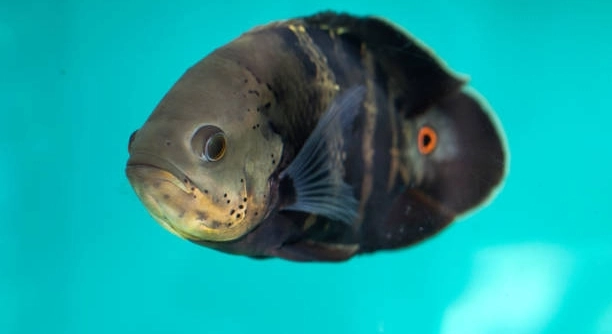
Do your Oscars react in unexpected ways when a visitor appears? Oscars, known for their intelligence and bold personalities, can display various behaviors when something out of the ordinary occurs in their environment. Understanding these reactions can enhance your experience as an owner.
Oscars are territorial and may react strongly to sudden visitors. Some common responses include hiding, defending their space, or even attacking. These behaviors are rooted in their instinct to protect their territory and ensure their safety from unfamiliar creatures.
Understanding these reactions can help you anticipate their behavior and manage your Oscars more effectively.
Oscars and Their Territorial Instincts
Oscars are naturally territorial fish, and when a visitor suddenly enters their space, they might show signs of agitation. These fish are highly intelligent and aware of their environment. When something changes unexpectedly, they can become defensive. An Oscar’s first instinct is to protect its territory from what it perceives as a potential threat. This means they may hide in their usual hiding spots or swim frantically in their tank, trying to assess the situation. Their bold personalities can make them seem aggressive, but it’s simply a response to unfamiliarity. It’s important to understand that this behavior is deeply rooted in their instincts.
They may show different reactions depending on how comfortable they are with the visitor. While some Oscars will remain calm, others might become more aggressive or territorial. These behaviors are essential to their survival instincts in the wild.
Knowing when to leave them alone or engage gently can help prevent stress and improve their overall health.
Oscar Body Language
Understanding your Oscar’s body language will give you an idea of how they’re feeling about a visitor. Oscars can display subtle signs of discomfort or aggression. These include puffing out their gills or swimming rapidly to show dominance.
To avoid stress, it’s important to avoid sudden movements or loud noises when interacting with them. Taking your time and observing your Oscar’s behavior closely will help you determine how they’re handling the situation.
Hiding Behavior
When a visitor enters the room, Oscars may immediately retreat into their hiding spots, such as behind decorations or rocks. This is a natural defense mechanism, giving them time to observe the situation and decide if it’s safe to come out.
Oscars are especially sensitive to changes in their environment, and their hiding behavior can vary based on how familiar the visitor is. A new person may cause the fish to stay hidden for longer periods, while a familiar face may prompt them to emerge sooner. This behavior helps reduce stress, as it allows them to feel in control of their environment.
Being aware of when they retreat can guide you in providing a calm space for your Oscar. If you notice they stay hidden for extended periods, it may be a sign of heightened stress. Reducing loud noises and approaching the tank slowly can help alleviate this.
Aggressive Reactions
When Oscars feel threatened by a sudden visitor, they may become aggressive. They might swim quickly towards the visitor or display open-mouth posturing. This behavior is often a defense mechanism, signaling that they are ready to protect their territory.
Aggression is not always a bad sign. It’s important to understand that Oscars are naturally territorial creatures. They are asserting their space in an effort to maintain safety. If your Oscar shows aggression, it’s crucial to respect their space and not force interaction. Over time, they may become more accustomed to visitors and reduce their defensive reactions.
During these episodes, it’s wise to avoid sticking your hand in the tank or making sudden movements. The more calm and controlled your presence, the quicker your Oscar may adjust to the visitor.
Curiosity Response
Some Oscars may respond to a visitor’s presence by becoming curious. They might swim closer to the glass or follow the movements of the person around the tank. This behavior shows they are trying to assess the visitor.
Curiosity can be a sign that your Oscar is feeling less threatened. This often happens when they are familiar with the person and feel that they’re not a danger. Over time, your Oscar may get more comfortable with visitors, especially if they associate them with positive experiences like feeding or play.
Defensive Swimming Patterns
Oscars can exhibit defensive swimming patterns when a visitor enters. They might swim quickly around their tank or dart back and forth as a way of asserting control over their space. This behavior is typically a response to perceived threats.
Defensive swimming can sometimes look chaotic, but it’s just your Oscar trying to establish dominance or ward off the visitor. By creating a stable and predictable environment for your Oscar, they will feel less need to swim defensively. Avoid making sudden movements near the tank, as this can intensify their behavior.
Stress Signs
If your Oscar shows signs of stress, such as rapid breathing or staying in one spot for long periods, this could be a reaction to a visitor. Stress can manifest as a result of feeling overwhelmed or threatened.
To minimize stress, ensure that the tank environment is quiet and that the visitor does not make abrupt movements. Over time, your Oscar may become more tolerant of visitors if their environment remains calm and consistent.
FAQ
What should I do if my Oscar becomes aggressive toward a visitor?
If your Oscar becomes aggressive, it’s best to give them space and avoid forcing interaction. Aggression is often a sign that they feel threatened, so try to remain calm and still near the tank. If possible, remove any visitors who might be triggering the behavior. You can also try placing a divider or changing the tank’s environment temporarily to help your Oscar feel safer. Over time, they may become accustomed to visitors, reducing aggression.
Can Oscars get used to visitors over time?
Yes, Oscars can become more comfortable with regular visitors. However, the process takes time and requires patience. The more frequently the visitors come, the more your Oscar will start to associate them with a positive experience, like feeding or gentle interaction. The key is to be consistent with their exposure and to minimize sudden, loud noises around the tank.
How can I calm my Oscar when a visitor is around?
To help calm your Oscar, avoid making sudden movements or loud noises. Slow, calm interactions with the tank are important. Try to create a peaceful environment by dimming the lights or turning down any background noise. If possible, place a barrier between the visitor and the tank, especially during the initial interactions. Over time, your Oscar will likely become accustomed to the presence of the visitor.
Is it normal for Oscars to hide when a visitor comes?
Yes, it’s normal for Oscars to hide when a visitor enters the room. They are highly sensitive to changes in their environment and may retreat to a safe spot to observe the situation. This behavior is a way for your Oscar to assess the new presence and feel in control of their space. If the visitor is not seen as a threat, the Oscar may slowly come out of hiding after a while.
How can I tell if my Oscar is stressed due to a visitor?
Signs that your Oscar is stressed include erratic swimming, hiding, or staying in one spot for long periods. Stress may also show in their body language, such as gill flaring or rapid breathing. If you notice these signs, it’s a good idea to reduce any stress factors by creating a calmer environment and minimizing sudden movements. A stressed Oscar may also lose appetite or exhibit aggressive behavior.
Can Oscars become territorial even in a tank with no other fish?
Yes, Oscars are naturally territorial, and even without other fish, they may defend their space against anything they perceive as an intruder. This includes human visitors. It’s important to respect their territory and avoid making quick changes to their environment. If they feel secure in their space, they are less likely to react aggressively or defensively.
How can I train my Oscar to be more comfortable with visitors?
Training your Oscar to be comfortable with visitors requires consistent, calm exposure. Start by introducing your Oscar to visitors in a calm, controlled manner. Avoid sudden movements, and let your Oscar observe from a distance. Gradually, they will start to associate the visitor with positive experiences, like feeding or gentle interaction. It may take some time, but with patience, your Oscar will become more tolerant.
What is the best way to introduce a new visitor to my Oscar?
The best way to introduce a new visitor is slowly and gently. Start by having the visitor stand far from the tank and gradually move closer, without making any sudden movements. Allow your Oscar to observe the visitor without feeling threatened. If possible, feed your Oscar in the presence of the visitor to create a positive association. Over time, the Oscar will feel more comfortable as they get used to the visitor’s presence.
Are there any signs that an Oscar is becoming too comfortable with visitors?
While Oscars are intelligent and social creatures, they can still become overstimulated. If your Oscar begins following visitors around the tank or shows signs of excitement like darting back and forth, they may be overly stimulated. It’s important to ensure they still have time to rest and retreat if needed. A comfortable Oscar will not display constant hyperactivity or stress.
Why does my Oscar become more aggressive toward new visitors?
Oscar aggression toward new visitors can happen because they are not yet familiar with the person and view them as a threat. Oscars are territorial by nature and can react strongly to unfamiliar beings in their environment. Over time, as your Oscar becomes more accustomed to the visitor, their aggressive reactions may subside. However, always ensure that interactions are calm and respectful to prevent stress or fear-based aggression.
Can a visitor’s behavior affect how my Oscar reacts?
Yes, the visitor’s behavior can significantly influence your Oscar’s response. If the visitor is loud, sudden, or intrusive, the Oscar may react aggressively or hide. On the other hand, a calm and respectful visitor who moves slowly and avoids making loud noises will likely cause less stress and allow your Oscar to adjust more easily. It’s crucial that visitors understand the best way to interact with your Oscar to minimize stress.
Final Thoughts
When it comes to Oscars and their reactions to visitors, understanding their behavior is key. Oscars are intelligent fish with strong territorial instincts, so their response to new people can vary. Some may react with curiosity, while others might become defensive or aggressive. Over time, as they get used to the presence of visitors, their behavior may change. However, each Oscar is unique, and it’s important to observe their specific needs and signs. Creating a calm, predictable environment for them will help reduce stress and make them more comfortable.
The process of acclimating your Oscar to visitors requires patience. Oscars may initially retreat, hide, or even act aggressively, but with consistent exposure and positive reinforcement, they can adjust. A major factor in their comfort level is how the visitor interacts with them. Visitors should remain calm, avoid sudden movements, and respect the Oscar’s space. Over time, they may associate these visits with positive experiences like feeding or interaction, helping them feel more at ease.
Ultimately, understanding your Oscar’s body language and stress signals is essential. When Oscars feel threatened, they may show signs of aggression or stress, such as rapid swimming, hiding, or excessive breathing. Recognizing these signs and responding appropriately can make a significant difference in how your Oscar behaves in the presence of visitors. With careful observation, a calm environment, and consistent exposure, your Oscar will likely adjust to visitors and become more comfortable over time.

Hello,
If you enjoy the content that we create, please consider saying a "Thank You!" by leaving a tip.
Every little bit helps us continue crafting quality advice that supports the health, happiness, and well-being of pets around the world, for pets of all shapes, sizes, and species.
We really appreciate the kindness and support that you show us!