
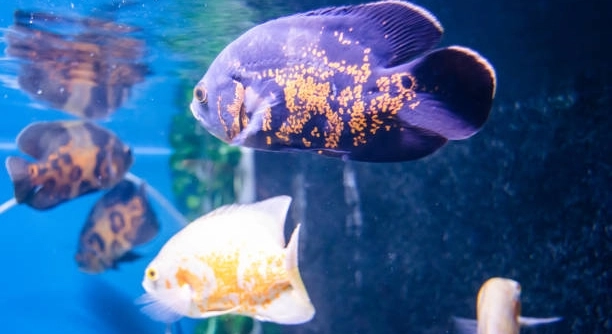
Oscar fish are known for their vibrant colors and unique personalities. As they settle into their environment, they show signs of being comfortable and content. Understanding these signals can help ensure they thrive in their tank.
Oscar fish display several behaviors when they are comfortable. These include swimming actively, showing curiosity, and interacting with their owners. A calm demeanor and consistent feeding habits are also signs that your fish feel safe and secure in their surroundings.
These behaviors are essential to monitor, as they reflect the fish’s overall well-being. Understanding how to identify comfort can improve your care routine and strengthen your bond with your Oscar fish.
Active Swimming and Exploration
Oscar fish are typically very active swimmers, and this behavior is a clear indication of their comfort level. If you notice your Oscar fish swimming freely and exploring different areas of their tank, it’s a sign they feel secure. When they are comfortable, they tend to show curiosity, moving around their environment with confidence. This kind of behavior helps them stay mentally stimulated and healthy. When they are unhappy or stressed, they may spend most of their time hiding, moving less frequently. So, a lively Oscar fish is generally a happy one.
The movement is often swift, and their fins stay open as they cruise around their space. This active behavior is most apparent when there are no environmental stressors, like poor water quality or overcrowded tanks.
If you observe your Oscar swimming and exploring more than usual, it’s a positive sign. It shows that they are not only comfortable but also enjoying their environment. Healthy swimming is essential for their physical well-being, and it indicates that your care routine is on track. Keep an eye on how often they swim, as this behavior can be a great way to gauge their overall mood.
Interaction with Their Owner
Oscar fish are known to develop a bond with their owners. They often recognize familiar faces and may swim to the front of the tank when they see you approaching. This behavior shows they feel safe and trust you. If they actively interact with you during feeding or when you’re near the tank, it’s a good sign of comfort.
This interaction is also a way for Oscars to get attention or food. Over time, you may notice them responding to specific actions like hand movements or feeding times. It’s a sign they’ve grown accustomed to you and their environment.
These interactions help strengthen the connection between you and your fish. Understanding your Oscar’s unique ways of communicating can enhance their care and give you insight into their comfort levels. A fish that eagerly responds to your presence is likely to be at ease in its tank.
Regular Feeding Habits
When Oscar fish are comfortable, they show regular and consistent feeding habits. A healthy appetite indicates they are content and not stressed. If your Oscar fish eagerly accept food at feeding time, it suggests they are feeling safe in their environment.
Oscar fish tend to recognize feeding times and expect food regularly. If they are consistently accepting food, it shows they are in good health and feel secure. When Oscars are stressed, they may refuse food or eat less frequently. This is often linked to poor water conditions or changes in their tank environment. When Oscars eat well, it means their basic needs are being met, and they are thriving.
It’s essential to maintain a consistent feeding schedule to ensure your Oscar stays comfortable. Overfeeding or irregular feeding can lead to health issues. A healthy Oscar will eat the appropriate amount without showing signs of overfeeding or undernourishment. If your fish is eager to eat and maintains regular eating habits, it’s a clear sign of comfort and security in its environment.
Comfortable Tank Environment
A comfortable Oscar fish environment is key to their overall well-being. When the tank has clean water, the right temperature, and appropriate decorations, your fish will show signs of comfort. Oscars thrive in environments that mimic their natural habitats.
Maintaining the right water quality and temperature is vital. Oscars prefer warm water temperatures, generally between 74 and 81 degrees Fahrenheit, with a pH level of 6.5 to 7.5. Keeping the tank clean and ensuring there is proper filtration will prevent stress and improve their comfort. The right environment can encourage your Oscar fish to swim freely and interact with you. Without these conditions, your Oscar might exhibit behavior like hiding or lethargy, signs of discomfort.
A tank with enough hiding spots and space for swimming will also make your Oscar feel secure. Avoid overcrowding, as this can lead to stress. The addition of plants or structures in the tank can offer your fish places to explore or hide when needed. A balanced and healthy tank environment plays a significant role in helping Oscars feel relaxed and comfortable.
Active and Healthy Coloration
A healthy Oscar fish will show vibrant colors, which is a sign they are comfortable and thriving. If your Oscar’s colors appear dull or faded, it may indicate stress or health issues. Bright colors signal a well-maintained environment and proper care.
Oscars often display their best colors when they feel secure in their tank. If they are stressed or uncomfortable, their colors may become less intense. This could be a result of poor water conditions, illness, or lack of proper tank maintenance. A colorful Oscar shows they are both physically healthy and emotionally content.
It’s important to monitor your Oscar’s appearance and ensure they are eating well and living in an appropriate environment. If you notice any changes in their coloration, it may be worth checking water quality or other factors in the tank that could be affecting their health.
Relaxed Posture
When an Oscar is comfortable, their posture will appear relaxed and natural. They swim freely and don’t display signs of tension, such as darting or staying in one spot. A relaxed fish is often a happy one.
Oscars that feel safe in their tank will not only swim but also rest calmly without being overly cautious. They’ll exhibit natural movements, using their fins smoothly, and occasionally rest near the bottom of the tank. Stress can cause erratic swimming, hiding, or even constant pacing. If your Oscar rests in a comfortable position or calmly navigates its space, it’s a clear indication they are not stressed.
Healthy Social Behavior
Comfortable Oscars will also show positive social behaviors, especially if there are other fish in the tank. They might swim near tank mates, interact with them, or establish territories without showing aggression. Peaceful interaction is a sign they are well-adjusted.
FAQ
How do I know if my Oscar fish is stressed?
When an Oscar fish is stressed, they often display specific behaviors such as hiding, darting around the tank, or staying in one area without moving much. They may also refuse food, swim erratically, or appear lethargic. Stress can be caused by various factors, such as poor water quality, sudden changes in the tank environment, overcrowding, or a lack of hiding places. Keeping an eye on your Oscar’s behavior and making adjustments to the tank setup can help reduce stress. Monitoring their eating habits is also a good indicator. If they stop eating, it may be a sign that something is wrong.
What are the signs of a healthy Oscar fish?
A healthy Oscar fish has bright, vibrant colors, clear eyes, and active swimming habits. They should respond to feeding times eagerly and interact with their environment, whether it’s moving around the tank or exploring decorations. Healthy Oscars typically don’t have any visible signs of illness, like bloating, lesions, or faded colors. Their fins should be intact, not torn or ragged, and they should swim with ease rather than in a stiff or erratic manner. Proper water quality and a balanced diet contribute significantly to maintaining their health.
Can Oscar fish live with other fish?
Oscar fish can live with other fish, but it’s important to choose tank mates carefully. They can be territorial and aggressive, especially towards smaller fish that might fit in their mouth. It’s best to house Oscars with larger, robust fish that can handle the Oscar’s personality and size. Fish like cichlids, large catfish, and some types of tetras can cohabitate well with Oscars. However, it’s important to monitor interactions to ensure there is no excessive aggression. Additionally, having enough space and hiding spots for everyone in the tank can reduce territorial issues.
What size tank do Oscar fish need?
Oscar fish need a large tank to thrive. As they grow, they can reach up to 12-14 inches in length, so a tank size of at least 75 gallons is recommended for one Oscar. If you plan on keeping more than one Oscar, you should consider a tank that is even larger, preferably 100 gallons or more, to ensure they have enough space to swim and establish territories. Proper tank size helps prevent aggression and stress, allowing them to grow and live in a more comfortable environment.
What should I feed my Oscar fish?
Oscar fish are carnivores and need a protein-rich diet to stay healthy. Their food can consist of pellets, live or frozen foods like worms, shrimp, or small fish, and occasional vegetables. It’s important to vary their diet to ensure they get a range of nutrients. High-quality Oscar pellets are formulated to meet their nutritional needs. You can also feed them bloodworms, brine shrimp, and earthworms as treats. Always remove any uneaten food from the tank to maintain water quality. Overfeeding can lead to health issues, so be mindful of portion sizes.
How often should I feed my Oscar fish?
Oscar fish should be fed once or twice a day, depending on their age and size. Juvenile Oscars may require more frequent feedings, while adult Oscars generally only need one feeding per day. It’s essential not to overfeed, as this can lead to obesity and water quality issues. A good rule of thumb is to offer only as much food as they can consume in about 5 minutes. If you notice leftover food, you may be feeding too much. Regular feeding times also help establish a routine for your Oscar.
How do I keep my Oscar’s tank clean?
Regular maintenance is key to keeping your Oscar fish’s tank clean and healthy. You should change 20-30% of the water every week to keep it fresh and free of harmful toxins. Use a good filtration system to help remove waste and debris. It’s important to clean the substrate and remove any uneaten food, as it can decompose and harm the water quality. Also, regularly check the water’s temperature, pH, and ammonia levels to ensure they stay within safe ranges. Cleaning the tank thoroughly once a month is also necessary.
How can I prevent my Oscar fish from becoming aggressive?
Aggression in Oscar fish can be reduced by ensuring they have plenty of space in their tank. A tank that is too small can make them feel territorial and stressed, which may lead to aggression. Providing hiding spots and decorations can also help reduce aggression, as Oscars will have areas to retreat to if they feel threatened. Additionally, feeding Oscars regularly and maintaining a clean tank will prevent frustration that can contribute to aggressive behavior. Introducing tank mates slowly and monitoring interactions can also reduce the likelihood of fights.
What is the ideal water temperature for Oscar fish?
Oscar fish thrive in warm water, with an ideal temperature range between 74 and 81 degrees Fahrenheit. Maintaining this temperature is important for their overall health, as they are sensitive to sudden changes in water temperature. It’s best to use a reliable aquarium heater to keep the water consistently warm. Sudden temperature drops or spikes can stress your Oscar and affect their immune system, making them more susceptible to illness. Regularly checking the water temperature ensures a stable and healthy environment for your fish.
Why is my Oscar fish swimming upside down?
If your Oscar fish is swimming upside down, it could indicate a serious health problem. This behavior often suggests an issue with the swim bladder, a condition that affects buoyancy. It can be caused by overfeeding, constipation, or an infection. A more serious cause could be water quality issues or internal parasites. If you notice this behavior, it’s important to check the water parameters, adjust feeding habits, and consider fasting your Oscar for a few days. If the condition persists, seeking veterinary advice is recommended to rule out any serious health concerns.
Final Thoughts
Taking care of an Oscar fish requires attention to their behavior and environment. By paying close attention to their swimming patterns, interactions, and eating habits, you can easily determine whether they are comfortable or stressed. A happy Oscar will actively swim, show interest in its surroundings, and maintain healthy feeding habits. Observing these signs allows you to create a stable environment where your fish can thrive. Regular water changes, proper feeding, and ensuring enough space in the tank all contribute to the comfort of your Oscar fish.
Every Oscar has its own personality, but understanding the general signs of comfort can guide you in making the right decisions for their care. The key to keeping an Oscar fish happy is providing a well-maintained tank with clean water, the right temperature, and suitable tank mates. When these factors are met, your Oscar will likely show positive behaviors, such as vibrant colors and active swimming. Consistent care and monitoring are crucial in preventing stress and promoting overall well-being.
In the end, your Oscar fish’s comfort is largely in your hands. By maintaining a healthy tank environment and understanding their unique needs, you’ll be able to help them live a long, healthy life. Keep a close eye on their behavior and environment, make necessary adjustments, and enjoy the rewarding experience of caring for your Oscar. With the right attention, your Oscar fish will show you clear signs of comfort, allowing you to enjoy their company for years to come.

Hello,
If you enjoy the content that we create, please consider saying a "Thank You!" by leaving a tip.
Every little bit helps us continue crafting quality advice that supports the health, happiness, and well-being of pets around the world, for pets of all shapes, sizes, and species.
We really appreciate the kindness and support that you show us!