
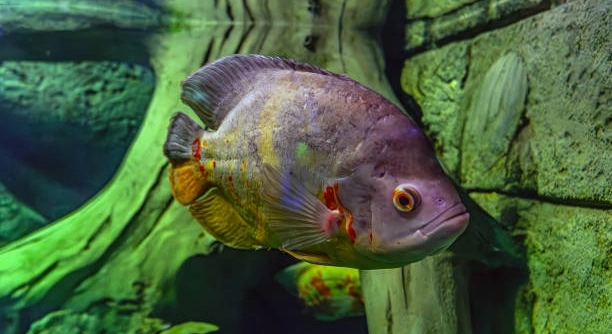
Oscar fish are fascinating creatures, and many aquarium owners are curious about how they react to water replacements. Understanding their behavior in response to changes in their environment can help improve their well-being and overall health.
Oscar fish can be sensitive to water changes due to their territorial nature. Sudden shifts in water parameters can cause stress, leading to behaviors like hiding or increased aggression. Gradual water replacements help minimize these stress reactions, promoting healthier, more active fish.
By exploring how Oscar fish respond to water replacements, you can create a more stable and comfortable environment for them. This ensures they remain healthy and active for longer periods, benefiting both you and your fish.
1. How Oscar Fish React to Water Temperature Changes
Oscar fish are highly sensitive to changes in water temperature. Fluctuations in temperature can cause stress, which might lead to a loss of appetite, sluggish movements, or even hiding. In some cases, rapid changes can result in health issues, such as weakened immune systems. A stable temperature is essential for the fish’s well-being.
Maintaining a consistent temperature between 74°F and 81°F (23°C to 27°C) is crucial. Sudden drops or increases in temperature can cause significant stress. Therefore, gradual changes should be made over several hours, rather than all at once, to minimize the shock.
Oscars, being tropical fish, are accustomed to warm water. If the water cools down or heats up unexpectedly, they may exhibit signs of distress. Some of the most noticeable behaviors include erratic swimming patterns, lethargy, or hiding in dark corners of the tank. The best way to prevent these reactions is by regularly monitoring the temperature and adjusting the heater as needed to keep it stable.
2. How Water pH Levels Affect Oscar Fish Behavior
Changes in water pH can impact your Oscar fish’s mood and health.
Oscars prefer a pH level of 6.5 to 7.5, slightly on the acidic side. Too high or too low a pH level can cause them to feel stressed, affecting their feeding and activity levels. Regular checks on pH levels are key to ensuring their comfort.
Oscars, like many freshwater fish, are sensitive to water chemistry. If the pH of their tank becomes too acidic or alkaline, they may stop eating and become more aggressive. In severe cases, it can even affect their gill function and overall health. To avoid this, it’s essential to monitor the pH regularly and adjust it gradually, using pH buffers or water changes as needed. Ensuring the pH remains stable within the ideal range will help your Oscar fish remain active and healthy. Keeping the water conditions consistent will make a noticeable difference in your Oscar’s behavior and longevity.
3. How Frequent Water Changes Affect Oscars
Frequent water changes can impact Oscars in both positive and negative ways. If done correctly, they help maintain water quality, ensuring that harmful toxins don’t build up. However, if water changes are too drastic or too often, it can cause stress, as the fish are sensitive to sudden shifts in their environment.
Oscar fish thrive in stable environments. Constant water changes can disrupt the bio-filter balance, making it harder for beneficial bacteria to establish and process waste. If water changes are too large, Oscars may become disoriented or stressed, affecting their health and behavior. The key is consistency and moderation. Small, regular water changes (about 10-15%) once a week will help maintain healthy water conditions without overwhelming your fish.
For optimal results, adjust the frequency based on the tank’s size and water quality. Keeping a routine is vital for Oscar fish to feel comfortable in their environment. Monitor water parameters regularly to ensure the changes are not too extreme.
4. The Impact of Tank Size on Oscar Fish Behavior
Tank size plays a significant role in the behavior of Oscar fish.
A small tank can lead to increased aggression, territorial behavior, and a general sense of stress. Oscars are large fish that require enough space to swim and establish their territory. A cramped environment makes them feel cornered, which can result in more aggressive behavior or health problems.
In a spacious tank, Oscars feel more secure and are less likely to display territorial aggression. The ideal tank size for one Oscar is at least 75 gallons, as it gives them ample room to move around and adjust to their environment. Additionally, a larger tank helps maintain water quality better, as the larger volume of water can dilute toxins more efficiently. Regular water changes and the addition of filtration systems will further improve their overall health and comfort in a bigger tank.
5. How Lighting Affects Oscar Fish
Lighting plays a significant role in the behavior of Oscar fish. They thrive in tanks with a natural day-night cycle, as light affects their activity and feeding patterns. Without proper lighting, Oscars may become stressed or lethargic.
Providing a consistent lighting schedule is essential. Aim for 10-12 hours of light during the day, followed by a period of darkness at night. This mimics natural conditions and helps Oscars regulate their internal clocks. Intense, constant lighting can cause stress, so choose lighting that isn’t too harsh. Avoid direct, bright lights that could overwhelm them.
6. The Role of Filtration in Oscar Fish Health
Filtration is critical for maintaining water quality in an Oscar tank. Oscars produce a lot of waste, so an efficient filtration system is necessary to keep the water clean and healthy.
Choosing a filter with a high flow rate is important for large tanks. Oscar fish prefer slightly turbulent water, and a strong filter will help remove debris and toxins quickly. However, ensure that the filter is not too powerful, as it could cause stress or discomfort. Regularly check and clean the filter to prevent clogs and ensure optimal performance. A well-maintained filtration system is key to maintaining a healthy environment for Oscars.
7. How Tank Decor Affects Oscar Fish Behavior
Decor can have a big impact on how Oscar fish behave in their tank.
Providing plenty of hiding spaces and items like rocks or caves allows Oscars to feel secure and reduces stress. However, too much clutter can limit their swimming space, which may lead to territorial aggression. Choose decorations wisely, ensuring the tank doesn’t become overcrowded.
FAQ
How often should I change the water in my Oscar tank?
Water changes should be done regularly to keep the water clean and healthy. For a tank with one Oscar, change about 10-15% of the water every week. If your tank is larger or has more fish, you might need to change the water more frequently. Always use a dechlorinator when adding fresh water, and try to match the temperature of the new water to the tank to avoid shocking the fish.
What water temperature is best for Oscar fish?
Oscar fish thrive in water temperatures between 74°F and 81°F (23°C to 27°C). Temperatures outside this range can cause stress and weaken their immune system. Make sure to use a reliable aquarium heater to maintain a stable temperature, and avoid sudden changes to prevent unnecessary stress.
Can Oscars live with other fish?
Oscar fish can live with other fish, but they are known to be territorial and aggressive. It’s best to keep them with other large, robust species that can hold their own. Avoid housing them with small or timid fish, as they may be seen as prey. Also, ensure the tank has enough space for everyone to establish their own territory.
Do Oscar fish need a filter?
Yes, a good filtration system is essential for Oscar fish. They produce a lot of waste, which can quickly pollute the water if not properly filtered. Choose a filter with a high flow rate that can handle the size of your tank, and regularly clean and maintain it to ensure optimal performance.
How long do Oscar fish live?
Oscar fish can live up to 15 years or longer with proper care. Their lifespan depends on factors like water quality, diet, tank size, and overall health. Keeping the water clean, maintaining stable conditions, and providing a balanced diet will help them live a long and healthy life.
Why is my Oscar hiding?
If your Oscar fish is hiding, it could be stressed, feeling unwell, or trying to avoid a perceived threat. This behavior may also occur if the water quality has declined or the tank conditions have changed suddenly. Check the water parameters, temperature, and tankmates to ensure everything is optimal.
What should I feed my Oscar fish?
Oscar fish are carnivorous and enjoy a varied diet that includes high-protein foods such as pellets, live or frozen shrimp, worms, and small fish. Avoid feeding them too many fatty foods, as this can lead to obesity. Offering a balanced diet with a mix of live, frozen, and dry food will keep them healthy.
Why is my Oscar fish turning pale?
A pale Oscar can be a sign of stress, illness, or poor water conditions. If the fish is pale and lethargic, it might be suffering from an infection, such as a parasitic or bacterial disease. Check the water quality and seek advice from a veterinarian if the condition persists.
How can I reduce Oscar aggression?
Oscar fish are territorial and can be aggressive, especially if the tank is overcrowded or there aren’t enough hiding spots. To reduce aggression, make sure the tank is large enough (at least 75 gallons for one Oscar) and provide plenty of hiding spaces. Adding tankmates that are equally large or able to defend themselves can also help.
Do Oscars need a light cycle?
Yes, Oscar fish do best with a natural day-night light cycle. Keeping the tank lit for 10-12 hours a day, followed by a period of darkness, mimics their natural habitat and helps regulate their internal clocks. Avoid leaving the light on constantly, as this can cause stress.
Can Oscars tolerate high nitrate levels?
No, Oscar fish are sensitive to high nitrate levels, which can be harmful to their health. Nitrates build up in the water over time, especially in tanks with poor filtration or infrequent water changes. Regular water changes and a good filtration system are key to keeping nitrate levels under control.
How can I tell if my Oscar fish is sick?
Signs that an Oscar fish may be sick include changes in behavior, such as lethargy, loss of appetite, or hiding. Physical symptoms can include bloating, discolored patches on the skin, or torn fins. If you notice any of these signs, check the water quality, and consider consulting a veterinarian for a proper diagnosis.
Why does my Oscar chase its reflection?
Oscar fish are highly territorial and may react to their reflection in the tank glass as though it’s another fish intruding on their space. This is normal behavior, but if the fish is constantly chasing its reflection, it can lead to stress. You can reduce this by adding background decorations or a tank divider to minimize reflection.
What size tank does an Oscar fish need?
An Oscar fish requires a minimum of a 75-gallon tank for one fish. A larger tank is preferable if you plan to keep more than one Oscar. Providing ample space allows the fish to swim freely and establishes their territory, reducing stress and aggression.
Can Oscar fish live in brackish water?
Oscar fish are freshwater species and should not be kept in brackish water. They require freshwater conditions to thrive, and exposure to salt can cause health issues. Maintaining proper freshwater conditions will ensure your Oscar fish stays healthy and happy.
Do Oscar fish need company?
Oscar fish are solitary by nature and don’t necessarily need company. While they can tolerate tankmates if the tank is large enough, they are often happiest when they have their own space. If you do want to add companions, make sure they are large, robust fish that can handle Oscar’s aggressive nature.
What are common diseases in Oscar fish?
Common diseases in Oscar fish include ich (white spot disease), fin rot, and dropsy. Regularly check for signs of illness, such as white spots, frayed fins, or bloating. Maintaining a clean tank, proper water conditions, and good nutrition can help prevent many diseases. If you notice symptoms, isolate the sick fish and seek treatment promptly.
Final Thoughts
Taking care of Oscar fish requires attention to detail and commitment. They are hardy creatures, but their needs should not be underestimated. A clean tank, proper filtration, and appropriate tank mates are all essential for ensuring they thrive. Regular water changes, the right temperature, and monitoring water quality will help your Oscar remain healthy. By understanding their behavior and needs, you can create an environment that allows them to live a long, happy life.
While Oscar fish are known for their territorial nature and aggression, they can make fascinating pets. Their personalities and interactions with their environment are what make them stand out in the aquarium world. They are not low-maintenance fish, but with the right conditions, they can bring a lot of joy to your home. Watching them swim and interact with their surroundings is a rewarding experience for any fish keeper.
Ultimately, the success of your Oscar’s life in your tank depends on your willingness to keep their environment stable and provide them with a balanced diet. Don’t forget to consider their size and space requirements as they grow, and be prepared for their occasional territorial behavior. With patience and proper care, your Oscar fish will remain a healthy and vibrant companion for many years.

Hello,
If you enjoy the content that we create, please consider saying a "Thank You!" by leaving a tip.
Every little bit helps us continue crafting quality advice that supports the health, happiness, and well-being of pets around the world, for pets of all shapes, sizes, and species.
We really appreciate the kindness and support that you show us!