
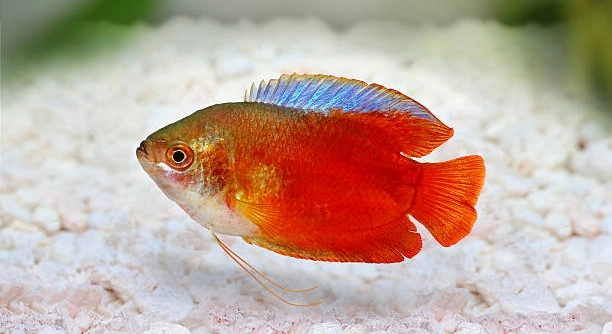
Gouramis are gentle fish that often show their moods through subtle actions. Observing them closely can help you understand when they are comfortable and happy in their tank environment. Their behavior speaks volumes about their well-being.
Gouramis display contentment in their tank through various behaviors, including relaxed swimming patterns, active exploration, consistent feeding habits, and interaction with tank mates, reflecting their comfort and positive response to the habitat conditions provided.
Recognizing these signs can improve your relationship with your fish and help maintain a healthy, harmonious tank environment for them.
Bubble Nest Building
Male gouramis often create bubble nests at the water surface when they feel secure and healthy. This behavior shows their readiness to breed and indicates that they are comfortable in their environment. The nest consists of small clusters of bubbles that stick together, usually among plants or near tank decorations. It is a clear sign that the water quality, temperature, and tank conditions meet their needs. Nest building is instinctive, and even without a female present, males may continue making bubbles, showing contentment and confidence in their surroundings. Observing this behavior can be rewarding, as it reflects natural instincts and indicates a well-maintained tank. Providing floating plants or gentle surfaces for the bubbles helps them thrive. This behavior also signals mental stimulation, as building a nest requires energy and attention. Maintaining stable conditions ensures they continue to exhibit these natural and satisfying behaviors consistently.
Bubble nests are a visible sign of a gourami’s comfort and natural instinct.
Supporting nest building requires stable water parameters, a warm temperature, and minimal disturbances. Floating plants or soft surfaces help bubbles stick and prevent them from breaking. Regular monitoring of the water and careful feeding ensures males remain healthy and motivated to continue this behavior. Nest building demonstrates that gouramis are thriving in a secure and well-maintained tank. Observing the process also allows caretakers to appreciate their natural behaviors and ensure the environment supports their overall well-being.
Gentle Feeding Habits
Gouramis show affection and contentment during feeding by approaching food calmly and eating steadily.
Happy gouramis display patience during feeding, swimming smoothly to pick up flakes, pellets, or live food. They rarely compete aggressively or dart around frantically. Calm, steady eating is a clear indicator of trust in their environment and routine. Monitoring their feeding behavior can reveal their comfort and overall health, as changes may signal stress or illness.
Feeding habits reveal a lot about gouramis’ comfort levels. They thrive when food is consistent and accessible, allowing them to maintain energy and body condition. Offering a varied diet ensures they receive proper nutrition, supporting vibrant colors and active behavior. Overfeeding or irregular schedules can stress them and disrupt natural patterns. Calm eating shows they feel secure in their space and are not worried about competition or threats. Observing how they approach and consume food helps assess tank health and social harmony. Maintaining a peaceful feeding environment encourages regular eating, natural growth, and contentment, reinforcing the positive conditions of their habitat.
Exploring Their Environment
Gouramis explore their tank by swimming among plants, decorations, and hiding spots. This behavior shows they feel safe and confident in their surroundings, using available space without hesitation or fear.
Active exploration indicates a healthy, well-maintained tank. Gouramis may inspect corners, drift near surfaces, or hover around plants. Their curiosity helps them find food, assess comfort, and engage with their environment naturally. Frequent exploration without signs of stress, like hiding or erratic swimming, reflects mental stimulation and physical well-being. Observing these patterns also allows caretakers to notice changes in behavior or tank conditions that might need attention, ensuring a balanced habitat.
Providing varied structures, gentle currents, and plants encourages consistent exploration. Gouramis benefit from vertical and horizontal spaces to navigate, helping them stay active and confident. Their interaction with the environment keeps them engaged, reduces boredom, and reinforces their sense of security, making daily care more rewarding and the tank a lively, natural space.
Color Changes
Gouramis often display brighter, more vivid colors when they feel comfortable and healthy in their tank. This change is a visual indicator of well-being.
Vibrant coloration reflects proper nutrition, water quality, and a low-stress environment. Gouramis that feel secure may also show subtle shifts in hue during interactions, feeding, or courtship. Dull or faded colors can indicate illness, stress, or poor conditions, making color observation a simple way to monitor overall health.
Maintaining consistent water parameters, providing a balanced diet, and ensuring a stable environment supports natural pigmentation. Plants, gentle lighting, and hiding spots reduce stress, allowing colors to remain vivid. Seasonal or mood-based color variations are normal, but prolonged dullness should prompt a review of tank conditions and care practices. Observing these color cues helps track emotional and physical health while reinforcing that a safe, comfortable habitat directly contributes to their visual and behavioral well-being.
Fin Flicking and Gentle Movements
Gouramis flick their fins slowly and gracefully when they feel secure. These small, deliberate movements show relaxation and confidence in their surroundings.
Regular, gentle fin movement helps them navigate and maintain balance. Rapid or clamped fins may indicate stress, making observation of these movements important for assessing comfort and health.
Resting Spots
Gouramis often rest near plants, decorations, or low-light areas. Choosing consistent resting spots shows they feel safe and stable in their environment.
Providing shaded areas and secure hiding places encourages natural resting behavior. Observing where they settle helps ensure the tank meets their comfort and security needs, supporting overall well-being.
Responsive to Interaction
Gouramis may approach the glass or follow gentle movements outside the tank. This responsiveness reflects trust and familiarity with their environment.
Engaging subtly with your tank, like moving your hand slowly, allows gouramis to display curiosity without stress. Recognizing these responses helps monitor their comfort and maintain a positive habitat.
FAQ
How can I tell if my gourami is happy in its tank?
A happy gourami will swim smoothly, explore the tank, and interact calmly with tank mates. They may build bubble nests, display bright colors, and feed steadily. Watching for relaxed fin movements and consistent patterns in daily activity is a reliable indicator of comfort and health.
Why does my gourami build bubble nests?
Bubble nests are a natural behavior, especially in males. They indicate that the fish feels safe and secure. Even without a female present, nest building reflects a healthy environment, proper water parameters, and low stress. It is also a sign of mental stimulation and instinctive behavior.
What does it mean when my gourami hides a lot?
Excessive hiding can indicate stress, illness, or poor tank conditions. Water quality, temperature, and social dynamics may need review. Some hiding is normal, but frequent avoidance of open areas shows that the fish may feel unsafe or uncomfortable in its surroundings.
How do I know if my gourami is stressed?
Signs of stress include clamped fins, rapid or erratic swimming, loss of color, and refusal to eat. Stress can be caused by overcrowding, incompatible tank mates, poor water quality, or sudden environmental changes. Observing behavior daily helps catch problems early.
Why are my gourami’s colors fading?
Faded colors usually indicate poor health, stress, or inadequate diet. Stable water conditions, a balanced diet, and a calm environment help maintain vibrant coloration. Seasonal or mood-related variations are normal, but persistent dullness should prompt a check of tank conditions and feeding routines.
Can gouramis live with other fish?
Yes, gouramis are generally peaceful but territorial at times. Compatible tank mates should be calm, similar-sized, and non-aggressive. Providing sufficient space, plants, and hiding spots ensures positive interactions and reduces conflict, helping them feel secure and comfortable in the community setup.
How often should I feed my gourami?
Feeding small portions once or twice daily is ideal. They should consume food within a few minutes. Overfeeding can cause water quality issues, stress, and health problems. A varied diet of flakes, pellets, and occasional live or frozen foods supports vibrant colors and active behavior.
What tank conditions help gouramis feel secure?
Stable water parameters, gentle filtration, proper temperature, and sufficient hiding spots create a safe environment. Floating plants and decorations provide security and stimulation. A calm, consistent setup reduces stress and encourages natural behaviors like exploration, resting, and bubble nest building.
Why does my gourami follow me around the tank?
Following movements outside the tank shows recognition and curiosity. It indicates trust and comfort in its environment. Gouramis that engage with their surroundings without signs of fear are confident and content, reflecting a well-maintained and stable habitat.
How can I encourage natural behavior in my gourami?
Providing plants, decorations, shaded areas, and vertical spaces supports exploration, resting, and interaction. A balanced diet, calm environment, and regular water maintenance allow them to express natural behaviors like swimming gracefully, building bubble nests, and interacting peacefully with tank mates.
Gouramis are small, graceful fish that show their feelings through behavior, colors, and interactions with their environment. Observing them closely helps you understand when they are happy, comfortable, and healthy in their tank. Their actions, like calm swimming, gentle fin movements, and active exploration, reveal a lot about their mood and well-being. Even subtle behaviors, such as hovering near plants or resting in shaded spots, indicate that they feel safe and secure. Recognizing these signs allows you to create a tank environment that supports their natural tendencies and keeps them stress-free. A tank that caters to their needs provides not only a safe home but also a space where their personality can show.
Another important aspect of gourami care is providing the right environment and maintaining consistent conditions. Stable water temperature, proper filtration, and regular water changes ensure a healthy habitat. Plants, hiding areas, and decorations allow them to explore, rest, and feel protected. Their feeding habits also reflect comfort, as calm and steady eating shows trust in their surroundings. Balanced nutrition supports bright coloration, active behavior, and overall health. Additionally, social behavior with compatible tank mates demonstrates contentment, while aggression or hiding may indicate stress. Paying attention to all these details helps prevent potential problems and keeps gouramis thriving. Consistent care and observation create a positive feedback loop, where happy fish encourage more careful maintenance and thoughtful tank design.
Ultimately, understanding and responding to a gourami’s behavior strengthens the connection between caretaker and fish. Observing bubble nest building, color changes, and interactions provides insight into their comfort and happiness. Supporting natural behaviors through a safe, stimulating environment allows gouramis to flourish. Over time, these small observations and adjustments create a tank that not only meets basic needs but also encourages mental and physical well-being. A peaceful, well-maintained tank reduces stress, encourages exploration, and promotes healthy interactions, which benefits all tank inhabitants. Paying attention to these signs is both rewarding and practical, helping ensure that your gouramis remain lively, vibrant, and content in their aquatic home.

Hello,
If you enjoy the content that we create, please consider saying a "Thank You!" by leaving a tip.
Every little bit helps us continue crafting quality advice that supports the health, happiness, and well-being of pets around the world, for pets of all shapes, sizes, and species.
We really appreciate the kindness and support that you show us!