
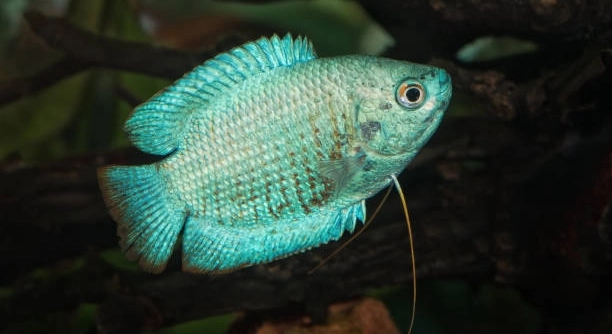
Gouramis are popular freshwater fish known for their bright colors and unique behavior. Many aquarium owners notice their gouramis can act quite bold in shared tanks. Understanding these behaviors helps create a peaceful environment for your fish.
Gourami show tank dominance through physical displays, territorial guarding, fin flaring, chasing, and other aggressive behaviors to establish hierarchy. These actions help maintain social order and reduce constant conflict within the aquarium.
Recognizing these signs can improve how you manage your tank and support healthier fish relationships. The following details will explain the most common ways gouramis assert dominance.
Fin Flaring and Color Changes
When gouramis want to show dominance, one of the first things they do is flare their fins. This makes them look bigger and more threatening to other fish. Along with fin flaring, their colors often become more intense or brighter. These changes signal to others that they are strong and ready to defend their space. It’s a natural way for gouramis to avoid actual fighting by showing strength instead. You might notice that dominant gouramis hold their fins fully spread while others keep theirs folded.
Fin flaring and color changes help gouramis communicate without immediate aggression.
Seeing these signals early can help you understand when a gourami is trying to take control. You may also spot which fish is more confident or stressed based on how often it flares and changes color. Paying attention to these signs lets you adjust the tank setup or groupings to keep peace. Sometimes adding hiding spots or rearranging decorations reduces tension and prevents fights.
Chasing and Territory Guarding
Dominant gouramis often chase other fish away from their chosen area. This behavior is a way to protect their territory, which usually includes hiding spots, food sources, or preferred swimming space. When a gourami chases, it swims quickly toward another fish, nudging or bumping to push it out. The other fish usually retreat unless they are equally confident. This chasing is not always violent but can stress the less dominant fish if it happens too often.
Chasing maintains clear boundaries within the tank and helps reduce constant fights over space.
This territorial guarding is important because gouramis need areas where they feel safe and in control. Without a clear territory, conflicts can increase as fish compete for the same spots. If your tank is small or lacks enough hiding places, dominant gouramis may become more aggressive. Providing plenty of plants, caves, or decorations gives weaker fish places to escape and rest. This balance reduces stress and creates a calmer environment for everyone. Understanding and managing territory guarding can keep your gouramis healthier and happier over time.
Body Posturing and Displaying
Body posturing is a clear way gouramis show dominance. They position themselves upright and often angle their bodies to look larger. This stance warns others without direct conflict.
This behavior helps gouramis establish who is in charge. By standing tall and making themselves appear bigger, they avoid constant fighting. It is a common way to settle disputes quickly. Other fish usually back down when faced with this confident posture, allowing the dominant gourami to maintain control. This display can last several minutes or until the challenger gives up.
Besides making themselves look bigger, gouramis sometimes sway or move slowly while holding their posture. This slow movement adds to the effect, showing calm confidence. It’s a subtle but powerful way to keep peace and order in the tank, saving energy that would be lost in fighting. Watching these postures can help you tell which gourami is the leader.
Nest Building and Spawning Behavior
Gouramis often build bubble nests as part of their spawning process. This behavior is a strong sign of dominance because only the most confident males create and guard nests. The nest is made from bubbles at the water surface and serves as a place to protect eggs.
Creating and defending a bubble nest requires energy and attention. Males will aggressively protect this area from other fish to ensure the safety of their future offspring. This protection includes chasing intruders and constant guarding. The presence of a bubble nest shows the male’s readiness to breed and his control over a territory.
The intensity of this behavior depends on the tank conditions and the presence of females. In crowded or small tanks, nest building may increase tensions among gouramis. Providing enough space and hiding places reduces stress and allows natural spawning behavior to occur peacefully. Observing this process can give insight into the social structure of your gouramis.
Chasing and Nipping
Chasing is a common way gouramis show dominance by pushing other fish away. Nipping, or biting fins, often happens during these chases to reinforce control.
These behaviors can cause stress if frequent but usually help keep a clear hierarchy in the tank.
Use of Water Surface
Gouramis often claim areas near the water surface as their territory. Controlling this space shows dominance since it’s where they build nests and breathe air.
Being near the surface gives them an advantage in the tank’s social order.
Aggressive Eye Contact
Dominant gouramis sometimes lock eyes with challengers. This steady stare is a non-verbal warning to back down.
It is a way to assert power without immediate physical confrontation.
FAQ
Why do gouramis flare their fins so often?
Gouramis flare their fins to appear larger and more intimidating. This behavior is a natural way to establish dominance without fighting. It helps avoid injury by showing strength early. If your gourami flares frequently, it may be trying to claim territory or warn other fish to keep distance. Watching how often and when they flare can give clues about tank dynamics.
Is fin flaring harmful to other fish?
Fin flaring itself is not harmful, but it can lead to stress in more timid fish. If dominant gouramis flare too often and chase others, it might cause injuries from nipping or constant fleeing. Keeping enough space and hiding spots helps reduce the stress caused by these displays. Overall, flaring is a warning, not an attack.
How can I reduce aggressive chasing in my gourami tank?
Providing plenty of plants, decorations, and hiding places helps reduce chasing by giving fish more space to retreat. Also, avoid overcrowding since tight spaces increase territorial disputes. Sometimes rearranging the tank layout can reset boundaries and lessen aggression. Keeping gouramis in a well-balanced group with enough room is key.
Why does my gourami build a bubble nest?
Bubble nests are built by male gouramis during spawning. It’s a sign of breeding readiness and dominance. The nest protects the eggs and shows the male’s control over a territory. Even if no females are present, males may build nests instinctively. It’s a natural part of their behavior.
Is it normal for gouramis to chase each other constantly?
Some chasing is normal as gouramis set their social order. However, constant chasing may indicate stress, overcrowding, or lack of hiding places. Monitor your tank and make adjustments if needed to keep fish healthy and calm. Too much chasing can lead to injury and fatigue.
What does a gourami’s color change mean?
Color changes often reflect mood or health. When gouramis are dominant or excited, their colors brighten. Pale or dull colors can signal stress or illness. Observing color shifts alongside behavior helps you understand how your gouramis feel. Good water quality and diet support healthy colors.
Can gouramis live peacefully with other fish?
Gouramis can live peacefully if tank conditions are right. They need enough space, hiding spots, and compatible tank mates. Avoid aggressive or very small fish that may trigger territorial behavior. A balanced environment reduces conflicts and supports harmony.
How do I know which gourami is dominant?
The dominant gourami often flares fins more, shows brighter colors, chases others, and holds territory near the surface or preferred spots. It may also build bubble nests if male. Watching these signs over time reveals the social hierarchy clearly.
Should I separate aggressive gouramis?
If aggression causes injury or constant stress, separating gouramis is a good idea. You can use a divider or move some fish to another tank. Sometimes, changing the tank setup reduces aggression enough to avoid separation. Always prioritize the wellbeing of all fish.
Does size determine dominance in gouramis?
Size helps but doesn’t always guarantee dominance. Confidence, territory control, and behavior are often more important. Smaller gouramis can be dominant if they assert themselves strongly. Observing interactions gives the best insight into who leads.
Understanding how gouramis show dominance helps create a better environment for them. These fish use many ways to establish their place in the tank, from fin flaring and color changes to chasing and guarding territory. Recognizing these behaviors early can help prevent fights and stress. When you know what your gouramis are trying to communicate, you can adjust your tank setup to reduce tension. This might include adding more plants, rearranging decorations, or giving them more space.
It’s important to remember that some level of dominance behavior is normal and healthy for gouramis. These actions help them organize their social structure and avoid constant fighting. However, if aggressive behaviors become too frequent or severe, it can harm the other fish. Watching your gouramis carefully lets you see when things might be getting out of hand. At that point, small changes in the tank or separating overly aggressive individuals may be necessary. A peaceful tank makes for happier and healthier fish.
Finally, patience and observation are key when caring for gouramis. Every tank is different, and what works for one might not work for another. By learning about the ways gouramis show dominance, you gain insight into their needs and feelings. This knowledge helps you provide a better home for your fish. Taking steps to balance the tank environment ensures that your gouramis can thrive together without unnecessary stress or harm.

Hello,
If you enjoy the content that we create, please consider saying a "Thank You!" by leaving a tip.
Every little bit helps us continue crafting quality advice that supports the health, happiness, and well-being of pets around the world, for pets of all shapes, sizes, and species.
We really appreciate the kindness and support that you show us!