
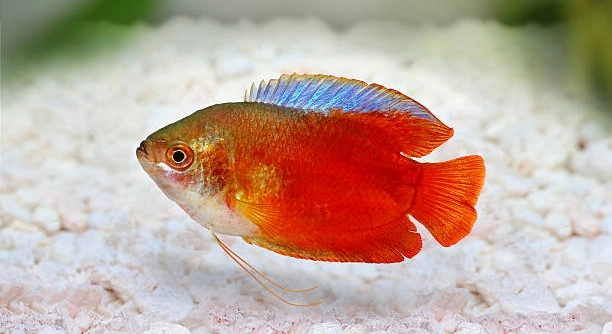
Gouramis are popular aquarium fish known for their bright colors and peaceful nature. Watching them stay healthy is important for any fish owner. Recognizing signs of illness early helps keep gouramis happy and thriving.
Gouramis show several clear signs when they are unwell, including changes in behavior, appetite loss, and physical symptoms like discoloration or clamped fins. These indicators help owners identify health issues promptly for proper care.
Knowing how to spot these warning signs will help you protect your fish and maintain a healthy aquarium environment.
Changes in Behavior
When gouramis feel unwell, their behavior often changes noticeably. They may become less active, hiding more than usual or staying near the bottom of the tank. Some gouramis stop interacting with other fish or lose their usual curiosity. A sick gourami might also swim erratically or have trouble maintaining balance. These behavioral shifts are important clues to watch for because they often appear before physical symptoms become clear. Owners who pay attention to their fish’s daily habits can catch these early signs and take action. Sometimes, stress or poor water quality causes these changes, so it’s good to check the environment as well. Consistent monitoring helps ensure gouramis stay healthy and comfortable in their tank.
Fish behavior is one of the first signs to notice when something is wrong. It’s a good reason to watch your gourami closely every day.
Understanding behavior changes is key to early detection. It helps prevent illness from worsening and guides you in making timely adjustments to care and environment.
Loss of Appetite
Loss of appetite is a common indicator that a gourami is feeling unwell. When fish stop eating or eat less than usual, it usually signals discomfort or disease. This symptom can appear alongside other signs like lethargy or visible physical problems. Appetite loss weakens the fish over time, making it harder for them to fight infections. It’s important to observe feeding habits closely. Sometimes, poor water conditions or an incorrect diet cause a loss of appetite, so reviewing tank parameters and food type is essential. If the fish refuses food for several days, it’s best to consult a veterinarian or experienced fish keeper to identify the issue.
A gourami’s eating habits directly affect its health and recovery chances.
To help your gourami regain appetite, ensure clean water, provide balanced food, and reduce tank stress. Keep track of how much your fish eats each day. Sometimes, offering different types of food, like live or frozen options, can encourage eating. Avoid overfeeding as it worsens water quality. If appetite loss continues, isolating the fish in a quarantine tank may be necessary for treatment. Monitoring appetite is one of the simplest and most effective ways to catch illness early and support your gourami’s well-being.
Physical Changes
Physical signs often appear when gouramis are unwell. These include faded colors, clamped fins, and white spots. Such visible changes indicate stress or illness and should not be ignored.
Discoloration or dullness in a gourami’s vibrant scales often signals poor health. Clamped fins—where the fins stay close to the body—can indicate discomfort or infection. White spots may point to common diseases like ich. Sometimes, skin may look patchy or show small wounds from fights or poor water quality. These physical symptoms are clear warnings that something is wrong. Immediate action is needed to prevent the condition from worsening. Keeping the tank clean and maintaining stable water conditions can reduce these risks.
Observing your gourami daily for these changes helps catch problems early. When you see physical symptoms, testing the water and possibly consulting a specialist is the next step to protect your fish.
Labored Breathing
Labored breathing in gouramis can be a serious sign of health trouble. It often looks like rapid gill movement or gasping at the water surface.
This symptom typically indicates low oxygen levels or infection. Poor water quality with high ammonia or nitrite levels can stress fish and cause breathing problems. Diseases such as gill parasites or bacterial infections also make breathing difficult. If gouramis gasp at the surface, it may mean oxygen is low, so improving aeration is crucial. Sometimes, temperature or water flow issues contribute, so checking the entire tank environment is necessary. Prompt action can prevent respiratory failure and improve recovery chances.
Improving water quality and providing good oxygen circulation often helps gouramis breathe easier. If the problem continues, treatment for specific diseases might be required to restore their health.
Lethargy
Lethargy is a common sign that a gourami is not feeling well. The fish may spend long periods resting and show little interest in activity or interaction.
When gouramis become lethargic, it usually means they are stressed or sick. This can be caused by poor water quality, illness, or injury.
Erratic Swimming
Erratic swimming patterns, such as sudden darting or spinning, often indicate health problems in gouramis. This behavior may result from irritation, parasites, or neurological issues.
Clamped Fins
Clamped fins, where the fins are held tightly against the body, suggest discomfort or poor health. This sign often appears with stress or disease and should be monitored closely.
How can I tell if my gourami is sick?
You can tell your gourami is sick by watching for changes in behavior, appetite, and physical appearance. Signs like lethargy, loss of appetite, clamped fins, faded colors, or unusual swimming patterns all point to health problems. Labored breathing or gasping at the surface is also a strong indicator of illness. Observing your fish daily helps catch these symptoms early, giving you a better chance to act before the condition worsens.
What causes gouramis to become unhealthy?
Gouramis can become unhealthy for several reasons. Poor water quality is the most common cause, especially high ammonia, nitrites, or nitrates. Stress from overcrowding, sudden changes in temperature, or aggressive tank mates also harms their health. Diseases caused by bacteria, parasites, or fungi frequently affect gouramis, especially if the tank environment is not well maintained. Feeding improper or low-quality food may weaken their immune system, making them more vulnerable to illness.
How often should I check my gourami for signs of illness?
It’s best to observe your gourami every day. Regular checks allow you to notice any subtle changes in behavior or appearance quickly. Paying close attention during feeding time is helpful because loss of appetite is one of the first signs of sickness. You should also monitor water parameters at least once a week and clean the tank as needed to keep the environment healthy.
What can I do if I notice my gourami is acting strange?
If you see strange behavior, first test your water for ammonia, nitrites, nitrates, pH, and temperature. Fix any issues by doing partial water changes and adjusting the tank conditions. Reduce stress by removing aggressive fish or overcrowding. Isolate the sick gourami in a quarantine tank if possible to prevent spreading disease. Observe the fish closely and consider consulting a vet or fish expert if symptoms persist.
Can I treat my gourami’s illness at home?
Many common gourami illnesses can be treated at home with the right medicines and tank care. Over-the-counter treatments for parasites, bacterial infections, and fungal diseases are widely available. However, accurate diagnosis is essential to avoid using the wrong medication. Always follow the instructions carefully, and quarantine sick fish during treatment to protect others. If your gourami doesn’t improve or worsens, professional advice may be necessary.
How important is tank cleanliness for gourami health?
Tank cleanliness is crucial for keeping gouramis healthy. Dirty water leads to high toxin levels, which stress fish and make them prone to illness. Regular partial water changes, removing leftover food, and cleaning filters help maintain good water quality. Proper tank maintenance reduces the risk of infections and supports a strong immune system in your gourami.
What should I feed my gourami to keep it healthy?
A balanced diet keeps gouramis strong and resilient. High-quality flake or pellet food designed for tropical fish is a good staple. Supplementing with live or frozen foods like brine shrimp, bloodworms, or daphnia adds variety and extra nutrients. Avoid overfeeding, as excess food pollutes the water and harms health. Feeding small amounts once or twice a day is usually enough.
When should I seek professional help for my gourami?
Seek professional help if your gourami’s condition does not improve after home care or treatment. Severe symptoms such as persistent gasping, extreme lethargy, visible sores, or swelling need expert attention. A veterinarian or experienced fish keeper can offer precise diagnosis and stronger medications. Early intervention improves the chances of recovery and prevents the spread of contagious diseases.
Can stress cause health problems in gouramis?
Yes, stress is a major factor in gourami health problems. Causes of stress include poor water quality, overcrowding, sudden changes in environment, and aggressive tank mates. Stress weakens the immune system, making fish more susceptible to infections and disease. Reducing stress by keeping a stable environment and compatible tank mates is essential for a healthy gourami.
How do I prevent illnesses in my gourami?
Prevent illness by maintaining clean water and a stable tank environment. Perform regular water tests and changes, feed a varied and nutritious diet, and avoid overcrowding. Quarantine new fish before adding them to the tank to reduce disease risk. Monitor your gourami’s behavior and appearance daily to catch problems early. Keeping stress low is key to preventing most illnesses.
Final thoughts on caring for gouramis focus on the importance of paying close attention to their health and environment. Gouramis are beautiful fish that can live happily in home aquariums if their needs are met properly. Watching for signs that show they may be unwell is an important part of keeping them healthy. Changes in behavior, appetite, and appearance are clear signals that something might be wrong. Early detection allows owners to act quickly and prevent more serious problems. This means spending a little time each day observing your fish closely and maintaining good tank conditions.
Maintaining clean water and a stable environment is key to preventing most health issues in gouramis. Regular water changes, proper filtration, and monitoring water parameters like temperature, pH, and ammonia levels help keep the tank safe for your fish. Stress is another big factor that can cause illness. Overcrowding, aggressive tank mates, or sudden changes in the tank can cause stress, making gouramis weaker and more prone to disease. Providing a peaceful, balanced setting and feeding your gourami a healthy diet supports their well-being. Simple actions like these can make a big difference in the overall health of your fish.
When problems do arise, it is important to respond quickly and carefully. Knowing the common signs of illness, such as clamped fins, lethargy, or labored breathing, helps owners take proper steps. Sometimes adjusting water quality or isolating the fish is enough to improve their condition. Other times, treatment with medication may be necessary. Consulting an expert or veterinarian can provide the right guidance. Keeping a calm and consistent approach makes it easier to care for gouramis and helps ensure they live long, healthy lives in your aquarium.

Hello,
If you enjoy the content that we create, please consider saying a "Thank You!" by leaving a tip.
Every little bit helps us continue crafting quality advice that supports the health, happiness, and well-being of pets around the world, for pets of all shapes, sizes, and species.
We really appreciate the kindness and support that you show us!