
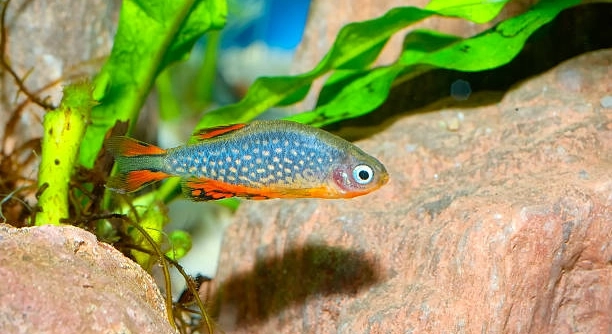
Danios are lively little fish that move gracefully through their tanks. Their quick swims and subtle gestures can show different moods and intentions, making them fascinating to observe for anyone who enjoys watching fish behavior.
Danios communicate primarily through body movements, fin flicks, and swimming patterns. These movements signal aggression, submission, courtship, or alertness to other fish. Observing these motions allows researchers and hobbyists to understand social dynamics and responses within a group of danios.
Watching how danios interact through movement reveals more than just playful swimming. Their behaviors provide insights into social structure and daily interactions in the tank environment.
Quick Dashes and Sudden Turns
Danios often make short, quick movements that catch your attention. These sudden dashes are more than just bursts of energy; they communicate excitement, alertness, or sometimes a warning to other fish. When one danio zips across the tank, others may respond by mirroring its movement, showing awareness of nearby activity. Observing these movements helps you understand how they interact with each other and their environment. These quick motions can indicate feeding time or the presence of something unusual in the tank. I’ve noticed that when my danios make these rapid turns, it usually signals that something has changed in the tank, whether it’s a new decoration or a small ripple in the water. Paying attention to these behaviors gives a clearer sense of their moods and group dynamics, making it easier to create a comfortable environment for them to thrive in.
Quick dashes signal excitement, alertness, or minor warnings among danios, helping the group stay aware and coordinated.
Noticing these quick movements consistently can help you understand patterns in danio behavior. Over time, it becomes easier to predict their reactions during feeding or when introducing new tank items. These dashes are also a way for them to express energy safely, without conflicts, while reinforcing social bonds within the group. Watching them coordinate in these short bursts gives an interesting look into their communication style, showing how movement alone conveys a lot about their current state and relationships in the tank.
Fin Flicks and Tail Waves
Fin flicks are small, deliberate movements that express feelings or intentions among danios.
Flicking fins or waving tails is often used to attract attention, show dominance, or signal readiness to follow. These gestures, though subtle, play an important role in group communication, allowing fish to interact without collisions or misunderstandings. I’ve seen my danios flick their fins near new decorations, almost as if they are marking the area or alerting others to check it out. Tail waves can also indicate curiosity or a gentle nudge for others to join a swim path. Understanding these signs can improve your ability to manage tank harmony and recognize when a fish is stressed or excited. By observing these small gestures carefully, it’s possible to detect subtle social cues that might otherwise go unnoticed. Paying attention to fin and tail movements helps maintain a balanced and interactive environment for the group.
Fin and tail movements signal attention, curiosity, or social positioning, helping danios interact safely within the group.
These gestures often go unnoticed at first, but they are crucial for smooth group interaction. A flick of a fin or a small tail wave can alert other fish to changes in their surroundings, like new food or movement in the water. It can also communicate hierarchy, letting other fish know which individuals are confident or more cautious. Watching these small movements provides insight into stress levels, moods, and social dynamics. It becomes clear how they maintain order and cooperation without conflicts, demonstrating that even minor actions carry significant meaning in danio communication. Tracking these gestures over time allows a deeper understanding of their patterns and needs, ultimately improving tank care and harmony.
Circling and Group Swimming
Circling is common among danios and often shows social bonding or group coordination. Watching them swim in loops or around each other can indicate comfort, alignment, and mutual awareness within the group. It’s a key part of their social behavior and interaction.
Circling together often reflects hierarchy and cooperation. Dominant danios may lead, while others follow, reinforcing social order. In my tank, I notice the younger fish tend to stay near the center, observing the older ones before joining in. This behavior also helps distribute energy, keeping the group active and alert without conflict. Circling patterns often change with feeding times or new decorations, showing how adaptable they are.
Group swimming provides safety and interaction. Danios feel more secure when moving together, especially in larger schools. These coordinated movements reduce stress and allow fish to communicate intentions non-verbally. I find that when one fish changes direction, others quickly adjust, showing attentiveness. Over time, the patterns become predictable, and I can often tell which fish is leading or testing boundaries. Group swimming also encourages exploration of the tank, keeping their environment dynamic and stimulating for all members.
Chasing and Playful Nudges
Chasing among danios can indicate playful interaction, courtship, or mild competition. These brief pursuits are mostly harmless but reveal energy levels and social relationships.
Chasing behavior is often linked to hierarchy or mating. I’ve observed dominant fish leading the chase, while others follow or evade, signaling their position in the group. Playful nudges during these chases communicate interest or curiosity rather than aggression. Watching these interactions helps track social bonds and can reveal which fish are more assertive or cautious. These behaviors also serve as exercise, keeping the fish active and engaged, while maintaining the balance of power within the tank.
Playful nudges often accompany chases, showing social intent without harm. A nudge can invite movement, prompt a chase, or encourage exploration. I notice my danios use these gestures frequently around feeding areas, guiding each other toward food or new spaces. Nudging helps establish connections and reduces tension by letting fish express energy safely. By observing these interactions, I can understand individual personalities, recognizing which fish are leaders, followers, or observers. Tracking chases and nudges reveals the rhythm of the tank’s daily life, highlighting the subtle ways danios maintain relationships.
Pausing and Hovering
Pausing in the water often signals caution or observation. Danios may stop mid-swim to assess their surroundings or check on other fish, showing awareness and mindfulness of their environment.
Hovering near plants or decorations can indicate comfort or curiosity. I notice my fish often linger in one spot when a new item is added to the tank, taking their time to adjust.
Zigzag Movements
Zigzag swimming is a way for danios to show alertness or redirect attention. This pattern helps communicate readiness and can signal excitement or mild agitation within the group. It also allows them to quickly react to changes, keeping the school coordinated.
Following Behavior
Following a specific fish often indicates social bonds or respect. Fish trailing a leader usually demonstrate trust or acknowledgment of hierarchy. I’ve seen my danios form pairs or small groups where one leads and the others consistently follow, maintaining smooth coordination in the tank.
FAQ
How do I know if my danios are communicating normally?
Normal communication in danios is shown through consistent swimming patterns, fin flicks, and group interactions. I notice my fish often mirror each other’s movements and respond quickly to changes in the tank. If they continue to circle, chase, or hover together, it usually indicates healthy social behavior.
Why do danios chase each other frequently?
Chasing is a natural part of social interaction and hierarchy establishment. In my tank, the more assertive fish lead while others follow or evade. This behavior can also be linked to playful activity or courtship, and it generally doesn’t indicate aggression unless prolonged or accompanied by injuries.
What does pausing or hovering mean?
Pausing or hovering usually shows observation or caution. I see my fish pause near new decorations or when a shadow passes over the tank. Hovering can also indicate comfort, allowing them to assess surroundings before moving on. It’s a way of staying aware without unnecessary risk.
Are zigzag movements normal?
Yes, zigzag swimming is a common sign of alertness. My danios often swim in quick zigzags when they are excited, exploring new areas, or reacting to sudden changes in the tank. This movement helps them communicate readiness and maintain coordination with the rest of the group.
Do danios follow a leader in the tank?
Following behavior is common and reflects social structure. I notice certain fish naturally take the lead, while others follow closely. This helps maintain group cohesion and allows fish to feel safe while exploring or feeding. Following also reinforces bonds and reduces conflicts.
How do fin flicks and tail waves affect communication?
Fin flicks and tail waves are subtle but important. They can signal curiosity, dominance, or readiness to follow. I watch my fish use these gestures around feeding areas or new objects, and it helps them coordinate movements and establish social interactions without collisions or misunderstandings.
What does circling behavior indicate?
Circling often shows group coordination or social bonding. In my tank, dominant fish may lead the circle while others follow, maintaining order and balance. Circling can also distribute energy, encourage exploration, and keep the group alert, creating a structured environment where each fish understands its role.
Can chasing or nudging indicate stress?
Occasionally, chasing or nudging may hint at mild stress or competition for food. I’ve seen this happen when a tank is overcrowded or during sudden changes in environment. Monitoring the frequency and intensity helps determine if it’s normal social behavior or a sign to adjust tank conditions.
Why do danios hover near decorations or corners?
Hovering near decorations or corners is often a combination of curiosity and security. My fish linger near plants or corners when introduced to new items, feeling protected while observing changes. This behavior allows them to adapt safely, reducing stress and improving overall comfort in the tank.
How can I encourage healthy communication among danios?
Healthy communication can be supported by maintaining proper tank size, providing hiding spots, and ensuring enough food and enrichment. I arrange plants and decorations to allow space for swimming, chasing, and circling, which naturally encourages interaction and helps each fish express its behavior safely.
Do danios communicate differently at feeding time?
Feeding time often amplifies movement-based communication. I notice faster dashes, tail waves, and coordinated circling as they compete and signal readiness. These behaviors indicate alertness, social hierarchy, and excitement, and observing them helps me understand individual personalities and group dynamics.
How can I tell if chasing becomes aggressive?
Aggressive chasing usually involves prolonged pursuits, biting, or fin damage. I keep an eye on any fish that consistently targets another. Minor chases and playful nudges are normal, but repeated attacks or injuries require separating the fish or adjusting tank conditions to reduce tension.
What should I observe to track social hierarchy?
Social hierarchy is often visible through leading, following, and dominant gestures like fin flicks or chasing. In my tank, certain danios consistently initiate movement, while others follow. Observing these patterns over time shows who is dominant, who is cautious, and how the group maintains balance.
Can environmental changes affect movement communication?
Yes, even small changes like decorations, lighting, or water flow can influence movement. I notice my danios adjust circling, hovering, and chasing behaviors when new items are added. Providing stable and comfortable conditions allows them to communicate naturally without stress, keeping social interactions consistent.
How important is observation for understanding danios?
Observation is essential. Watching movements, chasing, fin flicks, and group formations provides insight into moods, hierarchy, and stress levels. I spend time noting these behaviors daily, which helps me create a healthier environment, predict reactions, and maintain harmony among my danios.
Are there signs of illness in movement patterns?
Yes, irregular or lethargic movements, uncoordinated swimming, or excessive hiding can indicate illness. I pay close attention if a fish stops following others or loses energy. Early detection allows prompt care, ensuring the tank remains balanced and each fish stays healthy.
Can danios communicate without visible movement?
While most communication is movement-based, subtle body posture and positioning also matter. I notice some fish quietly assert dominance or alert others by staying in a specific spot or changing orientation. These small actions are part of the broader communication system within the group.
Do danios respond to human presence with movement?
Yes, they often react to shadows, tapping, or approach of hands. I see them dash, zigzag, or hover near the glass when I enter the room. These responses show alertness, curiosity, or anticipation, reflecting how their movement-based communication extends to external stimuli.
How can I record or track these behaviors effectively?
Using short observation sessions, notes, or videos helps track patterns. I record circling, chasing, hovering, and fin gestures to compare over time. This tracking reveals individual personalities, social changes, and how environmental factors influence communication, helping maintain a healthy and interactive tank ecosystem.
What is the most common mistake in interpreting danio communication?
Misreading playful or social behaviors as aggression is common. I’ve seen chasing or nudging mistaken for fighting. Careful observation over days clarifies intentions, distinguishing normal communication from stress-induced behavior, ensuring the right measures are taken without unnecessary intervention.
How long does it take to understand my danios’ communication style?
Understanding usually develops over weeks of regular observation. I learned patterns in my tank by watching daily routines, feeding reactions, and group interactions. Patience and attention to small details make it easier to predict behaviors, identify leaders, and recognize individual preferences in movement and interaction.
Can changes in the number of fish affect communication?
Yes, adding or removing fish changes social dynamics. I noticed that new additions cause temporary chasing, circling, or hovering adjustments. Over time, the group re-establishes hierarchy, and communication patterns return to normal. Maintaining proper numbers ensures smooth interactions and reduces stress in the tank.
Are certain movements unique to individual danios?
Yes, some fish develop signature patterns. I recognize a few that zigzag more often or hover longer near decorations. These personal quirks help identify individuals and reveal different personalities, showing that movement-based communication is not only species-specific but also unique to each fish.
How can I encourage natural behaviors in a small tank?
Providing plants, open spaces, and visual barriers helps. I make sure my fish have room to circle, chase, and explore safely. Rotating decorations and offering varied enrichment allows natural communication to continue even in limited space, supporting their social and mental well-being.
What signs indicate a healthy danio group?
A balanced group shows coordinated swimming, chasing, circling, and fin gestures without excessive aggression. In my tank, everyone participates in group movements, follows leaders, and responds to new objects or food. This indicates that communication is effective, social bonds are strong, and the tank environment supports natural behavior.
How often should I observe danio behavior?
Daily observation is ideal. I spend short periods each day watching interactions, noting changes in movement, chasing, and fin flicks. Regular monitoring helps catch issues early, understand social dynamics, and ensure that the tank remains balanced, comfortable, and engaging for all the fish.
Can danios communicate with fish of other species?
Yes, they may respond to movements or gestures of other species, especially in mixed tanks. I’ve seen my danios adjust swimming patterns when other active fish are nearby. While not identical, their movement cues allow basic interaction and coordination, showing flexibility in their communication system.
Do environmental stresses change movement patterns?
Yes, sudden noise, water changes, or overcrowding can alter normal behaviors. I notice increased hovering, dashing, or hiding during stressful events. Understanding these changes helps identify triggers, allowing adjustments to minimize stress and maintain clear, natural communication among the fish.
What is the easiest way to start learning danio signals?
Begin by observing daily routines, focusing on circling, chasing, hovering, fin flicks, and group coordination. I found that keeping notes or short videos of behaviors over time revealed patterns, hierarchy, and social bonds, making it easier to understand communication and respond appropriately to each fish’s needs.
How do feeding times impact movement communication?
Feeding amplifies activity and signals. I see increased chasing, circling, and fin gestures as the fish alert one another to food. These movements indicate hierarchy, excitement, and readiness, and tracking them shows which fish are dominant, cautious, or quick to respond, providing insight into overall social structure.
Are sudden movements always meaningful?
Not always. Some sudden dashes or turns are playful or exploratory. I watch for repeated patterns or context to determine intent. Most are normal and harmless, reflecting energy and curiosity rather than stress, aggression, or external threats.
How long do danios typically maintain a pattern of communication?
Patterns can persist daily but vary with circumstances. I’ve noticed circling or chasing routines are consistent, while gestures like fin flicks adjust based on feeding, new decorations, or the arrival of new fish. Observing over time shows both stability and flexibility in their social interactions.
Can I influence communication positively?
Yes, arranging the tank to allow space for circling, chasing, and hovering supports natural behavior. I also provide hiding spots and stable conditions. These adjustments encourage movement-based communication, reduce stress, and allow each fish to interact comfortably, reinforcing social balance.
Does the size of the tank change communication patterns?
Tank size matters. In smaller tanks, I see more frequent chasing and tighter circling, which can increase stress if overcrowded. Larger tanks allow freer movement, safer following, and more visible social cues, making communication clearer and reducing conflicts.
Can danios communicate while resting?
Even at rest, positioning and subtle posture can convey awareness or social standing. I notice certain fish maintain orientation toward others or hover near dominant individuals, indicating vigilance and acknowledgment without active movement, showing that communication continues even during low activity periods.
Are movement patterns linked to personality?
Yes, individual differences affect how fish interact. I see some danios consistently lead, others follow, and some remain cautious observers. Personality shapes movement patterns, influencing chasing, circling, and fin gestures, and understanding this helps interpret the group’s communication more accurately.
Do danios ever misinterpret signals?
Occasionally, rapid movements or overlapping gestures can confuse others. I notice brief moments when chasing escalates or a nudge is misunderstood. Usually, the group self-corrects, showing that while miscommunication can happen, it rarely leads to lasting conflict if the tank environment supports safe interactions.
How do lighting and decoration influence communication?
Lighting intensity and placement of decorations affect visibility and movement. I’ve observed changes in circling, hovering, and chasing depending on light levels and available cover. Properly arranged tanks allow fish to signal clearly, reducing stress and enhancing natural communication through movement.
Are there signs that communication is failing?
Disorganized swimming, constant hiding, or repeated aggressive chases indicate communication issues. I monitor for these behaviors and adjust tank conditions or population to restore balance. Healthy interaction involves clear signals, responsive following, and occasional playful chases without injury or prolonged stress.
Can observation improve tank management?
Absolutely. Watching daily behaviors reveals hierarchy, personalities, and stress signals. I use this information to manage food distribution, tank layout, and social balance, ensuring that movement-based communication remains effective and the fish thrive.
Is it normal for a fish to sometimes isolate?
Yes, temporary isolation can happen during rest, adjustment to new decorations, or minor stress. I monitor isolated fish to ensure it’s not persistent, indicating illness or bullying. Brief breaks are natural and usually part of their communication and coping strategies.
How do seasonal or temperature changes affect movement?
Temperature fluctuations can slow or increase activity. I notice my danios move less in cooler water and more energetically in warmer periods. Seasonal changes can influence chasing, circling, and hovering, showing how environmental conditions shape their communication patterns.
What’s the best way to record communication patterns?
Short daily observations, written notes, or videos work well. I track chasing, circling, fin flicks, and hovering to detect trends over time. Reviewing these records helps identify leaders, stress signals, and social adjustments, improving tank management and understanding of their behavior.
How long do danios remember movement patterns?
They seem to remember patterns related to feeding, territory, and social roles. I notice consistent responses to familiar gestures, showing memory plays a role in group coordination and predicting each other’s actions.
Are gestures consistent across different danio species?
Basic movement gestures like chasing, circling, and fin flicks are similar, but intensity and style vary. I’ve observed that while behaviors are recognizable across species, individual personality and tank dynamics influence how clearly they are expressed.
Do sudden introductions of new fish disrupt communication?
Yes, adding new fish causes temporary chasing, circling, and hovering changes. I isolate new fish briefly and observe interactions, allowing the group to establish new hierarchy and resume normal communication patterns gradually.
Can danios use movement to reduce stress?
Yes, coordinated swimming, chasing, and hovering can release energy safely. I notice calmer behavior when fish engage in these natural movements, showing that their communication system also helps maintain emotional balance.
How do I know if chasing is playful or aggressive?
Playful chasing is short, with nudges and rapid turns but no harm. Aggressive chasing is prolonged and may involve biting or injuries. I watch frequency, intensity, and outcomes to determine the difference, adjusting the tank if necessary to maintain safe interactions.
Are there times when movement stops communication?
Extreme stress, illness, or overcrowding can reduce or halt normal signaling. I monitor for inactivity, erratic swimming, or hiding, which may indicate communication is impaired. Intervening with environmental adjustments helps restore normal social behavior.
Can I train myself to read subtle cues faster?
Yes, consistent observation improves recognition. I focus on tail waves, circling, hovering, and chasing patterns, gradually learning each fish’s style and intentions. Over time, subtle cues become easier to interpret, helping maintain harmony and understanding in the tank.
Do danios communicate differently in groups of varying sizes?
Yes, smaller groups show more direct chasing and following, while larger schools have clearer circling and coordinated movements. I notice that the number of fish affects how gestures are used and interpreted, shaping social dynamics and hierarchy within the tank.
Is it necessary to track every movement?
Not every gesture requires tracking, but noting patterns over time helps identify changes or stress. I focus on repeated behaviors like chasing, circling, and fin flicks to understand hierarchy and social bonds, which is sufficient to maintain a healthy tank environment.
How do I address miscommunication in my tank?
Adjusting population density, rearranging decorations, or isolating overly aggressive fish usually resolves miscommunication. I ensure enough space for circling, chasing, and hiding to allow signals to be understood clearly and prevent stress-related conflicts among the group.
Can environmental enrichment improve communication?
Yes, plants, hiding spots, and open swimming areas encourage natural movements and interactions. I find that when enrichment is present, chasing, circling, and hovering occur in balanced ways, supporting both social structure and mental stimulation for the danios.
Do different age groups communicate differently?
Juveniles often follow older fish and mirror movements, while mature fish may lead and assert dominance. I notice that age impacts chasing intensity, circling behavior, and attention to fin gestures, shaping the group’s social and movement-based interactions.
How do I distinguish curiosity from aggression?
Curiosity usually involves brief approaches, nudges, or tail flicks without harm. Aggression involves repeated chasing, biting, or fin damage. I observe patterns and context to distinguish, ensuring the tank remains safe and communication remains natural.
Can lighting changes affect movement signals?
Yes, bright or flickering lights may alter hovering, circling, or chasing. I notice my danios adjust positions and movement intensity based on lighting, showing how environmental factors influence communication clarity. Proper lighting supports natural signaling and reduces stress.
Are movement patterns influenced by food type?
Yes, different foods can trigger changes in chasing, circling, and nudging intensity. I observe that floating pellets cause more surface dashes, while sinking foods encourage slower hovering and following, reflecting how feeding affects energy and communication patterns.
Can overcrowding disrupt social balance?
Yes, too many fish increase chasing, hiding, and tension. I monitor tank capacity to maintain effective communication, ensuring leaders, followers, and observers can interact safely. Proper population size allows natural movement-based signals to function without causing prolonged stress or aggression.
Do danios communicate at night?
Movement is reduced, but subtle positioning and postures continue to signal awareness and hierarchy. I notice fish rest near certain companions or edges, showing that even in low activity, communication persists through spatial relationships and minimal gestures.
How long should I observe before drawing conclusions?
A few weeks of daily short observations provide a clear understanding of patterns. I track circling, chasing, hovering, and fin flicks to distinguish normal behavior from stress or illness, ensuring that conclusions reflect consistent trends rather than isolated incidents.
Can water flow affect movement communication?
Yes, currents can influence circling, hovering, and chasing. I notice my fish adjust swimming speed and patterns to maintain coordination, demonstrating that environmental conditions directly shape movement-based interactions and overall communication within the group.
Are there subtle cues I might miss at first?
Yes, small tail waves, fin flicks, and brief pauses can carry meaning. I initially overlooked these signals, but repeated observation revealed their importance in indicating curiosity, readiness, or social positioning, showing that careful attention enhances understanding of danio communication.
Do danios communicate differently when stressed?
Stress can increase chasing, hiding, or erratic swimming. I monitor these changes to identify triggers such as overcrowding or sudden environment shifts. Adjustments restore calm, allowing communication to return to natural patterns, maintaining social balance and comfort.
Can group composition affect communication style?
Yes, varying sizes, personalities, or age groups
Observing danios in a tank shows just how much they rely on movement to communicate. Every dash, fin flick, or tail wave has a purpose, whether it signals excitement, curiosity, or a social cue to other fish. Over time, these small gestures become easier to recognize, and patterns start to emerge. I have noticed that even the slightest pause or hover can indicate caution or interest, and when multiple fish circle or chase each other, it reflects both social structure and energy levels. By paying attention to these behaviors, it becomes clear that danios use movement not only to interact but also to maintain balance and order within the group. Watching them closely makes it obvious that communication is ongoing, even when no food or threat is present, showing the depth of their social behavior.
Maintaining a proper environment is essential for clear and healthy communication among danios. The size of the tank, the arrangement of plants and decorations, and the number of fish all influence how they move and interact. In my experience, providing enough space for swimming, chasing, circling, and hiding helps each fish express its natural behaviors safely. Overcrowding or sudden changes in the tank can disrupt normal patterns, causing stress or miscommunication. Even small adjustments, like adding a new plant or moving a decoration, can lead to changes in circling, hovering, or chasing behavior. Understanding these connections makes it easier to manage a tank and ensure that all fish can communicate naturally, reducing stress and supporting healthier social interactions. Observing daily routines helps to track individual personalities and how each fish responds to others, giving insight into leadership, followership, and the subtle ways they interact.
Recognizing and interpreting these movement patterns takes time and patience, but it is rewarding. Over weeks of observation, I have seen how chasing, nudging, fin flicks, circling, and following reflect personality differences, hierarchy, and social bonds. Some fish lead, others follow, and a few remain cautious observers, each contributing to the balance of the group. Movement also allows them to respond quickly to changes, from feeding time to new decorations, keeping the group coordinated and alert. By paying attention to these behaviors, it is possible to create a supportive environment that encourages natural communication. This understanding also helps identify when a fish may be stressed, unwell, or adjusting to a new group member. In the end, movement is more than swimming; it is the language of danios, and learning to read it provides a deeper appreciation for their intelligence, social nature, and the subtle ways they interact every day.

Hello,
If you enjoy the content that we create, please consider saying a "Thank You!" by leaving a tip.
Every little bit helps us continue crafting quality advice that supports the health, happiness, and well-being of pets around the world, for pets of all shapes, sizes, and species.
We really appreciate the kindness and support that you show us!