
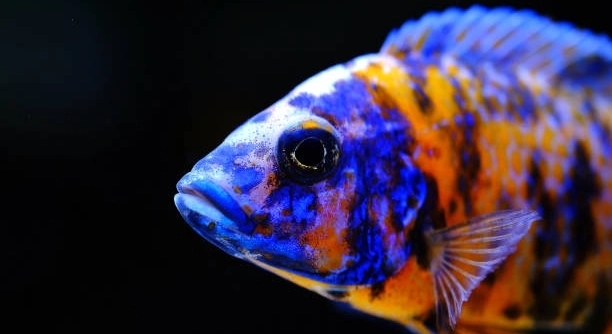
Convict cichlids are fascinating fish that show surprising care for their young. Observing them in aquariums can be both relaxing and educational. Their behaviors reveal how attentive and protective these parents can be toward their offspring.
Convict cichlids bond with their offspring through nest guarding, cleaning, guiding fry to food, displaying protective aggression, and engaging in coordinated parental care, ensuring higher survival rates and fostering strong early development in their young.
Learning these behaviors helps aquarists understand the fish’s natural instincts and improve the conditions for their young to thrive in captivity.
Nest Building and Guarding
Convict cichlids carefully select a flat, safe area to lay their eggs. Both parents work together to clean the spot, removing debris and algae to ensure the eggs remain healthy. Once the eggs are laid, the parents stand guard constantly, fending off other fish that may threaten their offspring. Their vigilance is intense, and they rarely leave the nest unattended. During this time, they may become more aggressive than usual, chasing anything that comes too close. This behavior is essential for the survival of the fry, as unprotected eggs are often eaten by other fish. Watching them can be surprisingly captivating, as their movements are precise, and their focus on their young is unwavering. The pair works in harmony, showing that both male and female roles are important for the early stages of life. Over time, they adjust their guarding techniques as the fry begin to move and explore the surroundings.
Nest building is a critical first step in ensuring the eggs’ safety and long-term survival.
As the eggs hatch, the parents continue their protective role, guiding the fry to safer areas and occasionally helping them avoid potential predators. They may nudge the young to keep them together or gently move them to areas with more food. This active participation helps the fry grow stronger, increasing their chances of reaching maturity.
Guiding and Teaching Fry
Parents lead their fry to food sources and safer areas, teaching survival skills that are vital in early life.
Guiding fry involves directing their movement, encouraging them to explore while staying safe. Parents may herd the young toward algae or small invertebrates. They often demonstrate feeding by example, showing the fry what is edible and where to find it. This behavior not only nourishes the fry but also teaches them essential survival strategies that will benefit them later. It is fascinating to watch the small, coordinated movements between parent and offspring as they navigate the tank together. The parents remain alert for threats, sometimes creating a barrier around the fry to protect them from larger fish. This constant interaction strengthens the bond between the cichlids and their young. Over time, the fry learn to respond to the parents’ signals, gaining confidence and independence in a safe environment. This careful guidance ensures the fry are not only fed but also learn how to thrive on their own.
Protective Aggression
Convict cichlids show strong aggression toward any perceived threat near their fry. This behavior is instinctive and helps keep predators and rival fish away from their young. Both parents participate, creating a protective zone that the fry can safely explore without fear.
The aggression is not random; it is carefully directed at specific intruders. When a fish or other animal approaches the nest or fry, the parents will chase it away with rapid movements and threat displays. This includes flaring fins, quick lunges, and short bites, all meant to discourage the intruder without causing severe harm. Over time, this protective aggression teaches the fry about potential dangers in their environment, giving them cues to recognize threats. It also reinforces the bond between parents, as they coordinate their defensive actions effectively.
This behavior also changes as the fry grow. Younger fry are kept tightly together, while older fry are allowed to explore more freely under parental supervision. The cichlids adapt their aggression based on the fry’s size, showing remarkable awareness of their offspring’s needs and developmental stages.
Coordinated Parental Care
Parents divide responsibilities, with one guarding the fry while the other searches for food or maintains the nest. This teamwork ensures constant protection and proper care.
Coordination is visible in their daily routines. One parent may lead the fry to feeding areas while the other remains near the nest, watching for danger. They switch roles regularly to maintain energy and focus, making sure neither parent becomes too exhausted to protect the young. Communication between the parents is subtle but effective, often involving body movements or brief gestures that direct attention to the fry or alert to threats. This shared approach improves survival rates and allows the fry to learn social and environmental cues efficiently.
Such teamwork highlights the parents’ intelligence and adaptability. The fry benefit from constant guidance and protection, while parents can manage their own needs without neglecting their young. Over time, this coordinated care helps the offspring grow stronger and more independent, ready to handle challenges on their own.
Cleaning and Maintenance
Convict cichlids constantly clean the nest and the area around their fry. Removing debris and leftover food prevents fungus and disease, keeping the eggs and fry healthy.
They also tidy the fry’s surroundings as they grow, encouraging safe movement and reducing stress. This behavior shows their attentiveness and instinctive care.
Teaching Survival Skills
Parents guide the fry through basic survival techniques, including finding food and avoiding threats. They may gently nudge or herd the fry to show which algae, small insects, or detritus are safe to eat. This hands-on teaching helps the young develop instincts they will rely on throughout life.
By repeatedly demonstrating behaviors, parents ensure the fry recognize danger and understand safe feeding habits. Observing these lessons reveals how convict cichlids balance protection with allowing independence. Over time, the fry learn to respond to threats, explore their environment confidently, and interact safely with other fish. This early training is crucial for their long-term survival and growth.
Fry Following Parents
Fry instinctively follow their parents, staying close for guidance and protection. This behavior strengthens their bond and improves safety.
FAQ
How do convict cichlids know when to start guarding their eggs?
Convict cichlids begin guarding their eggs immediately after they are laid. Both parents instinctively recognize the eggs as their own and focus on protection. This behavior is triggered by the presence of eggs in the nest, prompting them to clean the area, chase away intruders, and stay close. Guarding continues until the eggs hatch, ensuring maximum survival for the fry.
Can both parents guard at the same time?
Yes, both male and female convict cichlids actively guard their eggs and fry. They coordinate their efforts, with one sometimes watching the nest while the other leads fry to food or maintains the nest. This teamwork ensures continuous protection and improves the chances of the fry surviving early life stages.
What types of threats do convict cichlids protect their young from?
Convict cichlids protect their young from other fish, invertebrates, and anything that could disturb the eggs or fry. They show aggressive displays, chase intruders, and sometimes nip at smaller threats to keep them away. Their protective instincts are strongest during the first few days after hatching when the fry are most vulnerable.
How do parents guide the fry to food?
Parents lead the fry by swimming in front of them, nudging, or gently herding them toward edible areas. They show which algae, tiny insects, or detritus are safe to eat. This hands-on guidance teaches the fry to recognize safe food and avoid harmful items in their environment.
Do convict cichlids clean their fry like they clean the nest?
While they do not directly clean the fry, parents remove debris and leftover food near the fry. This keeps the area safe and reduces the risk of fungal infections or disease. Maintaining a clean environment indirectly protects the fry and promotes healthy growth.
How long do parents stay with the fry?
Convict cichlid parents stay with the fry until they are strong enough to survive independently, usually several weeks after hatching. During this time, they continue to guard, guide, and sometimes even teach survival skills. As the fry grow, parents gradually reduce their involvement, allowing the young to explore safely.
What happens if one parent dies or is removed?
If one parent is removed, the remaining parent usually takes on both guarding and guiding roles. This can be stressful for the single parent, but convict cichlids are highly adaptable and will continue caring for the fry alone if necessary. The survival rate may decrease slightly without coordinated care, but the parent’s instincts still ensure protection.
Can fry survive without guidance?
Fry can survive without parental guidance, but their survival rate is much lower. Parents teach them to find food, recognize threats, and navigate their environment safely. Without this guidance, fry are more likely to be stressed, unable to feed efficiently, or fall prey to other fish.
Why do parents show aggressive behavior even toward larger fish?
Aggression toward larger fish is a defensive instinct. Convict cichlids prioritize the safety of their eggs and fry over personal risk. They display flaring fins, lunges, and chasing behavior to intimidate intruders, which often works even against larger fish. This aggression is critical during early development stages.
How do parents communicate with their fry?
Communication is subtle but effective. Parents use body movements, positioning, and occasional nudges to guide the fry. Fry learn to recognize these signals and respond accordingly, following parents for protection, guidance, and feeding cues. This communication strengthens the parent-offspring bond and ensures coordinated care.
Do convict cichlids show bonding behaviors after fry become independent?
Once fry are independent, bonding behaviors naturally decrease. The parents’ focus shifts from protection to self-maintenance and potential future reproduction. However, during the weeks of active care, strong bonds form, reflected in coordinated actions, constant guidance, and protective behaviors.
Is it common for convict cichlids to have multiple broods in a season?
Yes, convict cichlids often produce several broods in a single breeding season. Parents typically guard and guide each set of fry diligently, though energy and intensity may vary between broods. Multiple broods increase the chances of successful reproduction despite natural threats in their environment.
Can environmental factors affect parental care?
Yes, water quality, tank size, and stress levels can affect parental care. Poor water conditions may reduce guarding efficiency or increase fry vulnerability. Providing a stable environment ensures parents can focus on protection, cleaning, and guiding their young effectively.
Do parents teach social behaviors to their fry?
Indirectly, yes. By observing parents’ interactions with each other and other fish, fry learn about territory, dominance, and threat recognition. These early lessons influence their behavior as they grow, helping them navigate social structures and avoid conflict.
Are there differences in how male and female parents bond with fry?
Males often focus on territorial defense and chasing threats, while females tend to guide fry and manage feeding. Both roles are crucial, and the balance can shift depending on the environment or number of fry. Cooperation ensures the offspring receive full protection and guidance.
How can I support convict cichlids in bonding with their offspring in a tank?
Provide a calm, stable environment with hiding spots, clean water, and minimal disturbances. Avoid introducing aggressive fish, maintain proper temperature and pH, and supply suitable food. These conditions allow parents to focus on guarding, guiding, and teaching their fry without distraction or stress.
Do convict cichlids ever fight their own fry?
Aggression toward their own fry is extremely rare. Parents instinctively recognize and protect their offspring. Any accidental harm usually occurs if the fry stray into a dangerous area or if the parent is stressed. Under normal conditions, the bond ensures careful handling of the young.
Can I separate fry from parents too early?
Separating fry too early can reduce survival rates. Fry benefit from guidance, protection, and learning from parents. Only remove fry once they are large enough to feed independently and navigate the tank safely. Premature separation increases stress and risk of disease or predation.
How quickly do fry learn from parents?
Learning begins immediately after hatching. Fry observe and imitate parents, responding to guidance and threat signals within days. The pace depends on the number of fry, tank environment, and parental attentiveness. Early learning improves survival and helps fry develop proper feeding and avoidance behaviors.
Is parental care instinctive or learned?
Parental care in convict cichlids is largely instinctive. Both male and female exhibit guarding, cleaning, guiding, and teaching behaviors without prior experience. Environmental factors may influence intensity, but the basic care routines are hardwired for survival success.
Do parents ever abandon their fry?
Abandonment is uncommon but can occur under extreme stress, poor water conditions, or if one parent is killed. Typically, both parents remain attentive until fry are independent. Ensuring a stable environment minimizes risk and encourages consistent care.
Can observing parental care improve my fishkeeping skills?
Yes. Watching how convict cichlids guard, guide, and clean teaches about fish behavior, tank management, and environmental needs. Understanding these behaviors helps aquarists create conditions that support natural instincts and increase survival and growth of the fry.
What is the most important aspect of convict cichlid bonding?
The strongest bond is created through consistent protection and guidance. Guarding, teaching feeding habits, and leading fry to safe areas ensure survival and help the young develop necessary skills for independence. This instinctive care forms the foundation of their parent-offspring relationship.
How long does it take for fry to become independent?
Fry typically become independent several weeks after hatching. During this period, they gradually follow parents less, learn to find food on their own, and explore the tank safely. Independence is a gradual process guided by both learning and growth.
Do parents respond differently to large versus small fry?
Yes, smaller fry receive tighter supervision and more nudging to keep them safe. Larger fry are allowed more freedom while still being guided and protected. Parental behavior adjusts based on fry size, showing adaptability in their care strategies.
Can tank setup influence bonding?
A tank with hiding spots, open swimming areas, and clean water encourages natural bonding. Parents can guard, guide, and teach fry without interference. Poor setup may increase stress and reduce the effectiveness of parental care.
Are convict cichlids attentive to every fry equally?
Parents usually focus on the majority of fry, though some may stray or lag behind. Most attention goes to keeping fry together, guiding them to food, and protecting them from threats. Less active fry may need closer supervision but overall care remains consistent.
How do parents react if fry are threatened by other species?
They respond quickly with aggressive displays, chasing, and positioning between the fry and the threat. Their protective instincts are strongest during early development, ensuring minimal risk to the young.
Do parents ever show play-like behavior with fry?
While not play in the human sense, nudging, herding, and guiding can appear interactive. These actions teach survival skills while keeping fry engaged and safe. The interaction strengthens bonds and helps fry learn essential behaviors.
Can multiple pairs of convict cichlids share a tank without conflict?
It is possible if the tank is large with sufficient hiding spots, but conflicts may arise over territory or fry. Parents are naturally territorial, and overlapping nesting areas can lead to aggression. Careful planning reduces stress and preserves bonding behavior.
How can I tell if parental care is effective?
Effective care is shown by fry staying close, feeding successfully, and avoiding harm. Healthy growth, minimal disease, and coordinated parental behavior indicate strong bonding and proper protection.
What happens if the tank is disturbed during parental care?
Disturbances increase stress and may temporarily reduce guarding or feeding guidance. Parents may become more aggressive or move fry to safer areas. Minimizing interference ensures consistent bonding and care.
Do parents remember their fry?
Convict cichlids recognize their own fry through instinctive cues rather than long-term memory. They respond to their eggs and young actively but will not show the same bond with unrelated fry.
Can parental care influence fry behavior as adults?
Yes. Fry learn feeding, threat response, and social cues from their parents. These early experiences shape confidence, survival skills, and social interactions later in life.
How important is water quality for bonding?
High water quality supports health and reduces stress, allowing parents to focus on protection and guidance. Poor water conditions can disrupt bonding, increase aggression, and compromise fry survival.
Are some parents more attentive than others?
Yes, individual temperament, experience, and environment influence attentiveness. Some parents guard more closely, clean more frequently, or guide fry more actively. However, most show basic instincts sufficient to ensure fry survival.
Can I enhance parental care by adjusting diet?
Providing high-quality, protein-rich food supports energy levels for guarding, guiding, and cleaning. Well-fed parents maintain consistent care, improving fry survival and growth.
Do parents communicate danger differently with older fry?
Yes, older fry respond to subtler signals, while younger fry may need nudges or closer supervision. Parents adjust their communication based on fry maturity and responsiveness.
Is parental bonding unique to convict cichlids?
While convict cichlids are highly attentive, many cichlid species show similar parental care. Bonding behaviors, including guarding, guiding, and cleaning, are common among species that protect their fry actively.
Can stress affect bonding intensity?
High stress, overcrowding, or poor conditions reduce attentiveness. Parents may become aggressive or neglect guidance. Stable environments encourage strong, consistent care and stronger parent-fry bonds.
Do parents use visual cues to monitor fry?
Yes, parents track fry movements constantly. They respond to straying, feeding, or threats, adjusting behavior to ensure safety. Visual monitoring is key to effective protection and guidance.
Are bonding behaviors more evident in home tanks or natural habitats?
Bonding behaviors are natural in both settings. In home tanks, behaviors may appear more noticeable due to controlled conditions and reduced threats. In the wild, vigilance is balanced with environmental challenges.
Can parental care prevent disease in fry?
Indirectly, yes. Cleaning the nest, guiding fry to safe areas, and maintaining good water conditions reduce exposure to harmful pathogens, supporting healthy development.
How long do parents actively teach fry?
Active teaching usually lasts the first few weeks post-hatching. During this time, parents guide feeding, safety, and movement until fry gain independence and confidence.
Do parents recognize individual fry?
Parents focus on the group rather than individual fry. Protection and guidance are applied collectively, ensuring overall survival rather than targeting specific offspring.
Is it normal for fry to ignore parents occasionally?
Yes, as fry grow, they test independence by exploring further. Parents adjust by guiding or nudging when needed, balancing freedom with protection.
Do parents ever fight over fry care?
Disagreements can occur, but typically parents coordinate efficiently. Each parent assumes complementary roles, minimizing conflict while maximizing fry survival.
Can lighting affect bonding behavior?
Moderate lighting allows parents to monitor fry effectively. Extremely bright or dim conditions may stress them or reduce visibility, impacting guarding and guidance efficiency.
Are there signs that parents are stressed?
Erratic movements, over-aggression, or neglecting fry indicate stress. Addressing water quality, tank size, or disturbances can restore normal bonding behavior.
Do parents teach spatial awareness to fry?
Yes, leading fry around the tank, showing safe hiding spots, and herding them improves spatial skills. This prepares fry for exploration and threat avoidance independently.
Can observing fry response indicate parental care quality?
Yes. Fry that follow, feed properly, and react to threats reflect strong guidance and effective parental care. Poor responses suggest adjustments may be needed in the environment or parent support.
How do parents balance self-care and fry care?
By alternating guarding, feeding, and nest maintenance, parents ensure their own energy levels while providing continuous protection and guidance for fry. This balance is critical for long-term survival.
Is parental care instinctive in first-time parents?
Yes, even first-time parents show guarding, cleaning, and guiding behaviors without prior experience. Instinct ensures fry survival regardless of parent experience.
Can temperature changes affect bonding?
Extreme temperature fluctuations can stress parents, reduce activity, or slow fry development. Stable temperatures support attentive care and normal bonding behaviors.
Do parents respond differently to male and female fry?
No, parental care is applied equally to all fry, focusing on survival and development rather than sex.
How important is hiding space for bonding?
Hiding spots allow fry to explore safely while parents monitor them. Adequate shelter reduces stress, prevents escapes, and supports effective guidance.
Do parents exhibit any signs of fatigue during care?
Yes, parents may rest briefly or switch roles to maintain energy. Alternating responsibilities ensures consistent care without exhaustion.
Are bonding behaviors affected by tank size?
Smaller tanks may limit movement and increase stress, impacting guidance and protection. Larger tanks allow natural behaviors and better parent-fry interaction.
Can parental care influence fry survival in aggressive community tanks?
Yes, attentive parents can mitigate risk from aggressive fish by constant monitoring and herding. However, highly aggressive neighbors may still reduce survival despite parental effort.
Do parents ever abandon a portion of the fry?
Rarely, only under extreme stress or resource limitation. Typically, all fry receive attention until independence.
How can I tell if fry are thriving under parental care?
Thriving fry stay close to parents, feed actively, grow steadily, and show minimal signs of stress or disease. This reflects effective bonding and proper parental attention.
Do parents respond differently if the fry are hungry?
Yes, they lead fry to food and demonstrate feeding behavior. Attentive parents adjust guidance based on fry hunger cues, ensuring proper nourishment.
Is bonding stronger during the first brood of the season?
Often, parents may be more attentive with the first brood, but instinctive behaviors remain strong throughout multiple broods. Energy allocation may vary depending on environmental conditions.
Can water movement affect bonding?
Strong currents may make guarding or guiding more difficult, requiring extra effort from parents. Gentle flow supports normal parental behavior and fry safety.
Do parents ever show nurturing behaviors toward unrelated fry?
Generally no. Instinct drives care toward their own offspring, with limited attention to unrelated young unless mistaken or in unique circumstances.
Are all convict cichlid parents equally attentive?
No, individual temperament, health, and experience affect attentiveness. Some parents guard more aggressively, while others focus on guidance and cleaning.
Can observing parental care improve breeding success?
Yes, understanding natural behaviors helps aquarists create conditions that support instinctive care, increasing fry survival and overall reproductive success.
How long should I observe bonding behaviors to understand them fully?
Several weeks post-hatching is ideal, covering guarding, guiding, cleaning, and gradual independence. This period shows the full range of parental care and bonding.
Do parents show protective behavior after fry leave the nest?
Once fry are independent, protective behavior decreases. Parents shift focus to self-care or new broods, although prior bonds influenced fry development.
Is bonding affected by tank decorations?
Yes, obstacles and hiding spots influence fry movement and parental monitoring. Proper arrangement allows natural guidance, safe exploration, and effective protection.
Can lighting cycles influence bonding behaviors?
Natural day-night cycles help maintain activity patterns. Consistent lighting supports feeding, guarding, and guidance routines. Disrupted cycles may reduce attentiveness.
Do parents ever teach feeding techniques directly?
Yes, leading fry to food, demonstrating edible items, and nudging them to try new sources are ways parents teach feeding behaviors.
How do parents react to environmental changes?
They become more cautious, may adjust guarding patterns, or move fry to safer areas. Rapid adaptation ensures continued protection despite changes.
Is bonding instinctive in older cichlids?
Yes, even older fish retain the instinct to guard, guide, and protect fry. Experience may improve efficiency, but core behaviors remain.
Do parents use scent cues to recognize fry?
Primarily visual and behavioral cues are used. Scent may play a minor role, but instinctive recognition ensures care is applied to their own offspring.
Are fry survival rates higher with both parents?
Yes, dual parental care significantly increases survival. Coordinated guarding, guiding, and cleaning reduce threats and improve feeding efficiency for the young.
How do parents respond to illness in fry?
They may isolate sick fry or focus protection more carefully. Parental instincts prioritize the healthiest and most viable offspring for long-term survival.
Do parents interact differently with first-time versus experienced fry?
Experience may make parents more efficient at guiding and guarding, but instinct ensures that first-time parents still provide adequate care.
Can observing parental care help identify stress in the tank?
Yes, changes in guarding, aggression, or guidance behavior often indicate water quality issues, overcrowding
Convict cichlids show a remarkable ability to bond with their offspring. From the moment eggs are laid, both parents are actively involved in protecting, guiding, and teaching their young. This instinctive behavior ensures that the fry have the best chance of survival. Parents guard the nest diligently, chase away threats, and maintain a clean environment to reduce the risk of disease. They also lead the fry to food and show them what is safe to eat. Watching these behaviors closely reveals just how much effort and coordination are involved in raising healthy young. Their dedication is consistent, and both male and female parents play important, complementary roles that support the growth and development of their offspring. This level of care is impressive and shows that convict cichlids are highly attentive and capable parents in the aquarium setting.
The interaction between parents and fry is not only protective but also educational. Fry learn essential skills by following and observing their parents. They quickly pick up feeding habits, learn how to respond to threats, and gradually gain confidence to explore their surroundings safely. The nudges, herding, and gentle guidance from parents teach the fry how to navigate their environment. Over time, this guidance allows the fry to become more independent while still staying within the safety of parental oversight. Even subtle behaviors, like how parents position themselves relative to the fry, demonstrate the careful monitoring that occurs. The bond between parents and fry is strengthened through these repeated interactions, which also highlights the natural intelligence and adaptability of convict cichlids. Their behaviors provide insight into how fish can balance protection, teaching, and the gradual release of independence as young grow stronger.
Maintaining a proper environment is essential to support these natural bonding behaviors. Stable water conditions, a clean tank, and adequate hiding spaces allow parents to focus on raising their young without unnecessary stress. Disturbances, poor water quality, or overcrowding can affect how effectively parents guard, guide, and teach their fry. By observing these behaviors, aquarists can better understand the needs of both parents and fry, which improves survival rates and overall well-being. Providing the right food, appropriate tank layout, and minimal interruptions encourages convict cichlids to display their natural instincts fully. Recognizing and supporting these behaviors also helps create a balanced aquarium ecosystem, where the fry can grow healthy and confident while the parents remain capable of fulfilling their roles. This combination of instinct, care, and a supportive environment makes convict cichlids an interesting species to observe and a clear example of parental dedication in the fish world.

Hello,
If you enjoy the content that we create, please consider saying a "Thank You!" by leaving a tip.
Every little bit helps us continue crafting quality advice that supports the health, happiness, and well-being of pets around the world, for pets of all shapes, sizes, and species.
We really appreciate the kindness and support that you show us!