
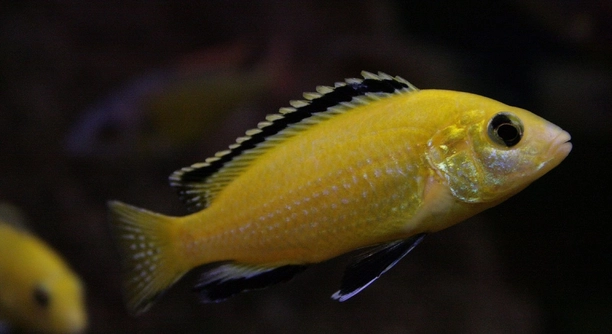
Cichlids are vibrant and active fish that display unique behaviors in their aquariums. Observing them can be fascinating, especially when they feel secure and unstressed in their environment. Their use of space reflects comfort and natural instincts.
When unstressed, cichlids use space strategically for feeding, resting, exploring, establishing territories, interacting socially, and displaying courtship behaviors. Proper aquarium design and environmental enrichment support these behaviors, allowing cichlids to maintain physical health and psychological well-being.
Understanding how cichlids occupy their environment provides insights into their behavior and helps maintain a balanced, thriving aquarium ecosystem.
Exploring Open Areas
Cichlids often use open areas in the tank for swimming freely and exercising their bodies. These spaces allow them to move without obstruction, reducing stress and encouraging natural behaviors. Observing them glide through open water reveals their confidence and comfort in the environment. Open areas also help maintain social hierarchies, as dominant and subordinate fish can navigate without constant confrontation. A tank without sufficient open space can lead to tension and limit natural movement. Providing a balance of open water and hiding spots encourages both exploration and security. Open areas are particularly important for active species that spend most of their time swimming. By allowing unrestrained movement, cichlids can display their full range of colors and behaviors. In addition, swimming in open areas aids in digestion and muscle development, supporting overall health. Regularly cleaning these areas keeps the water clear and encourages the fish to continue using them regularly.
Open areas support activity, confidence, and proper health, making them essential for a well-maintained cichlid aquarium.
Balancing open spaces with strategic decorations helps cichlids thrive. Rocks, plants, and driftwood can create boundaries while leaving room for free swimming. Observing their patterns shows which areas they prefer and how they interact with tankmates. This knowledge allows adjustments to improve their comfort and encourage natural behavior. Overcrowding or cluttered setups can lead to hiding or aggression, while open swimming areas reduce tension and promote social harmony. Ensuring multiple swimming zones prevents territorial disputes and lets all fish access preferred spots. Even small changes, like moving decorations slightly, can impact how cichlids use space. Monitoring their behavior regularly helps identify preferences and stress signals. Each species may have unique spatial needs, so understanding them is key. Proper lighting, water quality, and tank size further influence how often and confidently cichlids use open areas. Prioritizing both freedom and security creates a healthy environment that reflects natural habitats and promotes long-term well-being.
Utilizing Hiding Spots
Hiding spots provide cichlids with safety and comfort. They use caves, plants, and rocks to retreat when needed, lowering stress and supporting natural instincts.
Cichlids rely on these shelters to feel secure, especially during breeding or aggressive interactions.
Providing multiple hiding areas throughout the tank encourages exploration and reduces conflicts. Fish can claim spots as territories, establishing a sense of ownership that supports social structure. Hiding spots also help newly introduced cichlids acclimate, offering a safe retreat until they adapt. Using natural materials like driftwood and rock formations creates realistic environments while preventing overcrowding. Plants add both shelter and visual enrichment, allowing fish to weave through and feel protected. Observing which spots are preferred helps identify dominant and subordinate fish, ensuring all have access to safe zones. Maintaining clean hiding spots is crucial, as buildup of debris or algae can deter usage. Properly designed shelters mimic natural habitats, reducing stress and promoting natural behaviors like resting, feeding, and breeding. By carefully planning these areas, the tank becomes a balanced environment that accommodates movement, security, and social interaction, fostering healthier and more confident cichlids.
Patrolling Territories
Cichlids regularly patrol their territories to establish dominance and maintain security. This behavior is consistent in unstressed fish, showing confidence and familiarity with their environment. Patrolling also allows them to monitor resources and interact with other tank inhabitants without aggression.
Territory patrolling involves consistent swimming along borders and around hiding spots. Fish mark their areas through subtle displays, coloration, and fin movements. This behavior reduces conflicts by signaling ownership and preventing surprise encounters. Dominant cichlids may patrol more frequently, while subordinates observe and adjust their movement accordingly. Regular patrolling helps maintain social hierarchies and supports mental stimulation, keeping the fish engaged. Observing these patterns provides insight into which areas are most valued and how cichlids balance security with exploration. Proper tank layout encourages natural patrol routes, allowing fish to feel secure while interacting with their environment.
Patrolling also helps in feeding routines and locating mates. Fish often pass through key areas regularly, reinforcing memory of safe zones. This repetition fosters comfort and reduces stress while supporting healthy interactions.
Social Interactions
Cichlids engage in consistent social interactions to reinforce bonds, establish hierarchies, and coordinate activities. These behaviors occur naturally when fish feel secure and unstressed.
Social interactions include displays, gentle chasing, and synchronized swimming. Observing these actions shows the fish’s comfort and adaptability within the group. Confident cichlids communicate through body posture and color changes, signaling intentions without unnecessary aggression. Interactions help reduce tension by clarifying status, providing structure within the tank. Regular social behavior strengthens relationships and encourages cooperation during feeding or breeding. Fish may also observe each other to learn routines and preferred spaces, enhancing overall tank harmony. Social engagement is essential for mental stimulation, preventing boredom and promoting natural behavior patterns. Providing adequate space, hiding spots, and open areas allows these interactions to occur smoothly.
Well-planned tank setups support diverse social behavior. Fish can display dominance, court mates, and establish bonds without excessive stress. Monitoring interactions helps prevent disputes and ensures all fish feel secure. Proper environmental enrichment encourages natural communication, while overcrowding can hinder social behaviors. Observing how fish respond to one another informs adjustments to décor and territory boundaries. Maintaining balanced populations and adequate space reduces tension and promotes peaceful coexistence. Regular observation ensures social dynamics remain healthy and fosters a thriving, active aquarium where cichlids can express natural behaviors freely.
Feeding Zones
Cichlids use specific areas in the tank for feeding, often returning to the same spots consistently. These zones provide a sense of security while allowing them to access food without interference from other fish.
Establishing feeding zones reduces stress and encourages natural foraging behavior. Fish feel confident knowing where to find meals, which helps maintain health and growth. Proper placement of food and minimal competition ensures all fish benefit, supporting balanced nutrition and stable social dynamics.
Breeding Areas
Cichlids select certain spaces for breeding, usually near rocks, caves, or plants. These areas provide shelter for eggs and fry, protecting them from disturbances. Choosing secure locations reflects instinctive behavior, ensuring safety and successful reproduction in a stable environment.
Resting Spots
Cichlids frequently use quiet, sheltered areas to rest and regain energy. These spots offer protection from strong currents or bright lighting.
How much space do cichlids need in a tank?
Cichlids require enough room to swim freely and establish territories. Depending on the species, a single adult may need at least 30 gallons, while larger species or groups need much more. Providing adequate space prevents stress, reduces aggression, and encourages natural behaviors like patrolling, social interaction, and exploration.
What types of hiding spots are best for cichlids?
Rocks, caves, and dense plant clusters work well as hiding spots. These shelters offer security during rest, breeding, and social interactions. Using natural materials creates realistic environments and prevents overcrowding. Observing which spots are preferred helps determine how fish feel about tank layout and security.
How do I balance open swimming areas with decorations?
Arrange decorations along the edges or corners of the tank, leaving central zones open for free swimming. This setup encourages exercise while providing boundaries for territorial fish. Monitoring fish movement and adjusting decorations ensures open spaces are used without causing conflict among tankmates.
How often should I change the layout of hiding spots?
Frequent changes are unnecessary and may stress fish. Minor adjustments occasionally can stimulate exploration, but the core structure should remain stable. Consistency allows cichlids to patrol confidently, maintain territories, and use feeding and breeding areas effectively.
Can cichlids coexist in the same tank without conflict?
Yes, if tank size, hiding spots, and territories are sufficient. Social structure and species compatibility are important. Avoid overcrowding, monitor behavior, and separate aggressive individuals if necessary. Adequate resources, space, and observation help maintain harmony and reduce stress.
Do cichlids prefer resting in groups or alone?
Resting behavior varies by species and social rank. Some cichlids prefer solitude in sheltered areas, while others rest near companions for security. Providing multiple resting spots ensures all fish feel safe, reducing tension and supporting overall health and comfort.
How can I tell if a cichlid is stressed?
Signs include hiding excessively, losing color, refusing food, or showing aggression outside normal patterns. Stress can result from overcrowding, poor water quality, or insufficient space. Observing regular behaviors like swimming, patrolling, and social interactions helps identify deviations indicating stress.
Do breeding areas need special maintenance?
Yes, breeding areas should be clean and stable. Avoid disturbing rocks, caves, or plants near eggs and fry. Stable water parameters and low disturbance encourage successful spawning and fry survival. Proper maintenance ensures these areas remain safe and attractive for reproduction.
How does social interaction affect cichlid health?
Active social behavior reduces boredom, reinforces hierarchy, and prevents excessive aggression. Fish that interact naturally through displays, gentle chasing, and synchronized swimming show lower stress levels. Providing enough space and hiding spots allows these interactions to occur smoothly.
Can cichlids adjust to new tankmates easily?
Adjustment depends on species compatibility, tank size, and individual temperament. Introducing fish gradually and providing hiding spots helps reduce stress. Observing early behavior allows intervention if aggression arises. Proper planning promotes coexistence and encourages natural use of space.
What role do feeding zones play in behavior?
Designated feeding areas help cichlids feel secure while eating and reduce competition. Consistency in feeding spots encourages predictable routines and natural foraging behaviors. Multiple feeding zones prevent dominant fish from monopolizing resources and maintain group harmony.
Are there signs that a cichlid is using space effectively?
Yes, confident swimming in open areas, regular patrolling of territories, use of hiding spots, and interaction with tankmates indicate proper space utilization. Healthy fish move freely, engage socially, and exhibit normal feeding and resting behaviors. Regular observation helps confirm effective use of space.
How important is water quality for space-related behavior?
Water quality directly affects movement, social interaction, and stress levels. Poor conditions can cause lethargy, aggression, or hiding. Clean, well-filtered water ensures cichlids feel secure in their environment and encourages natural use of swimming, resting, and breeding areas.
Can environmental enrichment influence how cichlids use space?
Yes, adding rocks, plants, and varied substrates provides stimulation and encourages exploration. Enrichment helps fish establish territories, discover hiding spots, and engage in natural behaviors. A diverse environment supports mental health and reduces signs of stress.
How do lighting and temperature affect space utilization?
Proper lighting and stable temperature encourage normal swimming patterns and territory use. Bright, consistent light highlights open areas, while shaded spots under decorations offer resting zones. Maintaining appropriate conditions ensures cichlids feel safe and active throughout the tank.
How can I monitor interactions to ensure harmony?
Observe body language, chasing frequency, and color changes. Healthy interactions involve displays and minor adjustments without constant aggression. Ensure all fish have access to open areas, hiding spots, and feeding zones to maintain balanced social dynamics.
Do juvenile cichlids use space differently than adults?
Juveniles often stay closer to shelters and open areas for protection, while adults patrol territories and dominate feeding zones. Providing a variety of spaces allows all age groups to feel secure and express natural behaviors. Observing patterns helps adjust tank setup for multiple life stages.
Can rearranging the tank cause stress?
Yes, sudden changes can disorient fish and disrupt established territories. Minor adjustments are acceptable, but core structures should remain consistent. Observing reactions after changes ensures fish adapt without prolonged stress, maintaining healthy behavior and spatial use.
How often should I observe cichlid behavior?
Regular daily observation helps track swimming patterns, territory use, and social interactions. Monitoring ensures early detection of stress, aggression, or health issues. Consistent observation allows timely adjustments to environment, feeding routines, and tank layout to maintain comfort and well-being.
What is the most effective way to support natural behaviors in cichlids?
Provide ample open swimming areas, multiple hiding spots, structured territories, and proper feeding zones. Maintain water quality, stable lighting, and temperature. Observation and gradual adjustments create a balanced environment where cichlids express natural behaviors confidently.
Caring for cichlids involves more than just feeding and maintaining clean water. Observing how they use space can tell you a lot about their health and comfort. When cichlids feel secure, they display natural behaviors such as patrolling territories, using hiding spots, and interacting with other fish. Providing open swimming areas allows them to move freely, explore their environment, and engage in exercise that supports physical health. Without enough room or with overcrowded conditions, fish may become stressed, hiding excessively or displaying aggressive behaviors. Paying attention to how they navigate their tank helps identify if changes are needed to improve their environment and overall well-being.
Hiding spots play a crucial role in a cichlid’s daily life. Rocks, caves, and plant clusters offer safe areas where they can rest, retreat from aggression, or prepare for breeding. Even fish that appear confident still need shelters to feel secure. Properly placed hiding spots reduce stress and encourage natural behaviors, allowing both dominant and subordinate fish to coexist peacefully. Social dynamics are also influenced by space and hiding areas. Fish use these areas to define territories, avoid unnecessary conflict, and establish a balance within the tank. Observing their preferences can help determine whether your layout supports comfort and healthy social behavior. Adjustments in décor, placement of shelters, or open areas can improve interactions and reduce stress, fostering a stable and thriving aquarium.
Maintaining a well-structured environment benefits both physical and psychological health for cichlids. Open swimming areas, feeding zones, resting spots, and breeding areas all serve specific purposes that encourage normal behavior and reduce tension. Environmental enrichment, such as plants and rocks, provides stimulation while maintaining safe boundaries. Regular observation is important to notice changes in behavior, feeding patterns, or social interactions, as these can indicate stress or health issues. Stability and consistency in tank layout are also key, as sudden changes can cause confusion and disrupt established routines. By understanding how cichlids use their space and supporting their natural behaviors, you can create an aquarium that promotes long-term well-being, reduces aggression, and allows your fish to thrive in a secure and stimulating environment.

Hello,
If you enjoy the content that we create, please consider saying a "Thank You!" by leaving a tip.
Every little bit helps us continue crafting quality advice that supports the health, happiness, and well-being of pets around the world, for pets of all shapes, sizes, and species.
We really appreciate the kindness and support that you show us!