
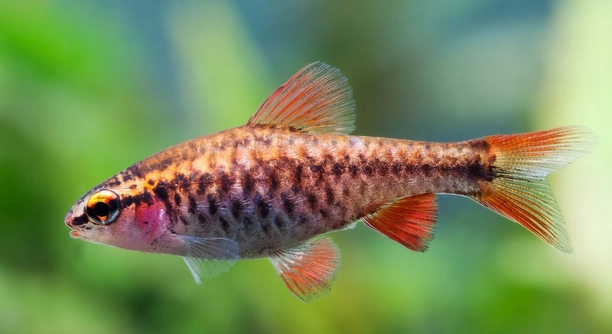
Cherry barbs are small, colorful fish that can communicate with each other in unique ways. Understanding their body language can help aquarists better care for them. This article explores seven key ways these fish interact with their surroundings.
Cherry barbs use body language to communicate through a variety of actions such as fin displays, chasing, and body posture. These behaviors help express aggression, dominance, or attraction. Observing these signals is essential for understanding their social interactions.
By learning how cherry barbs express themselves, you can better recognize their needs and prevent conflicts in your aquarium. Their behaviors are not just random but rather meaningful signs of their emotional states.
1. Fin Flicking as a Sign of Aggression
When cherry barbs flick their fins quickly, it often signals aggression or discomfort. This behavior is common when they feel threatened or need to establish dominance. It’s not always a serious sign of conflict, but it’s a way for them to assert themselves. If you’re keeping multiple fish together, noticing these flicks can help prevent any aggressive interactions from escalating.
Fish display this behavior when they’re not happy with their space or if another fish has entered their territory. It’s especially common during breeding seasons when males try to impress females, or during fights over space. Pay attention to the speed and intensity of the flicks, as these can indicate how severe the issue is.
If the flicking increases, it could be a signal that one or more of your fish need more space or better hiding spots. It’s helpful to monitor your tank’s setup to make sure each fish has enough room to move freely without feeling stressed. Addressing these behaviors early on can help avoid more serious aggression down the line.
2. Swimming in Circles
Swimming in circles can indicate that a cherry barb is either bored or stressed. This behavior is commonly seen when the fish are kept in tanks that are too small. In some cases, it may also happen if the water quality is poor, or if there are not enough hiding spots for the fish to feel secure.
When cherry barbs swim in repetitive patterns, it’s important to check their environment. A larger tank with more plants and hiding spaces can reduce stress. Keeping your water quality high by maintaining regular water changes is also key to a healthy tank. Stress can lead to health problems over time, so understanding this behavior is crucial.
3. Lateral Compression as a Sign of Discomfort
When a cherry barb compresses its body laterally, it may feel threatened. This behavior is often used to make the fish appear smaller and less noticeable, especially if it is in a stressful situation. It is a natural response to feeling unsafe.
You might notice this behavior when there are too many fish in the tank or if there are aggressive species nearby. The fish will swim close to plants or rocks to hide and avoid being seen. This position is an instinctive way for the fish to protect itself by blending in with the environment. Keep an eye on how often it happens to ensure your fish aren’t constantly stressed.
If you see this behavior regularly, it could be a sign of overcrowding or poor tank conditions. Moving fish around or changing the tank’s layout may help them feel more secure. This is a simple yet important way to make sure your fish are comfortable.
4. Displaying Bright Colors for Attraction
Cherry barbs can display vibrant colors as part of their courtship rituals. Males, in particular, intensify their colors to attract females during breeding seasons. This behavior is a clear sign of the fish’s readiness to mate.
If you observe brightening in the males’ colors, it’s often a good sign that they are trying to impress a female or compete with other males. This display of color is part of their natural mating ritual and is a sign of good health and vitality. It’s important to note that during these times, males may become more active and chase females around the tank.
While this behavior is part of their natural cycle, it can also be triggered by environmental factors such as light changes or water quality improvements. Ensuring that your tank mimics the fish’s natural habitat can encourage this vibrant display, which is a beautiful part of their communication. Keep in mind that such displays are usually harmless and can be a sign of healthy fish.
5. Nipping as a Sign of Territory Defense
Cherry barbs may nip at each other when they feel their space is being invaded. This is especially common among males during breeding periods or when a new fish enters the tank. It’s a way for the fish to protect its territory.
This behavior can escalate if fish feel crowded or stressed, but it’s typically brief. It’s essential to watch for signs of aggression, as constant nipping can lead to injury. Providing enough space and hiding spots for each fish can minimize territorial disputes. Ensuring a peaceful environment can help reduce unnecessary stress.
6. Slow, Relaxed Swimming
When cherry barbs swim slowly and gracefully, it indicates they are calm and comfortable. This behavior shows they feel safe in their environment, which is vital for their overall well-being. Slow swimming is a good sign of a healthy, stress-free fish.
This relaxed movement is often seen when the fish are not under threat, and water conditions are ideal. When you notice this behavior, it means your fish are in a stable and secure environment. If this slows down significantly, it might indicate that the water quality or tank conditions need attention.
7. Chasing as a Sign of Play or Competition
Chasing among cherry barbs can often be playful, especially among males competing for attention. This behavior is commonly seen during mating seasons when males attempt to show off or outpace one another. It is part of their natural social interaction.
Chasing can sometimes be mistaken for aggression, but it’s often a way for the fish to establish dominance or compete for a mate. It’s typically harmless unless it leads to stress or injury. To prevent this, make sure your tank provides enough hiding spaces for each fish.
FAQ
How can I tell if my cherry barbs are stressed?
Stressed cherry barbs often display signs such as rapid swimming, hiding frequently, or changes in color. If you notice them swimming erratically or pressing their bodies against objects in the tank, they may be feeling anxious. Stressed barbs might also lose their vibrant colors or display a pale appearance. Poor water quality, overcrowding, and aggressive tankmates are common causes of stress. Keeping a close eye on their behavior and ensuring they have enough space and hiding spots can help ease their stress. Regular water changes and proper tank maintenance are essential in preventing these stressors.
Do cherry barbs need to be kept in schools?
Yes, cherry barbs are social fish that thrive when kept in schools. Keeping them in groups of at least 5 to 6 helps reduce stress and encourages natural behaviors, such as swimming together and forming social bonds. If kept alone or in small groups, they may become stressed and more prone to health issues. A well-sized school also minimizes territorial aggression, especially among males. In a school, cherry barbs are more relaxed and will display more of their natural, vibrant behaviors. A larger group also increases the chances of successful breeding if that’s of interest.
What can I do if my cherry barbs are fighting?
If cherry barbs are fighting, it’s usually a sign of territorial disputes or dominance battles, especially among males. Adding more hiding spots or rearranging the tank layout can help reduce aggression. Increasing the number of cherry barbs in the tank might also reduce fighting, as it spreads out the aggression. If the fighting persists, it might be necessary to separate aggressive individuals into different tanks or use a tank divider. Monitoring water quality and ensuring the tank is large enough for all the fish can also help prevent ongoing conflicts.
Why do my cherry barbs chase each other around the tank?
Chasing among cherry barbs is a common behavior, often associated with mating or establishing dominance. Males will chase each other to compete for the attention of females, especially during the breeding season. This is natural and typically harmless, though it can sometimes appear aggressive. If the chasing turns into constant harassment or stress, providing more hiding spaces and rearranging tank decorations can help reduce the behavior. Keep an eye out for any signs of injury or stress, and make sure the tank is large enough to give the fish plenty of space to move around.
How can I prevent cherry barbs from becoming too aggressive?
To prevent aggression, make sure your tank is appropriately sized and includes plenty of plants, rocks, and hiding spots. Cherry barbs are less likely to be aggressive if they feel secure and have their own space. Keep a larger school of fish, as they tend to be calmer in groups. Avoid overcrowding, and ensure good water quality with regular maintenance. It’s also important to house cherry barbs with peaceful tankmates that won’t trigger aggression. Avoid placing them with overly aggressive species, as this can cause unnecessary stress and lead to territorial behaviors.
How can I encourage my cherry barbs to display bright colors?
Cherry barbs will display brighter colors when they are healthy, comfortable, and in ideal tank conditions. To encourage this, provide them with a balanced diet, clean water, and plenty of hiding spots. Male cherry barbs, in particular, brighten their colors during breeding seasons to attract females. Ensuring that your tank has proper lighting and a well-maintained environment also helps enhance their natural color displays. If your cherry barbs are not showing bright colors, check for stressors like poor water quality or overcrowding, as these factors can dull their appearance.
What should I do if my cherry barbs are hiding all the time?
If your cherry barbs are hiding constantly, it could be a sign of stress, fear, or illness. Check the tank for possible stressors such as aggressive tankmates, poor water quality, or inadequate space. If the tank environment feels unsafe, fish will seek out hiding spots to feel secure. Ensure the tank has plenty of plants and decorations where they can retreat when needed. You should also test the water to make sure it’s within the proper parameters for cherry barbs. If they continue to hide, consider observing them for signs of illness and consulting a vet if needed.
Do cherry barbs breed easily in home aquariums?
Cherry barbs can breed in home aquariums, but they need the right conditions. To encourage breeding, maintain a well-planted tank with clean, slightly acidic water and a temperature around 75-80°F. Males will display their brightest colors to attract females, and if they are happy, they will lay eggs in the plants. After breeding, it’s important to remove the adults to prevent them from eating the eggs. The eggs typically hatch in a few days, and the fry will need special care, such as infusoria or finely crushed flakes, until they are large enough to eat regular food.
Why are my cherry barbs swimming upside down?
If your cherry barbs are swimming upside down, it could be a sign of a swim bladder issue. The swim bladder controls buoyancy, and problems with it can lead to abnormal swimming behavior. This issue can be caused by overfeeding, poor water quality, or an underlying illness. If you notice this behavior, first check the water quality and ensure your cherry barbs are not overfed. If the problem persists, consider consulting an aquarium vet to rule out any medical issues or treat any potential infections. Reducing stress and adjusting diet may help correct this behavior.
Final Thoughts
Cherry barbs are fascinating and active fish that communicate with their bodies in various ways. Observing their behaviors can give you valuable insights into their well-being and help you create a healthier environment for them. Whether they are displaying bright colors, flicking their fins, or swimming in circles, each behavior tells you something about their mood or needs. Understanding these signals will allow you to address any concerns early on and provide a more comfortable habitat for them.
Maintaining a stress-free tank is key to keeping your cherry barbs happy. This involves ensuring they have enough space, proper water conditions, and peaceful tankmates. When cherry barbs feel secure, they tend to display more natural behaviors like vibrant color changes or calm swimming. However, when they are stressed or uncomfortable, they may exhibit signs of aggression, hiding, or erratic swimming. It’s important to regularly monitor the tank’s setup, water quality, and fish interactions to prevent any issues from escalating. A healthy and well-maintained environment is essential for their long-term well-being.
In conclusion, by paying attention to the body language of cherry barbs and addressing their environmental needs, you can keep them thriving in your aquarium. Their communication through movements, colors, and behaviors provides a glimpse into their emotional state, which helps you ensure they are not only safe but also enjoying a happy life in your care. Providing them with the right tank conditions and enough space to express themselves freely will lead to a more enjoyable experience for both you and your fish.

Hello,
If you enjoy the content that we create, please consider saying a "Thank You!" by leaving a tip.
Every little bit helps us continue crafting quality advice that supports the health, happiness, and well-being of pets around the world, for pets of all shapes, sizes, and species.
We really appreciate the kindness and support that you show us!