
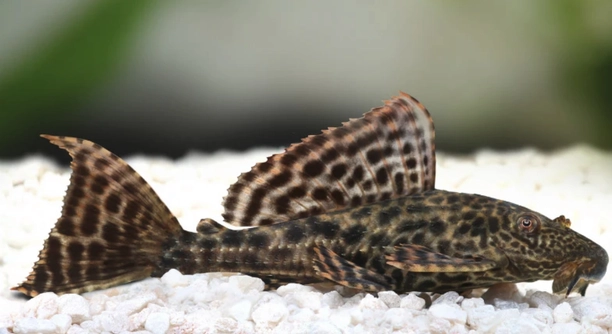
Maintaining a healthy pleco tank requires regular water testing. It’s essential for ensuring your tank conditions are optimal, supporting the well-being of your plecos. These small, simple habits can help improve your tank’s environment over time.
Monitoring water parameters like pH, ammonia, nitrites, and nitrates is essential for maintaining a stable and healthy environment in pleco tanks. Regular testing helps identify imbalances early, preventing potential harm to the fish and ensuring proper tank care.
Proper water testing habits can greatly enhance your plecos’ overall health and the stability of their habitat.
Importance of pH Testing in Pleco Tanks
One of the first things to check in your pleco tank is the pH level. Plecos thrive in a stable pH range, usually between 6.5 and 7.5. If the pH is too high or low, it can cause stress, affecting their overall health. Regular testing helps you maintain the right balance. Changes in pH can happen gradually or suddenly, so consistent testing is crucial for keeping your plecos comfortable. If the pH fluctuates too much, it can cause issues like skin problems or poor digestion. By checking it often, you can prevent unnecessary complications and create a more stable environment for your fish.
Testing pH is simple and effective in ensuring the health of your plecos. A pH kit is inexpensive, and with just a few drops, you can have an accurate reading.
Test the water at least once a week, and immediately adjust if the pH falls outside the optimal range. Use products designed to correct pH levels without causing sudden changes, as rapid fluctuations can also harm the fish.
Monitoring Ammonia Levels
Ammonia is toxic to plecos, even at low levels. Ammonia builds up in your tank due to waste and decaying food.
To keep your plecos safe, regularly test for ammonia, especially after feedings or when the tank has been disturbed. If ammonia levels rise, perform water changes and adjust your filtration system to reduce it.
Testing for Nitrates and Nitrites
Nitrates and nitrites are byproducts of the nitrogen cycle in your pleco tank. Both can build up if not properly managed, leading to harmful conditions for your fish. Regular testing helps detect imbalances early.
Nitrites are especially dangerous, causing respiratory issues in plecos. Once nitrites are present, they should be immediately addressed by doing a water change. Nitrates are less harmful but still need to be kept in check, especially in tanks with heavy stocking. Perform regular tests to monitor both levels and ensure a safe environment for your plecos.
If you find high nitrate levels, invest in better filtration or perform more frequent water changes. Lower nitrate levels help avoid long-term health issues for your plecos. Keeping both nitrites and nitrates under control contributes to the overall well-being of your fish.
Regularly Check Water Temperature
Water temperature plays a significant role in your pleco’s health. The ideal temperature for plecos is typically between 74°F and 80°F. Temperature fluctuations, even small ones, can cause stress.
Check the water temperature daily with a reliable aquarium thermometer. If it’s too low or high, adjust the heater or cooler accordingly. Unstable temperatures can lead to reduced immune function, making plecos more susceptible to illness. Pay attention to seasonal changes in room temperature, which can impact the tank.
Maintaining a stable temperature ensures that your plecos remain active and healthy. It also supports proper digestion and overall behavior, allowing them to thrive. Regular checks are simple but can prevent larger issues down the road.
Water Hardness Testing
Water hardness can affect how well your plecos thrive. Hard water has more minerals, while soft water has fewer. Plecos generally prefer slightly hard water with moderate mineral content.
Test water hardness regularly to ensure it stays within the ideal range. Changes can impact the plecos’ skin, fins, and overall health. Maintaining a balanced hardness level creates a more stable environment for your fish.
Maintaining Proper Filtration
Good filtration is key to keeping your tank clean and reducing harmful waste. Filters help remove debris, toxins, and excess nutrients, ensuring better water quality. A properly functioning filter is essential for plecos, as they are bottom-dwelling fish that generate a lot of waste.
Check your filter’s efficiency and clean it regularly to avoid clogging. A clogged filter won’t do its job effectively, and your plecos will suffer. Be sure to replace filter media as recommended to maintain optimal performance. Inadequate filtration can result in higher ammonia or nitrate levels, which may stress your fish.
Water Change Routine
Water changes are one of the simplest ways to keep your pleco tank healthy. Regular water changes help eliminate toxins and replenish essential minerals. For a pleco tank, aim to change 20-30% of the water every week or two.
This practice reduces the buildup of harmful chemicals and keeps the water fresh. Maintaining a consistent water change routine also supports proper filtration and ensures that your plecos have a clean and stable environment.
FAQ
How often should I test the water in my pleco tank?
Testing the water once a week is ideal. This helps ensure that all parameters such as pH, ammonia, nitrites, and nitrates are within the safe range. Testing more frequently may be necessary if you notice any unusual behavior in your plecos or if you’ve recently added new fish or changed tank conditions. Consistency in testing can help catch issues before they become major problems.
What should I do if the ammonia levels are too high?
If ammonia levels are high, immediately perform a water change of at least 25-50% to dilute the toxins. Ensure your filtration system is functioning properly and that you’re not overfeeding your plecos, as this can contribute to ammonia buildup. Adding a biological filter can also help, as it supports the beneficial bacteria that break down ammonia into safer compounds. Keep testing regularly to monitor progress and ensure levels stay safe.
How can I lower the pH in my pleco tank?
To lower the pH, you can use pH-lowering products available at pet stores. However, it’s important to adjust the pH gradually. Sudden changes can stress your plecos. Another method is adding natural materials such as driftwood or almond leaves, which release tannins into the water and lower pH over time. Always test the water regularly to ensure the pH remains within the desired range.
Why are my plecos hiding all the time?
Plecos are nocturnal, so they tend to be more active at night. If they are hiding during the day, it could be due to stress from poor water conditions, sudden changes in the tank, or aggressive tank mates. Ensure the water parameters are optimal, and check for any aggressive behavior from other fish. Additionally, provide plenty of hiding spots, like caves or plants, to help your plecos feel secure.
How can I maintain the right water hardness for plecos?
To maintain the right water hardness, test the water regularly and use a water hardness kit. If the hardness is too high, consider using reverse osmosis water mixed with tap water to dilute it. If it’s too low, adding mineral supplements can help raise the hardness. The ideal hardness for plecos is between 4-10 dGH (degrees of general hardness). Stability is more important than drastic changes, so adjust the hardness gradually.
What are the signs of high nitrate levels in a pleco tank?
High nitrate levels can cause a range of issues, including poor water quality and stress in your plecos. Signs of high nitrates include sluggish behavior, loss of appetite, or rapid gill movement. Elevated nitrate levels can also make your plecos more susceptible to illness. Regular water changes, proper filtration, and monitoring your tank’s nitrogen cycle can prevent high nitrate levels.
Should I remove uneaten food from the tank?
Yes, uneaten food can quickly decompose, leading to an increase in ammonia and nitrate levels. It’s best to remove any leftover food after a few hours to prevent it from affecting water quality. Be mindful not to overfeed your plecos, as they will only eat what they need. Providing smaller, more frequent feedings can help reduce waste.
How do I know if my pleco is sick?
Signs of illness in plecos can include abnormal swimming behavior, loss of appetite, lethargy, or unusual spots on their skin. If you notice your pleco’s skin becoming pale or showing lesions, it may be a sign of a skin infection or parasite. Another common sign is rapid gill movement, which could indicate respiratory issues due to poor water quality. Early detection is key, so keep an eye on your pleco’s behavior and consult an aquatic veterinarian if needed.
What is the best filter for a pleco tank?
A canister filter is often the best choice for pleco tanks, especially if you have a large tank. These filters provide strong water circulation, efficient filtration, and can handle higher bio-loads. For smaller tanks, a hang-on-back filter or sponge filter can be sufficient. Choose a filter rated for your tank size and consider a model that offers both mechanical and biological filtration to maintain water quality. Always ensure that the filter doesn’t create too strong of a current, as plecos prefer calmer waters.
Can plecos live with other fish?
Yes, plecos are generally peaceful and can live with a variety of other fish species. However, they may sometimes get territorial or aggressive toward other bottom dwellers. It’s important to choose tank mates carefully, avoiding overly aggressive species. Suitable tank mates for plecos include peaceful fish like tetras, guppies, and small cichlids. Be sure to provide enough hiding spots and space for your plecos to feel secure.
How can I prevent algae growth in my pleco tank?
Algae growth can be controlled by maintaining good water quality and avoiding excess nutrients in the tank. Plecos themselves help reduce algae by grazing on it, but additional measures may be needed, such as limiting lighting or using algae-eating snails. Regular water changes and proper filtration will help prevent algae overgrowth, as well as removing excess food that may contribute to algae growth.
What should I do if my pleco is not eating?
If your pleco isn’t eating, it could be due to poor water conditions, stress, or illness. Ensure that water parameters like ammonia, nitrites, and pH are within acceptable ranges. Also, check that your pleco has enough hiding spots and is not being bullied by tank mates. If everything appears fine and your pleco continues to refuse food, consult an aquatic vet to rule out any health issues.
Final Thoughts
Maintaining a healthy pleco tank requires consistent attention to water quality and overall tank conditions. Regular water testing is essential for monitoring parameters like pH, ammonia, nitrates, and water hardness. By staying on top of these measurements, you can prevent harmful conditions from developing. Consistent maintenance, including water changes, filter cleaning, and observing your plecos for signs of stress or illness, helps keep your tank in a balanced state. When everything is in check, your plecos will thrive, and their natural behavior will be more visible and enjoyable.
One of the most important aspects of pleco care is ensuring they have a stable environment. Fluctuations in water quality, temperature, or hardness can lead to stress or illness. By setting a regular schedule for testing and maintenance, you can minimize these changes and create a safe space for your plecos. Along with proper water management, ensure that your plecos have the right amount of hiding spots and room to roam. Their natural tendency to stay near the bottom of the tank means they need adequate cover to feel secure, which will encourage more active behavior.
Lastly, while plecos are generally hardy fish, they do require specific care to stay healthy. It’s essential to remember that their needs go beyond just feeding them. Water quality, temperature, and filtration play a huge role in their well-being. By regularly testing the water, maintaining the tank, and observing their behavior, you’ll be able to address any potential issues before they become problems. With the right care, your plecos will have a long, healthy life, contributing to the beauty and balance of your aquarium.

Hello,
If you enjoy the content that we create, please consider saying a "Thank You!" by leaving a tip.
Every little bit helps us continue crafting quality advice that supports the health, happiness, and well-being of pets around the world, for pets of all shapes, sizes, and species.
We really appreciate the kindness and support that you show us!