
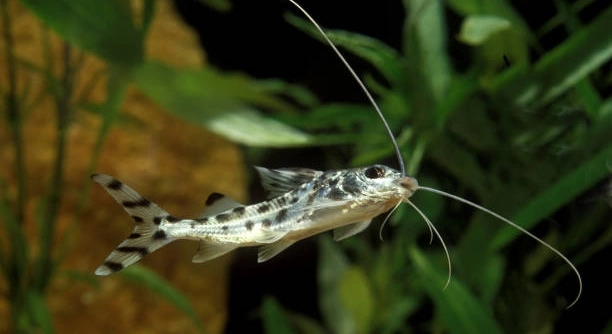
Are your Pictus catfish thriving in a healthy tank environment? Many owners focus on feeding and tank size but often overlook water quality. Ensuring the right water conditions is key to keeping your fish happy and healthy.
Several water test results can indicate problems for Pictus owners. High ammonia, nitrite, nitrate, pH imbalance, hardness, chlorine, and temperature fluctuations can all stress these fish. Regular testing helps detect these issues early, preventing illness and death.
Knowing what water parameters to watch will protect your Pictus catfish from avoidable health risks. This guide will highlight important results and what they mean for your tank.
High Ammonia Levels
High ammonia levels in your Pictus tank can cause serious health problems. Ammonia is produced from fish waste, uneaten food, and decaying plants. When ammonia builds up, it irritates the fish’s gills and skin, making it difficult for them to breathe. You might notice your Pictus gasping at the water surface or hiding more than usual. It is important to test for ammonia regularly, especially in new tanks or after cleaning. Even small amounts can be harmful if not addressed quickly. Frequent partial water changes and proper filtration help keep ammonia in check. Avoid overfeeding, as excess food raises ammonia levels faster. Keeping ammonia near zero ensures your Pictus stays healthy and stress-free.
Ammonia levels above 0.25 ppm are unsafe for Pictus catfish and should be corrected immediately to prevent damage.
Testing ammonia is simple with common test kits. When levels rise, partial water changes and checking filter function are the fastest ways to lower it. Avoid adding new fish until levels stabilize to reduce stress. Consistent monitoring protects your fish from ammonia poisoning and supports a balanced aquarium environment.
Nitrite Concerns
Nitrite is a toxic chemical that forms as ammonia breaks down in the tank. High nitrite levels can cause damage similar to ammonia by interfering with oxygen transport in fish blood. Even small spikes can be dangerous to Pictus catfish, so testing is crucial.
Nitrite forms during the nitrogen cycle, when beneficial bacteria convert ammonia to nitrite before turning it into nitrate. If this process is incomplete or disrupted, nitrite builds up quickly. Symptoms of nitrite poisoning include lethargy, rapid breathing, and loss of appetite. To reduce nitrite, increase water changes and ensure your biological filter is healthy. Avoid sudden changes in tank maintenance or adding too many fish at once, which can overwhelm the cycle. Regular testing helps track nitrite and catch problems before they become fatal. By keeping nitrite near zero, you support a safe and stable environment for your Pictus catfish.
Nitrate Levels
Nitrate is less toxic than ammonia or nitrite but can still harm your Pictus if it builds up too much. Keeping nitrate levels below 20 ppm is important for their well-being.
Nitrate accumulates as the final product of the nitrogen cycle. It comes from fish waste and leftover food breaking down. High nitrate can cause stress, poor growth, and weaker immune systems in Pictus catfish. While it is less immediately dangerous, prolonged exposure to high nitrate levels reduces your fish’s lifespan. Regular water changes and avoiding overfeeding help keep nitrate low. Using live plants in the tank can also absorb nitrates, improving water quality naturally. Monitoring nitrate ensures your tank stays healthy and comfortable for your fish.
If nitrate levels rise above 40 ppm, it’s time to do a partial water change. Consistent maintenance and testing help keep these levels manageable. Remember, even small changes can make a big difference in water quality, helping your Pictus thrive.
pH Balance
Pictus catfish prefer slightly acidic to neutral water, with a pH between 6.5 and 7.5. Maintaining this range is key to their health and behavior.
pH affects fish metabolism and immune function. If the water is too acidic or too alkaline, it can cause stress and make your Pictus more vulnerable to disease. Sudden pH shifts are especially harmful, so changes should happen gradually. Test your tank water regularly to spot any drift outside the ideal range. If pH is too high or low, water changes with properly conditioned water can help adjust it. Avoid using harsh chemicals or additives that may cause rapid swings. Stable pH conditions create a safe environment where your Pictus can grow and be active.
Water Hardness
Water hardness measures the amount of calcium and magnesium in your tank water. Pictus catfish prefer soft to moderately hard water for best health.
Hard water can cause stress and affect their ability to regulate body functions. Soft water helps them stay comfortable and active.
Chlorine and Chloramine
Chlorine and chloramine are added to tap water to kill bacteria but are harmful to fish. These chemicals damage fish gills and cause stress even at low levels. Always use a water conditioner to remove chlorine and chloramine before adding water to your tank.
Skipping this step can lead to illness or death in your Pictus catfish. Regular testing ensures these chemicals are absent, keeping your tank safe.
Temperature Fluctuations
Sudden or frequent temperature changes can stress Pictus catfish, making them prone to illness. Keeping a stable temperature between 74°F and 79°F helps maintain their health and behavior.
FAQ
What causes high ammonia in my Pictus tank?
High ammonia often comes from overfeeding, too many fish, or poor tank maintenance. Uneaten food and fish waste break down and release ammonia. A new tank without enough beneficial bacteria to process ammonia can also cause spikes. Regular water changes and proper filtration keep ammonia levels low.
How can I lower nitrite levels quickly?
Perform partial water changes immediately to dilute nitrite. Ensure your filter is working well, as beneficial bacteria convert nitrite to nitrate. Adding a biological booster can help speed up this process. Avoid adding new fish until nitrite levels drop to zero.
Is it safe to keep nitrate levels above 20 ppm?
While nitrate is less harmful than ammonia or nitrite, levels consistently above 20 ppm stress Pictus catfish and weaken their immune system. Keep nitrate below 20 ppm through regular water changes and controlling feeding habits. Over time, high nitrate can shorten your fish’s lifespan.
How often should I test my aquarium water?
Test your water at least once a week to monitor ammonia, nitrite, nitrate, pH, and chlorine levels. More frequent testing is needed in new tanks or if your fish show signs of stress. Keeping track helps prevent problems before they get serious.
Can I use tap water directly for my Pictus tank?
Tap water usually contains chlorine or chloramine, which are toxic to fish. Always treat tap water with a water conditioner before adding it to your aquarium. This removes harmful chemicals and makes the water safe for your Pictus catfish.
What pH range is ideal for Pictus catfish?
Pictus catfish thrive in water with a pH between 6.5 and 7.5. Outside this range, they can become stressed, affecting their health and behavior. Keep the pH stable and avoid sudden changes by testing regularly and adjusting gently when needed.
How do I maintain stable water temperature?
Use a reliable aquarium heater to keep water temperature steady between 74°F and 79°F. Avoid placing your tank near windows or vents where temperature can fluctuate. Sudden changes can stress your Pictus and lead to illness.
What signs show my Pictus are stressed by water conditions?
Look for gasping at the surface, hiding, loss of appetite, or unusual swimming patterns. Clamped fins and faded color are also signs of stress. These behaviors often signal poor water quality or incorrect parameters needing immediate attention.
Why is water hardness important for Pictus catfish?
Water hardness affects your fish’s ability to regulate bodily functions. Soft to moderately hard water is best for Pictus catfish. Hard water can cause stress and health problems. Test water hardness regularly and adjust with proper water sources or treatments if needed.
How do live plants affect water quality?
Live plants absorb nitrates and help maintain oxygen levels. They reduce waste buildup and stabilize the tank environment. Including plants in your aquarium can naturally improve water quality, making it healthier for your Pictus catfish.
Keeping your Pictus catfish healthy depends a lot on the water they live in. Testing your tank water regularly helps catch problems early. Things like ammonia, nitrite, nitrate, pH, hardness, chlorine, and temperature all affect your fish’s well-being. If any of these get out of balance, your Pictus can become stressed or sick. Simple actions like changing the water, avoiding overfeeding, and using a good filter make a big difference. Paying attention to water quality protects your fish and makes your tank a better place for them to live.
It’s easy to forget how important water tests are, especially when your fish seem fine. But small changes in water conditions can quietly harm your Pictus over time. For example, a little too much ammonia or nitrate might not show right away but will weaken your fish’s immune system. Keeping your water parameters steady requires patience and routine. Testing weekly and making adjustments as needed helps you stay ahead of any issues. Remember, consistency is key to a healthy aquarium. Good water quality supports your Pictus’s natural behavior and longevity.
You don’t need to be an expert to maintain good water conditions. Using simple test kits and following basic care steps can keep your fish safe and happy. When you spot warning signs or test results outside the safe range, act quickly to fix them. Over time, you’ll learn what your tank needs to stay balanced. A well-maintained tank not only benefits your Pictus but also makes your aquarium experience more enjoyable. Taking care of water quality is one of the best ways to show you care for your fish.

Hello,
If you enjoy the content that we create, please consider saying a "Thank You!" by leaving a tip.
Every little bit helps us continue crafting quality advice that supports the health, happiness, and well-being of pets around the world, for pets of all shapes, sizes, and species.
We really appreciate the kindness and support that you show us!