
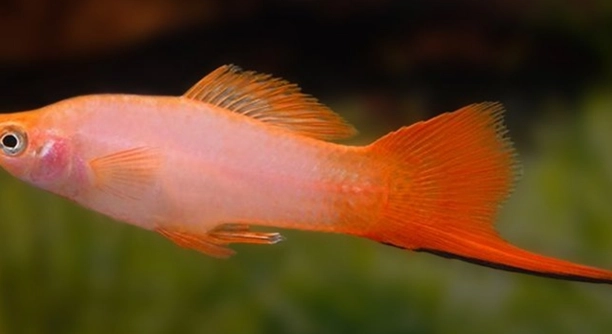
Water changes are an important part of keeping swordtails happy and healthy. Many fishkeepers are constantly searching for ways to improve their tank maintenance routine. These tricks will help ensure your swordtails thrive in a cleaner, healthier environment.
Water swaps are essential for maintaining the quality of your swordtails’ habitat. Regular water changes remove harmful toxins and replenish important minerals, ensuring the fish stay healthy. Adopting efficient water swap methods can improve both water quality and fish well-being.
These simple tricks will help you maintain a clean tank and happy swordtails with minimal effort. Understanding water changes is crucial to long-term success in fishkeeping.
1. The Importance of Regular Water Changes
One of the easiest and most effective ways to keep your swordtails healthy is by changing the water regularly. Swordtails are sensitive to the quality of their environment, and poor water conditions can lead to stress and illness. By performing consistent water changes, you remove harmful toxins like ammonia and nitrates that can build up in the tank. Fresh water also replenishes minerals and oxygen, promoting overall fish health. The key is to not change all the water at once, as this could shock the fish. Instead, aim for about 25-30% of the tank water every week.
A steady water change routine is crucial for swordtail care. A clean environment leads to healthier fish, which in turn makes them more vibrant and active.
If you don’t perform regular water changes, your swordtails might show signs of stress, like reduced activity or faded colors. Make sure to use a water conditioner to remove chlorine and chloramine from tap water. This small step ensures a safe, fresh environment for your fish to thrive.
2. How to Properly Match Water Temperature
Water temperature is a significant factor in keeping swordtails happy. Swordtails prefer a range of 72°F to 78°F (22°C to 26°C), so it’s important to match the water temperature during changes to avoid temperature shocks.
To prevent any issues, use a reliable aquarium thermometer to check both the tank and new water temperature before performing a swap.
A sudden change in temperature can stress out your swordtails, leading to potential health issues. The water temperature should be similar to what is already in the tank to ensure a smooth transition. If your tap water is cooler, you can use a heater to bring it up to the correct range before adding it to the tank. This will avoid shock and make the process smoother for your fish.
3. Avoid Over-Feeding Before Water Changes
Feeding your swordtails right before a water change can make the process messier. When fish are fed, they often produce more waste, which can contaminate the water faster. It’s best to feed them a few hours before the change, allowing the fish to digest their food and avoid excess debris in the water.
If you notice leftover food or waste after feeding, it’s essential to remove it during the water change. Overfeeding can cause the water quality to deteriorate quickly, which harms your swordtails in the long run. By managing feeding times and portions, you can minimize the risk of unnecessary waste.
Remember, overfeeding doesn’t just pollute the water but also leads to unhealthy tank conditions. Swordtails can become stressed in dirty environments, which affects their overall health. Avoid feeding them right before a water change to maintain a cleaner, healthier tank for your fish.
4. Use a Gravel Vacuum for Efficient Cleaning
A gravel vacuum is a simple but effective tool to clean the substrate and remove debris. It’s essential to use it regularly during water changes to prevent excess organic matter from accumulating at the bottom of the tank. The vacuum helps remove uneaten food, fish waste, and algae, keeping your tank cleaner.
You can use the gravel vacuum to target areas where waste settles, especially in corners or around decorations. Be gentle and avoid stirring up too much debris at once, as this can cloud the water. Regular use ensures the tank remains clean without disturbing the fish too much.
Don’t skip the gravel vacuum step when performing water changes. Even if the water looks clear, waste often hides beneath the surface, affecting the tank’s water quality. Regularly cleaning the gravel helps maintain proper filtration and prevents harmful buildup, making it easier to keep your swordtails healthy and active.
5. Use a Good Filter to Maintain Water Quality
A reliable filter is essential to keep your swordtail tank clean between water changes. It helps remove debris, toxins, and harmful substances, maintaining a healthier environment for your fish. Without proper filtration, waste can build up, quickly lowering water quality.
When selecting a filter, make sure it’s suitable for your tank size. Choose one with adequate flow rates, as too much or too little circulation can stress the fish. Regularly check and clean the filter to ensure it works effectively. A good filter can significantly reduce the frequency of water changes.
6. Test Water Parameters Regularly
Testing your tank’s water parameters is crucial to understanding how well the environment is suited to your swordtails. By checking things like pH, ammonia, nitrate, and nitrite levels, you can determine if any adjustments need to be made.
Consistently monitoring your water ensures that the fish live in optimal conditions. If the parameters are off, it might indicate that a water change or filter cleaning is needed. Regular testing helps prevent stress or illness caused by poor water quality. It’s an easy yet important task to maintain a thriving tank.
7. Be Mindful of Water Additives
When adding chemicals to your tank, always follow the manufacturer’s instructions carefully. Overuse of water additives can harm the ecosystem in your tank, affecting the health of your swordtails.
Water conditioners are essential for removing chlorine or chloramine from tap water. However, using them incorrectly can disrupt the water balance. Always double-check the product’s dosage recommendations to ensure a safe and balanced environment.
FAQ
How often should I change the water in my swordtail tank?
For swordtails, it’s recommended to change 25-30% of the water every week. This helps remove toxins and replenishes minerals while keeping the tank environment stable. However, if you have a heavily stocked tank or the water quality deteriorates faster, you may need to change the water more frequently. Regular water testing can also help you determine if changes are needed more often.
What should I do if I accidentally change too much water?
If you change too much water at once, you may cause stress to your swordtails due to sudden changes in temperature, pH, or other water parameters. To help the fish recover, slowly add fresh water over the course of several hours and monitor their behavior. In the future, avoid changing more than 30% of the water to prevent shocks.
Can I use tap water for my swordtail tank?
Yes, you can use tap water, but you need to treat it to remove chlorine and chloramine, which are harmful to fish. Using a water conditioner designed for aquarium use will help make tap water safe for your swordtails. Always test your tap water before adding it to the tank to ensure its quality.
Do swordtails need a filter?
Yes, swordtails require a filter to maintain clean water. A filter helps remove debris and harmful substances like ammonia and nitrate, which can negatively impact water quality. Ensure the filter is suitable for your tank size and clean it regularly to keep it functioning properly.
How do I know if my swordtails are stressed from poor water quality?
Signs of stress in swordtails due to poor water quality include reduced activity, faded colors, rapid gill movement, or unusual behavior like hiding or swimming erratically. If you notice these signs, perform a water change and check your tank’s water parameters to ensure everything is balanced.
What’s the best way to acclimate swordtails to new water?
To acclimate swordtails to new water, it’s important to match the temperature and pH of the new water to that of the tank. Float a bag with your swordtails in the new water for about 15-20 minutes to adjust the temperature. Gradually add small amounts of the new water into the bag to allow the fish to get used to the new conditions.
How can I prevent algae growth in my swordtail tank?
Algae growth is often caused by excess nutrients in the water, typically from overfeeding or infrequent water changes. To minimize algae growth, keep up with regular water changes, avoid overfeeding your swordtails, and ensure your tank is not exposed to too much direct light. Using live plants can also help prevent algae, as they absorb excess nutrients.
Should I remove the fish while doing a water change?
There’s no need to remove swordtails from the tank during a water change, as long as you’re changing less than 30% of the water. Just be careful not to disturb the fish too much. If you need to perform a deep cleaning or change a large amount of water, it might be helpful to temporarily remove the fish to reduce stress.
What type of water conditioner should I use for my swordtail tank?
Choose a high-quality water conditioner that neutralizes chlorine and chloramine, as these chemicals can be harmful to swordtails. There are also conditioners that detoxify ammonia and nitrites, which can help stabilize the tank in case of sudden water quality issues. Always follow the recommended dosage based on the size of your tank.
Can I use distilled water for my swordtails?
While distilled water is free of minerals, it is not recommended for swordtails as it lacks the necessary minerals for proper fish health. It’s better to use tap water that has been treated with a water conditioner or filtered water to ensure your fish have the right balance of minerals.
What is the best tank temperature for swordtails?
Swordtails thrive in water temperatures between 72°F and 78°F (22°C to 26°C). Keeping the tank within this range ensures they stay healthy, active, and happy. Use a reliable aquarium thermometer to monitor the temperature regularly, and adjust it as needed using an aquarium heater.
How do I prevent water changes from stressing my swordtails?
To avoid stressing your swordtails during water changes, keep the water temperature stable and ensure the new water has similar parameters to the tank. Use gentle techniques when cleaning and avoid drastic changes in water quality. If your swordtails are stressed, check the water for imbalances and adjust accordingly.
What can I do if my swordtail tank smells bad?
If your tank has an unpleasant smell, it may be a sign of excess waste, decaying food, or a filter problem. First, check your filter to ensure it’s working properly. Then, perform a water change and remove any leftover food or waste from the substrate. Regular maintenance should help prevent bad odors.
Is it okay to use a sponge filter for swordtails?
Yes, a sponge filter can be a great option for swordtail tanks, especially if you have fry or sensitive fish. It provides gentle filtration without strong currents, making it ideal for maintaining water quality without disturbing your swordtails. Make sure the sponge filter is large enough to handle your tank size.
How do I know if my filter is working properly?
A properly working filter should provide consistent water flow and maintain clear water. If your swordtails seem stressed or the water becomes cloudy, check the filter to ensure it’s not clogged or malfunctioning. Clean the filter regularly and replace the media as recommended by the manufacturer.
How long should I wait before adding fish after a water change?
After performing a water change, wait about 30 minutes to an hour before adding fish to ensure that the water is stable and safe. This allows any changes in the water parameters, like temperature or pH, to settle before the fish are introduced to the tank.
Final Thoughts
Maintaining a healthy environment for your swordtails doesn’t require a complicated routine. Regular water changes, proper filtration, and monitoring of water parameters are the key to keeping your fish happy and thriving. These simple practices will not only improve the quality of the water but also reduce stress for your swordtails. Over time, this will lead to vibrant fish with better colors and more energy, making it easier for you to enjoy their presence in your tank.
It’s important to remember that consistency is the foundation of a successful tank. While water changes may seem like a chore, sticking to a regular schedule can help prevent issues before they become problems. Testing the water regularly will also provide valuable insight into your tank’s condition. By being proactive and paying attention to changes in water quality, you can ensure your swordtails live in a stable environment.
Lastly, every tank is different. What works for one aquarium may not be ideal for another, so it’s always helpful to adjust these tips to your specific setup. Keep an eye on your swordtails and make changes to their care routine if needed. In the end, your goal is to create a comfortable space where your fish can live and thrive for years to come. Simple, small steps can make a big difference, so take your time and enjoy the process of caring for your swordtails.

Hello,
If you enjoy the content that we create, please consider saying a "Thank You!" by leaving a tip.
Every little bit helps us continue crafting quality advice that supports the health, happiness, and well-being of pets around the world, for pets of all shapes, sizes, and species.
We really appreciate the kindness and support that you show us!