
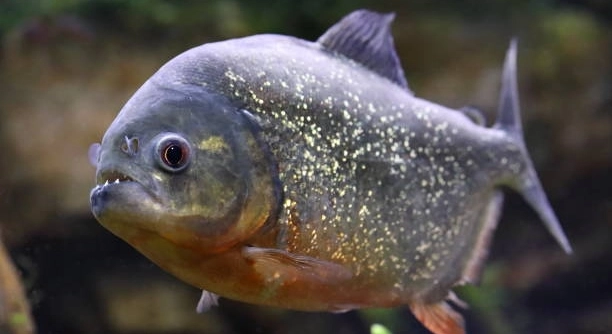
Many fish rely on subtle changes in their environment to survive. Piranhas, known for their sharp instincts, are especially sensitive to water shifts. These changes can signal danger or opportunity in their aquatic world.
Piranhas instantly detect variations in water temperature, pressure, oxygen levels, pH balance, salinity, vibrations, and chemical composition. These shifts affect their behavior and survival, triggering immediate responses to adapt to their changing surroundings.
Understanding these water shifts helps explain how piranhas interact with their environment and respond so quickly to potential threats or prey.
Temperature Changes in Water
Piranhas are very sensitive to temperature shifts. Even small changes in water temperature can affect their activity levels and metabolism. When the water gets warmer, piranhas tend to become more active and aggressive. Cooler water slows them down and can reduce their feeding behavior. This sensitivity helps piranhas adjust to seasonal changes or sudden weather shifts. They rely on these temperature cues to know when it’s time to hunt or hide. Rapid temperature drops can signal danger, like a storm approaching or the presence of predators. On the other hand, stable temperatures create a comfortable environment where piranhas feel safe to explore and search for food.
Water temperature also influences how oxygen dissolves in water. Warm water holds less oxygen, so piranhas may move to cooler areas to breathe easier. This behavior shows how closely their survival depends on temperature changes.
Recognizing temperature shifts helps explain piranhas’ quick responses to their environment and how they stay healthy throughout the year.
Pressure and Vibrations
Piranhas are highly tuned to pressure changes and vibrations in water. Pressure shifts can indicate movement nearby, such as other fish swimming or predators approaching. Vibrations help piranhas detect prey hiding under rocks or in murky water.
Their lateral line system runs along the sides of their bodies, allowing them to sense these subtle waves and vibrations. This sensory ability is crucial for hunting in low-visibility conditions. Piranhas use vibrations to track struggling prey and avoid dangers, making it an essential part of their survival. In calm water, even the slightest ripple can alert them, triggering an instant reaction.
This heightened sensitivity to pressure and vibrations explains how piranhas can react so quickly and with precision during feeding or threats.
Oxygen and pH Balance
Oxygen levels in water are vital for piranhas’ health. When oxygen is low, piranhas become restless and may swim to the surface or move to areas with better oxygen flow. This response helps them avoid suffocation and maintain their energy. Similarly, changes in the water’s pH balance affect their comfort and survival. Piranhas thrive in slightly acidic to neutral water. If the pH shifts too much, it can stress them, weaken their immune system, and make them vulnerable to disease.
Oxygen and pH work together to shape the quality of the water habitat. Healthy oxygen and pH levels support normal behavior, feeding, and reproduction. Piranhas rely on these factors to keep their bodies working properly. Sudden or extreme changes in oxygen or pH create immediate alarms, prompting piranhas to adjust their location or behavior quickly. Understanding these chemical conditions helps explain how sensitive and adaptable piranhas are in their environment.
Salinity Shifts
Piranhas notice even small changes in the salt content of their water. Salinity affects how well they regulate their body fluids and overall health.
When salinity rises, piranhas work harder to balance water inside their bodies. This can cause stress and change their behavior. Lower salinity may make them more comfortable but can also signal freshwater inflow, which might bring new predators or food sources. These shifts help piranhas decide when to stay put or move to safer areas. They rely on their sensitive skin and gills to detect salinity levels quickly. Constant changes in salinity can affect their feeding and breeding habits, making it an important factor in their survival strategy.
Piranhas adapt by moving toward water zones with stable salinity, ensuring they maintain balance and avoid unnecessary stress.
Chemical Signals
Chemical changes in water tell piranhas about food, danger, and other fish nearby. They use their keen sense of smell to detect these signals and respond immediately.
When injured fish release chemicals, piranhas pick up the scent and may become more alert or aggressive. Changes in water chemistry can also mean pollution or the presence of toxins, which piranhas instinctively avoid. These chemical cues influence how piranhas hunt, communicate, and interact within their group. The ability to detect chemicals is essential for finding food and avoiding harm. It helps them react to both subtle and sudden environmental shifts.
By paying attention to these signals, piranhas stay informed about their surroundings and can act quickly to protect themselves or catch prey.
Light and Shadow Changes
Piranhas quickly notice changes in light and shadow in their environment. These shifts can signal movement or the approach of predators and prey.
They use these visual cues to stay alert and react quickly. Sudden shadows often trigger defensive or hunting behaviors.
Water Movement Patterns
Water currents and flow changes affect where piranhas choose to swim and hunt. Strong currents can make it harder to catch prey, while slower areas often hold more food.
Piranhas adjust their position based on these patterns to conserve energy and improve hunting success. They are especially sensitive to small ripples and waves caused by other animals or weather.
Temperature Fluctuations Over Time
Long-term temperature changes affect piranha growth and reproduction rates. Stable, moderate temperatures support healthy populations, while extreme shifts can cause stress and reduce breeding success.
Piranhas rely on consistent water conditions to thrive and reproduce effectively in their habitats.
What water changes do piranhas react to the most?
Piranhas are most sensitive to changes in temperature, pressure, and chemical signals in the water. These shifts directly affect their behavior and survival. Temperature changes influence their activity and metabolism, making them either more active or sluggish. Pressure and vibrations alert them to nearby movement or threats. Chemical signals help them detect injured prey or the presence of other fish. Together, these factors create an environment where piranhas can quickly adjust to stay safe and find food.
How quickly can piranhas sense water shifts?
Piranhas can detect changes almost instantly. Their sensory systems, especially the lateral line and olfactory organs, are finely tuned to pick up small variations. For example, vibrations from a struggling fish or a slight drop in oxygen levels trigger immediate reactions. This quick detection helps piranhas either prepare to hunt or escape danger before it becomes a bigger problem.
Why does salinity affect piranha behavior?
Salinity impacts how piranhas regulate water and salts inside their bodies. When salinity rises, their bodies work harder to maintain balance, causing stress. If the water becomes too salty or too fresh, piranhas may move to areas with more stable salinity. This helps them avoid harmful conditions and keeps them healthy. Salinity shifts can also influence feeding and breeding patterns, making it an important environmental factor for piranhas.
Do piranhas prefer stable water conditions?
Yes, piranhas generally thrive in stable water conditions. Sudden or extreme changes in temperature, oxygen, salinity, or chemical makeup can stress them. Stable environments allow piranhas to maintain regular feeding, breeding, and resting behaviors. However, they are adaptable and can tolerate some variations by moving to safer areas or adjusting their activity levels.
How do piranhas detect chemical signals in the water?
Piranhas use their sense of smell to detect chemicals released by other fish or environmental changes. Injured fish release chemicals that alert piranhas to potential food. Changes in water chemistry, like pollution or toxins, can signal danger. This chemical sensing helps piranhas decide when to hunt, hide, or swim away. It’s a key part of how they interact with their surroundings and survive.
What role do vibrations play in piranha behavior?
Vibrations are crucial for piranhas, especially in murky water or low light. Their lateral line system senses water movement caused by swimming prey or predators. Even small ripples can alert piranhas to nearby activity. This allows them to react quickly, whether it’s to strike prey or avoid danger. Vibrations complement their vision and smell, creating a full picture of their environment.
Can piranhas survive in different water temperatures?
Piranhas can survive within a range of temperatures but prefer warm, stable conditions. When water gets too cold, their metabolism slows, and they become less active. High temperatures can lower oxygen levels, stressing the fish. Sudden temperature changes are the most challenging, often causing piranhas to move or hide until conditions improve. Overall, moderate temperatures support their health and growth best.
How do oxygen levels influence piranha activity?
Oxygen levels are critical for piranhas because they need enough oxygen to breathe and stay active. When oxygen drops, piranhas become restless and may swim toward the surface or areas with better flow. Low oxygen can reduce feeding and cause stress. Piranhas rely on oxygen-rich water to maintain energy for hunting and escaping threats. Changes in oxygen levels prompt immediate responses to find safer spots.
Are light and shadow changes important for piranhas?
Yes, piranhas use light and shadow changes to detect movement. Sudden shadows can mean a predator is near or prey is moving. These visual cues trigger piranhas to act quickly, either by hiding or attacking. In environments with poor visibility, shadows become even more important. Piranhas are alert to any change in light that might signal a chance to feed or a need to stay safe.
Do water movement patterns affect piranhas’ behavior?
Water currents and flow impact where piranhas swim and hunt. Strong currents can make it harder for them to catch prey, so they prefer calmer waters. Slow-moving water often gathers food and offers better hiding spots. Piranhas adjust their swimming based on currents to save energy and improve their chances of catching food. They are very aware of even small water movements caused by other animals or weather changes.
Piranhas live in environments that are always changing. Water conditions like temperature, pressure, oxygen, and chemicals do not stay the same all the time. These changes affect how piranhas behave and survive. Because of their sharp senses, piranhas can notice even small shifts in their water quickly. This ability helps them find food, avoid danger, and stay healthy. Understanding these changes is important to know how piranhas interact with their habitat and why they respond the way they do.
Each type of water change has a specific effect on piranhas. For example, temperature changes can make them more active or slow them down, while shifts in oxygen levels affect their breathing and energy. Changes in salinity and chemicals can cause stress or signal new food or threats. Vibrations and pressure in the water alert them to nearby movement, helping them hunt or escape predators. By sensing all these factors, piranhas stay aware of their surroundings and can quickly react to keep themselves safe and well-fed.
Overall, piranhas show how sensitive fish can be to their environment. Their quick responses to water shifts prove that they depend on these signals for survival. Whether it is a slight change in temperature or a chemical in the water, piranhas use these cues to guide their actions. This understanding is helpful for anyone studying piranhas or caring for them in captivity. Knowing how water shifts affect piranhas can lead to better care and protection for these unique fish.

Hello,
If you enjoy the content that we create, please consider saying a "Thank You!" by leaving a tip.
Every little bit helps us continue crafting quality advice that supports the health, happiness, and well-being of pets around the world, for pets of all shapes, sizes, and species.
We really appreciate the kindness and support that you show us!