
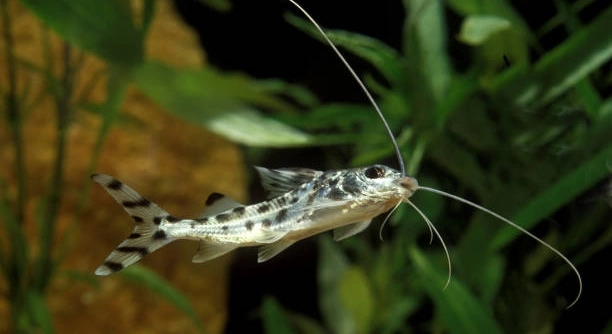
Pictus catfish are popular aquarium fish known for their active behavior and unique appearance. Keeping them healthy requires attention to their environment, especially water quality. Some water conditions can quickly harm these sensitive fish.
Pictus catfish cannot tolerate poor water quality such as high ammonia, nitrite, nitrate levels, low oxygen, incorrect pH, excessive chlorine, or extreme temperature fluctuations. These factors negatively affect their health and can cause stress, illness, or death.
Knowing which water quality problems to avoid will help you maintain a safe and comfortable habitat for your pictus catfish. This article explains the key issues to watch for in their tank environment.
High Ammonia Levels
Ammonia is one of the most dangerous substances for pictus catfish. It comes from fish waste, uneaten food, and decaying plants in the tank. Even small amounts of ammonia can cause serious health problems. When ammonia builds up, it damages the catfish’s gills, making it difficult for them to breathe. You might notice your fish gasping at the surface or hiding more than usual. Regular water changes and avoiding overfeeding help keep ammonia low. Testing your water weekly is a simple way to catch rising ammonia levels before they become harmful. Keeping the tank clean and properly cycled is key to preventing ammonia spikes. Without control, ammonia poisoning can lead to stress, weakened immune systems, and even death.
Ammonia is highly toxic and must be removed quickly for your pictus catfish’s survival.
Maintaining stable water conditions prevents ammonia buildup. Use filters designed to support beneficial bacteria that break down ammonia. Avoid overcrowding, as too many fish produce more waste. By staying proactive with tank maintenance and water testing, you protect your catfish from avoidable health risks caused by ammonia exposure.
Incorrect pH Levels
Pictus catfish prefer a neutral to slightly acidic pH, usually between 6.5 and 7.5. If the water becomes too acidic or too alkaline, it can stress the fish. Extreme pH levels interfere with their ability to regulate bodily functions and absorb oxygen. Sudden pH changes are especially dangerous. These fluctuations often happen when water is replaced without proper treatment or if the tank lacks buffering capacity. Testing pH regularly and adjusting it gradually helps keep your fish comfortable. Avoid using tap water without a conditioner that neutralizes harmful chemicals affecting pH. A stable pH also supports beneficial bacteria that keep the aquarium environment healthy. Keeping the pH balanced reduces the risk of illness and promotes active, healthy catfish behavior.
Low Oxygen Levels
Low oxygen in the tank can quickly harm pictus catfish. These fish need well-oxygenated water to thrive. Without enough oxygen, they become lethargic and may gasp at the surface.
To maintain proper oxygen levels, ensure good water circulation and surface agitation. Using an air pump or sponge filter helps increase oxygen exchange. Avoid overcrowding the tank, as too many fish consume oxygen rapidly. Plants can contribute oxygen during the day but may consume it at night, so balance is important. Regular water changes also refresh oxygen levels. Monitoring your tank’s oxygen through fish behavior and using test kits when possible keeps the environment safe.
If oxygen levels drop, catfish show stress signs like slow movement and heavy breathing. Act quickly to improve aeration and circulation to avoid serious health problems.
Temperature Fluctuations
Pictus catfish prefer stable temperatures between 74°F and 79°F (23°C to 26°C). Sudden temperature changes shock their system and increase vulnerability to disease. Small tanks heat or cool faster, so temperature swings happen more often in them.
Use a reliable heater and thermometer to keep temperature steady. Avoid placing tanks near windows, vents, or direct sunlight, which cause fluctuations. Gradual adjustments during water changes help prevent stress. Temperature stress weakens immunity and makes fish prone to infections.
Keeping temperature consistent supports healthy metabolism and normal behavior in your pictus catfish. A stable environment helps them stay active and reduces health risks linked to temperature stress.
Excessive Nitrate Levels
Nitrates build up over time from fish waste and decayed plants. High nitrate levels stress pictus catfish and can cause long-term health issues.
Regular water changes and avoiding overfeeding keep nitrates in check. Plants can help absorb nitrates but aren’t enough alone to control buildup.
Presence of Chlorine and Chloramine
Chlorine and chloramine are chemicals added to tap water to kill bacteria. Both are toxic to pictus catfish and damage their gills and skin. Always treat tap water with a dechlorinator before adding it to the tank. Failing to do so puts your fish at serious risk of illness and death.
Poor Filtration
A filter removes waste, toxins, and helps maintain water quality. Without proper filtration, waste accumulates quickly, harming your pictus catfish. Choose a filter suitable for your tank size and clean it regularly. Good filtration is essential to keep the water safe and the fish healthy.
FAQ
What happens if ammonia levels get too high in my pictus catfish tank?
High ammonia levels damage the gills and tissues of pictus catfish, making it hard for them to breathe. It causes stress, lethargy, and can lead to death if not addressed quickly. Regular water testing and changes are necessary to prevent ammonia spikes.
How often should I test the water for pH and ammonia?
Testing at least once a week is ideal. More frequent testing is recommended if you notice changes in fish behavior or after cleaning the tank. Keeping track helps catch problems early before they harm your fish.
Can my pictus catfish survive in tap water?
Tap water often contains chlorine and chloramine, which are harmful to pictus catfish. Always treat tap water with a water conditioner to remove these chemicals before adding it to the tank.
What is the best way to lower nitrates in my tank?
Frequent partial water changes reduce nitrate buildup. Adding live plants also helps absorb nitrates, but water changes remain the most effective method to keep nitrate levels safe.
Why is my pictus catfish gasping at the surface?
Gasping at the surface often indicates low oxygen levels or poor water quality, such as high ammonia or nitrites. Improving aeration and checking water parameters should be a priority.
How can I maintain a stable temperature in my aquarium?
Use a reliable heater and thermometer to monitor temperature daily. Avoid placing the tank near windows or vents to reduce fluctuations. Gradually adjust water temperature during changes to minimize stress.
Is filtration really that important for pictus catfish?
Yes, filtration removes harmful waste and toxins from the water, keeping it clean and safe. Without proper filtration, harmful substances accumulate, leading to poor health or death.
How many pictus catfish can I keep in one tank?
Pictus catfish need space and clean water. A good rule is one fish per 10 gallons of water to avoid overcrowding, which causes waste buildup and low oxygen levels.
What pH level is best for pictus catfish?
A neutral to slightly acidic pH between 6.5 and 7.5 is ideal. Keep pH stable and avoid sudden changes to prevent stress and health issues.
What signs show my pictus catfish is stressed due to water quality?
Signs include hiding, gasping at the surface, loss of appetite, sluggishness, and faded colors. These symptoms indicate the tank environment needs immediate attention.
Can plants help with water quality problems?
Plants absorb nitrates and produce oxygen during the day, which helps maintain good water quality. However, they cannot replace regular water changes and proper filtration.
How often should I change the water in my pictus catfish tank?
Changing 20-25% of the water every week is recommended. This helps control toxins and keeps water parameters stable.
What should I do if I notice sudden changes in water parameters?
Test the water immediately and perform partial water changes if needed. Check your filtration system and equipment for proper function. Quick action helps prevent harm to your fish.
Can I use tap water conditioners for all types of aquarium water issues?
Most conditioners remove chlorine and chloramine and detoxify ammonia temporarily. However, they don’t solve nitrate buildup or stabilize pH, so additional maintenance is necessary.
Why do pictus catfish prefer certain water temperatures?
Their natural habitat is tropical freshwater with stable temperatures. Sudden changes affect their metabolism and immune system, making stable temperatures crucial for their health.
Keeping pictus catfish healthy starts with understanding their sensitivity to water quality. These fish need clean, stable environments to thrive. Problems like high ammonia, incorrect pH, low oxygen, and temperature swings can quickly cause stress or illness. Regular testing and maintenance help catch these issues before they become serious. It’s important to monitor water conditions closely and take steps to maintain balance in the tank. Simple actions like using a good filter, performing regular water changes, and treating tap water properly make a big difference.
Pictus catfish are active and beautiful fish, but they rely heavily on their environment to stay healthy. Water quality problems can affect their behavior, growth, and lifespan. Keeping nitrate, ammonia, and nitrite levels low is essential. Also, maintaining a stable temperature and pH helps them stay comfortable and less vulnerable to disease. While plants and aeration support water quality, they do not replace routine tank care. Paying attention to the smallest changes in your tank’s water will help prevent many common health problems in these fish.
In the end, caring for pictus catfish means being proactive and consistent with water quality management. It is not just about fixing problems after they appear, but preventing them altogether. Taking time to understand their specific needs and regularly checking water parameters can create a safe and healthy home. This approach supports your fish’s well-being and allows you to enjoy their lively presence without worry. With steady care, your pictus catfish can live a long, active life in a stable, clean environment.

Hello,
If you enjoy the content that we create, please consider saying a "Thank You!" by leaving a tip.
Every little bit helps us continue crafting quality advice that supports the health, happiness, and well-being of pets around the world, for pets of all shapes, sizes, and species.
We really appreciate the kindness and support that you show us!