
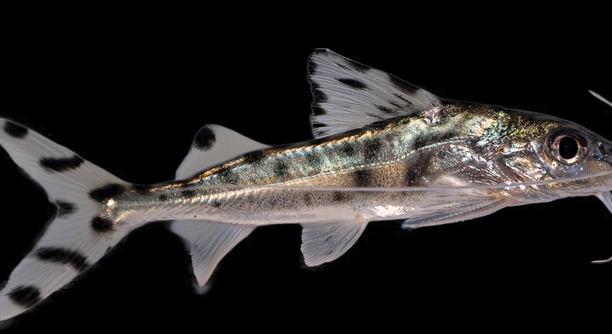
Pictus catfish are popular freshwater fish known for their sleek appearance and peaceful nature. Keeping them healthy requires attention to their environment, especially the water they live in. Proper water conditions help these fish thrive and avoid stress.
There are seven key water parameters that pictus catfish rely on: temperature, pH level, hardness, ammonia, nitrite, nitrate, and oxygen levels. Monitoring and maintaining these parameters within suitable ranges ensures the fish’s well-being and supports a stable aquatic habitat.
Understanding these factors is important for anyone caring for pictus catfish. Knowing how each parameter affects their health can prevent common problems and create a better environment for these graceful fish.
Temperature Needs of Pictus Catfish
Pictus catfish prefer water temperatures between 74°F and 79°F (23°C to 26°C). Maintaining this range is essential because temperatures outside it can stress the fish, weaken their immune system, and lead to illness. Sudden changes in temperature are especially harmful, so keeping the water stable is important. A reliable aquarium heater and thermometer can help regulate and monitor the temperature. If the water gets too cold, their metabolism slows down, and they become less active. Too warm, and they might become stressed or use up oxygen more quickly. Consistent temperature control mimics their natural habitat and supports healthy behavior, such as feeding and swimming patterns.
Monitoring water temperature regularly keeps pictus catfish comfortable and healthy.
If the tank is too large, temperature differences might occur between areas. Circulation of water and proper equipment placement ensure even temperature distribution. Keeping temperature steady promotes long life and vibrant health.
Understanding pH and Hardness Levels
Pictus catfish thrive in a pH range of 6.5 to 7.5, which means the water should be slightly acidic to neutral. Water hardness, referring to the concentration of calcium and magnesium, should be moderate, between 5 and 15 dGH. These conditions help maintain the fish’s natural biological balance. If pH or hardness drifts too far from these levels, the fish may experience stress or problems with breathing and digestion. Testing kits allow you to check these parameters regularly, so you can adjust water conditions as needed. Changing water gradually prevents sudden shifts that could shock the fish. Proper pH and hardness help keep pictus catfish active, healthy, and less prone to disease.
Ammonia and Nitrite Levels
Ammonia and nitrite are toxic to pictus catfish even in small amounts. Keeping both at zero is essential for their health and survival. Any detectable level can cause serious harm.
Ammonia builds up in aquariums from fish waste, uneaten food, and decaying plants. It affects the fish’s gills, causing difficulty breathing and damaging tissues. Nitrite is formed during the breakdown of ammonia by beneficial bacteria, but it is also harmful to fish. Regular water changes and a well-established biological filter help keep these compounds at safe levels. Testing water weekly is a good practice to catch any problems early and take action before the fish suffer.
If ammonia or nitrite levels rise, immediate partial water changes and improved filtration are necessary. Overfeeding and overcrowding increase waste, so keeping a balanced tank population is important. Avoid using chemicals that mask ammonia or nitrite, as they only hide the problem temporarily.
Nitrate and Oxygen Levels
Nitrate is less toxic than ammonia or nitrite but still needs to be controlled below 40 ppm for pictus catfish. High nitrate levels can weaken their immune system and cause long-term health issues. Regular water changes reduce nitrate buildup.
Oxygen is vital for fish survival, and pictus catfish require well-oxygenated water. Poor oxygen levels cause stress and can lead to suffocation, especially in crowded tanks. Proper aeration with air stones or filters that disturb the water surface helps maintain oxygen levels. Adding live plants also improves oxygen concentration naturally. Monitoring both nitrate and oxygen levels supports a healthy aquarium environment and helps pictus catfish thrive.
Maintaining Stable Water Conditions
Stability in all water parameters is crucial for pictus catfish health. Sudden changes can cause stress, weaken immunity, and trigger illness. Regular testing helps catch fluctuations early.
Consistency in temperature, pH, and chemical levels creates a comfortable environment. Avoid making large adjustments at once, as gradual changes are safer and less stressful for the fish.
The Role of Filtration in Water Quality
A good filtration system removes waste and toxins from the tank, maintaining clean water. Mechanical filters trap debris, biological filters convert harmful substances, and chemical filters remove impurities. Proper filtration supports stable water parameters, making it easier to keep ammonia, nitrite, and nitrate levels low. Without adequate filtration, toxins build up quickly, threatening pictus catfish health. Choosing the right filter size for the tank volume and cleaning it regularly are key steps to ensure effective filtration. This helps maintain clear water and a healthy environment where pictus catfish can thrive.
Regular Water Changes
Water changes dilute toxins and replenish minerals essential for fish health. Performing partial changes weekly keeps the water fresh and safe for pictus catfish.
Monitoring Equipment
Using reliable thermometers, test kits, and timers ensures accurate monitoring and control of water parameters.
FAQ
What is the ideal temperature range for pictus catfish?
Pictus catfish do best in water between 74°F and 79°F (23°C to 26°C). Staying within this range supports their metabolism and keeps them active. Temperatures too low or too high can cause stress and weaken their immune system.
How often should I test the water parameters?
Testing once a week is usually enough if your tank is well established. More frequent testing is recommended after adding new fish or changing equipment. Regular testing helps catch harmful spikes in ammonia, nitrite, or nitrate early.
Why is ammonia harmful to pictus catfish?
Ammonia comes from fish waste and decomposing matter. Even small amounts irritate the gills, making it hard for the fish to breathe. High ammonia levels can cause serious damage and may lead to death if not addressed quickly.
Can I use chemicals to neutralize ammonia or nitrite?
Some products mask ammonia or nitrite temporarily but do not remove them. It’s better to fix the source by improving filtration and doing partial water changes. Masking chemicals can give a false sense of safety and delay proper treatment.
What pH level is best for pictus catfish?
They prefer slightly acidic to neutral water, with a pH between 6.5 and 7.5. Keeping pH stable within this range prevents stress and supports normal bodily functions. Sudden shifts in pH can harm their health.
How hard should the water be?
Moderate hardness is ideal, around 5 to 15 dGH. This means the water has enough minerals like calcium and magnesium to support biological processes. Extremely soft or hard water can cause stress and affect the fish’s wellbeing.
What nitrate levels are safe for pictus catfish?
Nitrate should be kept below 40 ppm. High nitrate weakens the immune system and can cause long-term health problems. Regular water changes help reduce nitrate buildup in the tank.
How important is oxygen for pictus catfish?
Oxygen is critical for breathing and overall health. Poor oxygen levels cause stress and can lead to suffocation. Using air stones, surface agitation, or live plants helps maintain good oxygen levels in the aquarium.
How can I keep water parameters stable?
Avoid sudden changes by making adjustments gradually. Test water regularly, maintain proper filtration, and perform consistent water changes. Stability prevents stress and keeps pictus catfish healthy.
What filtration system is best?
A filter that provides mechanical, biological, and chemical filtration is best. Mechanical filters trap debris, biological filters break down toxins, and chemical filters remove impurities. Make sure the filter is appropriate for your tank size.
How often should I do water changes?
Weekly partial water changes of 20-30% help keep toxins low and replenish minerals. This routine supports clean water and stable conditions for pictus catfish.
Can I keep pictus catfish with other fish?
Yes, pictus catfish are peaceful and do well with other non-aggressive species. Avoid keeping them with large, aggressive fish that might bully or eat them.
What signs show water quality problems?
Fish gasping at the surface, hiding more, loss of appetite, or unusual swimming indicate stress from poor water quality. Prompt testing and corrective actions are necessary to avoid serious health issues.
Is it necessary to acclimate pictus catfish when introducing them?
Yes, acclimating fish slowly to new water conditions reduces shock. Gradually mixing tank water with transport water over an hour or more helps them adjust safely.
What should I avoid when caring for pictus catfish water?
Avoid overcrowding, overfeeding, and skipping water changes. These increase waste and toxins, making it harder to maintain safe water parameters. Also, do not rely solely on chemicals to fix water issues.
How do live plants help water quality?
Live plants absorb nitrates and produce oxygen, improving water quality naturally. They also provide shelter and a more natural environment, which benefits pictus catfish wellbeing.
What equipment is essential for monitoring water?
A reliable thermometer, test kits for ammonia, nitrite, nitrate, and pH, plus good filtration and aeration devices are essential. Regular use ensures water stays within safe limits for pictus catfish.
Can temperature fluctuations be harmful?
Yes, sudden temperature changes cause stress, weaken immunity, and may lead to illness. Keeping temperature stable is key to maintaining healthy pictus catfish.
Are there quick fixes for poor water quality?
No quick fix replaces regular maintenance. Partial water changes and better filtration are the safest ways to improve water quality over time. Consistency is crucial for long-term health.
How do I know if my filtration is working properly?
Clear water and low ammonia, nitrite, and nitrate levels indicate good filtration. Regular cleaning and monitoring ensure the filter functions efficiently.
This FAQ covers the essential water parameters pictus catfish need for health and longevity. Paying attention to these details helps keep your fish comfortable and vibrant.
Final Thoughts
Maintaining the right water conditions for pictus catfish is essential to their health and happiness. These fish rely on stable temperature, proper pH, and balanced hardness to stay active and stress-free. In addition, keeping ammonia, nitrite, and nitrate levels low is critical, as these substances can quickly become harmful. Paying attention to oxygen levels also supports their breathing and overall well-being. Each parameter plays a role in creating an environment where pictus catfish can thrive naturally. Regular testing and monitoring allow you to catch changes early and take action before problems arise.
Filtration and water changes are two of the most important tools for keeping water quality high. A good filtration system removes waste and toxins, while regular partial water changes help dilute any buildup of harmful substances. Together, these steps maintain a clean and balanced tank. It is also important to avoid sudden changes in water parameters, as pictus catfish can become stressed when their environment shifts too quickly. Gradual adjustments help them adapt without harm. Consistency and attention to detail are key parts of caring for these fish properly.
Finally, being mindful of the tank setup and maintenance routines will improve the overall experience of keeping pictus catfish. Using reliable equipment such as thermometers and test kits ensures accurate monitoring. Providing good aeration and appropriate tank mates also contributes to a healthy environment. Small efforts in regular care lead to better fish health and fewer problems over time. Understanding and managing water parameters helps create a stable and comfortable home for pictus catfish, promoting their long-term vitality and enjoyment.

Hello,
If you enjoy the content that we create, please consider saying a "Thank You!" by leaving a tip.
Every little bit helps us continue crafting quality advice that supports the health, happiness, and well-being of pets around the world, for pets of all shapes, sizes, and species.
We really appreciate the kindness and support that you show us!