
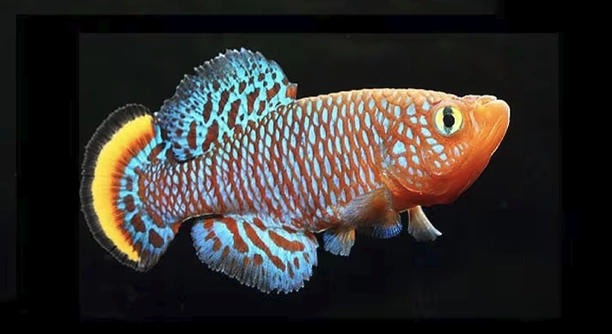
Keeping killifish, or killis, healthy requires paying close attention to their environment. Water quality plays a key role in how well these delicate fish thrive. Many hobbyists often overlook important water factors that impact killis’ wellbeing.
Seven critical water parameters influence killifish survival and growth: temperature, pH, hardness, ammonia, nitrite, nitrate, and oxygen levels. Maintaining these parameters within species-specific ranges supports their natural behaviors and reduces stress, promoting longevity and vibrant health.
Understanding these water conditions helps create a stable and suitable habitat for your killis. Proper care leads to happier, more active fish in your aquarium.
Temperature and Killis’ Comfort
Temperature is one of the most important water parameters for killifish. Most killis prefer water between 72°F and 78°F (22°C to 26°C). If the temperature gets too low, their metabolism slows down, making them less active. Too high, and it can cause stress or even shorten their lifespan. Keeping the temperature steady helps them stay healthy and energetic. Sudden changes can shock the fish and weaken their immune system. Using a reliable aquarium heater and thermometer can make maintaining the right temperature easier. It’s best to avoid placing the tank near windows or vents where temperature swings happen often. Watching your killis’ behavior can also give clues if the water is too cold or hot. When they seem sluggish or hide more than usual, checking temperature is a good first step.
Stable temperature supports killis’ natural activity and feeding habits, improving their overall health.
Temperature control keeps killifish lively and helps prevent illness. It is essential for their comfort and survival in captivity.
pH and Water Hardness
pH and water hardness are closely linked and affect killis in different ways. Killifish usually do well in slightly acidic to neutral water, with pH ranging from 6.0 to 7.5. Hardness refers to the amount of minerals like calcium and magnesium dissolved in the water. Soft water is preferred by many killi species, especially those from rainforest streams. Hard water can stress the fish and interfere with their breeding. Testing kits make it easy to monitor both pH and hardness at home. Adjusting pH may involve adding peat moss or commercial pH adjusters, while hardness can be controlled by using purified or reverse osmosis water mixed with tap water. Keeping these parameters stable helps prevent diseases and encourages natural behaviors such as spawning. Regular water changes also help maintain proper pH and hardness levels, ensuring a healthy environment.
Balancing pH and hardness creates a stable habitat that supports killifish’s natural needs and well-being. This attention to detail is vital for keeping them healthy and thriving.
Ammonia Levels
Ammonia is toxic to killifish and must be kept at zero in their tank. Even small amounts can harm their gills and make them weak.
Ammonia builds up from fish waste, uneaten food, and decaying plants. Without proper filtration and regular water changes, it quickly reaches harmful levels. Testing the water frequently helps catch ammonia before it becomes dangerous. Using a good biological filter encourages beneficial bacteria that convert ammonia into less harmful substances. It’s important not to overfeed killis and to clean the tank regularly to reduce ammonia sources.
Keeping ammonia at zero prevents stress and illness in killifish. Maintaining a balanced nitrogen cycle is key to a safe environment where they can grow strong and healthy.
Nitrite and Nitrate Control
Nitrite is another toxic compound that forms during the breakdown of ammonia and must be kept at zero or near zero in killifish tanks. Nitrate is less harmful but should be kept under 20 ppm for killis’ safety. Both compounds result from the nitrogen cycle, and proper filtration and frequent water changes help keep their levels low. Nitrite interferes with oxygen transport in fish blood, while high nitrate levels can cause long-term health issues. Testing water weekly ensures levels remain safe. Low nitrate also helps prevent algae overgrowth, which can affect water quality. Managing these parameters protects killis from poisoning and supports their overall health and lifespan.
Oxygen Levels
Oxygen is vital for killifish survival. Low oxygen can cause stress, making them weak and prone to disease. Proper aeration and surface movement help keep oxygen levels high.
Regularly check oxygen levels, especially in densely planted or crowded tanks. Using an air pump or filter with good surface agitation improves oxygen exchange.
Water Clarity and Cleanliness
Clear water is essential for killifish health. Dirty water increases toxins and reduces oxygen. Regular water changes and removing debris keep the tank clean and safe. Clean water supports natural behavior and vibrant colors.
Temperature Stability
Maintaining a stable temperature avoids stress from sudden changes. Use a reliable heater and monitor daily to keep conditions steady for killifish comfort and health.
Filtration Quality
Good filtration removes waste and harmful chemicals while promoting beneficial bacteria growth. Choose a filter suited to your tank size to maintain clean, safe water for killifish.
FAQ
What is the ideal temperature range for killifish?
The ideal temperature for most killifish is between 72°F and 78°F (22°C to 26°C). Keeping the temperature stable in this range helps keep them active and healthy. Avoid sudden temperature changes, as killifish can get stressed easily.
How often should I test my aquarium water?
Testing water weekly is a good routine to catch any changes early. Check ammonia, nitrite, nitrate, pH, and hardness regularly. More frequent testing might be needed when setting up a new tank or if the fish show signs of stress.
Why is ammonia harmful to killifish?
Ammonia is highly toxic even at low levels. It damages fish gills, making it hard for them to breathe. Zero ammonia levels are needed to keep killifish healthy. Proper filtration and water changes help control ammonia buildup.
Can killifish tolerate different pH levels?
Killifish generally prefer slightly acidic to neutral water, with a pH between 6.0 and 7.5. Some species tolerate wider ranges, but keeping pH stable within their preferred range is important to avoid stress and breeding problems.
How can I reduce nitrate levels in my aquarium?
Regular water changes are the easiest way to lower nitrates. Keeping the tank clean and avoiding overfeeding also helps. Live plants can absorb some nitrates, but they shouldn’t be the only solution.
What type of filtration is best for killifish tanks?
A biological filter is essential to support beneficial bacteria that break down harmful substances. A filter with gentle water flow is better since killifish don’t like strong currents. Choose one appropriate for your tank size.
Is aeration necessary for killifish?
Yes, oxygen-rich water is important. Aeration through air stones or filters that create surface movement helps keep oxygen levels high. This is especially important in tanks with many fish or dense plants.
How can I tell if water hardness is suitable for killifish?
Soft water is preferred by many killifish species. Test kits can measure general and carbonate hardness. Adjust hardness by mixing purified water with tap water or using commercial products. Stable hardness helps prevent stress.
What should I do if my killifish are stressed?
Check water parameters first: temperature, ammonia, nitrite, nitrate, pH, and hardness. Make sure the water is clean and oxygenated. Avoid sudden changes and keep the environment stable. Stress can weaken their immune system and cause illness.
Are frequent water changes necessary?
Yes, regular water changes are important to keep toxins low and maintain water quality. Depending on tank size and stocking, changing 20-30% of the water weekly is a good practice. This supports healthy killifish and a stable environment.
Taking care of killifish means paying close attention to their water conditions. These small fish rely heavily on a balanced environment to stay healthy and active. When the water is right—temperature steady, pH and hardness in proper ranges, and toxins like ammonia and nitrite kept at zero—they can live longer and show their true colors. Ignoring these factors can lead to stress and illness, which is why consistent monitoring and maintenance are so important.
Keeping killifish happy is not just about feeding or tank decoration; it is mainly about creating a stable habitat that supports their natural needs. Small changes in water quality can have big effects on them. For example, a sudden rise in ammonia or a drop in oxygen can weaken their immune system. By regularly testing water parameters and performing water changes, you reduce these risks and help your fish thrive. Using appropriate filtration and aeration makes the environment safer and more comfortable for killis.
In the end, the effort you put into maintaining the right water conditions is worth it. Killifish respond well to care that respects their specific needs. When you maintain proper temperature, pH, hardness, and keep ammonia, nitrite, and nitrate under control, you give your fish the best chance to live a healthy and active life. This leads to a more enjoyable experience as their natural behaviors and bright colors become visible. Simple, consistent care helps your killifish flourish over time.

Hello,
If you enjoy the content that we create, please consider saying a "Thank You!" by leaving a tip.
Every little bit helps us continue crafting quality advice that supports the health, happiness, and well-being of pets around the world, for pets of all shapes, sizes, and species.
We really appreciate the kindness and support that you show us!