
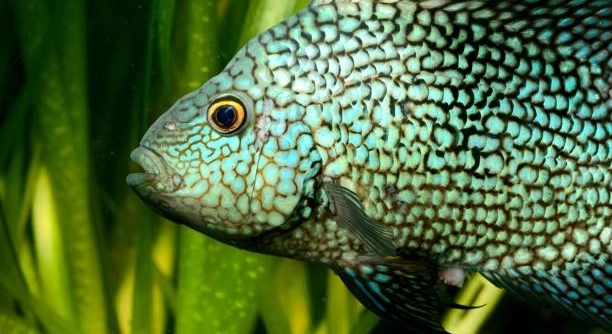
Have you ever wondered how your Jack Dempsey fish thrive in their aquarium environment? These vibrant fish rely on more than just food to stay healthy and active in their aquatic home. Maintaining the right water conditions is essential for their well-being.
Jack Dempsey fish depend on specific water parameters, including temperature, pH, hardness, ammonia, nitrite, nitrate, and oxygen levels. Proper monitoring and regulation of these factors ensure optimal health, growth, and behavior in both home and professional aquarium settings.
Understanding these water conditions will help you create a stable and safe environment for your fish. Each parameter plays a role in keeping your Jack Dempsey happy and thriving.
Temperature Requirements
Jack Dempsey fish thrive in warm water, ideally between 75°F and 82°F. Maintaining a stable temperature is crucial, as sudden fluctuations can stress the fish, weaken their immune system, and make them more susceptible to disease. A reliable aquarium heater and thermometer help ensure the water stays within this range. Avoid placing the tank near drafty windows or air conditioning vents, which can cause unexpected drops in temperature. Observing your fish’s behavior can also indicate temperature stress. Signs like lethargy, clamped fins, or reduced appetite often point to water that is too cold. On the other hand, water that is too warm can lead to increased metabolism, making them more aggressive and reducing oxygen levels. Regular monitoring allows you to respond quickly if adjustments are needed. Consistency is key, as Jack Dempseys are less tolerant of extreme or sudden changes than some other cichlid species.
Maintaining a steady temperature reduces stress, supports proper metabolism, and promotes long-term health for Jack Dempsey fish.
A stable, warm environment not only keeps your Jack Dempsey healthy but also encourages natural behavior. Proper temperature allows them to feed efficiently, interact normally with tank mates, and display their vibrant colors. Sudden shifts can lead to illness or aggression, so careful observation and equipment checks are essential. Using a high-quality heater with a reliable thermostat and placing it strategically in the tank ensures even heat distribution. Regular water testing combined with visual monitoring of your fish provides a clear picture of their comfort level. Temperature stability also benefits beneficial bacteria in the filter, contributing to overall water quality. Small adjustments over time are safer than sudden changes, which can shock the fish. By prioritizing temperature control, you create a supportive environment where your Jack Dempsey can thrive physically and behaviorally. Consistent warmth strengthens immunity, encourages growth, and reduces stress, creating a healthier aquarium ecosystem overall.
pH Levels
Jack Dempseys prefer slightly acidic to neutral water, with a pH range of 6.5 to 7.5.
Maintaining the correct pH ensures proper metabolic function, supports immune health, and keeps your fish comfortable. Regular testing and gradual adjustments prevent harmful fluctuations.
pH stability is essential because sudden changes can stress Jack Dempseys, making them more vulnerable to disease. Using natural methods, like driftwood or peat, can lower pH gently, while crushed coral or limestone can raise it if needed. Chemical buffers are also available, but changes should always be slow and measured. Observing your fish is helpful; signs of stress such as hiding, erratic swimming, or reduced feeding can indicate that pH levels are off. Consistent pH also benefits the tank’s biological filtration, allowing beneficial bacteria to thrive. Over time, small adjustments maintain balance, supporting health, color, and behavior. By prioritizing pH control, you create a stable environment that encourages natural activity and reduces stress, ensuring your Jack Dempsey flourishes in a well-maintained tank.
Water Hardness
Jack Dempsey fish do best in moderately hard water, between 8 and 12 dGH. Proper hardness supports bone development, overall health, and helps maintain stable pH levels in the aquarium.
Water hardness affects many aspects of fish physiology, including growth, reproduction, and coloration. Jack Dempseys in soft water may show stress or slower growth, while excessively hard water can lead to mineral buildup and health complications. Using a reliable test kit allows you to monitor both general hardness (GH) and carbonate hardness (KH) regularly. Adjustments can be made with mineral supplements or by mixing tap water with reverse osmosis water to achieve optimal levels. Stable water hardness also helps beneficial bacteria thrive, supporting the aquarium’s nitrogen cycle.
Proper water hardness improves osmoregulation, helping Jack Dempseys maintain fluid balance and stay healthy. Combined with stable pH and temperature, it contributes to a consistent environment that reduces stress and encourages natural behavior. Gradual adjustments are safer than abrupt changes, preventing shock and illness. Regular monitoring and small corrections ensure your fish remain active, colorful, and resilient over time, creating a stable ecosystem for all tank inhabitants.
Ammonia and Nitrite Levels
Ammonia and nitrite must always be at 0 ppm to prevent stress and toxicity in Jack Dempseys. Even low levels can harm their gills and overall health.
Ammonia and nitrite are highly toxic to fish. In a well-established aquarium, beneficial bacteria convert ammonia into nitrite, then into nitrate, which is less harmful. Frequent water testing and proper filtration are essential to maintain safe levels. Overfeeding and inadequate cleaning can spike ammonia and nitrite, causing lethargy, gasping at the surface, and fin damage. Immediate partial water changes and careful monitoring help mitigate these risks. Keeping these levels at zero ensures a safe, healthy environment.
Consistently low ammonia and nitrite allow Jack Dempseys to thrive without stress or illness. Regular observation, combined with mechanical and biological filtration, prevents harmful accumulation. Tank maintenance, including removing uneaten food and cleaning substrate, supports bacterial colonies that process waste efficiently. A stable cycle reduces sudden chemical spikes, protecting fish from shock and disease. Proper feeding, careful stocking levels, and monitoring water quality prevent future problems, ensuring your Jack Dempsey grows strong and remains vibrant.
Nitrate Levels
Nitrate should be kept below 40 ppm to prevent stress and long-term health issues in Jack Dempseys. Regular water changes help maintain safe nitrate levels and support a healthy tank environment.
High nitrate levels can weaken the immune system and reduce overall vitality. Proper filtration and weekly partial water changes keep nitrate in check, promoting stable, healthy conditions for your fish.
Oxygen Levels
Jack Dempsey fish require well-oxygenated water for proper respiration and activity. Adequate surface agitation and filtration ensure consistent oxygen distribution throughout the tank.
Water Clarity
Clear water helps monitor fish health and behavior while preventing buildup of harmful substances. Regular maintenance and filtration are key to keeping the tank water transparent and safe.
FAQ
What is the ideal temperature for Jack Dempsey fish?
Jack Dempsey fish thrive between 75°F and 82°F. Consistent temperature supports their metabolism, reduces stress, and promotes healthy growth. Using a reliable heater and thermometer helps maintain stability. Avoid placing the tank near drafts or direct sunlight, as sudden changes can shock your fish.
How often should I test the pH of my tank?
Testing pH once a week is usually sufficient for a stable tank. Jack Dempseys prefer slightly acidic to neutral water, around 6.5 to 7.5. Sudden pH fluctuations can stress them, so gradual adjustments are essential. Observing your fish’s behavior can also indicate problems with pH.
What is the best way to maintain water hardness?
Moderate hardness between 8 and 12 dGH is ideal. Use a test kit to monitor GH and KH regularly. Adjust hardness gradually with mineral supplements or by mixing tap water with reverse osmosis water. Proper hardness supports bone development, overall health, and pH stability.
How do I prevent ammonia and nitrite spikes?
Ammonia and nitrite must remain at 0 ppm. Overfeeding, overcrowding, or poor cleaning can cause spikes. Proper filtration and regular water changes help maintain safe levels. Establishing a healthy bacterial colony in the filter is essential for processing waste efficiently.
What nitrate levels are safe for Jack Dempseys?
Keep nitrates below 40 ppm. High nitrate can weaken the immune system and reduce vitality. Regular water changes, proper feeding, and a strong filtration system help keep nitrates in check. Consistent maintenance prevents harmful buildup over time.
How can I improve oxygen levels in my tank?
Surface agitation, air stones, and proper filtration increase oxygen availability. Well-oxygenated water ensures your Jack Dempsey remains active and healthy. Avoid overcrowding, as it can reduce oxygen levels and create stress.
Why is water clarity important?
Clear water allows you to monitor your fish’s health and behavior. It prevents buildup of harmful substances and supports a balanced ecosystem. Regular cleaning, filtration, and partial water changes keep the tank transparent and safe.
Can Jack Dempsey fish tolerate changes in water parameters?
They are less tolerant of sudden changes than some cichlid species. Rapid fluctuations in temperature, pH, hardness, or chemical levels can cause stress, illness, or even death. Gradual adjustments and consistent monitoring are key to maintaining their health.
How do I know if my Jack Dempsey is stressed by water conditions?
Signs include lethargy, clamped fins, reduced appetite, erratic swimming, or hiding. Observing behavior alongside regular water testing helps identify issues before they become serious. Immediate action, such as partial water changes or parameter adjustments, can reduce stress.
What equipment is essential for maintaining proper water parameters?
A quality heater, thermometer, test kits for pH, GH, KH, ammonia, nitrite, and nitrate, along with a reliable filtration system, are necessary. Optional air stones or surface agitators improve oxygen levels. Consistent monitoring and maintenance ensure a stable, healthy environment.
How often should I perform water changes?
Weekly partial water changes of 20-30% help maintain safe levels of nitrates, ammonia, and other parameters. Regular changes support beneficial bacteria, remove waste, and prevent chemical buildup, creating a safer environment for Jack Dempseys.
Can diet affect water parameters?
Yes, overfeeding can increase ammonia and nitrate levels quickly. Feeding the right amount and removing uneaten food prevents spikes and supports water quality. A balanced diet also helps maintain the fish’s health and color.
How do decorations or substrate affect water parameters?
Driftwood can lower pH, while crushed coral or limestone can raise it. Substrate choice influences hardness and chemical balance. Being mindful of materials ensures they complement the desired water parameters and do not cause sudden changes.
Are Jack Dempseys compatible with other fish considering water parameters?
Compatibility depends on species that share similar temperature, pH, and hardness preferences. Aggression levels and space requirements also matter. Proper research and monitoring prevent stress and conflicts in a mixed tank.
What is the best approach to long-term water stability?
Consistency is key. Regular testing, maintenance, and gradual adjustments to temperature, pH, hardness, and chemical levels create a stable environment. Stable water supports health, behavior, and growth, reducing stress and extending the lifespan of your Jack Dempsey.
How do I deal with unexpected changes in water parameters?
Identify the source immediately, such as overfeeding, equipment failure, or contamination. Perform partial water changes, adjust parameters slowly, and monitor the fish for stress. Quick, careful action minimizes long-term harm and keeps your tank balanced.
Can water parameters influence breeding in Jack Dempseys?
Yes, stable temperature, pH, hardness, and clean water are essential for breeding success. Stress from poor conditions reduces spawning behavior and fry survival. Optimizing all parameters encourages natural breeding behaviors and healthy offspring.
How does filtration impact water quality?
Filtration removes waste, toxins, and debris, supporting stable chemical levels. Biological filtration promotes beneficial bacteria that process ammonia and nitrite. Mechanical and chemical filtration enhance clarity, oxygen levels, and overall tank health, directly affecting Jack Dempsey vitality.
What signs indicate water testing is needed more frequently?
Sudden behavioral changes, cloudy water, algae blooms, or unusual odors signal the need for immediate testing. Increased frequency helps detect issues early and prevents long-term damage to your Jack Dempsey.
How important is monitoring combined with observation?
Regular testing provides data, but observing fish behavior gives context. Together, they reveal potential problems early. Monitoring ensures water parameters support health, while observation detects subtle signs of stress or illness.
What is the safest way to adjust water parameters?
Make changes gradually to prevent shock. Small, measured adjustments to pH, hardness, or temperature over hours or days allow fish to adapt. Patience is critical to maintaining a stable, healthy tank environment.
How do I maintain healthy bacteria in the tank?
Avoid over-cleaning filter media. Beneficial bacteria convert harmful ammonia and nitrite into nitrate. Regular partial water changes, appropriate feeding, and stable water parameters support a thriving bacterial colony, which is essential for long-term tank stability.
What should I do if parameters are consistently unstable?
Check equipment, water source, and tank setup. Consider improving filtration, reducing stocking levels, or using water conditioners. Consistency in monitoring and maintenance helps restore stability, protecting the health of your Jack Dempsey.
How do I balance all parameters at once?
Prioritize gradual adjustments, starting with temperature, then pH and hardness, followed by chemical levels. Regular testing, proper feeding, and consistent maintenance create a harmonious environment. Patience ensures safe, long-term stability.
Why is ongoing monitoring essential even if fish appear healthy?
Fish can mask stress until health declines. Consistent testing and observation catch subtle shifts in water parameters before they become harmful, ensuring continued vitality and longevity of Jack Dempseys.
How often should I review my tank setup?
Quarterly reviews of equipment, substrate, decorations, and filtration prevent surprises. Checking each component ensures they support stable parameters, allowing Jack Dempseys to remain healthy and active.
Can stress from poor water conditions affect coloration?
Yes, stress dulls vibrant colors and reduces natural display. Maintaining proper parameters, stable environment, and low stress promotes bright, healthy coloration in Jack Dempseys.
How do I manage multiple Jack Dempseys in one tank?
Overcrowding increases waste, impacting water quality. Maintain proper filtration, regular water changes, and monitoring. Provide hiding spaces and observe aggression to ensure all fish thrive while parameters remain stable.
What is the connection between water parameters and fish behavior?
Stable parameters support normal feeding, activity, and social interactions. Poor water quality can cause lethargy, hiding, aggression, or erratic swimming. Consistent care fosters predictable, healthy behavior patterns in Jack Dempseys.
How do seasonal changes affect water parameters?
Temperature fluctuations, evaporation, and water source changes can affect pH and hardness. Regular monitoring and adjustments account for these seasonal shifts, keeping the environment stable year-round.
What common mistakes affect water quality?
Overfeeding, irregular water changes, insufficient filtration, and neglecting tests can destabilize water. Avoid abrupt changes and maintain a consistent routine to protect Jack Dempseys from stress and illness.
How do I ensure long-term success with water parameters?
Commit to consistent monitoring, gradual adjustments, proper feeding, and equipment maintenance. Balanced parameters reduce stress, support health, and create a thriving environment for Jack Dempseys for years.
What tools simplify water management?
Reliable heaters, thermometers, test kits, and quality filters simplify monitoring and adjustments. Automated systems like timers or dosing pumps can assist but should complement regular observation and maintenance.
How do I recover from a parameter-related health issue?
Identify the problematic factor, stabilize water gradually, and support fish with proper feeding and reduced stress. Consistent care allows recovery, restoring health and vitality.
Can water treatments harm Jack Dempseys if misused?
Yes, overdosing conditioners, pH adjusters, or medications can stress or poison fish. Always follow instructions, make slow changes, and monitor fish carefully during treatment.
How do I maintain balance when adding new fish?
Quarantine new fish to prevent disease introduction. Monitor water parameters closely, as added bioload can affect ammonia, nitrite, and nitrate. Gradual acclimation ensures stable conditions.
How often should I replace or clean filtration media?
Rinse media gently in tank water during water changes to preserve beneficial bacteria. Replace only when necessary, following manufacturer guidance, to maintain filtration efficiency without destabilizing the tank.
What role does substrate choice play in water parameters?
Substrate can affect pH and hardness. Sand, gravel, or crushed coral can subtly influence water chemistry. Choosing compatible substrate ensures stable parameters and prevents sudden chemical shifts.
How important is consistency compared to exact numbers?
Consistency is more critical than hitting precise values. Gradual changes and stable conditions minimize stress, even if readings are slightly outside the ideal range, supporting long-term fish health.
How do I track water parameter trends over time?
Keep a journal or use digital logs to record test results. Tracking trends helps anticipate issues, plan maintenance, and maintain a stable environment for your Jack Dempsey.
What steps reduce stress during water adjustments?
Make changes slowly, provide hiding spaces, and avoid sudden environmental disruptions. Observing fish behavior ensures they adapt without harm, reducing stress during adjustments.
Can stress from poor water conditions affect breeding success?
Yes, unstable parameters inhibit spawning behavior and fry survival. Optimizing temperature, pH, hardness, and chemical balance encourages successful breeding and healthy offspring.
How do I balance feeding and water quality?
Feed appropriate amounts and remove uneaten food to prevent ammonia and nitrate spikes. Proper diet supports health without compromising water parameters.
What is the best routine for maintaining water stability?
Regular testing, scheduled water changes, equipment checks, and observation create a consistent routine. Consistency in care prevents parameter fluctuations, promoting healthy, active Jack Dempseys.
How do I prevent algae growth while maintaining parameters?
Control light exposure, avoid overfeeding, and keep nitrate levels in check. Balanced parameters reduce excess nutrients that fuel algae, keeping the tank healthy and clear.
How does tank size affect water parameter management?
Larger tanks buffer changes more effectively, making parameters easier to maintain. Smaller tanks are more sensitive to fluctuations, requiring closer monitoring and more frequent adjustments.
What is the best way to introduce parameter changes for acclimation?
Gradually mix new water or adjust slowly over hours to days. Sudden shifts can shock Jack Dempseys. Patience ensures safe adaptation.
Can plants help maintain water parameters?
Live plants absorb nitrates, produce oxygen, and provide shelter. They contribute to stability, reduce stress, and support a healthier ecosystem for Jack Dempseys.
How does water flow influence parameters?
Proper circulation ensures even temperature, oxygen distribution, and waste removal. Stagnant areas can develop localized ammonia or low oxygen, stressing fish and destabilizing the tank.
What signs indicate parameter-related illness?
Symptoms include lethargy, gasping, discolored fins, clamped fins, or abnormal swimming. Regular testing and observation help identify and address the underlying issue promptly.
How can I simplify monitoring multiple parameters?
Use a testing schedule, keep records, and prioritize critical parameters like ammonia, nitrite, pH, and temperature. Combining observation with data ensures a stable, healthy environment.
What is the long-term benefit of maintaining proper water parameters?
Stable water supports growth, coloration, behavior, immunity, and lifespan. Consistency reduces stress, prevents disease, and creates a thriving habitat for Jack Dempseys, ensuring a healthy aquarium for years.
Proper water management is essential for keeping Jack Dempsey fish healthy and thriving in an aquarium. These fish rely on stable conditions for temperature, pH, hardness, ammonia, nitrite, nitrate, and oxygen levels. Each parameter plays a specific role in maintaining overall health, behavior, and growth. Sudden changes in water quality can stress the fish, reduce their immune response, and even lead to illness or death. By focusing on consistent monitoring and maintenance, you can prevent common problems before they become serious. Using reliable equipment such as heaters, thermometers, filtration systems, and test kits ensures that all water parameters remain within safe ranges. Small adjustments over time are always better than abrupt changes, allowing the fish to adapt without unnecessary stress.
Maintaining water quality is a continuous process, not a one-time task. Regular testing, weekly partial water changes, and careful feeding routines all contribute to stability in the aquarium. Observing your fish closely provides additional insight into their comfort and health, revealing subtle signs of stress or illness that may not show up in water tests alone. For example, behaviors like hiding, clamped fins, or reduced appetite can indicate that water conditions need attention. Keeping nitrates low and ammonia and nitrite at zero is crucial for avoiding long-term health problems. Consistent water hardness and pH levels support metabolism and growth, while proper oxygenation ensures that your fish remain active and alert. Each of these measures works together to create a balanced environment that promotes the overall well-being of your Jack Dempsey fish.
Creating a stable and healthy habitat also has long-term benefits for the aquarium ecosystem as a whole. Proper water management helps maintain beneficial bacterial colonies that process waste efficiently, preventing toxic buildup and supporting water clarity. The presence of live plants and appropriate substrate can further aid in maintaining balance by absorbing nitrates and providing natural shelter. By prioritizing water quality and consistency, you reduce stress on the fish and encourage natural behaviors such as feeding, interaction, and even breeding. Long-term commitment to these practices not only enhances the health, coloration, and vitality of your Jack Dempsey but also simplifies aquarium care overall. In the end, thoughtful and regular attention to water parameters ensures a safe, comfortable, and thriving environment for these fish, allowing them to live longer, healthier lives in your care.

Hello,
If you enjoy the content that we create, please consider saying a "Thank You!" by leaving a tip.
Every little bit helps us continue crafting quality advice that supports the health, happiness, and well-being of pets around the world, for pets of all shapes, sizes, and species.
We really appreciate the kindness and support that you show us!