
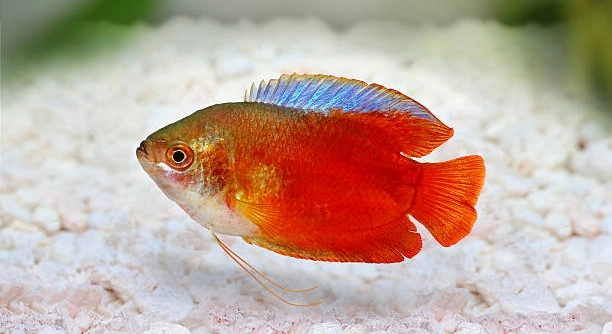
Gouramis are colorful, peaceful fish that brighten up any freshwater aquarium. Keeping them healthy requires understanding their environment, including the water they live in, which can greatly affect their growth and well-being.
Maintaining optimal water parameters is essential for gouramis to thrive. Key factors include temperature, pH, hardness, ammonia, nitrite, nitrate, and oxygen levels. Regular monitoring and adjustments ensure a stable habitat, reduce stress, and prevent disease in these sensitive fish.
Knowing the right water conditions can make all the difference for your gouramis’ health. Small changes can have a big impact on their happiness and longevity in the tank.
Temperature
Gouramis need warm water to stay healthy and active. Most species thrive between 75°F and 82°F (24°C–28°C). Keeping the water within this range supports their metabolism, digestion, and immune system. Sudden changes in temperature can stress them, making them more prone to illness. Using a reliable heater with a thermostat ensures stability. Monitoring the temperature daily helps catch fluctuations early. Even small drops can affect their behavior, causing lethargy or hiding. Tropical fish like gouramis are sensitive, so consistency is more important than hitting an exact number. Avoid placing the tank near drafts, windows, or direct sunlight, as this can cause unpredictable changes. In addition to the heater, using a thermometer helps you track trends over time. Proper temperature management also improves the effectiveness of beneficial bacteria in the filter, keeping water chemistry stable. With careful attention, gouramis will be more active, show brighter colors, and remain healthy for longer periods.
Maintaining the right temperature reduces stress and supports the fish’s immune system. Stability is key for their overall well-being.
Proper heating also helps during seasonal changes. Gouramis are less active in cooler water and may stop eating, which can lead to long-term health problems. Consistent warmth encourages normal feeding, growth, and breeding behavior. Using a quality heater and monitoring daily allows you to avoid sudden temperature swings. Pairing this with proper filtration and tank placement ensures the aquarium environment remains steady, reducing illness and improving quality of life.
pH Level
Gouramis prefer slightly acidic to neutral water, generally around 6.0 to 7.5. This range keeps them comfortable and healthy, supporting metabolic and reproductive functions.
Maintaining stable pH prevents stress and protects delicate gill tissues. Sudden shifts can trigger illness or behavioral changes.
Regular testing of pH is essential, especially in new setups or after water changes. pH levels can fluctuate due to tap water composition, substrate, or added decorations. If levels rise or fall outside the recommended range, using natural methods like driftwood or peat moss can gently adjust acidity. Avoid chemicals that cause rapid swings, as gouramis do not handle sudden changes well. Consistent pH supports beneficial bacteria in the filter, improving overall water quality and reducing ammonia buildup. Observing fish behavior can also indicate pH problems—lethargy, hiding, or gasping at the surface may signal imbalance. By keeping pH stable, you create an environment where gouramis can thrive, eat regularly, and show natural behaviors, making the aquarium both healthier and more visually enjoyable.
Water Hardness
Gouramis do best in soft to moderately hard water, generally between 5 and 15 dGH. Hardness affects mineral balance, which influences growth and overall health. Keeping it consistent prevents stress and supports proper biological functions.
Water hardness influences how minerals interact with your tank’s chemistry. Soft water with fewer dissolved minerals can make gouramis more sensitive to toxins like ammonia and nitrite. Moderately hard water provides a buffer against sudden chemical changes, protecting delicate gills and improving overall resilience. Regular testing ensures you know where your tank stands. Adjusting hardness can be done naturally through mineral-rich substrates or reverse osmosis water blended with tap water. Avoid drastic changes in hardness, as gouramis need time to adapt. Consistency allows them to eat normally, remain active, and display their natural colors more vibrantly.
Monitoring hardness also helps maintain a healthy bacterial balance in the filter. Beneficial bacteria require certain minerals to function optimally, reducing harmful compounds. Proper hardness supports strong scales, smooth swimming, and better digestion. Over time, it encourages breeding behavior and prevents deformities in young fish. Keeping this parameter stable contributes to long-term health and ensures your gouramis live comfortably in a balanced environment.
Ammonia Levels
Ammonia should always be at 0 ppm in a gourami tank. Even low levels can cause stress, gill damage, and make them more prone to disease.
Ammonia comes from fish waste, uneaten food, and decaying plants. A properly cycled tank with adequate filtration breaks down ammonia into less harmful compounds, preventing dangerous spikes. Regular water testing ensures levels remain safe. If ammonia rises, immediate partial water changes help lower it. Avoid overfeeding and remove debris promptly to limit ammonia buildup. Healthy plants can also absorb small amounts of ammonia, contributing to cleaner water. Consistency in maintenance is key.
Keeping ammonia at zero supports oxygen transport in the blood, reduces lethargy, and prevents skin irritation. Even short-term exposure can harm sensitive gouramis, so vigilance is crucial. A combination of good filtration, careful feeding, and regular testing ensures the tank remains safe. This stability promotes active swimming, proper feeding, and natural behaviors. Long-term attention to ammonia prevents sudden health issues, keeps the aquarium balanced, and provides a more enjoyable, stress-free environment for the fish.
Nitrite Levels
Nitrite should always remain at 0 ppm. Even small amounts can stress gouramis and interfere with oxygen absorption, causing weakness and lethargy.
Regular water changes and a well-established biological filter help keep nitrite in check. Testing frequently ensures the tank stays safe and healthy for your fish.
Nitrate Levels
Nitrate is less toxic than ammonia or nitrite but should be kept below 20–40 ppm. High nitrate levels can stress gouramis, weaken their immune system, and promote algae growth. Regular partial water changes, removing decaying matter, and maintaining live plants help control nitrate buildup effectively. Consistent monitoring prevents long-term health issues, keeps fish active, and maintains water clarity, creating a healthier and more stable environment for gouramis to thrive.
Oxygen Levels
Adequate oxygen is essential for gouramis, especially in warmer water where oxygen decreases. Aeration, surface movement, and plants help maintain proper oxygenation in the tank.
FAQ
What is the best temperature for gouramis?
The ideal temperature for most gouramis is between 75°F and 82°F (24°C–28°C). Staying within this range supports their metabolism, digestion, and immune system. Using a reliable heater with a thermostat helps maintain consistent warmth, while a thermometer ensures you can monitor small fluctuations that might stress the fish.
How often should I check pH levels?
pH should be tested weekly or whenever performing a water change. Gouramis prefer slightly acidic to neutral water, around 6.0 to 7.5. Sudden shifts can stress them, so keeping it stable is more important than adjusting to a precise number. Natural methods like driftwood or peat moss can gently adjust pH if needed.
What water hardness is ideal?
Soft to moderately hard water, around 5 to 15 dGH, is best. Hardness affects mineral balance, which supports growth, strong scales, and proper bacterial activity. Avoid sudden changes, as gouramis need time to adapt. Using mineral-rich substrates or blending reverse osmosis water with tap water can help manage hardness.
Why is ammonia dangerous for gouramis?
Ammonia, even in small amounts, is toxic. It comes from waste, uneaten food, and decaying plants. Exposure can damage gills, reduce oxygen transport, and cause stress or illness. Maintaining a fully cycled tank, using proper filtration, and performing regular partial water changes keeps ammonia at 0 ppm.
How can I control nitrite levels?
Nitrite should remain at 0 ppm. Biological filtration converts ammonia to nitrite and then to nitrate. Frequent testing and proper water maintenance prevent spikes. Removing uneaten food and debris, along with regular partial water changes, ensures the tank stays safe for gouramis.
Are nitrates harmful?
Nitrate is less toxic but should stay below 20–40 ppm. High levels weaken the immune system, stress fish, and encourage algae growth. Partial water changes, removing decaying matter, and live plants help keep nitrates under control. Consistent monitoring is key to maintaining a healthy environment.
How do I ensure proper oxygen levels?
Warm water holds less oxygen, making aeration important. Surface agitation from filters, air stones, or plants increases oxygen exchange. Observing fish behavior, such as gasping at the surface, can indicate low oxygen. Maintaining good circulation and clean water ensures gouramis have enough oxygen for healthy activity and growth.
Can I keep multiple gourami species together?
Yes, but avoid overcrowding. Each fish needs enough space to swim and claim territory. Maintaining stable water parameters for all species is crucial. Monitor for aggression, as gouramis can be territorial, especially males. Proper tank size, hiding spots, and balanced stocking reduce conflicts and keep stress low.
How often should I perform water changes?
Partial water changes of 20–30% weekly are recommended. This helps control ammonia, nitrite, and nitrate levels while maintaining overall water quality. Consistency in water changes stabilizes parameters, supports healthy bacteria, and provides a cleaner, more comfortable environment for gouramis.
Can plants help maintain water parameters?
Yes, live plants absorb nitrates, produce oxygen, and provide hiding spots. They help buffer minor pH fluctuations and reduce stress for gouramis. Plants also contribute to a more natural environment, improving behavior, coloration, and overall health. Combining plants with proper filtration enhances stability and long-term tank balance.
What should I do if water parameters spike suddenly?
Immediate partial water changes help reduce dangerous compounds like ammonia or nitrite. Test all parameters to identify the problem and adjust filtration or chemical buffers as needed. Avoid overreacting with drastic changes, as sudden shifts can stress gouramis further. Slow, controlled adjustments are safer and more effective.
How do I monitor water consistently?
Use test kits for ammonia, nitrite, nitrate, pH, and hardness. Thermometers track temperature, while observing fish behavior can indicate stress. Keeping a log of results helps detect trends and prevents problems before they become serious. Consistent monitoring is key to maintaining a safe, healthy environment for gouramis.
Is tap water safe for gouramis?
Tap water can be safe if treated for chlorine, chloramine, and heavy metals. Using a water conditioner removes harmful chemicals. Testing pH, hardness, and nitrates ensures it meets the species’ needs. Conditioning tap water before adding it to the tank reduces stress and protects fish health.
How long do gouramis live with proper care?
With stable water parameters, proper feeding, and minimal stress, gouramis can live 4–7 years on average. Maintaining temperature, pH, hardness, and oxygen levels consistently supports longevity, while preventing disease and promoting active, healthy behavior. Regular observation and maintenance improve their lifespan significantly.
Can I breed gouramis at home?
Yes, but success depends on stable water conditions, proper diet, and suitable tank setup. Males build bubble nests, and water must be clean and slightly warmer for spawning. Monitoring water parameters closely during breeding is essential to ensure the health of both adults and fry.
What signs indicate poor water quality?
Lethargy, loss of appetite, gasping at the surface, faded colors, or unusual hiding behavior can indicate poor water quality. Testing parameters immediately helps identify the cause. Correcting issues promptly with water changes, filtration checks, and adjustments reduces stress and prevents disease.
Are gouramis sensitive to temperature changes?
Yes, sudden shifts can weaken the immune system and affect feeding. Maintaining a steady temperature within their preferred range is critical. Using a heater with a thermostat and checking with a thermometer daily ensures stable conditions and prevents stress-related illness.
How do I safely adjust pH or hardness?
Use natural methods like driftwood, peat moss, or mineral substrates. Avoid chemical additives that cause rapid swings. Gradual adjustments allow gouramis to adapt without stress, while monitoring with test kits ensures parameters reach the desired range safely.
Can overcrowding affect water parameters?
Yes, too many fish increase ammonia, nitrite, and nitrate levels. Overcrowding stresses gouramis and reduces oxygen availability. Proper stocking, filtration, and regular maintenance help maintain stable conditions and prevent health issues related to poor water quality.
What is the most important parameter to monitor daily?
Temperature is the most sensitive parameter to check daily, as fluctuations can immediately stress gouramis. Observing fish behavior alongside readings helps ensure their environment remains stable, safe, and conducive to health, activity, and growth.
Keeping gouramis healthy requires paying close attention to their water parameters. Temperature, pH, hardness, ammonia, nitrite, nitrate, and oxygen levels all play important roles in their overall well-being. Maintaining these conditions consistently helps prevent stress, illness, and behavioral changes. Regular testing and monitoring allow you to catch small problems before they become serious. Even minor fluctuations in water chemistry can affect their metabolism, immune system, and activity levels. Using a reliable heater, thermometer, and filtration system makes it easier to maintain stable conditions. Adding live plants can also support water quality and create a more natural, comfortable environment. When water parameters are stable, gouramis are more likely to display vibrant colors, feed regularly, and behave normally, which makes keeping them in an aquarium more rewarding.
Proper maintenance is not just about equipment but also about habits and observation. Weekly water testing and partial water changes help remove harmful compounds and keep levels within safe ranges. Cleaning the substrate, removing uneaten food, and trimming dead plant material prevent excess buildup of ammonia and nitrates. Watching your fish for signs of stress, such as hiding, gasping at the surface, or loss of appetite, can provide early warnings of water problems. Even small tanks require attention, as conditions can change quickly in a limited environment. Being consistent with care routines creates a safer, more balanced home for gouramis. Over time, these practices support healthier fish that are less prone to disease and live longer, more active lives.
Understanding the importance of each parameter makes it easier to manage an aquarium successfully. Temperature affects metabolism and feeding, pH influences chemical balance, hardness supports biological processes, and oxygen is essential for survival. Ammonia, nitrite, and nitrate levels must be kept in check to avoid toxicity, while stable conditions reduce stress. By prioritizing these factors, you create a habitat where gouramis can thrive. Attention to detail and consistency in maintenance build confidence and help prevent avoidable problems. Over time, keeping water parameters stable becomes a natural part of aquarium care, resulting in healthy, vibrant gouramis and a more enjoyable experience overall.

Hello,
If you enjoy the content that we create, please consider saying a "Thank You!" by leaving a tip.
Every little bit helps us continue crafting quality advice that supports the health, happiness, and well-being of pets around the world, for pets of all shapes, sizes, and species.
We really appreciate the kindness and support that you show us!