
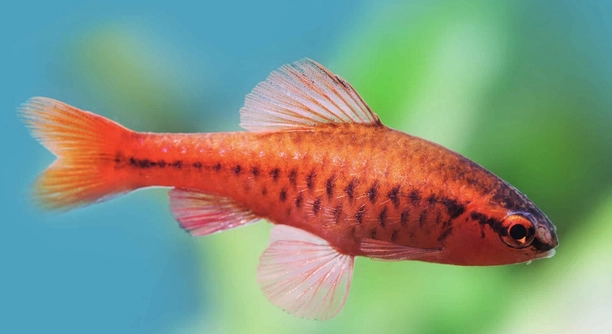
Cherry barbs are small, colorful fish that can be sensitive to changes in their environment. Keeping them healthy involves understanding the factors that can cause them stress. One of the most significant factors is water fluctuations.
Water fluctuations, including changes in temperature, pH, hardness, salinity, and oxygen levels, can have negative effects on cherry barbs. These fish rely on stable conditions for optimal health. Even minor variations in water parameters may cause stress, weakening their immune systems.
Understanding how water fluctuations affect cherry barbs can help you create a stable environment for them. Maintaining consistent water conditions ensures their well-being and prevents unnecessary stress.
Temperature Fluctuations and Their Impact
Temperature changes are one of the most common water fluctuations that can stress cherry barbs. These fish thrive in a stable range of 72–78°F (22–26°C). If the temperature rises or falls too much, it can cause discomfort and affect their immune system. Stress from extreme temperatures may make them more vulnerable to diseases. It’s important to monitor the water temperature regularly and avoid sudden shifts, especially in tanks with limited temperature control.
When the water temperature fluctuates, it can also lead to changes in the oxygen levels in the water. This can cause cherry barbs to become lethargic or struggle to breathe. Ensuring that their habitat remains within a safe and comfortable temperature range is crucial.
A reliable aquarium heater can help maintain consistent temperatures, preventing stress from temperature fluctuations. Using a thermometer to check the water daily ensures that you catch any changes early and can act before your fish experience any harm.
pH Level Variations
The pH level in an aquarium influences the overall health of your cherry barbs. These fish prefer water with a slightly acidic to neutral pH, ideally between 6.5 and 7.5. Fluctuating pH levels can cause stress, impacting their ability to absorb nutrients and oxygen.
Maintaining a stable pH is essential for cherry barbs’ well-being. Sudden pH swings may result in stress behaviors, such as hiding or erratic swimming. Testing the water regularly can help prevent drastic pH changes.
Hardness Fluctuations
Water hardness refers to the levels of dissolved minerals, such as calcium and magnesium. Cherry barbs prefer soft to moderately hard water. Significant shifts in hardness can cause stress and disrupt their natural behavior.
Fluctuations in water hardness can make it harder for cherry barbs to adjust and affect their overall health. If the hardness increases suddenly, the fish may become more stressed and their growth can be stunted. This can also lead to a decrease in reproduction rates.
To avoid these issues, it’s important to test your water hardness regularly and adjust as needed. Softening or hardening agents can help maintain the right balance, ensuring a healthier environment for your fish.
Oxygen Level Changes
Oxygen levels in the water are essential for the well-being of cherry barbs. Low oxygen levels due to water changes or overcrowding can cause them to become stressed or lethargic. They may struggle to breathe properly.
To maintain optimal oxygen levels, ensure proper water circulation in the tank. Adding a reliable filter or air pump can help promote oxygen exchange. Regularly check the water to ensure there’s enough oxygen for your fish. In tanks with plants, they can also help oxygenate the water, making it easier for cherry barbs to thrive.
Salinity Shifts
Cherry barbs are freshwater fish and do not tolerate significant salinity changes. Even small increases in salt concentration can lead to stress, affecting their immune system and overall health. It’s crucial to maintain a freshwater environment without introducing salt unless necessary for treatment.
Maintaining a freshwater habitat with stable salinity levels is important to prevent unnecessary stress. If salt is required for treating a specific issue, ensure that the salinity is returned to normal levels afterward. Regularly test the water to confirm salinity remains within the acceptable range for cherry barbs.
Ammonia and Nitrite Levels
Ammonia and nitrite spikes are toxic to fish, including cherry barbs. High concentrations can damage their gills, affecting their breathing and leading to stress. It’s vital to monitor the nitrogen cycle in your aquarium to prevent dangerous spikes.
Regular water changes and proper filtration can help keep ammonia and nitrite levels under control. Test the water frequently, especially when introducing new fish or plants, to ensure that toxic compounds don’t build up.
FAQ
What water temperature is ideal for cherry barbs?
Cherry barbs thrive in temperatures between 72–78°F (22–26°C). Maintaining a steady temperature within this range is essential for their health. Fluctuations above or below this range can cause stress, weaken their immune systems, and make them more susceptible to diseases. A reliable aquarium heater can help keep the temperature stable. Use a thermometer to check the water regularly.
How do I test the pH level in my aquarium?
Testing the pH level is simple with a test kit, which can be purchased at most pet stores. These kits usually come with strips or liquid reagents that change color to indicate the pH. Cherry barbs prefer water with a pH between 6.5 and 7.5. Regular testing ensures the pH stays stable, preventing stress and potential harm to your fish.
Can cherry barbs tolerate changes in water hardness?
Cherry barbs prefer soft to moderately hard water. Fluctuations in water hardness can cause stress, making it harder for the fish to adapt. To avoid this, regularly test water hardness using a kit designed for aquariums. If changes are necessary, softening or hardening agents can help stabilize the water.
How can I prevent oxygen depletion in my tank?
To maintain sufficient oxygen levels, ensure good water circulation. A quality filter or air pump helps promote oxygen exchange. Plants also contribute by oxygenating the water, especially during the day when they photosynthesize. Make sure your tank isn’t overcrowded, as this can reduce the available oxygen for your fish.
Is it safe to use salt in a tank with cherry barbs?
Cherry barbs are freshwater fish, so introducing salt to their tank can stress them. Salt should only be used when necessary for specific treatments, and the salinity should be returned to normal levels afterward. Regularly test water salinity if salt is added for any reason.
How do ammonia and nitrites affect cherry barbs?
Ammonia and nitrite spikes are highly toxic to fish, causing damage to their gills and making it difficult for them to breathe. Even low levels of these compounds can cause significant stress and harm. Keeping ammonia and nitrites under control through regular water changes and a functioning filtration system is essential.
What is the best way to keep water temperature stable?
The best way to keep the water temperature stable is by using an aquarium heater with a built-in thermostat. This will regulate the water temperature to remain within the ideal range for cherry barbs. Additionally, avoiding placing the tank in areas with fluctuating temperatures, such as near windows or air conditioning, will help maintain stability.
How do I prevent sudden pH swings in my tank?
Preventing pH swings involves keeping the water conditions as stable as possible. Regularly monitor the pH levels using a test kit and make gradual adjustments if needed. Avoid using chemicals that can cause rapid changes in pH, and ensure that your tank has adequate filtration to maintain stability.
What should I do if my cherry barbs seem stressed?
If you notice signs of stress in your cherry barbs, such as erratic swimming, hiding, or loss of color, check the water parameters immediately. Look for fluctuations in temperature, pH, hardness, or oxygen levels. Ensuring the tank environment is stable and clean will help alleviate stress.
Can cherry barbs live with other fish?
Yes, cherry barbs are peaceful and can live with other non-aggressive species. However, avoid placing them in tanks with larger or more aggressive fish that might harass them. It’s also important to ensure the water conditions are suitable for all species in the tank.
How do I know if my cherry barbs are getting enough oxygen?
Signs of oxygen depletion include lethargic behavior, gasping at the water’s surface, and erratic swimming. If you observe these behaviors, check the water’s oxygen levels and increase aeration with a pump or filter. Proper water circulation ensures all areas of the tank have sufficient oxygen for your fish.
Do cherry barbs need a lot of space?
While cherry barbs are small fish, they still need plenty of space to swim freely. A tank of at least 20 gallons is recommended for a small group. Overcrowding can lead to poor water quality and increased stress for your fish. The more space they have, the healthier they will be.
Final Thoughts
Maintaining a stable and healthy environment for cherry barbs is key to their well-being. These fish are sensitive to changes in water conditions, including temperature, pH, hardness, oxygen levels, and salinity. By keeping their habitat consistent and within their preferred range, you can reduce stress and improve their quality of life. Regular water testing and monitoring are crucial for spotting any issues before they become harmful to your fish.
In addition to maintaining stable water parameters, it’s important to consider the overall tank setup. Proper filtration, good circulation, and occasional water changes help maintain a clean environment, preventing harmful toxins like ammonia and nitrites from building up. With a little attention to detail, you can provide a safe and comfortable home for your cherry barbs, helping them thrive and remain healthy for years to come.
Lastly, while cherry barbs are hardy, they still require the right care to ensure they are happy and stress-free. By understanding the factors that can affect their health, you can make informed decisions about how to keep them in their optimal conditions. Small changes in their environment can make a big difference, so always keep an eye on their health and make adjustments when needed. A little effort goes a long way in keeping your cherry barbs content.

Hello,
If you enjoy the content that we create, please consider saying a "Thank You!" by leaving a tip.
Every little bit helps us continue crafting quality advice that supports the health, happiness, and well-being of pets around the world, for pets of all shapes, sizes, and species.
We really appreciate the kindness and support that you show us!