
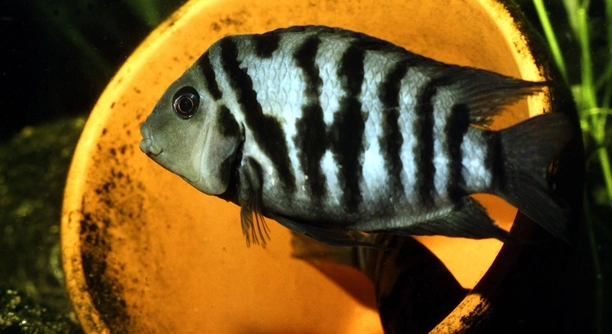
Cichlids are popular freshwater fish known for their vibrant colors and active behavior. Their environment plays a key role in their health and comfort. Water flow is one important factor that affects how well they thrive in an aquarium.
Cichlids prefer specific water flow setups that mimic their natural habitats. These setups range from gentle currents to stronger flows depending on the species. Proper water circulation helps with oxygenation, waste removal, and reduces stress for the fish.
Knowing the right water flow can improve your cichlids’ wellbeing and make your aquarium environment more balanced and enjoyable. This article explains seven preferred water flow setups for different types of cichlids.
Gentle Flow for Fry and Small Cichlids
Many small cichlids and fry prefer gentle water flow that does not disturb them too much. Strong currents can tire them out or push them around, which causes stress and affects their growth. Gentle flow helps keep the water clean without overwhelming these delicate fish. It also allows them to swim comfortably and find food easily. Using a sponge filter or adjustable flow pump can help maintain a soft current that suits their needs. Creating calmer zones in the tank where the flow slows down gives them a place to rest. Gentle flow also reduces the risk of injury to fry and small cichlids, which can be fragile in early life stages. A gentle current supports their natural behavior and encourages healthy development.
Soft water movement promotes a peaceful environment that supports growth and reduces stress in young or small cichlids.
Maintaining this gentle flow requires some adjustments to the aquarium equipment. Position filters or powerheads away from areas where fry gather. Using baffles or spray bars can help break up strong currents. Regular checks on water flow will ensure the environment stays suitable as the fish grow. Adjusting flow as needed prevents issues like excessive debris buildup or oxygen shortages. Gentle water movement also improves filtration efficiency without compromising the safety of young fish. Balancing flow means your cichlids have clean, oxygen-rich water with calm spots to relax. This balance is key for their long-term health and happiness in the tank.
Moderate Flow for Most Adult Cichlids
Moderate water flow suits many adult cichlids that live in lakes or rivers with steady currents. It helps maintain good oxygen levels and moves waste away from fish efficiently. Moderate flow encourages activity and natural swimming behaviors without causing exhaustion. Most common cichlids like angelfish, convicts, and severums thrive in this setup. Moderate flow also promotes better feeding since food particles stay suspended longer, making it easier for fish to catch. It creates a balanced environment that supports healthy metabolism and reduces algae growth. Proper placement of filtration devices ensures consistent flow across the tank without dead zones. This setup fits well for mixed-species tanks where different cichlids coexist peacefully.
Creating a moderate flow requires pumps or filters with adjustable speeds. This allows fine-tuning the current strength to match fish behavior and tank size. Spray bars or outlet nozzles can be used to distribute flow evenly. Observing the fish helps identify if the flow is too strong or too weak. Moderate flow improves water quality by enhancing filtration but should never cause stress or force fish to hide. It is important to avoid excessive turbulence as it may damage delicate fins. Regular maintenance of equipment ensures steady water movement and oxygen exchange. This setup supports a healthy ecosystem where cichlids remain active and vibrant. Adjustments can be made based on species-specific preferences or seasonal changes in tank conditions. Moderate flow offers a practical balance between water quality and fish comfort.
Strong Flow for River-Dwelling Cichlids
Some cichlids from fast-moving rivers need strong water flow to feel comfortable. This flow mimics their natural habitat, helping them stay healthy and active. Strong currents also improve oxygen levels and keep waste from settling.
To create strong flow, use powerful pumps or multiple powerheads. Place these devices to direct current around the tank, ensuring no dead zones. This helps simulate a river environment where water constantly moves. Strong flow encourages natural swimming patterns and muscle development, which benefits their overall health. It also helps prevent algae buildup by keeping surfaces clean and moving.
Be careful not to make the current too strong, which can tire out or stress the fish. Adjust the flow gradually and observe the fish’s behavior. Strong flow works best for species like Mbuna and some African river cichlids, which thrive in active water. Maintaining this environment requires regular monitoring and proper equipment placement to balance power and comfort.
Variable Flow Zones for Territorial Cichlids
Variable flow zones offer areas of both strong and gentle currents, helping territorial cichlids establish spaces. This setup allows fish to choose their preferred flow and reduces conflict. It promotes natural behavior and helps maintain tank balance.
Achieving variable flow involves using multiple pumps or adjustable filters that create diverse currents in the tank. Use decorations or plants to break up flow and create calm zones. This arrangement supports cichlids that defend territories by offering different areas for hiding and patrolling. The contrast in flow helps reduce stress, especially in aggressive species. Fish can retreat to gentle zones or swim actively in stronger currents as needed. Variable flow also supports better water quality by mixing the tank environment and preventing dead spots. This setup requires planning and adjustments but provides a more dynamic and comfortable home for territorial cichlids.
Low Flow for Cave-Dwelling Cichlids
Low flow is ideal for cichlids that prefer caves or sheltered areas. It prevents disturbance and keeps their hiding spots calm.
These fish avoid strong currents and need stable, gentle water movement. Low flow helps maintain water quality without disrupting their territory.
Pulsing Flow for Breeding Cichlids
Pulsing flow mimics natural changes in water movement during breeding seasons. It provides periods of gentle current followed by stronger bursts. This helps stimulate breeding behavior and keeps the environment dynamic without overwhelming the fish. Pulsing flow also aids in egg oxygenation and waste removal.
Careful control of timing and intensity is important to avoid stressing the fish while encouraging natural reproduction.
Stagnant Zones for Resting Cichlids
Stagnant zones offer calm areas where cichlids can rest away from currents. These zones are essential for fish to conserve energy and feel safe in the tank.
FAQ
What kind of water flow is best for my cichlids?
The best water flow depends on your cichlid species. Small or fry cichlids prefer gentle flow to avoid stress. Most adult cichlids do well with moderate flow, which balances oxygen and cleanliness. River species need strong flow, while cave dwellers prefer low flow. Creating zones with different flows can also work for mixed tanks.
How can I adjust the water flow in my aquarium?
You can adjust water flow by changing filter settings, repositioning powerheads, or adding spray bars and baffles. Many filters have adjustable speeds, so start slow and increase gradually. Using multiple pumps lets you create different current strengths in various tank areas. Test and observe your fish to find the right balance.
Why is water flow important for cichlids?
Water flow affects oxygen levels, waste removal, and fish comfort. Proper flow mimics natural environments, helping cichlids stay healthy and active. It also prevents buildup of debris and algae, improving tank cleanliness. Without adequate flow, fish can become stressed or prone to illness.
Can too much water flow harm my cichlids?
Yes, excessive flow can tire or stress cichlids, especially small or delicate species. Strong currents may damage fins or push fish into decorations. Watch your fish closely—if they struggle to swim or hide constantly, reduce the flow. Adjust flow gradually and observe their behavior.
Is it necessary to have different flow zones in one tank?
Different flow zones help cichlids that have varied preferences, especially in mixed-species tanks. Some fish like strong currents, while others seek calm areas. Creating zones allows each fish to find a comfortable spot, reducing stress and aggression. Use decorations or plants to break up flow and create calm spaces.
How do I create gentle water flow?
Use sponge filters, low-speed powerheads, or adjustable filters to create gentle currents. Position devices away from areas where fry or shy fish gather. Adding spray bars or diffusers helps spread the water movement evenly and softly throughout the tank.
What equipment works best for strong water flow?
Strong flow requires powerful pumps or multiple powerheads. Look for equipment with adjustable speed settings to fine-tune current strength. Position outlets to direct water around the tank and avoid dead zones. Regular maintenance ensures pumps operate efficiently and flow stays consistent.
Can water flow affect breeding in cichlids?
Yes, certain flow types like pulsing flow encourage breeding behavior by simulating natural seasonal changes. Flow helps oxygenate eggs and remove waste. However, too strong a current can disrupt spawning or harm eggs. It’s important to adjust flow carefully during breeding periods.
How often should I check water flow in my tank?
Regular checks, at least weekly, help ensure water flow remains suitable. Equipment can clog or shift, changing the current strength and direction. Watch your fish’s behavior for signs of stress or discomfort that may indicate flow problems. Adjust as needed to maintain a healthy environment.
What signs show that my cichlids don’t like the current water flow?
Signs include fish hiding more than usual, struggling to swim, clamping fins, or appearing lethargic. Aggression may increase if flow disrupts territorial boundaries. If you notice these behaviors, try lowering the flow or creating calmer areas in the tank. Observing your fish is key to adjusting flow properly.
Choosing the right water flow setup is important for keeping cichlids healthy and comfortable. Different species have different needs, so it’s essential to understand what your cichlids prefer. Some do well with gentle currents, while others thrive in stronger flows. Providing the right water movement helps create a natural environment that supports their breathing, waste removal, and overall wellbeing. It also reduces stress, which is key to preventing illness and encouraging natural behavior. Paying attention to water flow can make a big difference in how your fish live and grow in the aquarium.
Adjusting water flow is not difficult, but it requires some care and observation. Using equipment like adjustable pumps, powerheads, and spray bars allows you to control the current strength and direction. It’s a good idea to create different zones within the tank, especially if you have multiple species with varying flow preferences. Calm areas give shy or young fish a place to rest, while stronger currents provide exercise and stimulation for more active cichlids. Checking on your fish’s behavior regularly helps you notice if the flow is too strong or too weak. Making small changes over time ensures the setup meets your fish’s changing needs.
Ultimately, maintaining proper water flow is part of good aquarium care. It supports the balance of the tank ecosystem by keeping water clean and oxygen-rich. A well-planned flow setup also improves the overall appearance of the aquarium, making fish movement more natural and enjoyable to watch. Whether you have just a few cichlids or a diverse community, paying attention to water flow is an important step to keep your fish healthy and happy. With the right approach, you can create a thriving environment that closely matches their natural habitats.

Hello,
If you enjoy the content that we create, please consider saying a "Thank You!" by leaving a tip.
Every little bit helps us continue crafting quality advice that supports the health, happiness, and well-being of pets around the world, for pets of all shapes, sizes, and species.
We really appreciate the kindness and support that you show us!