
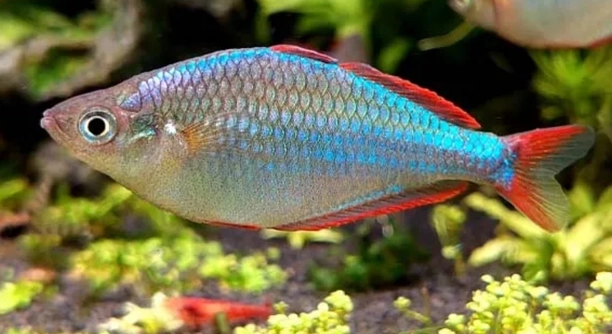
Rainbow fish are beautiful and vibrant additions to any aquarium. However, to keep them healthy and happy, it’s important to provide them with the right water flow conditions. Each fish species has its own preferences for water movement, and rainbow fish are no exception.
Rainbow fish generally prefer a moderate water flow with gentle to moderate currents. Too strong of a flow can stress them out, while too weak of a current can cause poor water circulation, affecting their health.
By understanding how to adjust water flow, you can create an environment that supports your rainbow fish’s well-being. Learn more about the best practices for setting up your tank’s water flow to keep these fish thriving.
The Ideal Water Flow for Rainbow Fish
Rainbow fish thrive in aquariums with a moderate water flow that mimics their natural habitat. In the wild, they live in rivers and streams where water is constantly moving but not too fast. A gentle current allows them to swim freely without feeling stressed or trapped. Too much water flow can be overwhelming, causing the fish to become anxious and wear themselves out. On the other hand, water that’s too still can lead to poor water quality and lower oxygen levels, which are equally harmful.
For the best results, use a filter that provides moderate to gentle water movement. Adjust the output flow to prevent creating too strong a current. It’s also important to check the positioning of decorations, plants, and substrate in your tank. These elements help break up the flow and create calmer areas where the fish can rest.
By adjusting the water flow, you can provide rainbow fish with a comfortable environment. The key is to maintain a balance that allows them to swim easily and stay healthy. Keeping the flow just right will also benefit other creatures in your aquarium.
How to Measure Water Flow
Knowing how to measure water flow is vital to creating the right environment for your rainbow fish. To do this, you can use a flow meter or observe the movement of objects in the tank.
A simple way to measure the water flow is to observe how plants and decorations move in the tank. If there’s little movement, the flow might be too weak, affecting oxygen distribution. If plants and decorations are swaying too vigorously, the flow may be too strong, which could cause stress.
In addition to checking the visible signs of water movement, make sure your filtration system is properly sized for the tank. A filter that’s too strong can produce excessive current, while a weak one won’t provide sufficient circulation. Aim for a filter that turns the water volume over about 3 to 5 times per hour. This will maintain proper water movement without stressing the fish.
Tank Size and Water Flow
The size of your aquarium plays a big role in how water flow affects rainbow fish. In a smaller tank, the current may feel stronger, even if the flow is moderate. Larger tanks allow for more space for the water to circulate, which can help reduce the current’s intensity.
Rainbow fish do better in larger tanks with proper filtration. In small tanks, the filter’s output can be too strong, causing an uncomfortable flow for the fish. Adjusting the filter output to suit the tank size is important. You can also add additional decorations like rocks and plants to help diffuse the flow and create calmer areas for the fish. This creates an ideal swimming environment without stress.
In larger tanks, the increased space means more water can be moved around without disturbing the fish as much. However, even in bigger tanks, it’s still important to monitor how the water moves and adjust the flow accordingly. Placing the filter’s output near a corner or behind larger objects helps control the direction and speed of the flow.
Water Flow Impact on Fish Behavior
Water flow has a direct impact on how rainbow fish behave. When the flow is too strong, they may avoid certain areas of the tank or appear sluggish. If it’s too weak, they may lack the exercise they need, affecting their health.
Rainbow fish are naturally active swimmers, so they need a current that challenges them without overwhelming them. A moderate current encourages them to swim and explore, mimicking their natural habitat. When the water flow is well-balanced, rainbow fish will feel more comfortable, and they’ll display natural behaviors like schooling and foraging. They’ll also spend more time swimming around the tank, staying active and healthy.
Creating different flow zones in your tank can offer rainbow fish the option to swim in areas with varying currents. Some areas might have a stronger flow, while others provide a calm refuge. This allows the fish to choose where they feel most comfortable based on their mood or energy levels.
Adjusting Flow with Aquarium Accessories
Using accessories like water pumps, sponge filters, or flow diffusers can help you manage water flow in your tank. These tools can either strengthen or reduce the current, depending on what you need.
Water pumps can be a great way to increase water movement when necessary. They’re adjustable, so you can control the flow. For areas with weaker flow, you can place a sponge filter to ensure gentle circulation without causing stress. Diffusers help break up strong currents, creating more areas with low water movement. These accessories are easy to install and provide customizable solutions for different tank setups.
By using these tools, you can make sure your rainbow fish swim freely without being disturbed by a current that’s too strong. Adjusting flow zones is simple, but it requires attention to your fish’s comfort and needs.
Positioning Your Filter for Balanced Flow
The placement of your filter is key to creating balanced water flow in your tank. Ideally, the filter should be positioned so that the flow doesn’t overwhelm the fish.
Placing the filter near a corner or behind objects like rocks or plants helps diffuse the water flow. This creates a more natural, less turbulent environment where rainbow fish can thrive. It’s also important to regularly check the filter’s output to ensure the current is appropriate.
Using Live Plants to Break Water Flow
Live plants can help soften the water flow and provide shelter for your rainbow fish. Their natural movement helps absorb and redirect water currents.
By strategically placing plants in your tank, you can create areas with low water flow where rainbow fish can rest. Plants also improve water quality by absorbing excess nutrients, benefiting both the fish and the overall ecosystem.
FAQ
What water flow do rainbow fish prefer?
Rainbow fish prefer a moderate water flow. They thrive in aquariums with gentle to moderate currents, similar to the rivers and streams in their natural habitats. Too strong a current can cause stress, while weak water flow can lead to poor oxygen circulation and stagnation. Adjusting the water flow to a comfortable level ensures that the fish remain active and healthy.
Can rainbow fish tolerate strong water currents?
Rainbow fish can tolerate strong currents for short periods, but continuous strong flows may cause stress and exhaustion. It’s important to avoid excessively powerful filters or pumps that create an overwhelming current. Providing areas of calm water where the fish can rest is essential.
How do I know if the water flow is too strong for my rainbow fish?
If your rainbow fish are constantly swimming against the current or seem to be avoiding certain areas of the tank, the flow might be too strong. You might also notice that they appear stressed, hiding or staying in one spot. Additionally, excessive swimming or exhaustion can indicate that the water flow is overwhelming. Reducing the current or providing more sheltered areas can help.
Can I use a sponge filter for rainbow fish?
Yes, sponge filters are a great option for rainbow fish, especially in smaller tanks. They provide gentle filtration and water movement, which is ideal for these fish. The flow from a sponge filter is usually much softer compared to other types of filters, making it less stressful for rainbow fish to swim in. It also helps maintain water quality without creating too much turbulence.
How do I adjust water flow in a tank?
You can adjust water flow in a tank by adjusting the power of the filter, moving the filter’s output or intake, and adding accessories like diffusers or pumps. Placing objects like rocks and plants strategically in the tank can help break up strong currents. You may also want to experiment with different filter settings to find the optimal flow for your rainbow fish.
Are water pumps necessary for rainbow fish tanks?
Water pumps can be useful for creating the right water movement, but they aren’t always necessary for rainbow fish. If you already have a good filter that creates a moderate current, a pump might not be needed. However, if your tank is large or if you want to increase water circulation in specific areas, a water pump can help.
What tank size is best for rainbow fish?
Rainbow fish do well in tanks of at least 30 gallons. A larger tank allows more space for them to swim and ensures that the water flow is more easily managed. A tank that’s too small can result in strong currents that might stress the fish, as well as poor water circulation. A spacious tank with proper filtration is crucial for their health.
Do rainbow fish need specific water temperatures?
Yes, rainbow fish prefer warm water. The ideal temperature range is between 74°F and 80°F (23°C to 27°C). Keeping the water within this range helps ensure the fish are comfortable and active. It’s important to maintain a stable temperature to prevent stress and illness. Use an aquarium heater and thermometer to monitor the water temperature closely.
Can I keep rainbow fish with other fish?
Rainbow fish are generally peaceful and can be kept with other non-aggressive species. They do well in community tanks as long as the other fish are not too aggressive or territorial. It’s important to choose tank mates that can tolerate similar water conditions and temperatures. Avoid pairing rainbow fish with species that are overly dominant or too large for their size.
How do live plants affect water flow?
Live plants can help diffuse the water flow and create more sheltered areas in the tank. Their leaves and stems break up strong currents, creating spots where rainbow fish can rest without feeling the full force of the current. Plants also help maintain water quality by absorbing excess nutrients and providing oxygen to the tank.
What should I do if my rainbow fish aren’t swimming?
If your rainbow fish aren’t swimming, it could be due to several factors. Check the water flow—if the current is too strong, they might avoid swimming. Also, ensure that the water quality is optimal, as poor water conditions can lead to lethargy. Additionally, check the tank for signs of stress, illness, or territorial behavior from other fish. Adjust the flow or water conditions as needed to help them feel more comfortable.
Can I use a filter that is too strong for rainbow fish?
Using a filter that is too strong for your tank can create an overwhelming current that stresses rainbow fish. If the water movement is too intense, it may affect their swimming patterns and overall health. It’s important to choose a filter that’s appropriate for your tank size and adjust the flow to suit the needs of your fish.
Do rainbow fish need a lot of space to swim?
Rainbow fish are active swimmers, so they need plenty of space to swim. A larger tank with more open areas allows them to move freely and express natural behaviors. In a cramped tank, the fish may feel confined and stressed. Aim for a tank that provides enough room for the fish to swim comfortably and explore.
Can rainbow fish live in freshwater or saltwater?
Rainbow fish are freshwater fish and should be kept in a freshwater tank. They are not suited to saltwater environments. Providing them with clean, well-filtered freshwater and maintaining the correct water parameters is essential to their health and longevity.
What kind of filtration is best for rainbow fish?
A good filtration system is essential for rainbow fish. Use a filter that provides gentle to moderate water movement, with the ability to keep the water clean and oxygenated. Sponge filters, hang-on-back filters, and canister filters can all work well, as long as the flow is not too strong. Make sure the filter is appropriate for the size of your tank.
Do rainbow fish need frequent water changes?
Rainbow fish do best in clean, stable water, so regular water changes are important. Perform water changes of about 20-30% every week to maintain good water quality. This helps remove waste, excess nutrients, and toxins, keeping the environment healthy for the fish. Regular water changes also help keep the oxygen levels stable.
Final Thoughts
Creating the right water flow for rainbow fish is an essential part of keeping them healthy and happy. These fish prefer a moderate current, similar to the gentle streams and rivers they come from in the wild. A flow that is too strong can cause stress and make it difficult for them to swim comfortably. On the other hand, weak flow can lead to poor water circulation and unhealthy tank conditions. It’s important to strike a balance in your tank’s water flow to support their natural behaviors and well-being.
The best way to achieve the right flow is by adjusting your filter’s output and considering the tank size. A larger tank allows for more flexibility in controlling the current, while smaller tanks may require more careful adjustments to avoid excessive flow. Using accessories like sponge filters, flow diffusers, and water pumps can also help manage the current. These tools help create calmer areas in the tank where rainbow fish can rest if the flow becomes too strong. With the right setup, you can create zones of varying water movement, giving the fish options to swim where they feel most comfortable.
Paying attention to your rainbow fish’s behavior is key. If they appear to be struggling against the current, hiding more than usual, or not swimming as actively, it could be a sign that the water flow is not ideal. Small changes in the filter’s output or the placement of tank decorations can make a big difference. In the end, keeping an eye on water movement, monitoring the flow, and adjusting based on the fish’s needs will ensure a thriving, healthy tank environment for your rainbow fish.

Hello,
If you enjoy the content that we create, please consider saying a "Thank You!" by leaving a tip.
Every little bit helps us continue crafting quality advice that supports the health, happiness, and well-being of pets around the world, for pets of all shapes, sizes, and species.
We really appreciate the kindness and support that you show us!