
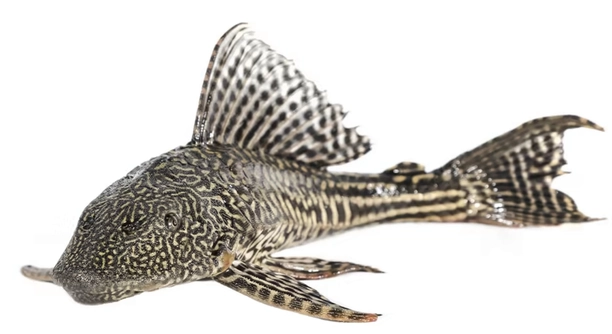
Are your plecos acting restless or hiding more than usual when the water starts to move a little faster in their tank?
Plecos can be sensitive to water flow issues, including strong currents, poor circulation, and inconsistent flow patterns. These problems can stress the fish, affect their feeding habits, and even lead to health concerns if left unchecked.
Knowing what to watch for can help keep your plecos calm, healthy, and thriving in their aquarium environment.
Strong Current Overwhelms Plecos
Plecos are bottom-dwellers that prefer calm, steady water. When the current in the tank becomes too strong, they often struggle to stay in place and may retreat to corners or hide more than usual. You might see them gripping tightly to surfaces, avoiding open areas, or losing their appetite. A constant, powerful current can tire them out, making them more prone to stress or illness over time. If your filter is producing a heavy flow, it could be creating an environment that’s difficult for your pleco to manage. Some plecos, especially smaller or younger ones, may be more sensitive than others. Adding plants, driftwood, or decorations can break up the flow and give them safe areas to rest. Consider adjusting the filter or using a pre-filter sponge to soften the water movement. This way, your pleco can settle in more comfortably without the push and pull of fast-moving water.
A strong current not only disrupts behavior but also makes feeding difficult for plecos, especially at the tank bottom.
Observing your pleco’s position and movement can tell you a lot. If they’re always stuck to vertical glass or hiding in tight spaces, your flow may need adjusting. Give them soft, still zones they can relax in easily.
Stagnant Zones in the Tank
Stagnant spots in your tank can become a problem for plecos, especially when detritus builds up and oxygen levels drop.
Even though plecos are hardy, they still need proper oxygenation and circulation throughout the tank. When water flow is too weak in certain areas, it allows uneaten food and waste to collect, which can quickly raise ammonia levels. These dead zones are often found behind large rocks, decorations, or in heavily planted areas. The water might look clear, but the quality declines, which can irritate plecos’ sensitive gills. Over time, poor conditions like these can impact their immune systems and behavior. You may notice them avoiding certain parts of the tank, gasping near the surface, or becoming less active overall. To fix this, try adjusting the placement of decorations or adding a small circulation pump. You don’t need a strong current—just enough movement to keep water moving gently throughout the whole tank. This small change can improve health and keep your plecos much more comfortable.
Unstable Flow Patterns Confuse Plecos
Changing flow directions too often can make plecos uneasy. These shifts can come from adjustable filters, water changes, or poorly positioned equipment that redirects water in inconsistent ways.
Plecos depend on stable flow to find safe resting spots and feeding zones. When the flow changes frequently, it forces them to keep adjusting, which can wear them out. They may lose their preferred areas and become more reclusive. Some might even stop eating if they can’t find still zones to settle. Avoid constantly shifting the direction of your outflow or cleaning schedule in ways that disturb the tank’s stability. Instead, aim for a consistent current that gently moves in one direction. If you must change something, make small adjustments and observe how your pleco responds. Once you’ve found a setup where they remain calm and active, try to keep it that way as much as possible.
Plecos are creatures of habit. When they find areas with the right balance of shelter and gentle water flow, they tend to stay there. Disrupting that space with constant water movement can stress them. Use decor like wood and rocks to create buffer zones that block unexpected changes. Stability gives plecos confidence to explore and behave more naturally.
Filter Outflow Blasts the Bottom
A powerful outflow aimed directly at the tank bottom can make it hard for plecos to settle or forage properly. This force may stir up substrate, causing cloudy water or pushing food out of reach.
It’s easy to overlook how strong water movement can disturb the lower parts of the tank. Many plecos sift through the substrate for leftover food and algae, so blasting this area with current can limit their feeding and raise stress. The swirling debris may also irritate their eyes or gills. Over time, it can cause them to spend more time hiding or become less active. If your filter output is positioned too low or too direct, consider angling it toward the tank wall or using a spray bar. These options help distribute water more evenly and gently across the surface, protecting your pleco’s preferred space at the bottom and keeping their environment more comfortable and calm.
Surface Agitation Reduces Oxygen Stability
Too much surface agitation can cause inconsistent oxygen levels in the tank. While plecos can tolerate a range, rapid shifts may cause discomfort or stress, especially during feeding or resting hours when they need calmer conditions.
When filters create heavy splashing or bubbles, oxygen may rise quickly and drop off just as fast when equipment is turned down. These spikes don’t give plecos time to adapt. Stable, moderate surface movement is more effective than dramatic bubbling. Try adjusting flow to create a gentle ripple rather than constant crashing on the surface.
Uneven Flow in Long Tanks
Long aquariums often have poor circulation at the far ends. Plecos that prefer the lower regions of the tank may find themselves stuck in spots with limited oxygen or waste buildup. This imbalance can make feeding difficult and affect their comfort over time. A secondary filter or circulation pump can help spread flow evenly. Place equipment strategically—filters on one side and a small powerhead on the other—to reduce stagnant zones. Monitor your pleco’s movement and behavior to be sure they’re using the full tank comfortably. A gentle, balanced flow from end to end encourages better activity and cleaner conditions throughout the tank.
Poor Flow Behind Decorations
When decorations block water flow, the area behind them can trap debris. Plecos exploring these tight spots may be exposed to more waste, which can affect their health. Rotate decor or adjust equipment to keep water gently moving around these areas.
FAQ
What kind of water flow do plecos prefer?
Plecos prefer slow to moderate water flow. In their natural environment, they often live near riverbanks or in calmer zones where they can rest against rocks or driftwood without being pushed around. Strong current may be tolerable for short periods, but it shouldn’t dominate the tank. Make sure they have areas with still or gently moving water. You can achieve this by adjusting filter outflow, using spray bars, or placing driftwood to block heavy flow. Watch how your pleco behaves—if it constantly hides or clings tightly to one area, the current may be too strong.
Can too much flow cause stress for plecos?
Yes, it can. Strong or inconsistent flow forces plecos to exert more energy to stay in place, especially when trying to rest or feed. Over time, this can make them more anxious or reduce their activity. Signs of stress include hiding more than usual, lack of appetite, or staying glued to surfaces in one tight corner. Keeping the current gentle, especially near the tank bottom, helps prevent this. Add caves, wood, or rocks to offer safe resting spots where flow is minimal. A stressed pleco will often look dull in color or breathe more rapidly than normal.
Do plecos need a filter if they like calmer flow?
Yes, they still need a filter. Clean water and oxygenation are essential for pleco health, even if they don’t like strong current. The key is to use the filter wisely. You can direct the outflow toward the tank wall, add a sponge to reduce intensity, or use a spray bar to spread flow. This gives them the benefits of filtration without the harsh movement. A well-filtered tank prevents ammonia spikes and keeps waste from building up. Plecos are messy, especially larger species, so skipping a filter will create more problems than it solves.
What are signs my pleco doesn’t like the flow?
If your pleco is constantly hiding, refusing to eat, or clinging to one tight spot for long periods, it may be reacting to uncomfortable water movement. Some plecos will also become less active or avoid open areas entirely. Another sign is if they’re always behind decorations or filter intakes—spots with less flow. You might even see their fins fluttering against strong current while they try to stay in place. Try adjusting your filter direction, adding barriers like driftwood, or switching to a quieter filtration method to see if behavior improves.
Can flow affect pleco feeding habits?
Definitely. Strong flow can push food out of reach before plecos have a chance to eat. Sinking wafers, veggies, or algae tabs may get swept away or buried in stirred-up substrate. Plecos are slow feeders, especially during the day, so a calm area is best for feeding. You can feed them in hidden zones behind decorations or turn down your filter slightly during mealtimes. Make sure the food stays in one spot long enough for your pleco to find it and eat comfortably. Monitoring how and where they feed is important to keep them healthy.
How do I adjust flow in a tall tank?
Tall tanks often have uneven flow, especially near the bottom where plecos stay. The top might have too much movement, while the bottom remains still or dirty. To fix this, you can lower your filter output or use a circulation pump near the bottom to spread flow. Avoid blasting the bottom directly, though. Use smooth, angled flow to reach lower zones gently. You can also place decor to direct water where it’s needed. Watch your pleco’s behavior to see if they begin using more areas of the tank once flow is balanced.
Should I use air stones or bubblers for plecos?
Air stones can help with oxygen but aren’t always necessary if your filter already provides enough surface agitation. However, if you use them, place them in a way that doesn’t disturb your pleco’s resting spots. Bubbles shouldn’t create chaotic flow. Some plecos will avoid areas with strong bubbling. If you notice your pleco staying far from the bubbler, it may be too active. Keep bubbles gentle, and avoid placing them near the bottom where plecos feed and rest.
How often should I check water flow?
It’s a good habit to check flow weekly, especially after water changes or filter cleanings. Equipment shifts, clogs, or new decorations can all affect how water moves in the tank. Watch for cloudy spots, waste buildup, or floating food—these all hint at poor circulation. Also, keep an eye on your pleco. If it starts acting differently or sticking to just one part of the tank, it might be time to adjust the flow again. Making small changes and observing behavior is the best way to keep everything in balance.
Final Thoughts
Caring for plecos means paying attention to more than just their diet and tank size. Water flow plays a big part in how comfortable and healthy they feel in their environment. These fish come from rivers where flow is natural, but that doesn’t mean they enjoy strong currents in all parts of the tank. The key is to provide balance. Some movement is good because it keeps the water oxygenated and clean, but too much can cause stress or push food away. It’s important to watch how your pleco behaves and adjust things as needed to suit their comfort.
When plecos start hiding more or staying in one small corner, it might not be about shyness. Often, they are reacting to water conditions, including how it flows around them. Every pleco is a bit different. Some are more active and may tolerate a little more movement, while others prefer very calm areas to rest and feed. By creating hiding spots and using filter adjustments, spray bars, or decorations, you can help soften strong currents and make the tank feel safer for them. Even simple changes like placing driftwood in front of the filter output can make a big difference in their daily comfort.
In the end, a peaceful tank setup benefits both your pleco and the overall health of the aquarium. Balanced flow helps keep waste from building up, supports better oxygen levels, and encourages more natural behavior. Plecos that feel secure will be more active, more likely to come out during feeding, and show better coloration over time. It doesn’t take fancy equipment or drastic changes—just regular attention and small adjustments based on observation. If you focus on creating a calm, well-managed tank with varied flow, your pleco will have a better chance at living a long, healthy life.

Hello,
If you enjoy the content that we create, please consider saying a "Thank You!" by leaving a tip.
Every little bit helps us continue crafting quality advice that supports the health, happiness, and well-being of pets around the world, for pets of all shapes, sizes, and species.
We really appreciate the kindness and support that you show us!