
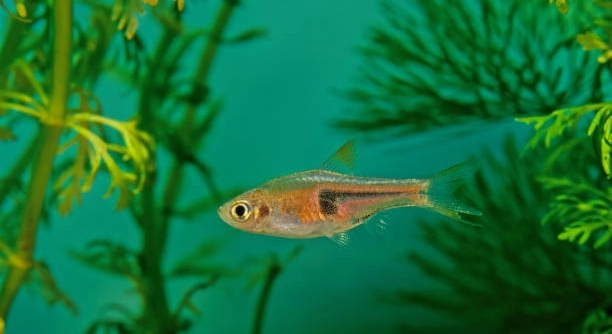
Understanding the preferred water flow in a rasbora tank can make a significant difference in their comfort and activity levels. Many aquarists overlook this detail, yet it greatly impacts the fish’s overall well-being and natural behavior.
Rasboras typically thrive in moderate, gentle, and steady water currents. They prefer flows that mimic shallow streams or slow-moving rivers, providing both resting zones and areas for swimming. Correctly adjusted flow ensures optimal health, reduces stress, and supports natural schooling behavior.
Learning these patterns can help you create a more harmonious aquarium. Proper flow management benefits both the fish and the overall tank environment.
Gentle Flow
A gentle water flow is ideal for rasboras, especially for those newly introduced to a tank. It creates an environment where they can swim comfortably without being overexerted. Gentle currents also allow plants and decorations to remain mostly undisturbed, providing hiding spots and resting areas. When the flow is too strong, rasboras may struggle to maintain their position or display stress behaviors, such as hiding constantly or erratic swimming. Adjusting the filter output or using flow deflectors can help achieve the perfect gentle movement in the tank. Observing how the fish respond to different levels of current will guide you in finding the balance that keeps them healthy and active. Gentle flow also promotes consistent oxygen circulation without creating harsh turbulence, which is essential for both the fish and beneficial microorganisms in the tank. Keeping these factors in mind ensures a stable and calming aquatic environment for rasboras.
Gentle flow supports natural schooling behavior while keeping stress levels low. Fish remain active without strain.
Maintaining a gentle flow requires careful placement of the filter and decorations. Positioning the filter output to face the tank wall or adjusting a sponge filter can diffuse strong currents. Plants with broad leaves act as natural barriers, reducing direct flow and providing areas for resting. Regular monitoring is essential, as plant growth or changes in tank stocking can alter water movement. Rasboras tend to gather in areas where the flow is just right, so observing their patterns helps identify optimal locations. Ensuring gentle movement also prevents debris from settling unevenly, keeping water quality stable. This balance encourages feeding, swimming, and social interaction, allowing the fish to thrive in a well-maintained environment that mimics their natural habitat.
Moderate Flow
Moderate water flow is suitable for rasboras that are more active swimmers and require a bit of movement to stay healthy.
Moderate flow encourages exercise and helps prevent stagnation while distributing nutrients evenly throughout the tank.
Achieving moderate flow involves fine-tuning the filter or pump to produce a consistent current that allows rasboras to swim naturally without tiring. This level of flow keeps the water oxygenated and prevents dead zones where debris can accumulate. It also stimulates natural behaviors such as schooling and exploration, which contribute to their mental and physical well-being. Adding strategically placed plants or rocks can create small eddies and calmer zones within the moderate current, giving the fish choices for both activity and rest. Monitoring the fish ensures that the flow remains suitable, as too strong a current can lead to stress or reduced feeding. Moderate flow balances health, energy, and comfort, supporting an environment that keeps rasboras active and engaged in their tank.
Fast Flow
Fast water flow can be challenging for rasboras, but some enjoy occasional strong currents for short periods. It helps with exercise and keeps them alert, but continuous exposure may cause fatigue.
Managing fast flow requires careful observation to ensure fish are not constantly fighting the current. Positioning decorations and plants strategically creates calmer zones where rasboras can rest while still benefiting from the movement. Fast flow encourages schooling and active swimming, which improves muscle tone and prevents lethargy. However, overexposure can lead to stress, so alternating between faster and gentler currents within the tank is effective. Filter adjustments or flow diffusers can help moderate intensity while maintaining sufficient oxygenation and circulation. Monitoring feeding behavior is also important, as excessive currents may disrupt normal eating patterns.
Providing resting spots with plants or driftwood ensures that rasboras can recover without being swept around. Rotating fast flow areas keeps the tank dynamic yet safe.
Swirling Flow
Swirling currents create circular patterns that rasboras often enjoy exploring. These flows prevent stagnant areas and encourage continuous movement.
Swirling flow helps distribute nutrients and oxygen evenly across the tank. It can be created using multiple filter outlets or placing obstacles that redirect the water. This pattern allows rasboras to experience different levels of flow, supporting both active swimming and occasional rest. It also enhances natural behavior, such as darting through plants or schooling along curved paths, which is important for mental stimulation.
To maintain a balanced swirling flow, adjust filter positions and add plants or rocks to redirect water without creating overly strong spots. Observing the fish ensures they are comfortable and not struggling against the current. Regular maintenance, including cleaning the filters and removing debris, ensures consistent flow patterns. Swirling flow improves overall tank dynamics, benefiting both the fish and the aquatic environment.
Laminar Flow
Laminar flow moves in smooth, parallel layers and is gentle on rasboras. It provides a calm environment, ideal for resting and schooling.
This type of flow minimizes stress and supports natural swimming patterns. Rasboras can navigate easily without constant effort, allowing them to conserve energy for feeding and social interaction.
Ripple Flow
Ripple flow simulates surface disturbances often found in shallow streams. It adds visual interest and mild movement, keeping the water oxygenated and dynamic for rasboras.
Intermittent Flow
Intermittent flow alternates between gentle and moderate currents, giving rasboras periods of activity and rest. This variation encourages natural behavior while preventing fatigue.
FAQ
How do I know which water flow pattern my rasboras prefer?
Observing your rasboras closely is the easiest way to identify their preferred flow. Watch how they swim, rest, and school in different areas of the tank. If they avoid certain areas or seem stressed in strong currents, adjust the flow to create calmer zones. Rasboras typically gather in moderate to gentle flows, where they can swim freely without being constantly pushed. Providing areas with plants or decorations allows them to rest while still exploring active zones. Over time, you will notice consistent patterns showing where they feel most comfortable and active.
Can rasboras adapt to stronger water currents?
Yes, rasboras can adapt to stronger currents, but it should be gradual. Sudden exposure to fast or turbulent flow can cause stress and reduce appetite. Start by slightly increasing the flow over several days while observing their behavior. Ensure resting areas exist where they can recover from exertion. Even adaptable rasboras will still prefer zones of moderate or gentle flow for long-term comfort. Maintaining a balance prevents fatigue while encouraging healthy swimming activity and natural behavior.
Does water flow affect rasbora health?
Water flow significantly impacts rasbora health. Proper flow ensures consistent oxygenation, reduces stagnant areas, and helps distribute nutrients evenly. Gentle and moderate flows reduce stress, promote schooling behavior, and encourage active swimming, which strengthens muscles. Strong or irregular flows without resting areas can lead to fatigue, weaker immunity, and even injury. Monitoring behavior and adjusting flow as needed supports both mental and physical well-being. Healthy rasboras are more active, feed reliably, and show natural coloration when their environment matches their flow preferences.
How can I create multiple flow zones in a tank?
Multiple flow zones can be achieved by positioning filters strategically and using decorations or plants to redirect water. Placing a filter output against a tank wall or behind rocks diffuses strong currents. Tall plants, driftwood, and rocks create sheltered areas where flow is gentler. Using multiple filter outlets or sponge filters at different heights also helps create distinct currents. This allows rasboras to choose between active swimming in stronger currents and resting in calm zones. Adjusting the setup periodically ensures a balanced flow pattern throughout the tank.
Are certain rasbora species more sensitive to flow than others?
Yes, some species are more sensitive to water flow. Smaller or more delicate rasboras, such as the Chili Rasbora, prefer gentle currents, while larger or more robust species, like the Harlequin Rasbora, tolerate moderate or faster flows. Understanding your species’ natural habitat helps determine suitable water movement. Researching the specific species’ behavior in the wild provides insight into their preferred flow patterns, ensuring they remain comfortable, active, and healthy in captivity.
Does tank size influence water flow preference?
Tank size plays a significant role in water flow preference. In smaller tanks, strong currents can be overwhelming because water movement affects the entire space quickly. Larger tanks allow for variation, creating areas of gentle, moderate, and faster flow without stressing the fish. Adjusting filter strength and placement according to tank size ensures flow is appropriate for rasboras. Plants and decorations further shape currents, allowing fish to navigate comfortably and exhibit natural behavior.
How often should I adjust water flow in my tank?
Regular monitoring is more important than frequent adjustments. Check the flow whenever you change the tank setup, add new plants, or notice behavioral changes in the fish. Rasboras respond quickly to unsuitable currents, so small tweaks may be needed as plants grow or filters clog. Consistent observation ensures that the flow remains suitable for the entire tank, keeping the fish healthy and stress-free.
Can water flow affect breeding behavior?
Yes, water flow influences breeding behavior. Rasboras often prefer calm or gentle areas for spawning, as strong currents can disturb eggs or stress the fish. Providing quieter zones with gentle or laminar flow increases the likelihood of successful breeding. Adding floating plants or dense vegetation further protects eggs and fry from being swept away, supporting a healthier environment for reproduction.
Is it necessary to use a flow meter or equipment to measure currents?
Using a flow meter is not strictly necessary but can help if you want precise control. Most hobbyists rely on visual observation of fish behavior to adjust flow. Ensuring the fish swim comfortably, feed normally, and gather in active zones provides practical feedback. Tools can be useful in larger tanks or specialized setups but are not required for standard rasbora care.
How do plants influence water flow for rasboras?
Plants play a key role in shaping water flow. Tall, dense plants reduce strong currents and create resting zones, while shorter or sparse plants allow more movement. Strategic planting ensures rasboras can choose areas for activity or rest. Plant placement also helps direct currents around the tank, maintaining oxygen distribution and preventing stagnant zones. Observing fish interaction with plants allows fine-tuning for optimal flow patterns.
This FAQ covers common concerns about water flow and rasboras, providing practical advice for creating a comfortable, healthy, and dynamic tank environment.
Understanding water flow is an essential part of caring for rasboras. The way water moves in a tank directly affects their comfort, activity, and overall health. Gentle, moderate, and intermittent currents each serve a purpose, giving fish areas to rest or swim actively. By observing your fish and adjusting the flow accordingly, you can create an environment that closely mimics their natural habitats. This attention to detail ensures that rasboras are not constantly stressed and can exhibit natural behaviors such as schooling, exploring, and feeding without difficulty. Over time, even small adjustments in filter placement or the addition of plants and decorations can make a noticeable difference in their behavior and well-being.
Providing multiple flow zones is especially important for tanks with varying sizes or stocking levels. Larger tanks allow for distinct areas where currents differ, giving rasboras the choice between gentle resting zones and more active swimming areas. In smaller tanks, careful adjustment is needed to prevent strong currents from overwhelming the fish. Using plants, driftwood, and rocks to redirect water not only creates calmer spots but also adds structure to the aquarium, supporting both the physical and mental health of your fish. These elements help maintain oxygen distribution, prevent stagnant water pockets, and encourage natural exploration. Regular observation of fish behavior remains the most reliable way to ensure water flow is appropriate, as it provides immediate feedback on whether adjustments are needed.
Consistency in maintaining the right flow is equally important as the type of current. Sudden changes or overly strong currents can stress rasboras, affecting feeding, coloration, and overall vitality. By monitoring behavior, providing resting areas, and adjusting filters when necessary, you create a balanced environment that supports long-term health. Proper water flow also enhances the tank’s ecosystem, benefiting plants and beneficial bacteria that help maintain water quality. Attention to these details contributes to a harmonious aquarium where rasboras can thrive. Over time, this careful approach makes your tank more stable, your fish more active, and your aquarium a more enjoyable and visually appealing space.

Hello,
If you enjoy the content that we create, please consider saying a "Thank You!" by leaving a tip.
Every little bit helps us continue crafting quality advice that supports the health, happiness, and well-being of pets around the world, for pets of all shapes, sizes, and species.
We really appreciate the kindness and support that you show us!