
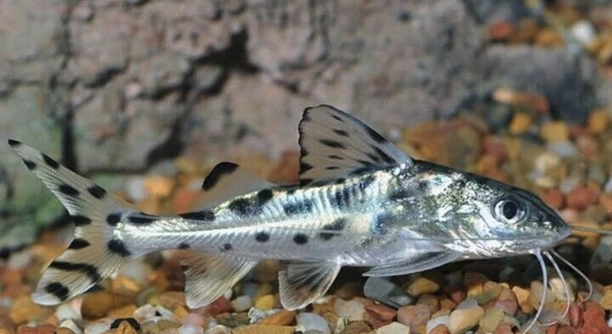
Many aquarium enthusiasts enjoy keeping Pictus Catfish because of their unique appearance and active behavior. However, maintaining the right water flow is crucial for their health and comfort. Mistakes in managing water flow can lead to stress and illness in these fish.
Improper water flow can harm Pictus Catfish by causing stress, damaging their delicate fins, and disrupting their natural swimming patterns. High flow rates tire them out, while stagnant water reduces oxygen levels, both of which negatively affect their wellbeing.
Understanding common water flow errors can improve your catfish’s environment. This knowledge helps create a safer, healthier habitat that supports their natural behavior and long-term health.
Excessive Water Flow Stress
Pictus Catfish naturally prefer moderate water currents. When the water flow is too strong, these fish struggle to swim and conserve energy. Constantly fighting strong currents can cause stress, leading to weakened immune systems and increased susceptibility to disease. Their fins, especially the delicate barbels, can also become damaged from relentless water pressure. It is important to adjust filters and pumps to create a gentle yet steady current that mimics their natural environment. Without this balance, the catfish may hide more often or show signs of exhaustion. Proper water flow helps maintain their health and activity levels, supporting normal behavior and preventing fatigue.
Too much water flow exhausts Pictus Catfish and harms their delicate fins, reducing overall wellbeing.
Controlling water flow means choosing the right filter and pump settings. Adding decorations or plants can help break up currents and provide sheltered areas. Observing your catfish’s behavior will indicate if adjustments are needed. A calm but oxygen-rich environment supports their swimming habits without causing stress. This approach leads to a more comfortable and healthy tank for your Pictus Catfish to thrive.
Insufficient Water Movement and Oxygenation
Poor water circulation causes low oxygen levels, which can be dangerous for Pictus Catfish. These fish require well-oxygenated water to stay healthy and active. Without enough flow, oxygen levels drop, leading to lethargy and respiratory problems.
Low flow decreases oxygen in the tank, making it harder for catfish to breathe properly.
Stagnant water can result in waste buildup and harmful gas concentrations, negatively impacting fish health. Proper water movement ensures waste is carried to the filter, keeping the tank cleaner. Using an air stone or surface agitation can increase oxygen exchange, benefiting your catfish. Regular maintenance, including water changes and checking equipment, supports good water quality. Providing balanced circulation promotes a stable environment that meets the oxygen needs of Pictus Catfish.
Uneven Water Flow Distribution
Uneven water flow creates pockets of strong currents and stagnant areas. This inconsistency can confuse and stress Pictus Catfish. They prefer a steady, evenly distributed current.
Uneven flow causes some areas of the tank to have too much movement while others remain still. The catfish may avoid strong currents and crowd into calmer spots, leading to poor circulation in certain areas. Stagnant zones can accumulate waste and reduce oxygen levels, harming fish health. Balancing water flow ensures all parts of the tank have adequate movement and oxygenation.
Using flow deflectors or rearranging tank decorations can help distribute water evenly. Checking filter output and making adjustments prevents current imbalances. Keeping water moving consistently across the tank creates a more comfortable habitat for Pictus Catfish to swim freely without stress.
Ignoring Individual Tank Setup
Each aquarium setup has unique factors like size, shape, and equipment that affect water flow. Ignoring these can lead to improper flow conditions for Pictus Catfish.
Every tank’s flow needs differ based on its design and contents. For example, a heavily planted tank or one with many decorations will alter current patterns compared to a bare tank. Equipment power and placement also affect how water moves. Not considering these details may result in either too strong or too weak flow for your catfish. Monitoring how water circulates in your specific tank is essential.
Adjusting filter speed, repositioning inflows, or adding flow modifiers can optimize conditions. Tailoring water flow to your tank’s layout ensures your Pictus Catfish experience a healthy, balanced environment that suits their needs.
Using Inappropriate Filter Types
Not all filters create suitable water flow for Pictus Catfish. Some filters generate currents that are too strong or uneven, causing discomfort.
Choosing the wrong filter type can overwhelm the catfish or leave parts of the tank stagnant. It is important to select a filter that provides gentle, consistent flow tailored to their needs.
Neglecting Regular Flow Adjustments
Water flow needs may change over time due to plant growth, added decorations, or equipment aging. Neglecting to adjust flow accordingly can harm Pictus Catfish.
Regularly checking and fine-tuning the flow helps maintain a stable and healthy environment. Adapting to changes prevents stress and supports the catfish’s wellbeing.
Overlooking Surface Agitation Benefits
Proper surface agitation enhances oxygen exchange. Overlooking this can reduce oxygen levels, affecting Pictus Catfish health.
FAQ
How strong should the water flow be for Pictus Catfish?
The water flow should be moderate and steady. Strong currents tire Pictus Catfish quickly and can damage their fins. A gentle current that mimics their natural river habitat works best. Adjust your filter or pump settings to create a smooth, even flow that allows them to swim comfortably without struggling.
Can I use any filter for Pictus Catfish tanks?
Not all filters are suitable. Power filters or pumps that produce strong jets can overwhelm the catfish. Sponge filters or adjustable filters with flow control are better options. They provide gentle water movement and better oxygenation without causing excessive currents.
Why is uneven water flow harmful to Pictus Catfish?
Uneven flow creates stressful conditions where some areas have strong currents and others are stagnant. Catfish may avoid strong flow zones and crowd in calm spots, which can lead to poor oxygen levels and waste buildup in stagnant areas. Balanced water flow ensures all parts of the tank stay clean and oxygen-rich.
How often should I check and adjust water flow?
Water flow should be checked regularly, especially after adding plants, decorations, or equipment. Growth and changes in the tank affect current patterns. Adjusting flow every few weeks helps maintain a stable environment, preventing stress and health issues in your catfish.
What happens if the water flow is too low?
Low water flow reduces oxygen levels and causes waste to accumulate. Pictus Catfish need well-oxygenated water for good health. Insufficient flow can make them lethargic and vulnerable to illness. Adding an air stone or improving surface agitation can help increase oxygen exchange.
Can decorations affect water flow?
Yes, decorations can either block or redirect water currents. They can create calm pockets where waste builds up if flow is uneven. Properly placed plants and rocks can help break strong currents into gentler flows, creating safe resting spots for the catfish. Always observe how flow changes after rearranging tank elements.
Is surface agitation important for Pictus Catfish?
Surface agitation helps oxygenate the water by increasing gas exchange. Without it, oxygen levels can drop, especially in tanks with low flow. Using filters that disturb the surface or adding air stones supports healthier oxygen levels, benefiting your catfish’s respiration and overall wellbeing.
How do I know if my Pictus Catfish is stressed from water flow?
Signs of stress include hiding more often, clamped fins, rapid breathing, or reduced activity. They may also show damaged fins or barbels. Observing these behaviors indicates that water flow might be too strong or uneven. Adjust flow settings and provide calm areas to improve their comfort.
Are there any tools to help manage water flow?
Yes, flow deflectors, spray bars, and adjustable filter outlets help control the direction and strength of currents. Adding these tools can create more even water movement and reduce strong jets. Using timers or controllers can also help fine-tune flow throughout the day.
What’s the best way to maintain proper water flow long-term?
Regular tank maintenance is key. Clean filters often to prevent clogging and reduced flow. Monitor plant growth and decorations, adjusting their placement as needed. Consistently check your equipment to ensure it’s working well. A well-maintained system provides steady, balanced water flow that supports your Pictus Catfish’s health.
Proper water flow is one of the most important factors in keeping Pictus Catfish healthy and comfortable in an aquarium. These fish need a balanced environment where the water moves steadily but not too forcefully. Too strong a current can tire them out and damage their fins, while too little movement can lower oxygen levels and cause waste buildup. Understanding the right water flow for your tank helps create a space where your catfish can swim naturally and stay active.
Maintaining good water flow means paying attention to your tank’s unique setup. The size, shape, and decorations all affect how water moves. Equipment choice is also important. Filters and pumps should provide gentle, even currents instead of strong jets. Adjusting these factors regularly is necessary because tank conditions change over time. Plants grow, decorations shift, and equipment ages. Checking and fine-tuning flow helps prevent problems before they become serious. This ongoing care supports a healthy and stable habitat.
Overall, water flow is not something to overlook when caring for Pictus Catfish. It influences their behavior, health, and wellbeing in many ways. By avoiding common mistakes like excessive flow, stagnant zones, or ignoring tank specifics, you can make sure your catfish enjoy a good quality of life. Small changes to water movement can make a big difference in keeping your fish safe, comfortable, and thriving in their home.

Hello,
If you enjoy the content that we create, please consider saying a "Thank You!" by leaving a tip.
Every little bit helps us continue crafting quality advice that supports the health, happiness, and well-being of pets around the world, for pets of all shapes, sizes, and species.
We really appreciate the kindness and support that you show us!