
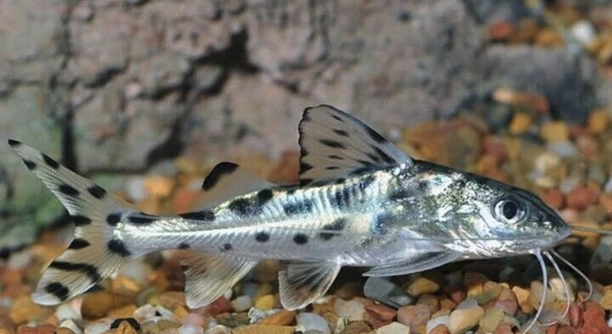
Many aquarium enthusiasts enjoy keeping Pictus Catfish for their active nature and striking appearance. However, managing the right water flow can be challenging and sometimes leads to unintended stress for these fish. Proper water movement is key to their well-being.
Pictus Catfish are sensitive to water flow errors such as excessively strong currents, stagnant areas, or inconsistent circulation. These mistakes disrupt their natural behavior, increase stress, and can negatively affect their health and comfort in the tank.
Identifying and correcting common flow issues will improve your catfish’s environment and overall health, making your aquarium more balanced and enjoyable for both you and your fish.
Excessively Strong Currents
Too much water flow can overwhelm Pictus Catfish. These fish prefer moderate currents that mimic their natural river habitats, allowing them to swim comfortably without struggling. When currents are too strong, they may become stressed or hide frequently, which is a sign they are uncomfortable. This constant effort to fight the current uses extra energy and can lead to health problems over time. It also limits their ability to explore the tank and behave naturally. Adjusting the filter output or using flow diffusers can help reduce the strength of the current. Keeping water movement gentle but consistent provides a better environment for these catfish.
Strong currents often cause Pictus Catfish to hide or avoid open areas. Reducing flow can encourage more active and natural behavior.
Balancing water flow means maintaining enough movement to oxygenate the tank and prevent dead spots, without creating harsh currents. Using adjustable filters or adding plants and decorations can break up flow. Monitoring how your catfish responds will guide flow adjustments. Proper flow helps reduce stress, supports healthy swimming, and improves overall tank conditions. This balance makes the aquarium more comfortable for Pictus Catfish, encouraging them to show their lively and social behavior.
Stagnant Water Zones
Areas in the tank where water does not circulate can trap waste and reduce oxygen levels. These stagnant zones create an unhealthy environment for Pictus Catfish. Since these fish need well-oxygenated water, stagnant spots can cause discomfort or illness. Dead zones also promote algae growth and debris accumulation, making the tank harder to clean. Identifying these areas allows for better placement of filters or powerheads to increase circulation. Proper tank design and regular maintenance prevent stagnant zones, keeping the water fresh and safe.
Stagnant water reduces oxygen and traps waste, harming Pictus Catfish health.
Ensuring even water movement helps maintain a clean, oxygen-rich environment. Powerheads or additional filtration can improve circulation, especially in larger tanks. Plants and decorations should not block water flow, and tank layout should encourage even distribution. Regular water testing and cleaning prevent buildup in low-flow areas. A well-circulated tank promotes better fish health and reduces the risk of stress-related problems, making the aquarium a more stable home for Pictus Catfish.
Inconsistent Water Flow
Inconsistent water flow can confuse Pictus Catfish, making it difficult for them to adapt to changing currents. This instability causes stress and erratic behavior. Smooth, steady water movement is essential for their comfort and health.
Sudden changes in flow may result from uneven filter power or blockages. These fluctuations interrupt the fish’s natural swimming patterns and cause unnecessary energy use. Consistent flow supports stable oxygen levels and waste removal, which is critical for Pictus Catfish’s well-being. Monitoring filter performance and cleaning regularly help maintain steady circulation.
Setting up equipment to provide a balanced, continuous flow prevents shocks to the fish. Avoid abrupt changes by adjusting the tank’s water movement gradually. This stability promotes relaxed behavior and reduces stress-related illnesses, contributing to a healthier aquarium environment.
Poor Filter Placement
Incorrect filter placement can lead to uneven water circulation and create problem zones within the tank. Filters positioned too close to one area may cause excessive flow there while leaving other sections stagnant. Proper placement is crucial to avoid these issues.
Placing filters near the middle or along the longer side of the tank encourages more uniform water movement. This reduces dead spots and helps distribute oxygen evenly. It also ensures that waste is removed efficiently throughout the tank. Adjusting the direction of filter outlets can further improve circulation. Experimenting with placement based on your tank’s size and shape will help create an ideal environment for Pictus Catfish.
A well-placed filter balances water flow and keeps the entire tank clean and oxygenated. This contributes to the fish’s overall health and promotes natural, calm behavior.
Overcrowding the Tank
Overcrowding increases water turbulence and stress for Pictus Catfish. Too many fish in one tank reduce space for swimming and can disrupt water flow patterns, making it harder to maintain stable conditions.
High stocking levels also increase waste production, which affects water quality. This combination creates an uncomfortable environment that can lead to health issues for your catfish.
Ignoring Tank Size
Pictus Catfish need ample space to swim and avoid strong currents. Small tanks limit water flow adjustments and can cause rapid changes in water parameters, negatively impacting fish health and behavior.
Selecting a properly sized tank supports better water circulation and reduces stress, creating a stable environment where Pictus Catfish can thrive.
Obstructed Flow by Decorations
Decorations blocking water flow create stagnant areas and uneven circulation. Positioning plants and ornaments thoughtfully helps maintain consistent movement throughout the tank, benefiting your Pictus Catfish’s comfort and health.
What is the ideal water flow for Pictus Catfish?
Pictus Catfish thrive best in moderate water flow that resembles gentle river currents. The flow should be strong enough to keep the water well-oxygenated but not so strong that it forces the fish to constantly swim against it. This balance allows them to swim comfortably and display natural behaviors without stress. Using adjustable filters or flow diffusers helps maintain this ideal flow in your tank.
How can I reduce strong currents in my aquarium?
To reduce strong currents, try lowering the filter output or redirecting the flow away from open swimming areas. Adding decorations like rocks, driftwood, or plants can also break up water movement, softening strong currents. Flow diffusers or sponge covers on filter outlets are helpful tools. Regularly monitoring the fish’s behavior will indicate if further adjustments are necessary.
Why is stagnant water harmful for Pictus Catfish?
Stagnant water areas trap waste and lower oxygen levels, both of which harm Pictus Catfish. These zones can cause discomfort, stress, and illness because the fish rely on well-oxygenated water. Stagnation also promotes algae growth and debris buildup, making the tank unhealthy. Ensuring even water circulation prevents these problems and supports your fish’s health.
How do I identify stagnant zones in my tank?
Stagnant zones are often visible as areas where debris collects or where plants and decorations appear covered in algae. You may also notice reduced water movement in certain corners or behind objects. Using a small piece of lightweight material, such as a leaf or paper, can help reveal water flow patterns. If the material stays still in one spot, that area likely has poor circulation.
What filter placement is best for balanced water flow?
Placing filters near the middle or along the long side of the tank usually creates more even water movement. This placement helps prevent strong currents in one area and dead spots in another. It’s important to adjust the filter’s outlet direction to distribute water flow throughout the tank. Experimenting with different positions and angles helps find the best setup for your specific aquarium.
Can overcrowding affect water flow?
Yes, overcrowding disrupts water flow by increasing turbulence and waste production. Too many fish reduce swimming space and create uneven currents that stress Pictus Catfish. Overcrowding also leads to quicker buildup of waste, which further affects water quality and flow. Maintaining appropriate stocking levels ensures better flow and healthier fish.
Does tank size influence water flow for Pictus Catfish?
Tank size plays a significant role in managing water flow. Smaller tanks limit how much you can adjust flow and often result in rapid changes to water conditions. Larger tanks allow better circulation and stable environments. Providing enough space helps maintain consistent water movement, which supports Pictus Catfish health and comfort.
How do decorations impact water flow?
Decorations can either improve or block water flow depending on their placement. Thoughtfully arranged plants, rocks, and driftwood can help break strong currents and promote gentle circulation. However, if placed carelessly, they can create stagnant zones with poor water movement. Regularly reviewing tank layout ensures decorations support balanced flow.
What signs show that water flow is stressing Pictus Catfish?
Signs of stress from improper water flow include hiding excessively, erratic swimming, loss of appetite, or clamped fins. Fish may also show physical signs like faded colors or frayed fins over time. Monitoring behavior closely helps detect flow issues early so adjustments can be made promptly.
How often should I check and adjust water flow?
It’s best to observe water flow weekly or whenever you notice behavior changes in your fish. Regular filter maintenance and cleaning keep flow consistent. Adjustments may be needed after adding new decorations, changing tank size, or modifying equipment. Keeping flow steady supports a healthy, stress-free environment for Pictus Catfish.
Managing water flow correctly is important for the health and comfort of Pictus Catfish. These fish need a balance between gentle movement and good oxygen circulation. Too strong or uneven currents can cause stress and affect their behavior negatively. At the same time, stagnant areas reduce oxygen and allow waste to build up, which is harmful to the fish. By paying close attention to water flow and making careful adjustments, tank owners can create an environment that supports their catfish’s natural habits.
Choosing the right equipment and placing it carefully helps maintain steady and even water movement. Filters should be positioned so that water circulates well throughout the tank, avoiding dead zones. Decorations should not block flow but instead help diffuse strong currents. It is also important to avoid overcrowding, which increases waste and disrupts water circulation. Regular maintenance, such as cleaning filters and monitoring water flow, ensures the tank remains a healthy space for Pictus Catfish.
Taking time to observe your fish and how they interact with the water flow can guide necessary changes. Pictus Catfish show clear signs when the environment is not comfortable, so adjusting flow based on their behavior helps improve their quality of life. Proper water flow management not only reduces stress but also supports overall health and activity. A balanced tank setup makes it easier to care for these fish and enjoy their lively presence.

Hello,
If you enjoy the content that we create, please consider saying a "Thank You!" by leaving a tip.
Every little bit helps us continue crafting quality advice that supports the health, happiness, and well-being of pets around the world, for pets of all shapes, sizes, and species.
We really appreciate the kindness and support that you show us!