
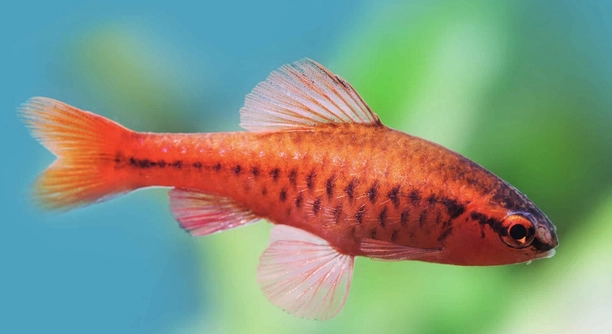
Certain water conditions can trigger breeding responses in aquatic creatures, influencing their behaviors and cycles. Understanding these conditions can help improve breeding success in fish and amphibians.
Water conditions such as temperature, pH levels, salinity, and oxygen content can significantly influence breeding responses. Specific thresholds of these factors signal to aquatic animals when it’s time to reproduce, promoting successful breeding behaviors.
Understanding the optimal conditions for breeding will help you create a better environment for your aquatic animals. Knowing how these factors play a role is essential for encouraging healthy reproduction in your aquatic species.
Temperature: A Key Trigger for Breeding
Water temperature plays a significant role in triggering breeding responses. Many aquatic species rely on specific temperature ranges to initiate their breeding cycles. For instance, some fish species breed when the water warms up in spring, signaling a favorable environment for their offspring. As the water temperature rises, metabolic rates increase, prompting animals to begin reproductive behaviors. The ideal temperature varies between species, so understanding the needs of your specific aquarium inhabitants is essential. Too high or too low a temperature can lead to stress and disrupt breeding attempts.
Maintaining a consistent temperature is crucial for successful breeding. Using an aquarium heater with a thermostat allows you to control the temperature more precisely and avoid sudden fluctuations that could affect the reproductive cycle.
To achieve the right conditions for breeding, monitor your aquarium’s temperature regularly. Many species require specific temperature ranges to stimulate their natural breeding cycles. Be sure to research the species you are breeding and keep a thermometer in the tank for accurate readings. Sudden changes in temperature can cause stress and reduce the chances of successful reproduction.
pH Levels and Breeding Success
Maintaining the correct pH level is vital for encouraging breeding behaviors in aquatic creatures. Different species have unique preferences for their ideal pH, and changes outside their preferred range can make them less likely to breed. In general, fish and amphibians prefer slightly acidic to neutral water, but some may thrive in more alkaline conditions. Monitoring and adjusting pH levels in the tank can help replicate natural environments, triggering the reproductive process.
Water with extreme pH levels can interfere with the health of aquatic animals and disrupt the hormonal processes necessary for breeding. Regularly checking the pH with a test kit helps you maintain balance.
Adjusting the pH to match the species’ needs is key. This can be done by using natural elements like driftwood for acidity or adding substances like baking soda to raise pH levels. The more closely you mimic their natural environment, the better the chances for successful breeding. Keep an eye on any fluctuations and make adjustments as needed for optimal results.
Oxygen Levels and Breeding Behavior
Oxygen content in water is another important factor that influences breeding. Aquatic creatures need sufficient dissolved oxygen to stay healthy and reproduce. When oxygen levels are low, it can stress the animals, making them less likely to breed. For most species, oxygen levels should be maintained at a certain threshold to ensure that their bodies can function properly and support reproductive efforts.
If oxygen levels drop too low, you may notice changes in behavior, like fish swimming near the water’s surface. This is a sign that the water may need better circulation or aeration. Using air stones, filters, or pumps can help increase oxygen levels in the tank.
Maintaining proper oxygen levels helps avoid stress and supports the natural reproductive processes. Regular water changes and maintaining equipment that encourages water movement will ensure adequate oxygenation. Keep an eye on your aquarium setup to make sure all creatures have enough oxygen to thrive and reproduce.
Salinity and Breeding Responses
Salinity, or the salt content of water, is a critical breeding trigger for some aquatic species. Certain fish, like those that migrate between fresh and saltwater, require specific salinity levels to trigger breeding. These animals have adapted to breed only when they sense the right salinity in the water, signaling that the environment is suitable for their offspring’s survival.
For species that require saltwater conditions, maintaining an appropriate salinity level is crucial. This can be achieved by adding marine salt mix to the water. If you’re breeding species that live in brackish or freshwater conditions, adjust accordingly, but be mindful of the species’ specific needs. Maintaining stable salinity ensures that breeding attempts are successful.
Ensure the salinity level is constant, as fluctuations can disrupt the animals’ ability to breed. Investing in a reliable salinity meter will help you monitor this factor. Different species may also have varying tolerances to salinity changes, so research the specific needs of the animals in your care to create the best breeding environment.
Lighting and Breeding Cycles
Lighting plays a major role in regulating breeding cycles for many aquatic species. Some animals rely on changes in day length to signal the time to reproduce. For example, longer daylight hours in spring can trigger breeding responses, while shorter days in fall may cause others to stop breeding.
Proper lighting can mimic natural environments, encouraging animals to follow their natural breeding rhythms. Using timers for your aquarium lights can help regulate light cycles and simulate seasonal changes. This consistency helps set the stage for successful breeding, as many species rely on specific light conditions to trigger reproductive behavior.
Water Chemistry and Breeding Readiness
Water chemistry, including factors like hardness and mineral content, can influence breeding behavior. Some species prefer soft water with low mineral content, while others need harder water with higher mineral levels. Understanding the chemistry needs of your aquatic animals is essential for breeding success.
For example, fish like cichlids and certain amphibians breed more readily in harder water. The minerals present in the water influence the development of eggs and embryos. Testing and adjusting water chemistry ensures that your tank environment matches the species’ breeding requirements.
Seasonal Changes and Reproductive Timing
Seasonal changes can have a big impact on breeding behaviors. Many aquatic species time their reproduction to coincide with natural cycles like warmer weather or higher food availability. For species that require specific seasonal conditions, replicating these changes in the aquarium can trigger breeding.
Understanding your species’ natural habitat and timing is key. If you’re attempting to breed species that are sensitive to seasonal changes, you may need to adjust water conditions and light cycles to match their needs. Keeping the environment stable while mimicking natural patterns can lead to more successful breeding efforts.
FAQ
What temperature is best for breeding fish?
The ideal breeding temperature varies by species. Generally, tropical fish thrive in water temperatures ranging from 75°F to 80°F (24°C to 27°C). Cold-water species like goldfish prefer temperatures between 60°F and 68°F (15°C to 20°C). To find the best temperature, it’s important to research the specific needs of the species you are breeding. Consistency is key, as fluctuations in temperature can stress fish and prevent successful reproduction.
How do I maintain the right pH for breeding?
Maintaining the right pH depends on the species you’re breeding. Most freshwater fish thrive in a pH range of 6.5 to 7.5, while some prefer more acidic or alkaline water. For example, African cichlids often need a pH between 7.8 and 8.6. Use a pH test kit to regularly monitor levels. If adjustments are needed, use pH buffers or substances like driftwood to lower the pH, or baking soda to raise it. Always make small adjustments to avoid stressing your fish.
What is the role of salinity in breeding?
Salinity, or salt levels, are important for certain species that breed in brackish or saltwater environments. Some species of fish, like marine species, breed only when salinity levels are high enough to mimic their natural environment. To adjust salinity, use marine salt mixes for saltwater species or freshwater salt for brackish species. Always measure the salinity with a hydrometer or refractometer to ensure accuracy. Remember that sudden changes in salinity can stress aquatic animals, so make gradual adjustments.
How do I ensure enough oxygen for breeding?
Oxygen is vital for breeding because it supports healthy metabolism, which is necessary for reproduction. To maintain oxygen levels, ensure good water circulation using pumps, filters, or air stones. Regular water changes help keep oxygen levels high and remove waste products that can lower oxygen. For species that require more oxygen, increasing surface agitation or adding additional aeration equipment can help.
Can lighting affect breeding?
Yes, lighting can trigger breeding responses, especially for species that rely on natural light cycles. Many fish species breed during the warmer months when daylight hours are longer. To mimic this, you can use a timer for your aquarium lights to ensure they are on for about 12 to 14 hours a day during breeding season. Conversely, shorter days may help signal the end of the breeding cycle. Some species may also prefer dimmer lighting during breeding to feel safer, so it’s important to observe and adjust accordingly.
What water hardness is needed for breeding?
Water hardness is essential for certain species of fish that need specific mineral levels for successful reproduction. Soft water (low in minerals) is preferred by species like tetras and catfish, while species like cichlids thrive in harder water. Use a water hardness test kit to monitor levels. You can increase hardness by adding calcium or magnesium salts, while to decrease hardness, you can use reverse osmosis water or peat moss. Always check species-specific water hardness requirements before adjusting.
How often should I check water conditions during breeding?
It’s important to regularly check water conditions when breeding, as small changes in temperature, pH, or oxygen levels can affect success. Check temperature daily and pH levels weekly, or more frequently if you’re making adjustments. Test water hardness and salinity every couple of weeks, and monitor oxygen levels with a dissolved oxygen test kit if needed. Keeping consistent water conditions increases the likelihood of successful breeding. Additionally, make sure the filtration system is working well to maintain clean water.
Can too much light affect breeding?
Yes, too much light can be stressful for some species and may hinder breeding. While many species need longer days to trigger breeding, excessively bright or constant lighting can disrupt their natural rhythm. Some species prefer low to moderate light levels during reproduction. To maintain a natural cycle, use dimmer lighting or ensure there’s a dark period during the night. Pay attention to how your fish behave under different lighting conditions and adjust accordingly for the best breeding results.
How can I simulate seasonal changes for breeding?
Simulating seasonal changes can trigger breeding in species that respond to natural environmental cues. To mimic these changes, adjust water temperature and light cycles to match the season your species would typically breed in. For example, lower temperatures and shorter daylight hours may signal the end of breeding for some species, while warmer water and longer daylight may stimulate spawning. You can also simulate rainy seasons by increasing water changes or adding rainwater to the tank, depending on the species’ natural environment.
Do I need to change water conditions for different breeding stages?
Yes, different breeding stages may require slightly different water conditions. For example, while preparing for breeding, fish may need specific temperature or pH levels to initiate mating behaviors. During the egg or fry stage, it’s important to maintain stable conditions to ensure the survival of the offspring. Some species also prefer lower light levels during egg laying. Keep monitoring water quality throughout the breeding process and adjust as needed to provide the best environment for both the adults and their offspring.
Final Thoughts
Understanding the water conditions that trigger breeding responses is crucial for anyone looking to successfully breed aquatic species. Temperature, pH levels, salinity, oxygen levels, and lighting all play important roles in encouraging reproductive behavior. By ensuring these factors are kept within the ideal ranges for your specific species, you can create a breeding environment that mimics the natural conditions that your fish or amphibians would experience in the wild. Consistency is key when it comes to water conditions, as fluctuations can cause stress and disrupt breeding attempts.
It’s important to remember that every species has unique needs, so research is vital. Not all fish or amphibians will respond the same way to the same conditions. For example, some species prefer slightly acidic water, while others thrive in more alkaline environments. Similarly, while some fish breed in warmer waters, others need cooler conditions to trigger reproduction. Understanding these differences ensures you’re meeting the specific needs of the animals you’re trying to breed. Regular monitoring and adjusting of the water parameters can make a big difference in your success rate.
Lastly, patience and observation are important parts of the breeding process. Aquatic species often follow natural cycles that can’t be rushed. Even if the conditions are ideal, it may still take some time for the animals to breed. Keep an eye on their behavior, adjust the environment when necessary, and remember that successful breeding doesn’t always happen overnight. With the right care and attention to detail, you can improve your chances of fostering a healthy breeding environment for your aquatic pets.

Hello,
If you enjoy the content that we create, please consider saying a "Thank You!" by leaving a tip.
Every little bit helps us continue crafting quality advice that supports the health, happiness, and well-being of pets around the world, for pets of all shapes, sizes, and species.
We really appreciate the kindness and support that you show us!