
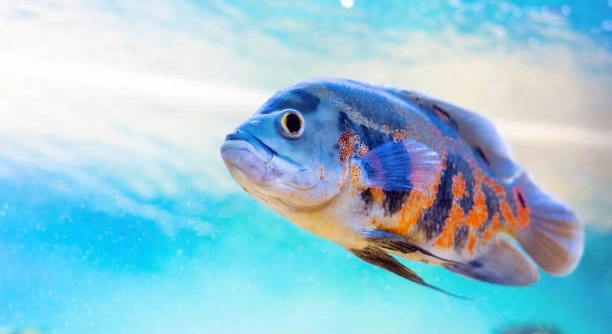
Oscar fish are beautiful and popular in aquariums, but they can be very sensitive to water conditions. Maintaining the right water parameters is crucial for their health and well-being. Understanding these factors can help you provide the best care for your fish.
Oscar fish are highly sensitive to water changes, especially factors like temperature, pH, ammonia levels, and water hardness. These conditions can cause stress, illness, or even death if not kept within the ideal range for this species.
Maintaining the right balance is essential for their survival. These tips will guide you on how to avoid common water mistakes and ensure your Oscar fish thrive.
Temperature Extremes
Oscar fish thrive in warm water, with an ideal temperature range between 74°F and 81°F. When the water gets too cold or too hot, it can cause stress and weaken their immune system. This makes them more susceptible to diseases. Sudden temperature changes can be especially harmful, so it’s important to keep the water stable. If the water gets too cold, your fish may become sluggish, stop eating, or even die. On the other hand, if the temperature is too high, the oxygen level in the water decreases, making it difficult for the fish to breathe properly. Keeping the temperature steady is vital for their health.
Oscars are very sensitive to temperature fluctuations, and it’s easy for beginners to overlook this. A reliable aquarium heater will help you maintain the right warmth.
Investing in a good thermometer and ensuring the heater is functioning properly can prevent the stress that temperature extremes bring. Check the water temperature regularly to make sure it stays within the optimal range. If you live in a location with temperature fluctuations, consider getting an aquarium controller to avoid sudden spikes or drops. By keeping the temperature steady, you ensure your Oscar fish will be much happier and healthier.
pH Levels
Oscar fish prefer a pH level between 6.0 and 8.0. Any drastic shifts outside this range can lead to stress and potential health issues.
If the pH level is too high or too low, your Oscar fish may experience skin and gill problems, making it harder for them to breathe. Maintaining the right pH ensures that their body functions work smoothly. Regular water tests are essential to monitor these levels, especially if you’re adding any new decorations or water treatments. Keep in mind that Oscars prefer slightly acidic to neutral water, so avoid extremes.
Ammonia and Nitrites
Ammonia and nitrites are toxic to Oscar fish, even at low levels. These compounds build up when fish waste, uneaten food, or decaying plants break down. If left unchecked, they can cause serious health problems, like damaged gills and difficulty breathing.
Maintaining a healthy nitrogen cycle in your aquarium is essential. A well-functioning filter helps to remove these harmful substances by converting ammonia into safer nitrates. Regular water changes will also help to keep levels under control. Use water test kits to monitor ammonia and nitrite levels regularly. If your Oscar fish start showing signs of stress, it’s important to check these levels immediately.
If you notice high ammonia or nitrite levels, perform a partial water change right away to dilute the toxins. Increase aeration to improve oxygen flow and help reduce stress. In some cases, a chemical treatment might be needed, but the best solution is preventing buildup through proper filtration and maintenance.
Water Hardness
Oscar fish prefer water that is slightly soft to moderately hard. Water hardness affects their overall health and well-being. If the water is too soft or too hard, they may experience issues like skin irritation or weakened immune systems.
Water hardness is determined by the amount of dissolved minerals like calcium and magnesium. Test your aquarium water regularly to ensure it’s within the recommended range. If the hardness is too low, you can add minerals to balance it out. Conversely, if the water is too hard, consider using reverse osmosis water or a water softener filter.
Oscars, being sensitive to changes in water hardness, need stable conditions. Sudden shifts can stress them out and compromise their health. Avoid using untreated tap water, as its hardness levels can vary significantly depending on your location. Keeping track of these minerals and adjusting the water as necessary can prevent health problems for your Oscar fish.
High Nitrate Levels
Nitrate levels in the water can rise if you don’t perform regular water changes or maintain a good filtration system. High nitrate levels stress Oscar fish, causing poor growth and weakening their immune system. Over time, this can lead to disease.
Excessive nitrates can also affect the overall health of the tank environment. If the levels are too high, it may cause algae blooms, making the aquarium look dirty. Keep nitrates in check by performing partial water changes every week and ensuring your filter is efficient enough to handle the bio-load from your fish.
Test your water regularly to monitor nitrate levels and prevent buildup. If they are too high, change 20-30% of the water immediately. Adding live plants to your aquarium can also help absorb excess nitrates. Keeping the environment clean and the water fresh is key to maintaining the health of your Oscar fish.
Poor Water Filtration
A strong and reliable filtration system is vital for maintaining water quality. Without it, harmful toxins like ammonia, nitrites, and nitrates can accumulate, creating an unhealthy environment for your fish.
The filtration system helps remove debris, waste, and excess food that can pollute the water. It’s important to choose a filter that is appropriate for the size of your tank and the number of fish. A good filter will also help maintain water circulation, which prevents stagnation.
Make sure to clean and replace filter media regularly to keep it working effectively. A clogged or inefficient filter will allow harmful substances to build up, causing stress to your Oscar fish. Proper filtration is one of the simplest ways to keep your tank safe and your fish healthy.
Chlorine and Chloramine
Chlorine and chloramine are common in tap water and can be harmful to Oscar fish. These chemicals are used to disinfect water but can cause serious health problems for fish.
Always use a water conditioner to remove chlorine and chloramine before adding tap water to your tank. Even small traces of these chemicals can irritate your fish’s skin, gills, and overall health. Regularly test your water for chlorine or chloramine presence and avoid using untreated tap water.
FAQ
What is the ideal temperature range for Oscar fish?
Oscar fish thrive in warm water, ideally between 74°F and 81°F. Any significant drop below this range or rise above it can cause stress. Sudden fluctuations in temperature are especially harmful, as they can weaken your fish’s immune system. It’s important to keep the water temperature stable to avoid putting unnecessary strain on your Oscar.
How can I test the pH levels in my aquarium?
Testing the pH of your aquarium water is simple and can be done with a pH test kit. These kits are widely available and will tell you whether the water is too acidic or too alkaline. For Oscar fish, the pH should be between 6.0 and 8.0. Testing should be done regularly, especially after making changes to the tank or adding new decorations.
How often should I change the water in my Oscar fish tank?
You should change about 20-30% of the water in your Oscar fish tank every week. Regular water changes help maintain water quality, reducing the buildup of harmful substances like ammonia, nitrites, and nitrates. The frequency may vary depending on your tank size, the number of fish, and your filtration system, but weekly changes are a good guideline.
Can I keep multiple Oscar fish in the same tank?
Oscar fish are territorial and can become aggressive, especially when they feel crowded. It’s usually best to keep one Oscar per tank unless you have a large aquarium (at least 75 gallons). Even then, ensure there are enough hiding spots to minimize conflict. In some cases, you may be able to keep two Oscars if they are raised together, but it requires a lot of space and careful monitoring of their behavior.
How can I reduce ammonia and nitrites in my Oscar’s tank?
Ammonia and nitrites are harmful to Oscar fish, and their levels should be kept as low as possible. To reduce them, ensure your tank has an efficient filter system that supports biological filtration. Regular water changes and proper feeding practices are also important—don’t overfeed, as uneaten food can decompose and raise ammonia levels. Testing water frequently will help you monitor these compounds and keep them under control.
What should I do if my Oscar fish is not eating?
If your Oscar fish is not eating, it could be a sign of stress, illness, or poor water conditions. Start by testing your water parameters (temperature, pH, ammonia, and nitrates). If the water is fine, check for signs of illness such as lethargy, abnormal swimming, or physical damage. If everything seems normal and your fish is still not eating, you may want to try offering different food types. However, persistent lack of appetite warrants a visit to an aquarium professional or veterinarian.
Is it safe to add live plants to an Oscar tank?
Yes, live plants can be a great addition to an Oscar tank. They help with water quality by absorbing excess nutrients like nitrates and provide hiding spots for your fish. However, be aware that Oscars are known to uproot plants or tear them apart, so it’s important to choose hardy plants that can withstand some nibbling or digging. Plants like Anubias and Java Fern are good choices because they are tough and can be attached to rocks or driftwood.
Why is my Oscar fish acting lethargic?
Lethargy in Oscar fish can be caused by several factors. Common reasons include poor water quality, incorrect temperature, disease, or stress. Begin by checking the water parameters and ensuring the tank is at the proper temperature. If the water quality is good and the fish continues to act lethargic, consider other factors like injury or illness. If the lethargy persists, consult an aquarium professional for further advice.
Can I use tap water for my Oscar fish tank?
Tap water can be used for your Oscar tank, but it’s important to treat it before adding it to the tank. Many tap water supplies contain chlorine and chloramine, which are harmful to fish. Use a water conditioner to remove these chemicals before adding the water to your tank. Additionally, test your tap water for other parameters such as hardness and pH to ensure they fall within the range that is safe for your Oscar fish.
What are the signs of poor water quality in my Oscar fish tank?
Poor water quality can lead to a number of health issues for your Oscar fish. Signs of bad water include excessive algae growth, cloudiness, or a foul smell. Your Oscar may also show signs of stress, such as gasping for air, erratic swimming, or loss of appetite. Regularly test your water to ensure levels of ammonia, nitrites, nitrates, and pH are within safe ranges. If you notice any of these signs, perform a water change and check your filtration system.
How do I prevent my Oscar from becoming stressed?
To prevent stress in your Oscar, maintain a stable environment. Keep the water temperature consistent and ensure that the pH and hardness are in the proper range. Avoid sudden changes in the tank, and ensure that the tank is large enough to give your Oscar plenty of space. Minimize any aggressive interactions with other fish and provide hiding spots. A comfortable and stable environment will help your Oscar thrive.
Oscar fish are fascinating creatures, but they require careful attention to their environment. These fish are sensitive to changes in water conditions, which can cause stress or health problems if not managed properly. It’s important to keep their tank clean, ensure the water temperature is steady, and maintain proper pH levels. Regular water testing and frequent changes can help keep ammonia, nitrites, and nitrates at safe levels. By staying on top of these factors, you can help your Oscar fish live a long, healthy life.
Another key to keeping Oscar fish happy is creating a comfortable habitat. These fish are territorial, so providing plenty of space in the tank is essential. A larger tank, ideally 75 gallons or more, can help reduce stress and aggression. Adding hiding spots, rocks, and decorations can also help your Oscar feel secure and reduce any potential conflicts with other fish. Always monitor their behavior closely, as Oscars can become aggressive or territorial, especially as they grow larger.
Lastly, maintaining a consistent routine is crucial for Oscar fish care. This includes feeding them properly, monitoring water conditions, and ensuring their tank is always in good shape. With the right environment, your Oscar can thrive and show off its vibrant colors and active personality. While they may be a bit more challenging to care for compared to some other fish, the effort is worth it for their unique beauty and companionship. Taking the time to learn about their needs and adjusting your tank setup accordingly will go a long way in keeping them happy and healthy.

Hello,
If you enjoy the content that we create, please consider saying a "Thank You!" by leaving a tip.
Every little bit helps us continue crafting quality advice that supports the health, happiness, and well-being of pets around the world, for pets of all shapes, sizes, and species.
We really appreciate the kindness and support that you show us!