
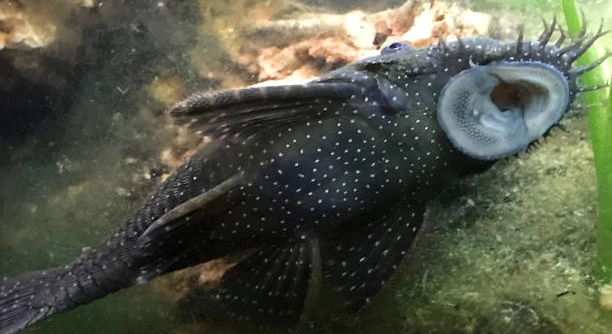
Are your plecos not as active or healthy as you expected them to be, even though their tank looks perfectly clean?
Plecos thrive in stable water conditions with specific temperature, pH, and hardness ranges. They prefer slightly acidic to neutral pH levels, warm water around 74–80°F, and soft to moderately hard water, mimicking their natural tropical environment.
Knowing what makes plecos feel comfortable in their tank can help you improve their overall well-being and make tank maintenance easier.
Consistent Temperature Matters
Plecos are tropical fish and do best in warm, stable water. Keeping the tank temperature between 74°F and 80°F helps support their metabolism and immune system. Sudden changes in temperature can stress them out and make them more prone to illness. Using a reliable aquarium heater and thermometer can help keep things steady. It’s also important to avoid placing the tank near windows or vents, as outside conditions can cause unwanted fluctuations. Regularly checking the temperature ensures the environment stays within the ideal range. Plecos that live in consistent temperatures tend to be more active, eat better, and display healthier colors.
A steady temperature doesn’t just make them comfortable—it helps prevent stress and disease, which can be harder to treat once they start.
You don’t need fancy equipment, just something reliable and easy to monitor. Focus on keeping things stable and your plecos will respond positively over time.
Soft to Moderately Hard Water
Plecos are naturally used to soft to moderately hard water, so keeping hardness between 4–15 dGH works well for them.
Water hardness affects how well plecos absorb minerals and maintain healthy scales and bones. Too soft, and they may miss out on key nutrients; too hard, and it can damage their gills and cause discomfort. Testing kits can help monitor your tank’s water hardness, and adjustments can be made using natural methods like driftwood or Indian almond leaves. If your tap water is outside the preferred range, consider mixing it with distilled or reverse osmosis water. Some pleco species are a bit more flexible than others, but keeping things within this range supports long-term health. Avoid rapid shifts in water chemistry, as plecos need time to adjust to even small changes. Maintaining proper hardness also helps your biological filtration work better, which keeps the tank cleaner overall.
Clean, Well-Oxygenated Water
Good oxygen levels keep plecos healthy and active. A clean tank with steady water flow helps make sure oxygen stays balanced and supports your pleco’s breathing and overall comfort.
Use a filter that gently moves the water to boost oxygen levels without creating strong currents. Plecos are bottom dwellers and don’t enjoy strong flow, so sponge filters or canister filters with adjustable flow are ideal. Keep the tank clean by removing uneaten food and waste. Organic buildup can lower oxygen and increase ammonia, which can harm your plecos. Live plants can also help raise oxygen, especially if they’re low-light plants that won’t compete too hard for resources. Air stones or bubblers are also useful and easy to set up. Keeping the water clean and well-oxygenated helps prevent disease and supports better digestion, growth, and color in plecos.
Check oxygen levels after water changes or tank adjustments. Plecos feel better when water is clean, and they have enough oxygen.
Slightly Acidic to Neutral pH
Plecos feel best in water with a pH between 6.5 and 7.5. This range matches the rivers they come from and supports their natural balance.
If the pH gets too low or too high, plecos may stop eating or become stressed. You can test pH regularly using basic test kits. Avoid sudden shifts in pH, since even small changes can affect their behavior and health. To gently lower pH, driftwood or peat moss can help. If your water is too acidic, crushed coral or limestone can raise it slowly. Make changes in small steps and observe your pleco’s behavior. Stability is more important than chasing a perfect number. A steady pH within this range supports better immune function and helps your plecos stay active. They may even show brighter colors and more natural behaviors once their pH needs are met and maintained over time.
Low Nitrate Levels
Plecos can tolerate some nitrates, but high levels over time will affect their health. Keep nitrates under 20 ppm for the best results. Regular water changes and a good filter help maintain low levels.
Overfeeding can raise nitrate levels quickly. Remove leftover food and vacuum the substrate weekly to prevent buildup.
Gentle Water Flow
Plecos prefer calm water with only a slight current. Strong currents can stress them and make it hard to rest or feed. Use sponge filters, spray bars, or adjustable flow settings to keep movement soft and steady. Calm flow mimics the slower streams they naturally enjoy and helps them feel safe.
Stable Water Parameters
Sudden changes in temperature, pH, or hardness can harm plecos. They prefer slow, steady shifts that give them time to adjust. Test your water often and make changes gradually to avoid shock. Stability supports their immune system and keeps them active.
What temperature is best for plecos?
Plecos prefer water temperatures between 74°F and 80°F. Keeping the temperature within this range helps them stay healthy and active. If the temperature is too low, they may become lethargic and more prone to illness. A reliable aquarium heater is important to maintain a consistent temperature. Avoid sudden drops or spikes, as these can stress your pleco. A thermometer placed in the tank will help you monitor the water accurately.
Can I keep plecos in hard water?
Plecos generally prefer soft to moderately hard water, with a hardness range of 4 to 15 dGH. While they can tolerate harder water, it is not their natural preference and may affect their long-term health. If your tap water is too hard, consider using a water softener or mixing it with distilled water. Keeping water hardness stable is key, as drastic changes can lead to stress.
How can I improve oxygen levels in the tank?
To improve oxygen levels, consider using a sponge filter or air stones. These will gently circulate the water without creating strong currents. Avoid placing your filter in a way that makes the water flow too fast, as plecos are bottom dwellers and prefer calm environments. Additionally, having live plants can help increase oxygen during the day through photosynthesis. Keep an eye on your tank’s cleanliness—organic waste can lower oxygen and make the environment unhealthy.
How do I maintain the right pH for plecos?
Plecos thrive in water with a pH between 6.5 and 7.5. You can monitor pH levels using aquarium test kits, which are easily available at pet stores. If your water is too acidic, adding crushed coral or limestone can raise the pH slowly. To lower it, try adding driftwood or Indian almond leaves, which naturally acidify the water. Make sure any changes are gradual, as sudden shifts can stress your pleco.
Why are my plecos not eating?
Plecos can stop eating for several reasons, including stress from water quality issues, incorrect temperature, or poor water oxygenation. Check your tank’s water parameters and make sure everything is within the optimal range. If water conditions are fine, it could be due to the type of food offered. Plecos are primarily herbivores and need a diet rich in plant matter, such as algae wafers, vegetables, and occasional protein. Make sure the food is sinking to the bottom since plecos are bottom feeders.
How often should I change the water for my plecos?
For plecos, it’s recommended to change 20-30% of the tank water every 1-2 weeks. This helps maintain water quality by removing excess nitrates, phosphates, and organic waste. More frequent water changes might be necessary if your tank is heavily stocked or if your plecos produce a lot of waste. Always dechlorinate tap water before adding it to the tank.
What kind of filter do plecos need?
Plecos benefit from filters that provide gentle water circulation. Sponge filters are ideal for plecos, as they filter the water without creating a strong current. If using a canister or hang-on-back filter, make sure the flow rate can be adjusted to avoid overwhelming the plecos. Proper filtration helps keep the water clean and oxygenated, which is crucial for their health.
Can plecos live with other fish?
Yes, plecos are generally peaceful and can live with other fish that aren’t aggressive. However, they should be kept with species that don’t mind a bottom-dwelling companion. Avoid pairing them with fish that may compete for food or invade their space. Keep in mind that plecos can grow quite large, so consider the size of your tank and the other fish. Also, if you have multiple plecos, make sure the tank is spacious enough to avoid territorial disputes.
Why is my pleco staying at the surface?
If your pleco is staying at the surface of the tank, it might be an indication of poor water conditions or low oxygen levels. Check the temperature, pH, and oxygen levels in your tank. Plecos naturally spend most of their time at the bottom, so if they are at the surface, they might be struggling to get enough oxygen. Adding an air stone or improving water circulation can help.
How do I know if my pleco is stressed?
Signs of stress in plecos can include hiding, not eating, and displaying darker or lighter coloration. If the pleco is constantly hiding or acting lethargic, it may be a sign of poor water quality or an issue with temperature or pH. Monitor your water parameters regularly and make adjustments if needed. Ensure there are no aggressive tankmates that could be causing stress. Additionally, check for physical signs like clamped fins or unusual behavior, which can indicate illness.
When keeping plecos, it’s essential to maintain stable water conditions that closely resemble their natural environment. They thrive in warm, slightly acidic to neutral water with moderate hardness and good oxygen levels. By keeping an eye on temperature, pH, and water flow, you ensure your plecos are as healthy and comfortable as possible. Regular water changes, cleaning the substrate, and monitoring water quality can prevent issues before they arise, making it easier to care for your plecos in the long run.
In addition to water conditions, providing a proper diet is key for pleco health. Plecos are primarily herbivores, so algae wafers, vegetables like zucchini or cucumber, and occasional protein-rich food like shrimp will support their growth and well-being. They are bottom feeders, so it’s essential that food sinks to the bottom for them to access it easily. Monitoring their eating habits and making sure they have a variety of food options can also help prevent nutritional deficiencies. Keep in mind that overfeeding can lead to water quality issues, so feeding in moderation is just as important as providing the right food.
Finally, always pay attention to your pleco’s behavior. If they seem lethargic, stop eating, or start spending too much time at the surface, these could be signs of stress or poor water quality. It’s important to address these issues as quickly as possible to ensure your plecos stay healthy. By providing a stable environment, proper food, and keeping an eye on their health, you can enjoy happy, vibrant plecos for a long time.

Hello,
If you enjoy the content that we create, please consider saying a "Thank You!" by leaving a tip.
Every little bit helps us continue crafting quality advice that supports the health, happiness, and well-being of pets around the world, for pets of all shapes, sizes, and species.
We really appreciate the kindness and support that you show us!