
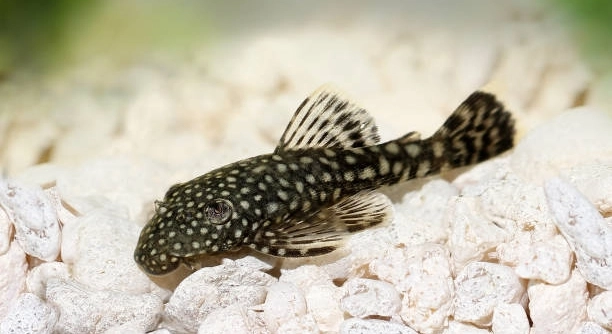
Maintaining the right water conditions is essential for keeping your plecos healthy. These fish are sensitive to various changes in their environment, and even small shifts can lead to stress or health issues.
Plecos are highly sensitive to poor water conditions, such as fluctuating temperatures, incorrect pH levels, high ammonia, nitrite levels, and low oxygen content. Ensuring stable water parameters is crucial to avoid stressing the plecos and promoting their overall well-being.
Addressing these common water issues can significantly improve your pleco’s health. With a few adjustments, you can create an environment that helps them thrive and enjoy their home.
Temperature Fluctuations: A Major Stressor
Temperature fluctuations are one of the biggest issues for plecos. These fish are accustomed to stable conditions, and sudden changes can cause stress, making them more susceptible to illness. A pleco’s ideal water temperature is between 74-80°F (23-27°C). When the temperature is too low or too high, it can affect their immune system, slow their metabolism, and decrease their overall health.
To prevent temperature-related issues, invest in a reliable aquarium heater and thermometer. Ensure the heater maintains the water temperature within the recommended range, and avoid placing the aquarium near windows, doors, or vents where the temperature may fluctuate. If you have multiple tanks, monitor the water temperature of each one to ensure consistency. Additionally, try to avoid sudden, drastic changes in temperature during water changes or when cleaning the tank.
A stable, controlled temperature will support your pleco’s health and prevent unwanted stressors. Investing in proper equipment will help maintain a consistent environment and avoid fluctuating temperatures that could cause harm.
pH Imbalance: Why It Matters
The pH level in your aquarium water plays a critical role in maintaining your pleco’s health.
Plecos thrive in slightly acidic to neutral water, with a pH range between 6.5 and 7.5. If the water becomes too acidic or too alkaline, it can weaken their immune system, leading to skin issues and decreased appetite. To maintain optimal pH levels, regularly test the water using a pH test kit. If your aquarium’s pH is off, consider using pH stabilizers or adjusting it with natural methods, such as adding driftwood or Indian almond leaves.
Ammonia and Nitrite Poisoning
Ammonia and nitrite levels in your tank need to be closely monitored. These toxins can build up quickly if there is insufficient filtration or if water changes are not done regularly. High levels of ammonia or nitrites can lead to respiratory distress, skin burns, and even death.
To keep ammonia and nitrites at safe levels, ensure you have an efficient filtration system in place. Perform regular water changes—about 25% every week—to help dilute harmful toxins. Test your water frequently using an aquarium test kit to ensure the levels are in the safe range. If needed, add live plants or beneficial bacteria to help break down toxins naturally.
By keeping ammonia and nitrites in check, you reduce the stress on your pleco and ensure their tank is a safe environment. Regular maintenance of water quality is essential to keeping them healthy and happy.
Low Oxygen Levels
Plecos require a steady supply of oxygen to thrive. If your tank has low oxygen levels, your pleco will struggle to breathe, becoming sluggish and stressed. Ensure proper aeration in your aquarium by using air pumps and air stones.
Additionally, consider having a filter with adjustable flow to create surface agitation. This increases oxygen exchange at the water’s surface. You can also add live plants to improve oxygen levels, as they release oxygen during the day. Avoid overcrowding your tank, as this can limit oxygen availability for your pleco. Regular water changes and the use of an efficient filter system are also key to maintaining optimal oxygen levels.
Maintaining a well-oxygenated environment is critical for your pleco’s health. Oxygenated water promotes their overall well-being and prevents stress-related illnesses.
Hard Water: Effects on Plecos
Hard water can cause mineral buildup in your pleco’s tank. This makes it harder for them to thrive, as they are more sensitive to calcium and magnesium concentrations. While plecos can tolerate moderate hardness, extremely hard water can lead to skin irritation and stress.
To lower hardness, you can use reverse osmosis (RO) water or add specialized water softeners. Regularly check your water’s hardness using test kits. If you live in an area with naturally hard water, consider investing in a water softening system for your tank. By managing water hardness, you’ll improve your pleco’s overall health and comfort.
High Nitrate Levels
Nitrates accumulate over time as ammonia and nitrites break down. While nitrates are less toxic than ammonia and nitrites, high levels can still harm your pleco, leading to weakened immune systems and growth problems. Keeping nitrates below 40 ppm is essential.
Performing regular water changes is the best way to prevent nitrate buildup. Using live plants can help absorb excess nitrates, improving water quality. Make sure your filter is working efficiently to remove nitrates and other waste. If nitrate levels rise too high, perform an emergency water change to dilute them. Keeping nitrates low will ensure your pleco stays healthy.
Tank Overcrowding
Overcrowding is a significant stressor for plecos. Too many fish in the tank can lead to poor water quality, low oxygen levels, and territorial disputes. These conditions can quickly overwhelm your pleco and lead to illness.
To prevent overcrowding, ensure your tank has enough space for all inhabitants. Plecos need plenty of room to swim, hide, and forage for food. If you have too many fish, consider upgrading to a larger tank or relocating some fish. A spacious environment will reduce stress and promote healthier fish.
FAQ
What is the ideal water temperature for plecos?
The ideal water temperature for plecos is between 74-80°F (23-27°C). Temperatures outside this range can cause stress, slow down their metabolism, and even lead to health problems. To maintain a stable environment, invest in a good quality aquarium heater. Make sure the temperature stays consistent, as plecos are sensitive to sudden changes.
Can plecos live in soft water?
Plecos are adaptable to a range of water hardness levels but tend to do better in slightly hard or neutral water. Extremely soft water can cause problems as it lacks the necessary minerals, affecting your pleco’s health. If your water is too soft, you can add minerals or use remineralization products to adjust the water hardness.
How can I lower the pH in my tank for my pleco?
To lower the pH, you can add substances like Indian almond leaves, driftwood, or peat moss to your tank. These naturally acidify the water. You can also use a commercial pH-lowering product, but be careful not to make drastic changes. Rapid shifts in pH can stress your pleco, so make adjustments gradually.
What causes high ammonia levels in my pleco’s tank?
High ammonia levels are often caused by overfeeding, insufficient filtration, or infrequent water changes. Ammonia is a byproduct of fish waste and decaying food. To prevent this, only feed your pleco what it can eat in a few minutes and regularly check your filter. Keep up with weekly water changes of 25-30% to ensure ammonia levels stay low.
How can I raise the oxygen levels in my pleco’s tank?
To increase oxygen levels, add an air pump with an air stone. This will help create surface agitation, allowing oxygen to enter the water more efficiently. You can also opt for a filter that increases water movement or add live plants, which naturally produce oxygen during the day.
Is it necessary to use a filter for a pleco tank?
Yes, a filter is essential in a pleco tank. Filters help maintain water quality by removing debris and toxins like ammonia and nitrites. They also support the biological filtration process by cultivating beneficial bacteria that break down waste. Without a filter, your pleco’s tank can quickly become polluted, leading to health issues.
What are the signs of poor water quality in a pleco’s tank?
Signs of poor water quality include cloudy water, a noticeable increase in algae growth, and a strong, unpleasant odor. Plecos may also become lethargic or show signs of stress, like excessive hiding or labored breathing. Regularly testing the water will help you stay on top of potential issues.
Can plecos live in brackish water?
While most plecos prefer freshwater, some species can tolerate brackish water. However, it’s important to research your specific pleco species to understand their needs. For example, the bristlenose pleco thrives in freshwater, while certain plecos, like the rubber lip pleco, can adapt to slightly brackish environments.
How often should I clean my pleco’s tank?
Your pleco’s tank should be cleaned regularly. At least once a week, remove any debris from the substrate and clean the filter. You should also perform partial water changes every week, about 25-30% of the tank’s volume, to maintain healthy water conditions and remove waste buildup.
How can I tell if my pleco is stressed due to water conditions?
Signs of stress in plecos include decreased activity, loss of appetite, rapid gill movement, and discoloration. A stressed pleco may also spend more time hiding or refuse to eat. If you notice these signs, check your water parameters immediately and make adjustments to restore a stable environment.
What are the best tank mates for plecos?
Plecos are generally peaceful, but they do best with calm, non-aggressive tank mates. Good companions include tetras, guppies, and other small, peaceful fish. Avoid keeping them with overly aggressive species or those that compete for hiding spots. Always ensure the tank is large enough for all inhabitants.
How can I make my pleco feel more comfortable in the tank?
Plecos appreciate a tank with plenty of hiding spots and room to roam. You can add rocks, caves, or driftwood for them to hide under. Providing these shelters mimics their natural environment, giving them a sense of security. A well-maintained tank with stable water conditions will also help them feel more at ease.
How do I know if my pleco is getting enough food?
Plecos are primarily herbivores and should have a diet rich in algae and vegetables. Offer sinking algae wafers, blanched zucchini, and spinach. If your pleco is not eating, check the water quality and ensure there is no overcrowding in the tank, as these can stress your pleco and affect their appetite.
Can plecos live in a tank with other bottom-dwelling fish?
Plecos are bottom-dwellers, but they can coexist with other peaceful bottom-dwelling species. Ensure there is enough space for everyone to claim their own territory. Some plecos, like the bristlenose, are smaller and less territorial, which makes them better tank mates for other bottom-dwellers. However, larger plecos may become more territorial as they mature.
How do I prevent my pleco from getting too big for the tank?
As plecos grow, they may eventually outgrow smaller tanks. To prevent this, provide a larger tank early on to accommodate their growth. Bristlenose plecos, for instance, grow to around 4-6 inches, while other species can reach up to 24 inches. Ensure your tank is appropriately sized for the pleco species you own.
Why is my pleco not eating?
A lack of appetite can stem from poor water quality, stress, or illness. Check the water parameters immediately and make sure they are within the ideal range. If your pleco is still not eating, it may have a health issue. In that case, consider consulting a vet who specializes in fish care.
Final Thoughts
Caring for plecos requires attention to water conditions, as these fish are particularly sensitive to their environment. Ensuring that your pleco has the right water temperature, pH, and hardness will keep it healthy and stress-free. Small changes to the water can have a big impact, so it’s essential to regularly monitor the water quality using reliable test kits. By understanding the specific needs of your pleco, you can prevent many common health issues related to poor water conditions.
In addition to water quality, the overall environment in the tank is important. Plecos are bottom-dwellers and prefer tanks with plenty of hiding spots, such as caves or driftwood. This gives them a place to rest and feel secure, reducing stress. Proper filtration and regular water changes will help maintain a clean environment for both the pleco and other tank mates. Remember, a clean tank is a happy tank, so take the time to maintain your tank and provide the best conditions for your pleco.
Finally, always observe your pleco closely. If it begins to show signs of stress or illness, it’s crucial to assess the water quality and adjust accordingly. Regular tank maintenance, monitoring food intake, and providing a comfortable, stable environment will ensure your pleco remains healthy for years to come. Taking these steps will not only keep your pleco happy but also improve the overall health of your entire aquarium.

Hello,
If you enjoy the content that we create, please consider saying a "Thank You!" by leaving a tip.
Every little bit helps us continue crafting quality advice that supports the health, happiness, and well-being of pets around the world, for pets of all shapes, sizes, and species.
We really appreciate the kindness and support that you show us!