
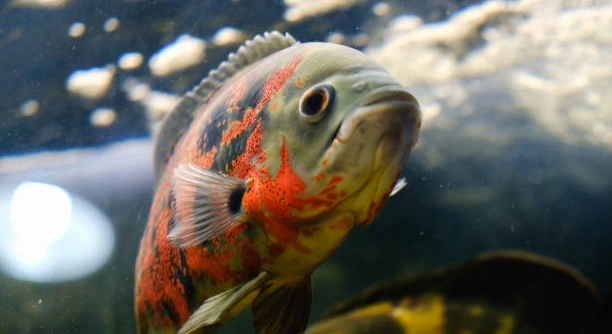
Oscar fish are popular aquarium pets known for their vibrant colors and strong personalities. However, caring for them can be tricky, especially when it comes to maintaining the right water chemistry. Many fish owners unknowingly make mistakes that affect their health.
Water chemistry plays a vital role in the health of Oscar fish. Incorrect levels of ammonia, nitrites, and pH can lead to stress, illness, and even death. Common mistakes include poor water filtration, neglecting regular water changes, and failing to test water parameters regularly.
Addressing these issues can help you create a stable environment for your Oscar fish. Proper water maintenance is essential to ensure their well-being, and avoiding common water chemistry mistakes can make a significant difference.
1. Mistake: Ignoring Ammonia Levels
Ammonia is one of the most dangerous substances for Oscar fish. When their waste, uneaten food, and decaying plants break down, they release ammonia into the water. If left unchecked, ammonia can cause severe damage to your fish’s gills, leading to difficulty breathing or even death. It’s important to keep ammonia levels close to zero to avoid harming your Oscar fish.
The primary reason ammonia builds up is poor filtration or inadequate water changes. A high tank bioload, where too many fish are present or overfeeding occurs, also contributes to this problem.
Testing the water regularly is a must to detect any ammonia spikes early. Install a reliable filter, clean it often, and perform regular water changes to help control ammonia. Your Oscar will thank you for the effort in keeping their environment clean and safe.
2. Mistake: Not Monitoring Nitrites and Nitrates
Both nitrites and nitrates can also harm Oscar fish. While less toxic than ammonia, high nitrites still cause stress and reduce oxygen levels in the water. Nitrates, although less dangerous in small quantities, accumulate over time and can lead to long-term health issues.
Nitrites form during the breakdown of ammonia, but they are usually filtered out through biological filtration. If the tank isn’t fully cycled or the filter isn’t functioning well, nitrites will build up. Nitrates accumulate over time as the final product of the nitrogen cycle.
To keep nitrites and nitrates at safe levels, make sure your tank has a good filtration system. Regular water changes help control nitrate build-up. Additionally, using live plants can assist in absorbing excess nitrates. Monitoring these levels is key to keeping your Oscar fish healthy.
3. Mistake: Poor pH Control
Oscar fish thrive in water with a slightly acidic to neutral pH. Keeping the pH stable is essential for their overall health and well-being. Fluctuations can stress them out and lead to sickness.
A pH imbalance usually happens due to poor water changes or the introduction of substances that affect acidity. You might notice that your tank’s pH swings when you use tap water that’s too hard or soft. Regular testing will help you catch these changes early.
Using a pH buffer can help maintain stability. It’s also crucial to use the right kind of substrate and decorations that won’t interfere with the pH. Remember, consistency is key, and sudden changes should always be avoided.
4. Mistake: Overfeeding
Overfeeding is a common mistake Oscar fish owners make. Excess food can break down into ammonia, harming the tank’s water quality. Plus, it can lead to obesity and other health problems for your fish.
It’s important to feed your Oscar fish only what they can consume in a few minutes. Giving them too much at once can result in leftovers that decay and pollute the water. Adjust the amount of food based on the size and activity level of your Oscar.
If you notice uneaten food in the tank, remove it immediately. This will prevent unnecessary waste buildup. Overfeeding can also lead to water quality problems, so always ensure you’re not feeding more than necessary. Keeping your fish’s diet controlled will help them thrive in a cleaner environment.
5. Mistake: Inconsistent Water Temperature
Oscar fish are sensitive to temperature changes. Water that’s too cold or too hot can cause stress, weakening their immune system and making them prone to illness.
It’s essential to maintain a consistent temperature between 75-80°F (24-27°C) for optimal health. A reliable aquarium heater and thermometer are a must to ensure stable conditions.
Temperature fluctuations can occur if the heater isn’t working properly or if the tank is placed near windows or air conditioners. Always check the temperature regularly, especially during seasonal changes, to prevent harm.
6. Mistake: Using Poor Water Filtration
Filtration is crucial to maintaining a healthy environment for Oscar fish. Inadequate filtration leads to the accumulation of harmful toxins, like ammonia and nitrites, which affect their health.
Choosing the right filter depends on the tank size and the number of fish. Oscars are messy eaters, so you need a filter with strong water flow that can handle the waste produced.
A high-quality filter will also help oxygenate the water, preventing stagnation. Clean your filter regularly to maintain its efficiency. Keep an eye on water clarity—if it becomes murky, it’s time for a maintenance check.
7. Mistake: Not Regularly Testing Water Parameters
Water tests are essential for ensuring your Oscar fish are living in safe conditions. Regular testing allows you to detect any issues before they become critical.
Test your water weekly to monitor ammonia, nitrite, nitrate, pH, and temperature levels. If any of these parameters are off, take action immediately to correct them.
Having test kits on hand is a small effort that can prevent bigger problems. Regular water testing keeps your Oscar healthy and ensures a more enjoyable experience for both you and your fish.
FAQ
What is the ideal water temperature for Oscar fish?
Oscar fish thrive in water temperatures ranging from 75-80°F (24-27°C). Keeping the water in this range helps ensure their metabolism runs smoothly and that they stay healthy. Too high or too low of a temperature can cause stress and increase the risk of diseases. You should always use a reliable aquarium heater and thermometer to maintain a consistent temperature. Make sure the tank is placed in a location that avoids drafts or extreme heat sources. If you’re uncertain about temperature fluctuations, investing in an aquarium controller can be helpful to keep things stable.
How often should I change the water in my Oscar tank?
Oscar fish are messy eaters, and their tank needs regular maintenance to stay healthy. You should change 25-30% of the water every week to keep ammonia, nitrite, and nitrate levels in check. This is essential for maintaining a balanced and clean environment for your Oscar. If you have a heavily stocked tank or a smaller aquarium, you may need to increase water changes to 50% every week. Always use a water conditioner to remove chlorine or chloramine from tap water before adding it to the tank. It’s a good habit to vacuum the substrate during water changes to remove any uneaten food or waste.
What are the best water parameters for Oscar fish?
The best water parameters for Oscar fish include a pH level between 6.5 and 7.5, a water temperature of 75-80°F (24-27°C), ammonia and nitrite levels at 0 ppm, and nitrate levels below 40 ppm. Testing your water regularly is the best way to ensure these parameters are within the safe range. If the pH drifts outside the recommended range, you can adjust it gradually with a pH buffer, but it’s crucial to avoid making rapid changes, as this can stress your fish. Keeping these water parameters stable is key to maintaining a healthy and happy Oscar.
Can I keep other fish with my Oscar?
Oscar fish are known to be territorial and aggressive, especially as they mature. They may not get along with smaller fish, and they could view them as food. Larger, robust fish that can handle themselves are better tank mates for Oscars. Some good options for tank mates include other cichlids, larger catfish, or some species of plecos. Be sure to keep the size of the tank in mind when adding other fish. Oscars need plenty of space to establish their territory, and overcrowding can lead to stress and aggression.
How can I reduce ammonia levels in my Oscar tank?
Ammonia buildup is a common issue in tanks with Oscar fish, as they produce a lot of waste. To reduce ammonia levels, make sure your tank has a high-quality filter capable of handling the waste load. Regular water changes (25-30% per week) will also help reduce ammonia buildup. Avoid overfeeding, as uneaten food breaks down into ammonia. It’s also helpful to add beneficial bacteria to your filter system to aid in biological filtration, converting ammonia into less harmful substances like nitrites and nitrates. Monitor ammonia levels closely, especially in newly set-up tanks, until the nitrogen cycle stabilizes.
Why is my Oscar fish acting lethargic?
Lethargy in Oscar fish can be a sign of several underlying issues, such as poor water quality, incorrect water temperature, or illness. First, check the water parameters, including ammonia, nitrite, nitrate, and pH levels. Poor water quality can stress Oscars and lead to lethargy. Ensure the temperature is within the ideal range (75-80°F). If the water is fine and the fish is still lethargic, consider other factors like overfeeding, aggression from tank mates, or disease. If the behavior persists, it’s a good idea to consult an aquarium vet to rule out any health concerns.
Can Oscar fish live in a 20-gallon tank?
A 20-gallon tank is too small for Oscar fish. Oscars grow quite large, often reaching 12-14 inches in length, and require plenty of space to swim and establish their territory. A tank of at least 55 gallons is recommended for a single Oscar. A larger tank provides more room for the fish to move around and reduces the stress caused by limited space. Smaller tanks can lead to poor water quality and overcrowding, which will affect your Oscar’s health. Always consider the adult size of your fish when selecting an aquarium.
How do I know if my Oscar fish is sick?
Oscar fish show various signs when they are unwell. Common signs of illness include loss of appetite, pale or discolored skin, unusual swimming behavior (like swimming erratically or staying near the surface), and the presence of lesions or sores. If you notice these symptoms, it’s essential to act quickly. Check the water parameters and ensure they’re within the safe range. If the water is fine, consider isolating the fish in a quarantine tank to treat the illness. Consult an aquarium vet if you are unsure about the symptoms, as prompt treatment can prevent the disease from worsening.
Can Oscars eat live food?
Yes, Oscar fish can eat live food, and it’s often part of their natural diet in the wild. They will happily consume live insects, worms, and small fish. However, feeding live food should be done cautiously. Live food can sometimes carry parasites or diseases that could harm your Oscar. If you choose to feed live food, make sure it comes from a trusted source to avoid introducing harmful pathogens. Many aquarium owners prefer frozen or pellet foods because they offer a balanced diet without the risk of introducing illnesses.
How big do Oscar fish get?
Oscar fish can grow to be quite large, reaching lengths of 12-14 inches (30-35 cm) in captivity. They may grow faster in larger tanks, where they have more space to swim. It’s important to keep this in mind when planning for an Oscar, as they require a large tank to accommodate their size. As they grow, their environment needs to be adjusted to maintain water quality and comfort. If you’re considering keeping an Oscar, a minimum tank size of 55 gallons is recommended, and larger tanks are preferable for long-term health.
Final Thoughts
Oscar fish can make great pets when given the proper care, but maintaining a healthy tank requires attention to detail. Water chemistry is a crucial aspect of their well-being, and neglecting factors like ammonia, nitrites, and pH can lead to health issues or even death. By staying on top of water changes, regular testing, and maintaining stable water conditions, you can prevent many common problems that affect Oscar fish. It’s important to create an environment where the water quality remains optimal for your fish to thrive.
Besides water quality, feeding habits and tank size are also important to keep in mind. Oscars can become territorial and aggressive as they grow, so providing enough space and choosing compatible tank mates is necessary. Overfeeding can lead to poor water quality and health problems for your fish, so it’s best to feed them only what they can eat in a few minutes. Keeping your Oscar’s tank clean and free of uneaten food or waste will help ensure their long-term health.
In conclusion, caring for Oscar fish involves more than just providing them with food and a tank. Understanding their water chemistry needs, maintaining a stable environment, and keeping up with regular tank maintenance will go a long way in preventing mistakes that could harm your fish. With the right care, Oscar fish can be a rewarding addition to your aquarium, bringing vibrant colors and personality into your home. Regular monitoring and thoughtful attention to their needs will ensure they stay healthy and happy for years to come.

Hello,
If you enjoy the content that we create, please consider saying a "Thank You!" by leaving a tip.
Every little bit helps us continue crafting quality advice that supports the health, happiness, and well-being of pets around the world, for pets of all shapes, sizes, and species.
We really appreciate the kindness and support that you show us!