
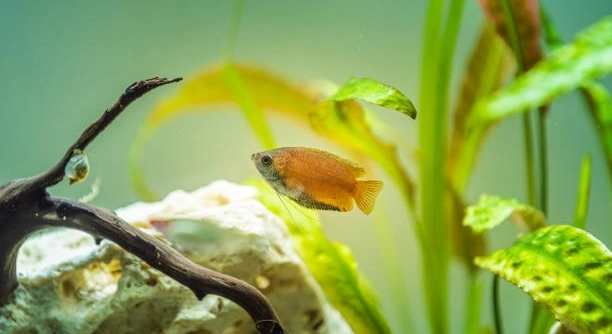
Many fish react nervously to changes in their environment, making everyday care a little stressful. Skittish fish often hide or dart around, creating concern for their well-being and the overall harmony of your aquarium.
Gradual and consistent water changes can reduce stress in skittish fish by maintaining stable water parameters. Replacing a portion of the tank water regularly helps control toxins, supports proper pH levels, and ensures a healthier, calmer environment.
Implementing these simple adjustments can make a noticeable difference in your fish’s behavior and comfort. Following careful steps will create a more peaceful and balanced aquarium environment.
Start Small with Partial Changes
Making large water changes all at once can unsettle skittish fish. Instead, replace only a small portion, around 10-20% of the tank at a time. This gradual approach keeps water parameters more stable and reduces the risk of shocking your fish. I usually start with the corners of the tank, slowly adding fresh water over several minutes. Observing the fish during this process helps ensure they remain calm. Small, consistent adjustments also prevent sudden shifts in temperature or chemistry, which can be stressful. Over time, fish become more comfortable with these minor changes and are less likely to hide or dart around. Pairing small changes with regular maintenance, like siphoning debris and checking filters, creates a healthier environment. Even simple habits, such as gently moving your hand near the tank before changes, signal that the process is safe and predictable.
Partial water changes are safer for sensitive fish than large replacements. Smaller volumes maintain stable conditions while gradually improving water quality.
Starting small also makes maintenance manageable. You can stick to a routine without overwhelming yourself or your fish, creating a calmer tank overall.
Use Lukewarm Water
Always match the new water’s temperature to the existing tank water. Cold or hot water can shock fish and increase stress. I usually measure both waters with a thermometer to make sure the difference is minimal. Adjusting slowly allows fish to acclimate to slight changes safely. It also prevents sudden reactions, like darting or hiding. Temperature consistency is one of the most overlooked aspects of water changes, yet it greatly affects sensitive species. By carefully controlling water warmth, you maintain comfort and health for the fish. Some fish are more temperature-sensitive than others, so taking this step ensures even skittish types stay calmer. Lukewarm water helps the tank’s ecosystem remain balanced, reducing stress on plants and other aquatic life. Simple adjustments like this show noticeable results over weeks, improving overall tank stability and fish confidence.
Temperature matching is critical for fish stress reduction and overall tank stability. Small variations can lead to long-term behavioral changes.
Careful temperature control can prevent abrupt reactions, protect delicate species, and support a healthier aquarium. Taking the time to match water allows fish to feel secure while maintaining water quality. Over time, it improves their behavior and reduces anxiety in everyday activities.
Keep Water Free of Chemicals
Chlorine and other chemicals in tap water can stress fish. Always treat new water with a conditioner before adding it to the tank. I keep a small bottle nearby to ensure every change is safe and consistent.
Using a water conditioner neutralizes harmful chemicals like chlorine and chloramines, which can irritate fish gills and skin. Even trace amounts can cause discomfort, making fish more skittish and prone to hiding. Regular treatment before each water change helps maintain a stable and healthy environment. Over time, fish adapt better to water adjustments and display calmer behavior. I also check for heavy metals, as some tap water contains copper or other substances that affect sensitive species. Conditioning water ensures the aquarium remains safe, avoiding sudden stress reactions during routine maintenance. Simple precautions like this reduce anxiety and improve overall fish well-being.
Some conditioners also support slime coat development, which strengthens fish against infections. Consistent use prevents sudden stress and contributes to a healthier, calmer tank over time. Observing fish after water changes shows the positive impact of chemical-free water.
Maintain Proper Filtration
A strong filtration system keeps the tank water clean and reduces toxins that can stress fish. I check my filters weekly to make sure they work efficiently.
Filters remove debris, excess food, and waste that could otherwise build up and affect water quality. Skittish fish react quickly to deteriorating conditions, so keeping the water clear is essential. I often rinse filter media gently in tank water during maintenance, avoiding tap water that can kill beneficial bacteria. These bacteria are crucial for breaking down ammonia and nitrites, maintaining a safe environment. Proper filtration also supports oxygen levels, which keeps fish active and less prone to panic. I notice that fish swim more confidently when the tank stays clean, and hiding behavior decreases. Even small improvements in filtration can make a noticeable difference in reducing stress for sensitive species.
In addition to cleaning, I sometimes adjust flow rates to suit timid fish. Strong currents can be overwhelming, so a balanced filtration system ensures comfort while still keeping water quality high and stable.
Change Water at the Same Time
Keeping a consistent schedule helps fish feel secure. I usually change water on the same day each week to make the environment predictable.
Regular timing reduces stress and prevents sudden fluctuations in water quality. Fish adapt better when they know what to expect, and maintaining a routine helps stabilize tank conditions.
Remove Debris Gently
Siphon uneaten food and waste carefully to avoid stirring the substrate too much. Disturbing the tank excessively can scare skittish fish. I take my time, moving slowly around the tank to keep the fish calm.
Avoid Overcrowding
Too many fish increase stress and reduce the effectiveness of water changes. I make sure my tank has enough space for each fish to swim freely.
Observe Fish Behavior
Watching how your fish react after changes helps you adjust your approach. I note when they hide or swim calmly to improve future water changes.
How often should I change water for a skittish fish?
For most skittish fish, partial water changes every week work best. I stick to changing about 10-20% of the tank at a time. Frequent small changes maintain stable water parameters without stressing the fish. Overdoing it can be just as harmful as not changing water at all. Regular weekly changes keep ammonia, nitrites, and nitrates in check, which prevents sudden stress reactions. By keeping a routine, your fish gradually adapt and become less jumpy during maintenance. It’s also easier to monitor water temperature and chemical levels consistently.
What temperature should the new water be?
Always match the temperature of the new water to the existing tank water. I use a thermometer to check both before adding water. Sudden differences, even a few degrees, can cause fish to dart or hide. Lukewarm water that closely matches the tank ensures comfort and reduces shock. Some species are more sensitive, so precise temperature control is critical. Gradually adding the water instead of pouring it all at once further prevents stress. Over time, this method helps timid fish remain calm during regular changes and other tank activities.
Can I use tap water for water changes?
Tap water is fine as long as it is treated with a water conditioner. Chlorine and chloramines are harmful to fish, so I always treat water before adding it. Even trace amounts of these chemicals can irritate gills and skin. Some conditioners also neutralize heavy metals like copper, which is helpful for delicate species. I usually let the treated water sit for a few minutes to ensure it is safe before adding it. Conditioned tap water maintains water quality without stressing fish, supporting healthy behavior and calmer activity after each change.
How much water should I change at once?
Partial water changes are best, usually 10-20% of the tank at a time. I avoid large replacements because sudden changes can shock fish. Small, consistent adjustments improve water quality without altering temperature or pH too drastically. Over time, this reduces hiding behavior and panic swimming. Large changes are only safe if water parameters are very close to the tank’s current conditions. Regular smaller changes create stability and help the fish feel secure, which is especially important for shy or skittish species.
Should I adjust filtration during water changes?
Yes, but carefully. I sometimes lower the flow rate temporarily if it seems strong, especially for timid fish. Strong currents can increase stress. Filters must still work efficiently to remove debris and maintain water quality. Cleaning filter media gently in tank water ensures beneficial bacteria remain intact. Maintaining proper filtration during water changes prevents sudden buildup of toxins and helps fish remain calm. Consistent monitoring and adjustments keep water clear and oxygen levels balanced, supporting fish comfort and reducing anxiety.
What signs show that my fish are stressed after a water change?
Common signs include hiding more than usual, darting around, or staying near the surface. I watch closely after each change. Skittish fish may also lose color temporarily or refuse to eat. These behaviors usually indicate the water change was too fast or conditions shifted suddenly. Adjusting water temperature, flow, and the amount changed can help reduce these reactions. Over time, fish become more confident and less reactive if changes are gradual, predictable, and gentle.
Can decorations or plants help reduce stress during water changes?
Yes, they provide hiding spots and reduce the feeling of exposure. I make sure decorations are stable so they don’t shift during maintenance. Live plants also improve water quality slightly by absorbing nitrates, which benefits skittish fish. Proper placement ensures fish feel safe while water is being replaced. Observing how they use these spaces can guide adjustments to tank layout, supporting a calmer environment and reducing panic swimming during routine care.
Is it okay to feed fish before a water change?
I prefer feeding after a water change. Uneaten food can contaminate the water and reduce quality. Feeding afterward ensures that fish have food available without affecting the freshly changed water. This also prevents sudden spikes in ammonia and keeps fish more relaxed. Over time, this sequence helps fish associate water changes with minimal stress, maintaining a stable environment that supports calmer behavior and healthier habits.
How can I make water changes less stressful overall?
Consistency is key. I stick to a schedule, use lukewarm treated water, and avoid large sudden changes. Moving slowly, minimizing noise, and observing fish reactions helps reduce panic. Partial changes, gentle siphoning, and proper filtration all work together to create a predictable routine. Over time, skittish fish become less reactive, enjoy a healthier environment, and show calmer behavior, making maintenance easier and the tank more balanced.
Maintaining a calm environment for skittish fish requires patience and consistency. Water changes are an essential part of keeping fish healthy, but they can also be stressful if not done carefully. Small, partial water changes done on a regular schedule help keep water parameters stable and reduce sudden shifts that can scare fish. Matching the new water’s temperature to the tank, using a conditioner to remove harmful chemicals, and changing only a portion of the water at a time all contribute to a safer and more predictable environment. Observing your fish during and after changes allows you to notice stress signals early and adjust your approach if needed. Over time, these small efforts create a routine that your fish can become familiar with, making them calmer and more comfortable in their tank.
Filtration and tank setup also play an important role in minimizing stress. Clean, properly maintained filters keep water free from waste and toxins that can make fish anxious. Gentle water flow and sufficient hiding spots, such as plants and decorations, help fish feel safe during changes. I find that slowly moving around the tank and avoiding sudden movements makes a difference in how fish respond. Timid species, in particular, benefit from predictable routines and stable conditions. By combining careful water changes with attention to filtration and habitat, you provide an environment where fish can swim confidently, eat normally, and interact with their surroundings without panic. These steps not only reduce stress but also support overall health, helping fish live longer and display natural behaviors.
Consistency, attention, and patience are key to keeping skittish fish comfortable. Avoiding sudden large water changes, controlling temperature, removing debris gently, and observing fish behavior all contribute to a calmer tank. Over time, fish become accustomed to these routines and respond more positively to maintenance activities. Skittish fish may never be fully bold, but with careful care, their anxiety can be significantly reduced. A stable, clean environment allows them to thrive, making the aquarium more enjoyable to maintain. Maintaining these practices doesn’t have to be complicated; small, steady efforts create lasting results. By paying attention to water quality, filtration, and behavior, you support both the health and comfort of your fish, making water changes less stressful for everyone involved.

Hello,
If you enjoy the content that we create, please consider saying a "Thank You!" by leaving a tip.
Every little bit helps us continue crafting quality advice that supports the health, happiness, and well-being of pets around the world, for pets of all shapes, sizes, and species.
We really appreciate the kindness and support that you show us!