
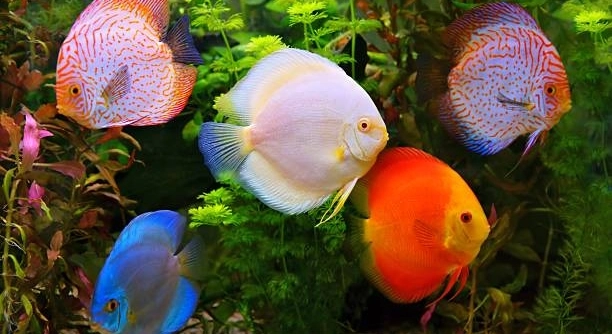
Are your discus fish acting stressed or looking unhealthy even though you keep up with regular water changes in their tank?
Many discus fish health issues come from common water change mistakes, including temperature mismatches, sudden chemistry shifts, and inconsistent schedules. These errors can stress the fish, weaken their immune systems, and even cause sudden deaths if left unchecked.
Learning what to avoid can help your discus stay healthy, happy, and comfortable in their environment for the long haul.
Changing Too Much Water at Once
Large water changes might seem like a good way to refresh your tank, but they can be harmful to discus fish. When you change too much water at once, it causes a sudden shift in water chemistry. Discus are sensitive to changes in pH, temperature, and hardness. A drastic change can stress them, weaken their immune system, and lead to illness. It’s better to change small amounts more often. Aim for 20–25% of the tank water at a time. This keeps the water clean without shocking your fish. Always match the temperature and treat the new water properly before adding it in.
A sudden change in temperature or pH can leave your discus gasping or refusing to eat.
To avoid harming your discus, use a thermometer to match the new water to the tank’s temperature. Test the pH to ensure it’s stable, and change smaller amounts more frequently.
Not Using Dechlorinator Properly
Even a small amount of chlorine or chloramine in your tap water can hurt discus fish.
Chlorine and chloramine are added to municipal water to kill bacteria, but they’re toxic to fish. If you forget to use a dechlorinator or don’t use the right dose, your discus may show signs of stress right away. Gasping at the surface, darting around the tank, or turning darker in color are early warnings. Over time, exposure to untreated water can lead to gill damage and other health problems. Always read the label and use a product that removes both chlorine and chloramine. Add it before the water touches your tank. Some water conditioners also neutralize heavy metals, which is a bonus for discus tanks. Get into the habit of prepping your water in a separate container, treating it thoroughly, and testing it before pouring it in. This extra step can save your discus from avoidable harm.
Using Cold or Hot Water Without Checking
Discus fish react badly to sudden temperature changes, even if the difference seems small. Using water that’s too hot or too cold during changes can lead to stress, illness, or even death if the shift is extreme.
Temperature shock happens quickly and silently. One moment your discus may be swimming calmly, and the next they’re darting around, gasping, or hiding. When adding new water, always use a thermometer to make sure it matches the tank’s temperature. Don’t estimate or rely on touch—it’s not accurate. Keep the range stable, ideally between 82°F and 86°F. If the water is off by more than 2°F, wait before adding it in. Use a heater or let the water sit to adjust. This small step can protect your discus from a lot of stress and help keep their immune systems strong.
Skipping this can also lower their appetite, leaving food uneaten. It may also slow their growth. When this happens, your discus might start isolating themselves or becoming aggressive with tankmates. Over time, this stress builds up and can make them more prone to infections or fin rot. This kind of decline is easy to prevent. Just use a thermometer every time and adjust gradually. Steady warmth is key for healthy discus.
Cleaning the Filter Right Before a Water Change
Doing both at the same time removes too much beneficial bacteria. This weakens the tank’s biofilter and creates unstable water conditions that discus can’t tolerate well.
Your tank’s filter holds good bacteria that help break down fish waste and leftover food. When you clean the filter and change the water at the same time, you’re removing both physical waste and the bacteria that keep the water safe. This can lead to ammonia spikes or cloudy water shortly after. It’s better to wait a few days between these tasks. Clean the filter on one day, then change the water two or three days later. If the filter is very dirty and needs cleaning right away, only rinse the media gently in old tank water—not under the tap. This preserves as much bacteria as possible and helps keep the water stable. Keeping a consistent routine helps your discus stay healthy and stress-free.
Skipping Water Changes for Too Long
Discus fish need clean water to stay healthy. Skipping water changes allows waste to build up, raising ammonia, nitrite, and nitrate levels. Over time, this weakens their immune systems and makes them more likely to get sick.
A regular schedule helps keep the water stable. Going too long without a change can cause cloudy water, bad smells, and sudden shifts in water quality. Even if the tank looks clean, waste is still building up in places you can’t see.
Cleaning the Substrate Too Aggressively
Stirring up the substrate too much during cleaning can release harmful gases and buried waste into the water. This sudden release can irritate your discus’ gills or cause a spike in ammonia.
Topping Off Instead of Doing Real Water Changes
Topping off replaces evaporated water but doesn’t remove waste or toxins. It leaves behind minerals and waste products, which slowly build up. Regular partial water changes are still needed to remove those unseen pollutants and keep discus fish healthy.
FAQ
How often should I change the water in my discus tank?
For discus fish, it’s best to change 20–25% of the water every week. Some keepers prefer smaller changes more frequently, like 10–15% twice a week. Regular changes keep waste levels low and water chemistry stable, which is crucial for discus health. Avoid large, infrequent changes that can shock the fish.
What temperature should the new water be for discus fish?
The water added should be the same temperature as the tank, ideally between 82°F and 86°F (28°C to 30°C). Use a reliable aquarium thermometer to check. Even a small temperature difference can stress your discus, so matching the temperature helps avoid shock.
Can I use tap water directly for water changes?
No, tap water usually contains chlorine or chloramine, which are toxic to fish. Always treat tap water with a dechlorinator before adding it to the tank. Some conditioners also remove heavy metals. This treatment is essential for keeping your discus safe.
Why is my discus gasping after a water change?
Gasping often indicates a problem with water quality or temperature. It can be caused by sudden drops or rises in temperature, leftover chlorine, or spikes in ammonia or nitrite. Double-check your water preparation process to ensure the new water is properly treated and stable.
Is it okay to clean the filter media during every water change?
It’s better not to clean filter media every water change. Cleaning too often removes beneficial bacteria essential for breaking down waste. Instead, rinse the filter media gently in old tank water once every few weeks, not under tap water, to preserve these bacteria.
How do I avoid stressing my discus during water changes?
Keep water changes consistent in timing, amount, and water parameters. Use water that matches temperature and chemistry. Avoid sudden large changes. Adding new water slowly and gently helps discus adjust without stress.
Can I use bottled or distilled water for water changes?
Bottled or distilled water lacks essential minerals needed by discus. If using these, you must re-mineralize the water with aquarium-specific additives to maintain proper hardness and pH. Otherwise, use treated tap water for best results.
What signs show my discus are unhappy with water quality?
Look for changes in color, loss of appetite, hiding, clamped fins, or gasping at the surface. These signs can mean poor water quality or stress. Test your water regularly and adjust your maintenance to keep your discus healthy.
Can sudden pH changes harm discus fish?
Yes, discus are sensitive to pH swings. Sudden changes can cause stress or illness. Always keep pH stable by changing small amounts of water regularly and testing water parameters before adding new water.
Should I vacuum the substrate during water changes?
Vacuuming helps remove uneaten food and waste trapped in the substrate. Do it gently to avoid stirring up harmful gases or debris. Avoid deep stirring during every change to prevent water quality problems.
Final Thoughts
Maintaining healthy discus fish depends a lot on how well you manage their water changes. The water in your tank needs to be clean and stable, which means regular partial water changes are necessary. It’s important to avoid common mistakes like using water that is too cold or too hot, cleaning the filter at the wrong time, or skipping water changes for too long. These errors can cause stress and illness in your discus fish, making it harder for them to thrive. By paying attention to water temperature, timing, and quality, you create a safer environment for your fish.
Taking care during water changes is about consistency and patience. You don’t want to change too much water at once or disrupt the beneficial bacteria in the tank’s filter. Beneficial bacteria play a big role in breaking down waste and keeping harmful substances like ammonia and nitrites low. Cleaning the filter gently and avoiding large, sudden water changes help maintain this balance. Regular water changes also help remove buildup of toxins and waste that can quietly harm your discus fish over time. Keeping a steady routine will help your fish stay healthy and show their best colors.
Finally, always monitor your discus fish after each water change. Look for signs of stress like gasping, hiding, or loss of appetite. If you notice any problems, check your water parameters such as temperature, pH, ammonia, nitrites, and nitrates right away. Using a water conditioner on tap water and matching the new water temperature with the tank are small but important steps. Good water quality isn’t just about cleanliness; it’s about creating a stable environment where your discus fish can grow, feed, and live comfortably. Paying attention to these details will improve your success in keeping discus fish happy and healthy.

Hello,
If you enjoy the content that we create, please consider saying a "Thank You!" by leaving a tip.
Every little bit helps us continue crafting quality advice that supports the health, happiness, and well-being of pets around the world, for pets of all shapes, sizes, and species.
We really appreciate the kindness and support that you show us!