
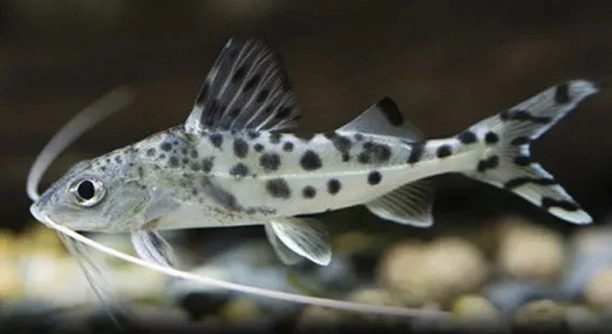
Keeping Pictus catfish healthy requires more than just feeding them well. Their environment, especially water quality, plays a key role in their well-being. Developing good water change habits helps maintain a stable, clean tank for these fish.
Regular water changes are essential for Pictus catfish health because they reduce harmful toxins and maintain optimal water parameters. Consistent partial water replacement prevents buildup of ammonia and nitrates, which can stress or harm the fish.
Mastering these water change habits ensures your Pictus thrive and stay active. Small, simple routines can make a big difference in their long-term health and comfort.
Establish a Regular Water Change Schedule
Setting a consistent schedule for water changes is key to keeping your Pictus catfish healthy. Most aquarists recommend changing about 20 to 30 percent of the tank water weekly. This practice helps remove waste and toxins that build up naturally over time. Regular partial changes also keep water parameters like pH and hardness stable, which Pictus fish prefer. It’s best to choose a specific day each week so the habit becomes easy to maintain. Avoid doing large water changes all at once, as sudden shifts can stress your fish. Instead, gradual and consistent adjustments allow them to stay comfortable. Using a siphon can make removing debris and old water easier, and refilling with conditioned water ensures chlorine and other harmful chemicals don’t affect your fish. Consistency here protects your tank’s balance and keeps your Pictus lively and healthy.
Regular water changes prevent sudden spikes in toxins and maintain a balanced, stable environment for your Pictus catfish to thrive.
Keeping up with scheduled water changes supports the fish’s immune system and reduces illness risk. A stable tank environment encourages natural behavior, better appetite, and longer life for your Pictus. It also helps control algae and unpleasant odors, creating a more pleasant tank to observe. This routine becomes easier over time and is a small effort with a big payoff for your fish’s health.
Use Proper Water Conditioning Methods
Water conditioning is essential before adding new water to your tank. Tap water contains chemicals like chlorine and chloramine that can harm your Pictus catfish. Using a good water conditioner removes these substances, making the water safe for your fish. It also neutralizes heavy metals sometimes found in tap water. Conditioning your water properly helps maintain a stable environment and prevents stress. Additionally, it’s important to match the temperature of the new water to the tank’s water. Sudden temperature changes can shock your fish and cause health issues. Take a moment to let the water sit if needed or use a heater to adjust the temperature before adding it to the tank. This simple step ensures your Pictus won’t be shocked and can enjoy the fresh water comfortably.
Proper water conditioning protects your Pictus from toxins and temperature stress, keeping them safe during every water change.
Failing to condition water or match temperatures can cause damage to your fish’s delicate skin and gills. Long-term exposure to untreated water can weaken their immune system, making them vulnerable to disease. Conditioning also supports the biological balance in the tank by maintaining beneficial bacteria. These bacteria help break down waste, so protecting them is crucial. A well-conditioned environment encourages healthy growth and vibrant coloring in your Pictus. Taking the time to prepare water properly shows care for your fish and pays off in their overall health and behavior. By incorporating these water conditioning habits into your routine, you create a stable home where your Pictus catfish can thrive with less risk of illness or stress.
Monitor Water Parameters Regularly
Checking water parameters regularly helps catch problems before they harm your Pictus. Test for ammonia, nitrite, nitrate, and pH at least once a week. These values tell you if your tank water is safe or if adjustments are needed.
Keeping ammonia and nitrite at zero is essential because even small amounts can stress your fish. Nitrate should stay below 20 ppm to prevent long-term health issues. The pH level for Pictus catfish should remain around 6.5 to 7.5. Fluctuations outside this range can cause discomfort or illness. Monitoring water parameters frequently allows you to respond quickly by performing extra water changes or adjusting tank care. Reliable test kits are affordable and easy to use, making this task simple and effective. Tracking these numbers gives peace of mind and supports your fish’s well-being.
Regular checks also help maintain the balance of beneficial bacteria in the tank. These bacteria break down waste and keep water clean, so healthy levels depend on stable parameters. Inconsistent water quality can reduce these bacteria, causing toxins to rise. By keeping parameters in check, you support a strong ecosystem that protects your Pictus catfish. This practice prevents many common tank problems and keeps your fish active and healthy over time.
Avoid Overfeeding During Water Changes
Overfeeding can cause water quality issues that make frequent water changes necessary. It’s important to feed your Pictus catfish small amounts they can eat in a few minutes. Uneaten food breaks down and produces ammonia, which harms the fish.
By feeding appropriately, you reduce waste buildup and lessen the stress on your tank’s filtration system. This helps keep water cleaner for longer, making water changes easier to manage. Feeding less also encourages your fish to stay active and healthy. Overfeeding can lead to obesity and reduce oxygen levels in the water, both of which affect your Pictus negatively. Keep feeding routines simple and consistent, adjusting based on your fish’s appetite. Monitoring feeding amounts improves water quality and contributes to overall tank stability. This habit works hand-in-hand with regular water changes to maintain a healthy environment.
Use Lukewarm Water for Changes
Using lukewarm water during changes helps avoid temperature shock. Cold or hot water can stress your Pictus and weaken their immune system.
Matching the new water’s temperature to the tank’s existing water ensures a smooth transition. This simple step protects your fish’s health and keeps them comfortable.
Clean the Substrate During Water Changes
Regularly cleaning the substrate removes leftover food, waste, and debris. This prevents harmful buildup and keeps the tank environment healthy.
Cleaning the gravel or sand with a siphon during water changes helps maintain water quality and reduces toxins that can harm your Pictus catfish.
Avoid Changing All the Water at Once
Changing all the water at once can cause sudden shifts in water chemistry. This shock may stress or harm your Pictus catfish.
Partial water changes help keep the tank’s environment stable and safe for your fish.
FAQ
How often should I change the water for my Pictus catfish?
Water changes should be done weekly, replacing about 20 to 30 percent of the tank water. This keeps harmful chemicals like ammonia and nitrates low. Regular partial water changes help maintain a stable environment without stressing the fish, which can happen with large or infrequent changes.
Can I change more than 30 percent of the water at once?
It’s best to avoid changing more than 30 to 40 percent in one go. Large water changes can cause sudden shifts in temperature and water chemistry, which can stress or shock your Pictus catfish. Gradual, smaller changes are safer and help maintain tank stability.
What kind of water should I use for changes?
Use tap water treated with a water conditioner to remove chlorine and chloramine. It’s important to match the temperature of the new water to the tank water to avoid shocking your fish. Let the water sit or use a heater if necessary before adding it to the tank.
Is it necessary to clean the substrate during water changes?
Yes, cleaning the substrate helps remove leftover food, waste, and debris that can pollute the tank. Using a siphon during water changes is an effective way to keep the gravel or sand clean, reducing harmful buildup that can affect your Pictus’s health.
Can overfeeding affect water quality?
Yes, overfeeding leads to leftover food breaking down and producing ammonia, which pollutes the water. Feeding your Pictus catfish only what they can eat in a few minutes reduces waste and helps keep the water cleaner longer.
What happens if I skip water changes?
Skipping water changes causes toxins like ammonia and nitrates to build up, stressing your fish and increasing the risk of disease. Poor water quality can weaken your Pictus catfish’s immune system and shorten their lifespan.
How do I test water parameters at home?
Water testing kits are affordable and easy to use. Test for ammonia, nitrite, nitrate, and pH weekly to ensure safe water conditions. These kits come with color charts or digital readers to help you quickly understand if your water is within healthy ranges.
Why is temperature matching important during water changes?
Adding water that is too cold or too warm can shock your Pictus catfish. Temperature shock can cause stress, reduce their immune response, and even lead to death. Always measure and adjust new water temperature to match your tank’s current temperature.
Can I use bottled water for water changes?
Bottled water is usually not recommended because it may lack minerals necessary for fish health and can be expensive. Tap water treated with conditioner is usually the best choice for regular water changes.
What signs show my Pictus catfish is stressed from poor water quality?
Signs include lethargy, loss of appetite, hiding more than usual, and abnormal swimming patterns. If you notice these behaviors, testing your water and performing a partial water change can help improve conditions quickly.
How important is filtration alongside water changes?
Filtration works with water changes to keep your tank clean. Filters remove debris and help maintain beneficial bacteria that break down waste. However, filters alone can’t handle all waste, so regular water changes remain essential for good water quality.
Can frequent water changes harm beneficial bacteria?
Partial water changes done correctly don’t harm beneficial bacteria. These bacteria live mostly in the filter and substrate and are essential for breaking down fish waste. Large or complete water changes can disrupt this balance, so stick to partial changes.
What’s the best way to remove water during changes?
Using a siphon or gravel vacuum is effective for removing old water and cleaning the substrate at the same time. It makes the process easier and helps keep the tank clean without disturbing your Pictus catfish too much.
How long should I wait before feeding after a water change?
It’s best to wait at least 30 minutes after a water change before feeding. This allows your fish to adjust to the fresh water and reduces the chance of stress, improving digestion and overall health.
Can water changes improve algae problems?
Regular water changes reduce excess nutrients like nitrates that algae feed on. While they don’t eliminate algae completely, consistent maintenance helps control its growth and keeps your tank looking clean.
Is tap water safe for all Pictus catfish?
Tap water safety depends on local water quality and treatment. Always use a conditioner to remove chlorine and chloramine. If your tap water has high levels of metals or other contaminants, testing or additional treatment may be necessary to protect your fish.
Final thoughts on keeping Pictus catfish healthy focus on the importance of simple, consistent care habits. Water quality is the foundation of a safe and comfortable tank environment. Regular water changes, proper water conditioning, and careful monitoring of water parameters all contribute to maintaining clean water. When the water is stable and free from harmful chemicals, Pictus catfish can live longer and stay active. These basic habits may seem small, but they make a big difference in the health of your fish.
It is important to develop a routine that fits your schedule and stick to it. Changing 20 to 30 percent of the water each week helps keep toxins like ammonia and nitrates under control. Using a water conditioner to treat tap water before adding it protects your fish from chlorine and chloramine. Matching the water temperature during changes prevents stress. Cleaning the substrate with a siphon removes leftover food and waste, further improving water quality. Feeding the right amount of food also plays a role by preventing excess waste buildup. All of these actions work together to create a stable and safe tank environment for your Pictus catfish.
Remember that a healthy tank means happier fish. When water changes are done regularly and carefully, you help your fish avoid common health problems caused by poor water quality. Monitoring water parameters weekly lets you catch issues early, so you can fix them before they harm your fish. Keeping your Pictus comfortable with proper care routines encourages natural behavior and bright colors. These habits are easy to maintain once you get used to them, and they pay off with a thriving tank. Taking the time to care for your fish’s environment is one of the best ways to support their long-term health and happiness.

Hello,
If you enjoy the content that we create, please consider saying a "Thank You!" by leaving a tip.
Every little bit helps us continue crafting quality advice that supports the health, happiness, and well-being of pets around the world, for pets of all shapes, sizes, and species.
We really appreciate the kindness and support that you show us!