
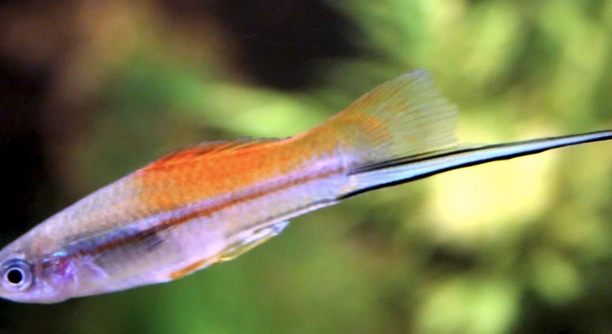
Swordtails are lively, colorful fish that bring beauty to any aquarium. However, they can sometimes show signs of distress or illness, which may indicate more serious issues. Recognizing these signs early can help ensure their health and well-being.
There are several warning signs that suggest your swordtail may be in distress or nearing the end of its life. These include changes in behavior, loss of appetite, unusual swimming patterns, or visible physical symptoms like discoloration or lesions.
Addressing these signs quickly is crucial to improving your swordtail’s health and avoiding further complications.
Behavioral Changes in Swordtails
One of the first signs that something might be wrong with your swordtail is a noticeable shift in behavior. A normally active swordtail that suddenly becomes lethargic or stays hidden for long periods could be struggling. A healthy swordtail tends to swim around, exploring the tank, but if it starts spending more time near the bottom or in one corner, something may be off. It’s important to observe their usual habits to identify any changes.
If you notice that your swordtail is unusually still or not swimming actively, it could indicate stress or illness. In some cases, it might be a sign of an internal issue, like parasites or organ failure, which are harder to spot at first. Stressors like tank conditions, tank mates, or water quality can also cause your swordtail to act differently. Keep an eye on any changes and try to pinpoint the root cause.
A sudden shift in your swordtail’s behavior shouldn’t be ignored. Identifying the source early can make a difference in their recovery. Consistent monitoring and proper care will help you address the issue before it worsens.
Physical Symptoms to Watch For
Your swordtail’s physical appearance can tell you a lot about its health.
Watch for signs like faded colors, clamped fins, or swollen areas on its body. These may indicate illness or injury.
Loss of Appetite
A swordtail that suddenly loses its appetite is often a sign of an underlying issue. It may stop eating altogether or seem uninterested in food, which can lead to further health problems. This behavior is concerning, especially if it lasts for a prolonged period.
Loss of appetite can be caused by poor water quality, stress from tank mates, or illness. It’s important to ensure the water is clean and the temperature is stable. Infections or parasites might also affect a swordtail’s ability to eat. Check for any unusual changes in their behavior or physical appearance that could point to a more serious issue.
If your swordtail isn’t eating, it’s important to act quickly. Prolonged lack of food can weaken its immune system and make it harder to recover from whatever is causing the issue. Keep the environment stable and address any problems that could be affecting its appetite.
Unusual Swimming Patterns
If your swordtail starts swimming erratically or shows signs of imbalance, it’s often a sign that something is wrong. Swordtails are typically graceful swimmers, but when they begin swimming in circles, floating upside down, or rubbing against objects, it could indicate an infection or water quality issue.
Swim bladder disorders can cause abnormal swimming patterns in fish. Other possibilities include parasitic infections, bacterial infections, or even stress from overcrowding in the tank. If the fish appears to be having difficulty staying upright, it’s a red flag for a serious issue that needs immediate attention.
Even slight changes in swimming patterns should be noted. If it becomes persistent, look into the water quality, temperature, and tank conditions to ensure everything is optimal. Addressing this early can make a significant difference in your swordtail’s chances of recovery.
Discoloration of the Skin
Changes in color, especially fading or darkening of your swordtail’s skin, are often signs of distress. A healthy swordtail should have vibrant, consistent color. If you notice dullness, it could indicate stress or an underlying health problem.
Skin discoloration can result from various factors, such as poor water conditions, parasites, or even infections. Sometimes, certain diseases like Velvet or Ich can cause noticeable changes in color. It’s important to inspect the fish closely and look for other symptoms like lesions or spots, which could help identify the cause.
If you notice your swordtail’s color changing, monitor the water quality and check for any unusual behavior. Addressing the problem early may prevent further complications and stress.
Swollen Belly or Bloated Appearance
A swollen belly or bloated appearance can be alarming. It often signals a digestive issue, internal parasites, or dropsy, which is a serious condition. If your swordtail looks bloated, take action quickly to investigate the cause.
Look for signs of constipation, internal parasites, or fluid retention. These conditions can lead to swelling and discomfort. Make sure the tank’s water temperature is stable and check if the fish is eating normally. A swollen belly often affects the fish’s ability to swim comfortably, making it even more critical to address.
Clamped Fins
When your swordtail’s fins appear clamped, pressed tightly against its body, it can indicate stress, illness, or poor water quality. Clamped fins are often a sign that the fish is feeling unwell or threatened. Keep an eye on other signs to help identify the cause.
FAQ
What can cause a swordtail to stop eating?
Swordtails may stop eating due to stress, poor water quality, or illness. Water temperature fluctuations or an increase in ammonia or nitrate levels can lead to digestive issues, making the fish less interested in food. Stress from aggressive tank mates or overcrowding can also suppress their appetite. If the fish isn’t eating for more than a day, it’s important to check the water quality and make sure the tank environment is stable. If necessary, consider moving your swordtail to a quarantine tank to reduce stress and monitor its condition more closely.
How can I tell if my swordtail is sick?
Sick swordtails typically show changes in behavior, such as lethargy, erratic swimming, or hiding more than usual. Physical signs, like faded colors, lesions, or swelling, are also indicators of illness. If your swordtail starts rubbing against objects in the tank or has clamped fins, it might be dealing with parasites or an infection. Watch for any changes in appetite or unusual swimming patterns. Keep the water clean, and if you notice any of these symptoms, it’s best to treat the tank with appropriate medication or consult an expert.
Is it normal for swordtails to hide?
Swordtails usually enjoy swimming in open water, but it’s normal for them to seek shelter occasionally, especially when stressed or feeling unwell. However, if your swordtail is hiding more than usual, it could be a sign of illness, stress, or poor water quality. If the hiding behavior lasts for a long time, check for any changes in the tank environment, like high ammonia or nitrite levels. Overcrowding, aggressive tank mates, or sudden changes in lighting can also cause your swordtail to retreat more often.
What should I do if my swordtail has a swollen belly?
A swollen belly could indicate constipation, internal parasites, or dropsy. If your swordtail seems bloated and isn’t swimming well, remove it from the main tank and place it in a quarantine tank with better water conditions. To help with constipation, try feeding it blanched peas or adjust its diet. If you suspect internal parasites, consider using medications designed to treat the condition. Dropsy, a more serious condition, may require specific treatment, so it’s essential to monitor the fish closely and act promptly.
Why is my swordtail swimming upside down?
Swimming upside down is usually a sign of a swim bladder disorder, which can be caused by infection, constipation, or water quality issues. Poor water conditions, such as improper temperature or high ammonia levels, can affect the swim bladder, making it difficult for the fish to stay upright. In some cases, an internal infection or blockage can lead to this condition. It’s crucial to monitor your swordtail for any other symptoms, like lethargy or loss of appetite, and perform a water change if needed. If the issue persists, consult an expert for further treatment.
How often should I feed my swordtail?
Swordtails should be fed once or twice a day, depending on their age and size. Overfeeding can lead to water quality issues and obesity, so it’s important to only provide what the fish can consume in a few minutes. High-quality flake or pellet food should make up the majority of their diet, supplemented with occasional live or frozen foods, such as brine shrimp or bloodworms. Be sure to monitor how much your swordtail eats to avoid leaving uneaten food in the tank, which can lead to water contamination.
What water conditions are best for swordtails?
Swordtails thrive in slightly alkaline water with a pH range of 7.0 to 8.2. The water temperature should be between 72°F and 78°F (22°C to 26°C). Regular water changes are essential to maintain optimal conditions, with a 25% water change every 1-2 weeks. Ammonia and nitrite levels should always be at zero, while nitrates should be kept below 20 ppm. Proper filtration and aeration are important to maintain stable water conditions. Always test the water regularly to ensure these levels are within the safe range for your swordtail’s health.
Can swordtails live with other fish?
Swordtails are peaceful, social fish and can generally live well with other non-aggressive species, especially in a community tank. They do best with other fish that have similar water requirements. Avoid housing them with overly aggressive fish or species that might nip at their fins. Good tank mates for swordtails include guppies, mollies, and corydoras catfish. It’s also important to provide enough space and hiding spots to reduce stress, especially if you have more aggressive fish in the tank. Keep an eye on the interactions and ensure the environment is peaceful for all inhabitants.
Why is my swordtail’s color fading?
Fading color in swordtails can result from stress, poor water conditions, or illness. When a swordtail is stressed, it may lose its vibrancy and appear dull. Water quality issues, such as high levels of ammonia or nitrate, can also affect its pigmentation. If you notice color fading, check the water parameters, and perform a water change if necessary. Some fish diseases, like Velvet or Ich, can cause color loss. If fading persists despite stable water conditions, a check for parasites or other infections may be necessary.
Can swordtails survive in cold water?
Swordtails are tropical fish that require warm water to thrive. While they may tolerate cooler temperatures for short periods, prolonged exposure to water below 70°F (21°C) can lead to stress and health problems. Cold water can weaken their immune system and make them more susceptible to diseases. To ensure your swordtail stays healthy, keep the tank temperature within the recommended range of 72°F to 78°F (22°C to 26°C). If you live in a cooler climate, consider using a heater to maintain the appropriate temperature.
Final Thoughts
Taking care of a swordtail requires attention to detail and understanding of their needs. These fish are relatively easy to care for, but keeping them healthy involves maintaining a stable tank environment. Regular water changes, monitoring water parameters like pH, ammonia, and nitrate levels, and ensuring the right temperature are all essential for their well-being. If you notice any signs of distress, such as changes in behavior or appearance, it’s crucial to address the issue right away to prevent further complications.
Swordtails are resilient fish, but they still need proper care to thrive. Observing their behavior and watching for signs like loss of appetite, changes in swimming patterns, or physical issues can help you spot problems early. As with any pet, it’s important to be proactive in maintaining their environment and responding quickly if something goes wrong. The healthier the environment, the more likely your swordtail will live a long and happy life.
By keeping a close eye on water conditions, diet, and overall behavior, you can provide a comfortable and safe home for your swordtail. Regularly check on them, and if any signs of illness appear, don’t wait too long to take action. Swordtails are vibrant, active fish that can bring a lot of joy to your aquarium when given the right care. With attention and patience, you can help them flourish in your tank.

Hello,
If you enjoy the content that we create, please consider saying a "Thank You!" by leaving a tip.
Every little bit helps us continue crafting quality advice that supports the health, happiness, and well-being of pets around the world, for pets of all shapes, sizes, and species.
We really appreciate the kindness and support that you show us!