
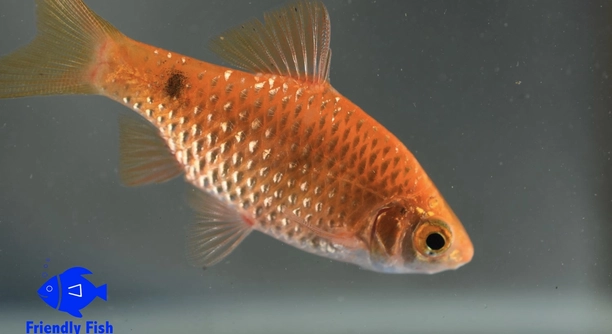
Rosy barbs are lively, colorful fish that bring charm to any aquarium. Watching them swim gracefully can be a joyful experience. However, these fish sometimes show signs that something isn’t quite right with their health.
Recognizing warning signs in your rosy barb is essential for timely care. Changes in behavior, appetite, coloration, or swimming patterns often indicate stress, illness, or poor water conditions that require immediate attention to prevent further harm.
Knowing these signs early helps you protect your fish and maintain a healthy tank environment. This guide will highlight key indicators to watch for, ensuring your rosy barb stays happy and healthy.
Changes in Coloration
When your rosy barb’s bright colors start to fade or darken, it’s often a sign of stress or illness. Healthy rosy barbs usually display vibrant red or orange hues, so a dull or pale appearance should not be ignored. Poor water quality, improper diet, or disease can cause these changes. Sometimes, the fish may develop spots or patches that look unusual. These changes can also indicate that the fish is struggling with parasites or bacterial infections. Keeping an eye on the color can help you notice problems early. Regular water testing and tank maintenance are important steps to keep your fish healthy and colorful. Feeding a balanced diet rich in nutrients also supports their natural color. If you spot these changes, take quick action to improve their environment or consult a vet. This simple step can make a big difference in your fish’s wellbeing and lifespan.
Color changes often happen before other symptoms appear, making it a key early warning sign to watch carefully.
Maintaining stable water conditions is vital for vibrant coloration. Avoid sudden temperature swings and keep ammonia, nitrite, and nitrate levels low. Use a good quality fish food that includes color-enhancing ingredients like spirulina or carotenoids. Observing your rosy barb regularly will help you catch subtle shifts early. If you notice fading or dark spots, check water parameters immediately and perform a partial water change if needed. Also, isolate the affected fish if you suspect infection to prevent spread. Early treatment with appropriate medication, depending on the diagnosis, can restore your fish’s health and colors. Remember, prevention is easier than cure, so focus on clean water, good nutrition, and stress reduction to keep your rosy barb glowing.
Unusual Swimming Behavior
Erratic or sluggish swimming is a clear sign that your rosy barb might be in trouble. Fish normally swim smoothly and stay active, so sudden changes in movement should be taken seriously. This behavior can indicate physical injury, swim bladder problems, or water quality issues. If your fish is floating near the surface, sinking, or swimming in circles, it likely needs help quickly. Poor oxygen levels or toxins in the water can also affect swimming. Stress from overcrowding or bullying by other fish may cause your rosy barb to hide or swim awkwardly. Observing these changes helps you identify the source of the problem and take action. Fixing the tank environment or separating aggressive fish often improves behavior and prevents further harm. Early attention can save your fish from worsening health problems.
Unusual swimming patterns are often a direct response to the fish’s internal discomfort or environmental stress.
When a rosy barb’s swimming becomes strange, consider water quality first. Test ammonia, nitrite, nitrate, and pH levels, as imbalances can cause distress. Make sure the tank is not overcrowded and that filtration is working well. Swim bladder disease is another common issue that affects movement, usually caused by poor diet or infection. Feeding high-quality, varied food and avoiding overfeeding helps prevent this condition. If injury is suspected, isolate the fish to avoid bullying and monitor its recovery. Some illnesses may require medication, so identifying symptoms early is important. Keeping the tank clean and stable reduces the chance of swimming problems. Regular observation helps catch these signs before they become serious, supporting your rosy barb’s health and comfort.
Loss of Appetite
A rosy barb that stops eating or shows little interest in food may be unwell. Appetite loss is a common sign of stress, disease, or poor water conditions. Ignoring this can lead to serious health problems.
Loss of appetite often results from infections like parasites or bacterial diseases. It can also be caused by poor water quality, which stresses the fish and reduces its energy to feed. Sometimes, sudden changes in tank temperature or pH can make your fish uncomfortable and less willing to eat. Nutritional deficiencies or spoiled food might also play a role. Monitoring feeding habits closely helps catch these problems early, allowing for prompt treatment or tank adjustments.
If appetite loss continues, your fish may weaken and become more vulnerable to secondary infections. Improving water conditions, offering fresh, high-quality food, and isolating sick fish are important steps. If the problem persists, a vet’s advice and medication might be necessary to help your rosy barb recover fully.
Clamped Fins
Clamped fins are when a rosy barb keeps its fins tightly against its body instead of spreading them out normally. This behavior usually shows that the fish is stressed or ill. It’s a clear sign you need to check the tank environment or the fish’s health.
Clamped fins often result from poor water quality, such as high ammonia or nitrite levels, which irritate the fish. Stress from overcrowding or aggressive tank mates can also cause this. Additionally, infections like fin rot or parasites may lead to clamped fins as the fish tries to protect itself. To help your fish, test the water regularly and perform partial water changes to keep it clean. Reducing stress by rearranging decorations or separating aggressive fish improves comfort. If illness is suspected, appropriate medication may be required.
Paying attention to this sign early helps prevent more serious conditions. Maintaining stable, clean water and a peaceful tank environment supports your rosy barb’s wellbeing and encourages natural fin behavior.
Rapid Gill Movement
Rapid gill movement means your rosy barb is breathing faster than usual. This often indicates low oxygen levels or irritation in the water. It’s important to check water quality immediately to prevent serious problems.
Poor oxygen or high levels of toxins like ammonia make breathing difficult. Fixing water conditions quickly helps your fish breathe easier.
Sudden Hiding
When a rosy barb suddenly hides more than usual, it’s a sign of stress or illness. Fish normally explore the tank, so hiding means something is wrong.
Hiding can result from bullying by other fish, poor water quality, or disease. Removing aggressive fish or improving tank conditions encourages your rosy barb to come out again.
White Spots on Body
White spots on your rosy barb usually point to ich, a common parasite infection. It looks like tiny salt grains covering the fish’s skin or fins.
Ich spreads quickly in tanks and causes irritation, leading to scratching and clamped fins. Treating with medication and improving water quality is essential to clear the infection and prevent it from spreading to other fish.
Lethargy
Lethargy means your fish is unusually inactive and sluggish. This often shows underlying health problems or poor living conditions.
How do I know if my rosy barb is sick?
Signs of sickness in rosy barbs include changes in color, loss of appetite, unusual swimming, clamped fins, rapid gill movement, white spots, and hiding more than usual. Observing these symptoms early can help you act quickly to improve your fish’s health.
What causes color fading in rosy barbs?
Color fading is often caused by poor water quality, stress, or illness. Ammonia, nitrites, and nitrates in the tank can dull colors. Stress from overcrowding or bullying also impacts coloration. Feeding a nutritious diet and keeping the water clean supports vibrant colors.
Why is my rosy barb not eating?
Loss of appetite can be due to stress, infections, or poor water conditions. Sudden changes in temperature or pH also cause fish to stop eating. Check water parameters and look for other symptoms. Offering fresh, varied food sometimes encourages feeding.
What should I do if my rosy barb swims erratically?
Erratic swimming may signal swim bladder issues, injury, or water problems. Test water quality and ensure the tank is not overcrowded. Isolate injured fish to avoid bullying. Feeding high-quality food helps prevent swim bladder disease.
How can I fix clamped fins?
Clamped fins often indicate stress or illness. Check water quality and remove aggressive fish. Treat infections if present. Maintaining clean water and a peaceful tank environment encourages normal fin movement.
What causes rapid gill movement?
Rapid gill movement shows difficulty breathing, often from low oxygen or high toxins. Improve aeration and test water quality immediately. Partial water changes reduce toxins and help the fish breathe easier.
How do I treat white spots on my rosy barb?
White spots usually mean ich, a common parasite infection. Treat the tank with ich medication and raise the water temperature slightly to speed the parasite’s life cycle. Keep the tank clean and isolate infected fish if possible.
Why does my rosy barb hide a lot?
Frequent hiding is a stress response caused by bullying, illness, or poor water conditions. Remove aggressive tank mates and improve water quality. Hiding usually decreases once the environment feels safe.
Can water quality affect my rosy barb’s health?
Absolutely. Poor water quality causes stress, disease, and many visible symptoms like color changes and unusual behavior. Regular water tests and maintenance keep ammonia, nitrite, and nitrate levels safe for your fish.
How often should I check my tank water?
Testing your tank water once a week is a good routine. Frequent checks help catch problems before they harm your fish. More frequent tests may be needed if issues arise or new fish are introduced.
What foods are best for rosy barbs?
A varied diet with high-quality flakes, pellets, and occasional live or frozen foods supports health and color. Avoid overfeeding, which can pollute the tank and cause digestive issues.
When should I isolate a sick rosy barb?
Isolate a fish if it shows signs of contagious disease, injury, or bullying. Isolation prevents spreading illness and gives the fish a calmer environment to recover.
Can temperature changes harm rosy barbs?
Sudden or extreme temperature changes stress rosy barbs and lower their immune response. Keep the tank temperature steady, ideally between 74°F and 79°F (23°C to 26°C).
How do I prevent diseases in my rosy barb tank?
Maintain good water quality, feed balanced diets, avoid overcrowding, and quarantine new fish before adding them to the tank. Regular tank cleaning and observation reduce the risk of disease outbreaks.
What signs mean it’s time to see a vet?
If your rosy barb shows severe symptoms like continuous loss of appetite, rapid breathing, white spots that don’t improve, or injuries, seek advice from an aquatic vet. Early treatment improves chances of recovery.
Can stress cause health problems in rosy barbs?
Yes. Stress weakens the immune system and makes fish more vulnerable to infections and behavioral issues. Stress factors include poor water, overcrowding, bullying, and sudden environment changes. Minimizing stress is key to keeping rosy barbs healthy.
Keeping your rosy barb healthy requires close attention to its behavior and environment. These fish are usually hardy, but they can show clear signs when something is wrong. Changes in color, appetite, swimming, or fin position should not be ignored. By watching your fish carefully, you can catch problems early and take steps to fix them. Small actions like testing water quality regularly and feeding good food go a long way in keeping your rosy barb in good shape. When you notice warning signs, act quickly to protect your fish.
Water quality plays a crucial role in your rosy barb’s wellbeing. Poor water conditions cause most health problems and stress. Keeping ammonia, nitrite, and nitrate levels low and maintaining stable temperature creates a safe home for your fish. Regular partial water changes and cleaning the tank are simple but effective ways to support your fish’s health. Avoid overcrowding and keep the tank peaceful by choosing compatible fish. Stress is a major factor that weakens your rosy barb’s immune system and can lead to illness. A calm, clean environment helps your fish thrive.
If your rosy barb shows signs of illness despite your efforts, don’t hesitate to seek help. Sometimes diseases need treatment with medication or advice from an expert. Isolating sick fish can stop infections from spreading to others. Remember that prevention is the best approach, but being prepared to respond to problems is important too. Taking care of your rosy barb means keeping an eye on its behavior, tank conditions, and overall health. With good care, your fish can live a long, happy life in your aquarium.

Hello,
If you enjoy the content that we create, please consider saying a "Thank You!" by leaving a tip.
Every little bit helps us continue crafting quality advice that supports the health, happiness, and well-being of pets around the world, for pets of all shapes, sizes, and species.
We really appreciate the kindness and support that you show us!