
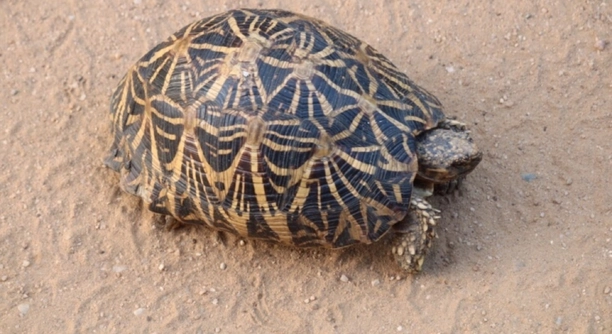
If you’re caring for an Indian star tortoise, it’s important to watch for signs of illness. They can’t communicate their discomfort, so noticing the signs early can make a big difference in their well-being.
Common warning signs of illness in Indian star tortoises include changes in behavior, appetite, and physical condition. If your tortoise seems lethargic, refuses food, or exhibits abnormal shell or skin issues, these may be signs of an underlying health problem.
Being aware of these signs will help you act quickly and provide the proper care for your tortoise.
Change in Appetite or Eating Habits
If your Indian star tortoise is not eating or drinking as usual, this could be a sign of illness. These tortoises are known for their consistent feeding habits, and any sudden changes could indicate a problem. Stress, incorrect temperature, or health issues can all affect their appetite. For example, if they refuse their favorite food or seem uninterested in eating, it’s a red flag.
A loss of appetite can also be linked to dehydration, digestive problems, or even an infection. It’s essential to monitor how much they’re eating and drinking regularly. Ensure that their diet consists of proper greens and occasional fruits. Also, check if the water is clean and accessible.
If the loss of appetite persists, it’s best to consult a vet for a thorough examination. Early intervention can prevent more severe complications, and addressing the issue promptly will help keep your tortoise healthy.
Shell or Skin Abnormalities
Changes in your tortoise’s shell or skin are concerning signs of illness. Watch for cracks, discoloration, or unusual bumps on the shell. These could indicate infections, injuries, or nutritional deficiencies. A healthy shell should be firm and smooth.
Soft spots or any irregularities on their skin should also be checked immediately. These may suggest parasitic infestations or fungal infections, which need quick treatment. A visit to the vet will help determine the cause and appropriate care.
Lethargy or Lack of Activity
If your Indian star tortoise seems unusually tired or inactive, it could be a sign of illness. Tortoises are generally active creatures, so any noticeable change in energy levels should not be ignored. A tortoise that’s less mobile or shows signs of weakness may need medical attention.
Inactivity can result from several factors, including improper temperature or humidity, nutritional deficiencies, or underlying health conditions. Make sure your tortoise’s habitat has the proper temperature gradient, offering both a warm and cool area for them to regulate body heat. If they remain inactive despite this, consult a vet.
Changes in behavior like lethargy often indicate that something is wrong. Keeping a close eye on their daily movements and habits is key to detecting issues early.
Difficulty Breathing or Wheezing
Breathing problems in Indian star tortoises are a serious concern. If you notice your tortoise wheezing or breathing heavily, it’s time to act quickly. Respiratory issues can be caused by an infection, stress, or an unsanitary living environment.
When dealing with respiratory symptoms, it’s important to address environmental factors first. Ensure the enclosure is clean, with proper ventilation and humidity levels. Respiratory infections can worsen quickly, so timely veterinary care is necessary for recovery. Proper temperature regulation in the habitat can also prevent these issues from occurring in the first place.
Unusual Behavior or Aggression
If your Indian star tortoise is acting out of character—whether it’s increased aggression or signs of stress—something could be wrong. Healthy tortoises are usually calm and friendly, so significant mood changes should be noted.
Increased aggression can be a reaction to an unhealthy environment or discomfort. A stressed tortoise may lash out or hide more often. Ensuring that they have a stable, secure environment is key to their mental well-being. Changes in their surroundings or diet may also contribute to this shift in behavior.
Discharge from Eyes or Nose
Excessive discharge from the eyes or nose is a common indicator of respiratory issues or infection. If you notice watery eyes or mucus, it’s essential to assess your tortoise’s health right away.
While minor discharge may not be cause for alarm, a persistent or thick discharge is a clear sign that your tortoise is unwell. Ensure the enclosure is clean and has proper humidity levels. If the discharge continues, seek professional care to address any potential infection. Timely treatment can prevent the issue from escalating.
Weight Loss or Poor Shell Condition
Weight loss can be linked to several underlying issues, such as parasites or poor nutrition. If your tortoise is losing weight, it’s crucial to assess both their diet and health. A proper balance of greens and occasional fruit is essential for maintaining healthy weight.
Alongside weight loss, poor shell condition is another alarming sign. Shell deformities or thinning can indicate malnutrition or other health issues. Always ensure your tortoise is receiving the right nutrients to keep their shell strong. If the weight loss and shell problems persist, consulting a veterinarian will help you address the root cause.
FAQ
What are the most common signs that my Indian star tortoise is sick?
The most common signs of illness in an Indian star tortoise include changes in appetite, unusual lethargy, shell abnormalities, breathing issues, and abnormal discharge from the eyes or nose. If your tortoise shows any of these signs, it’s important to address the issue quickly. A sudden lack of interest in food, sluggish behavior, or changes in physical condition can be an early indicator that something is wrong. The sooner you notice these symptoms, the better the chance of quick intervention.
How can I prevent my Indian star tortoise from getting sick?
To keep your Indian star tortoise healthy, ensure their living environment is clean, safe, and appropriate for their needs. Provide a balanced diet, including fresh greens, and ensure they have access to fresh water. Proper temperature and humidity levels are also critical. Make sure the enclosure has both a warm and cool area to regulate their body temperature. Regularly check for any signs of illness, and avoid over-handling your tortoise, as stress can affect their health. Keeping their habitat free from bacteria and parasites is also key to preventing sickness.
How do I know if my tortoise is dehydrated?
Dehydration is a serious concern for tortoises and can lead to more severe health problems. Signs of dehydration include lethargy, dry or cracked skin, and sunken eyes. A dehydrated tortoise may also refuse to drink water or eat. To help prevent dehydration, always provide fresh, clean water in their enclosure and offer water-rich foods like cucumbers. Regularly mist the environment to maintain humidity levels, especially if you live in a dry climate. If you notice dehydration signs, it’s crucial to get your tortoise hydrated as soon as possible.
What should I do if my Indian star tortoise has a respiratory infection?
If you suspect your Indian star tortoise has a respiratory infection, look for signs like wheezing, labored breathing, or nasal discharge. Respiratory infections can be caused by an unsanitary environment, poor humidity levels, or stress. In such cases, make sure the enclosure is clean, the humidity is properly regulated, and the temperature is appropriate. It’s essential to consult a veterinarian immediately for proper treatment. They may recommend antibiotics or other treatments to help your tortoise recover.
Can stress cause my tortoise to become sick?
Yes, stress can make your tortoise more susceptible to illness. Stress can result from improper temperature or humidity, being handled too frequently, or changes in their environment. A stressed tortoise may display aggressive behavior, become lethargic, or refuse to eat. To reduce stress, maintain a stable habitat and avoid constant handling. Ensure your tortoise has a quiet and secure space where it can retreat and feel safe. Minimizing sudden changes to their environment and handling them gently can help prevent stress-related health issues.
What should I feed my sick tortoise?
When your tortoise is sick, it’s important to maintain a proper diet to help them recover. Offer easily digestible foods like leafy greens (collard greens, dandelion greens) and some fruits in small amounts (e.g., strawberries, melon). Make sure the food is fresh and clean. If your tortoise is refusing food, you can try offering foods with higher moisture content to help with hydration. It’s also crucial to provide fresh water and ensure that the temperature and humidity levels in their habitat are suitable for healing. If the tortoise continues to refuse food, seek veterinary assistance.
How do I care for my tortoise’s shell if it has a crack?
If your tortoise’s shell has a crack, it’s important to address it quickly to prevent further damage or infection. Clean the cracked area with warm water and ensure it’s free from debris. Avoid applying any ointments or treatments without consulting a veterinarian, as some substances can be harmful. A vet will assess the damage and may recommend using a special shell repair solution or bandaging. In some cases, the crack may heal on its own, but it’s important to monitor it closely. Keeping the tortoise’s living environment dry and clean is vital during recovery.
Why is my tortoise losing weight?
Weight loss in tortoises can be a sign of several issues, including poor diet, parasites, or underlying health problems. Ensure your tortoise’s diet is balanced and provides enough nutrition to maintain a healthy weight. If the tortoise is not eating, it could be due to stress, temperature fluctuations, or illness. A veterinarian can help determine the cause of the weight loss and provide the necessary treatment. Regularly monitor your tortoise’s weight to catch any early signs of health issues. If the weight loss persists, consult a vet for further guidance.
Final Thoughts
Caring for an Indian star tortoise can be incredibly rewarding, but it comes with responsibilities. Ensuring their health and well-being requires attention to detail, from the environment they live in to their diet and overall care. Recognizing the warning signs of illness early is crucial, as it allows you to take action before a problem becomes more serious. By being proactive and monitoring their behavior and physical condition, you can help keep your tortoise healthy and comfortable for years to come.
Keeping their habitat clean and providing a balanced diet are two of the most important aspects of tortoise care. The right balance of temperature, humidity, and space will create an environment that promotes a healthy and happy tortoise. Offering fresh greens and fruits, as well as keeping water clean, will ensure they get the nutrients they need. Stress can also negatively impact their health, so providing a safe, quiet space where your tortoise can retreat is key to their overall well-being.
If you ever notice unusual behavior or symptoms that could indicate illness, don’t hesitate to seek professional help. A veterinarian experienced in reptile care can offer valuable advice and treatments to ensure your tortoise stays on track. Regular check-ups and proper care will help your tortoise live a long, healthy life. Always be observant, act quickly when necessary, and provide the best care possible for your Indian star tortoise. This way, you can enjoy many happy years with your pet.

Hello,
If you enjoy the content that we create, please consider saying a "Thank You!" by leaving a tip.
Every little bit helps us continue crafting quality advice that supports the health, happiness, and well-being of pets around the world, for pets of all shapes, sizes, and species.
We really appreciate the kindness and support that you show us!