
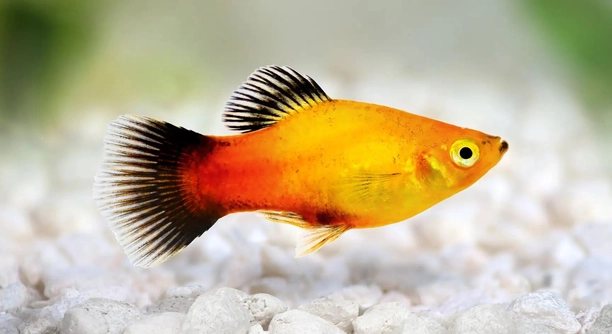
Many people enjoy keeping platies for their bright colors and easy care. However, subtle signs of trouble can go unnoticed in a platy tank. Recognizing these warning signs early helps maintain a healthy environment for your fish.
Ignoring common warning signs in a platy tank can lead to serious health issues. These signs include changes in behavior, water quality problems, and visible physical symptoms. Proper monitoring and timely intervention are essential to prevent long-term harm to your fish.
Knowing these warning signs will help you take better care of your platies. Paying attention to small changes can improve their well-being and keep your tank thriving.
Changes in Swimming Behavior
Platies usually swim actively and explore their tank. When you notice them hiding more often or swimming erratically, it could signal stress or illness. Reduced movement or floating near the surface may indicate poor water conditions or oxygen levels. Sometimes, sudden jerking or rubbing against tank objects shows irritation caused by parasites or water quality problems. It’s important to observe these changes carefully because early detection can prevent serious issues. Maintaining a clean tank and stable water parameters helps your fish stay healthy and active. Regular monitoring of behavior is a simple but effective way to catch problems before they worsen.
Unusual swimming patterns often point to health problems or environmental stress.
Tracking behavior changes can reveal water problems or diseases. Keep water clean, check parameters, and act quickly if you notice abnormal swimming. Early action helps protect your platies and keeps the tank balanced.
Cloudy or Foul-Smelling Water
Cloudy or foul-smelling water is a common sign of poor tank maintenance. When waste builds up, it causes harmful ammonia and nitrite levels to rise. This can lead to illness or even death in platies. Cloudiness often results from bacteria or algae growth, which thrive in dirty water. Overfeeding is a common cause, leaving uneaten food to decay. Regular partial water changes and cleaning the filter prevent this problem. Keeping the tank clean ensures a healthier environment for your fish. It also makes the tank more enjoyable to watch and care for. Avoiding overfeeding and removing debris promptly help maintain clear water.
Tank water that smells bad or looks cloudy indicates a need for immediate cleaning.
Dirty water harms fish health. Fix by doing partial water changes, cleaning filters, and avoiding overfeeding. Healthy water keeps platies safe and comfortable.
Faded Colors
Faded or dull colors in platies often signal stress or illness. Healthy platies show vibrant hues, so a loss of color is a warning sign that should not be ignored.
Color changes can result from poor water quality, inadequate diet, or disease. Stress caused by overcrowding or incompatible tank mates also dulls their appearance. Platies rely on good nutrition for their bright colors, so feeding a balanced diet rich in vitamins is essential. Regular water testing helps keep the environment stable, reducing stress. If fading continues despite good care, a closer look for parasites or infections is necessary. Restoring color means addressing these underlying issues promptly.
Sometimes, faded colors indicate aging or natural molting. However, consistent dullness requires attention to tank conditions and fish health. Proper lighting also influences color vibrancy, so adjusting light exposure can help. Keeping a stress-free environment supports your platies’ bright appearance over time.
Clamped Fins
Clamped fins happen when platies keep their fins close to their bodies instead of spreading them out. This behavior usually indicates discomfort or illness.
Fins may clamp due to poor water conditions, stress, or bacterial infections. It can also appear when platies feel threatened or are exposed to sudden changes in their environment. Monitoring water parameters and ensuring stable temperature reduces this behavior. Sometimes, fin clamping is the first sign of a more serious disease, so early detection is important.
Treatment involves improving water quality and possibly adding medication if infection is suspected. Isolating affected fish can prevent spreading illness. Providing hiding places helps reduce stress and encourages fin movement. Regular tank maintenance is key to preventing fin clamping and promoting overall fish health.
Loss of Appetite
When platies stop eating, it’s a clear sign something is wrong. Loss of appetite can indicate illness, stress, or poor water quality.
Ignoring this sign may lead to weakened immune systems and worsening health. Early response is essential to prevent serious problems.
White Spots on the Body
White spots often indicate a parasitic infection called ich. This disease is highly contagious and requires prompt treatment to protect your fish.
Treating ich involves raising water temperature and using medicated treatments. Quarantining infected fish helps control the spread and ensures a healthier tank overall.
Rapid Gill Movement
Rapid gill movement shows your platy may be struggling to breathe properly. This can result from low oxygen levels or poor water quality.
Checking aeration and water parameters is crucial to resolve this issue quickly and keep your fish comfortable.
FAQ
What causes cloudy water in a platy tank?
Cloudy water usually happens because of excess waste, uneaten food, or overfeeding. Bacteria and algae can multiply quickly when the tank is not cleaned regularly. Poor filtration or a dirty filter can also make the water cloudy. Performing regular partial water changes and cleaning the filter helps keep the water clear and safe for your fish.
How often should I change the water in my platy tank?
It is best to change about 20-30% of the water every one to two weeks. This keeps the water clean without stressing the fish by sudden changes. More frequent changes may be needed if the tank is crowded or if water tests show poor quality.
Why are my platies’ colors fading?
Faded colors often mean the fish are stressed or unhealthy. Poor water quality, lack of nutrients, or illness can cause this. Feeding a balanced diet and keeping stable water conditions helps maintain their bright colors. Stress from overcrowding or aggressive tank mates can also dull colors.
What should I do if my platy has white spots?
White spots usually mean the fish has ich, a common parasite. Raise the water temperature slightly and use a recommended ich treatment. Quarantine the infected fish to stop the parasite from spreading. Clean the tank thoroughly and monitor all fish closely.
Why is my platy hiding all the time?
Hiding can be a sign of stress, illness, or poor water quality. It may also happen if the tank is too bright or if there are aggressive fish around. Providing plants or decorations where platies can feel safe helps reduce stress.
What causes clamped fins in platies?
Clamped fins usually mean the fish is uncomfortable or sick. Poor water conditions, bacterial infections, or stress can cause this. Improving water quality and isolating sick fish often helps. Reducing stress by avoiding sudden changes and providing hiding spots is important.
How can I tell if my platy is sick?
Look for signs like faded colors, clamped fins, erratic swimming, loss of appetite, white spots, or rapid gill movement. These symptoms suggest health problems and need quick action to prevent worsening conditions.
Is overfeeding harmful to platies?
Yes, overfeeding causes leftover food to decay, polluting the water. It can lead to poor water quality and diseases. Feed small amounts that your fish can eat within a few minutes to avoid this problem.
Can platies live with other fish?
Platies are generally peaceful and do well with other non-aggressive fish of similar size. Avoid keeping them with aggressive or much larger species to reduce stress and injury risks.
How important is tank size for platies?
A tank of at least 10 gallons is recommended for a small group of platies. Larger tanks provide more stable water conditions and room to swim, which helps keep fish healthy and stress-free.
What water parameters are best for platies?
Platies thrive in water with a temperature of 70-78°F (21-26°C), pH between 7.0 and 8.2, and moderate hardness. Regular testing helps maintain these parameters and prevent health problems.
How can I prevent diseases in my platy tank?
Regular water changes, good filtration, avoiding overfeeding, and quarantining new fish before adding them to the tank help reduce disease risks. Keeping stress low by providing a peaceful environment also supports fish health.
What should I do if my platy stops eating?
Check water quality and temperature first. Loss of appetite often signals illness or stress. Try offering different foods and observe for other symptoms. If the problem continues, consult a vet or experienced aquarist.
Why is my platy gasping at the surface?
Gasping can mean low oxygen levels or poor water quality. Increasing aeration, performing water changes, and testing water parameters usually resolve this issue. It’s important to act quickly to avoid harm.
Can platies recover from fin clamping?
Yes, fin clamping can improve with better water conditions, medication if needed, and reduced stress. Early treatment is key to a full recovery. Providing hiding places helps fish feel safe and encourages normal fin movement.
Final Thoughts
Keeping platies healthy requires close attention to their environment and behavior. Many warning signs can be subtle, but noticing them early helps prevent bigger problems. Changes like faded colors, clamped fins, or cloudy water often indicate stress or illness. These signs should never be ignored, as they point to issues that need fixing. Maintaining clean water, stable conditions, and a balanced diet are key to avoiding common problems. Consistent care makes a big difference in the well-being of your fish.
Understanding what affects platies helps create a better home for them. Regular tank maintenance, including water changes and filter cleaning, supports good water quality. Observing your fish daily allows you to catch any warning signs quickly. If you see unusual behavior or physical changes, taking action right away improves the chances of recovery. Sometimes, small adjustments like lowering the number of fish or adding hiding spots reduce stress. Being proactive helps keep your platies comfortable and healthy.
Each tank and group of platies is unique, so patience is important. It can take time to learn the specific needs of your fish and how they react to their environment. If problems arise, researching solutions or seeking advice from experienced aquarists is helpful. Keeping a calm and consistent routine benefits both you and your fish. In the end, attentive care and quick response to warning signs help your platy tank thrive over the long term.

Hello,
If you enjoy the content that we create, please consider saying a "Thank You!" by leaving a tip.
Every little bit helps us continue crafting quality advice that supports the health, happiness, and well-being of pets around the world, for pets of all shapes, sizes, and species.
We really appreciate the kindness and support that you show us!