
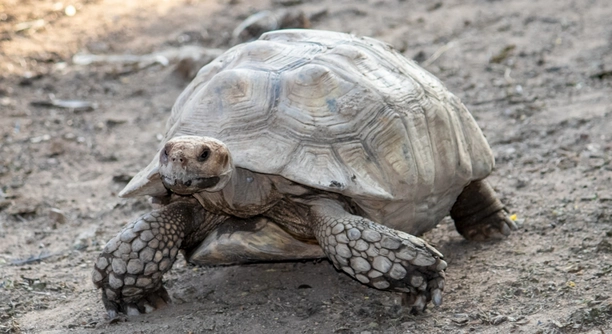
Tortoises are unique pets that need proper care to thrive. One important aspect of their well-being is avoiding overheating, which can harm them in many ways. Knowing the warning signs can help keep your tortoise safe and healthy.
Overheating in tortoises can lead to heatstroke, dehydration, and even death if not addressed. Key signs include excessive panting, lethargy, and loss of appetite. Monitoring their environment and behaviors will help prevent these dangerous outcomes.
Recognizing early signs of overheating can make a huge difference in your tortoise’s health. This guide will highlight what to watch out for and how to protect your pet.
1. Signs of Overheating in Your Tortoise
One of the most obvious signs that your tortoise is overheating is excessive panting. If your tortoise is breathing heavily or with its mouth open, this could indicate it’s struggling to regulate its body temperature. Another common sign is lethargy. A tortoise that is too hot may become unusually sluggish and inactive. When a tortoise is overheated, it may also stop eating and drinking, as it struggles to manage its internal temperature. These are all clear indicators that action needs to be taken to prevent further harm.
If you notice any of these symptoms, it’s crucial to address the issue immediately. Overheating can lead to severe health issues like heatstroke, which could be fatal if not treated quickly.
Make sure to adjust the temperature of your tortoise’s environment, providing shade and cooler spaces. Regularly check the area for hot spots where they may be getting too much heat, and monitor your tortoise’s activity levels.
2. Dehydration and Lack of Appetite
Dehydration can be a major problem when a tortoise is overheated. As their body temperature rises, they can quickly lose moisture, leading to serious dehydration. When a tortoise is dehydrated, it often refuses to eat and may even show signs of listlessness. This lack of interest in food is another clear warning that something is wrong.
If you notice your tortoise not eating, it’s essential to provide it with water immediately. A cool, moist environment can help it rehydrate, but never force water into your pet. If the problem persists, a visit to the vet may be needed for proper care and treatment.
During hot weather, make sure your tortoise has access to fresh water at all times. Keep the habitat humidity at a comfortable level to avoid excessive drying out, which is especially important if your tortoise is kept outdoors.
3. Sudden Behavioral Changes
An overheated tortoise may show sudden changes in behavior, such as becoming unusually aggressive or more withdrawn. These changes can happen when the heat makes them feel stressed or uncomfortable. Your tortoise may try to escape its environment, which is another sign that it’s trying to find a cooler spot.
If your tortoise seems unusually aggressive, it’s likely due to heat stress. This behavior can also be seen when the tortoise is trying to hide from the heat. Ensure that there is a shaded area or cooler space where your tortoise can retreat to avoid further stress.
Behavioral changes are often the first signs that something is wrong. Make sure you adjust the temperature in your tortoise’s environment right away. A sudden change in behavior should never be ignored, as it can lead to more serious health problems if the overheating continues.
4. Skin and Shell Issues
Overheating can cause noticeable changes to your tortoise’s skin and shell. If a tortoise is too hot, its skin may become dry, flaky, or discolored. Shell discoloration can also occur when the tortoise’s internal body temperature rises to unhealthy levels. These signs should not be ignored, as they indicate severe dehydration or overheating.
If you notice any dry patches on your tortoise’s skin or shell, this could be a sign that its hydration levels are dangerously low due to excessive heat. At this point, it’s important to move the tortoise to a cooler environment with proper humidity levels. A healthy tortoise should have smooth, well-hydrated skin and a clean, vibrant shell.
Dehydration can cause lasting damage if left untreated. Regularly check your tortoise for signs of dry skin, especially during hotter months. Keeping the habitat at the right temperature and humidity level will ensure that your tortoise stays healthy and comfortable.
5. Excessive Panting or Open-Mouthed Breathing
When your tortoise is overheating, it may begin panting heavily or breathe with its mouth open. This is an attempt to cool down. Unlike normal breathing, this open-mouth panting can be a clear sign that the temperature is too high for your tortoise’s comfort.
If you see this happening, it’s important to move your tortoise to a cooler area as soon as possible. Overheating can cause stress and dehydration, which are harmful if prolonged. Ensure that the environment provides enough shade and ventilation to help your tortoise cool down.
Keeping the temperature under control in your tortoise’s habitat is vital to prevent these signs of overheating. By maintaining an appropriate temperature range, you can avoid unnecessary stress and potential health risks for your pet.
6. Lack of Movement
Tortoises are usually quite active, but an overheated tortoise may stop moving altogether. This is often because it feels too hot to move or is trying to conserve energy to avoid further stress. A lack of movement is a worrying sign that should not be ignored.
It’s essential to check the temperature in your tortoise’s habitat immediately if this behavior occurs. Make sure the tortoise has access to a cooler, shaded space. A stagnant tortoise is a clear signal that its environment is too hot, and without action, it can become dangerously stressed.
FAQ
What is the ideal temperature for a tortoise’s habitat?
The ideal temperature for a tortoise varies depending on the species, but most tortoises thrive in temperatures between 75°F and 85°F (24°C and 29°C) during the day. At night, the temperature can drop to around 65°F (18°C). It’s important to create a temperature gradient in the habitat, allowing your tortoise to move to warmer or cooler areas as needed. Ensure there is a basking spot that reaches around 90°F (32°C) to provide warmth, and a cooler area where the tortoise can escape the heat.
How can I prevent my tortoise from overheating?
To prevent your tortoise from overheating, always ensure its habitat is well-ventilated and has access to shade. If your tortoise is outdoors, make sure there is a shaded area, such as a hide or shelter, where it can escape the heat. Indoors, use a thermometer to monitor the temperature and make adjustments to heating lamps. Avoid direct sunlight on hot days, and ensure that your tortoise has access to fresh water to help it stay hydrated and cool.
Can a tortoise overheat even if the temperature is within the recommended range?
Yes, a tortoise can still overheat if it is exposed to direct sunlight for too long or if there is not enough ventilation. Even if the temperature appears to be within the ideal range, if the environment is too humid or the tortoise doesn’t have access to a cooler spot, it can overheat. It’s crucial to maintain a proper temperature gradient and avoid keeping your tortoise in a confined space with no escape from the heat.
How do I know if my tortoise is overheated?
Signs of overheating in a tortoise include excessive panting or open-mouth breathing, lethargy, refusal to eat, and dry or flaky skin. If your tortoise seems unusually sluggish or behaves differently than normal, it may be a sign that it’s too hot. Monitor the temperature in its habitat and adjust accordingly. If symptoms persist, move your tortoise to a cooler area and provide water to help it cool down.
Is it safe to take my tortoise outside during the summer?
It can be safe to take your tortoise outside during the summer, but it’s important to monitor the temperature carefully. Ensure your tortoise has a shaded area to retreat to and avoid direct sunlight during the hottest parts of the day, usually between noon and 3 p.m. Always supervise your tortoise to prevent overheating. Remember to bring your tortoise inside if the temperature rises too high or if the weather changes unexpectedly.
What should I do if my tortoise is showing signs of overheating?
If your tortoise shows signs of overheating, such as panting, lethargy, or a lack of movement, move it immediately to a cooler area. Offer fresh water to help hydrate it and cool down. Avoid using ice or cold water, as sudden temperature changes can shock your tortoise. Keep it in a shaded, well-ventilated spot until it recovers. If symptoms continue or worsen, consider contacting a veterinarian for further guidance.
Can overheating cause long-term damage to a tortoise?
Yes, overheating can cause long-term damage to a tortoise if it is not addressed quickly. Prolonged exposure to high temperatures can lead to heatstroke, dehydration, and organ damage. In extreme cases, it can even be fatal. It’s important to act quickly when you notice the signs of overheating and make necessary adjustments to your tortoise’s environment to prevent any lasting harm.
How often should I check the temperature in my tortoise’s habitat?
You should check the temperature in your tortoise’s habitat regularly, ideally once a day. This ensures that the temperature remains stable and within the ideal range. Use a thermometer to monitor the temperature in both the basking and cooler areas of the habitat. It’s especially important to check the temperature during seasonal changes or if you notice your tortoise acting out of the ordinary.
Can a tortoise recover from overheating on its own?
In mild cases, a tortoise can recover from overheating if it is moved to a cooler environment and given time to rehydrate. However, severe overheating can lead to serious health problems that may require veterinary attention. If you notice your tortoise is not improving after being cooled down or if it shows signs of extreme distress, it’s best to seek professional help as soon as possible.
What is the best way to cool down an overheated tortoise?
The best way to cool down an overheated tortoise is to move it to a shaded, cooler area immediately. Offer it fresh water to help with hydration, but do not force the water into its mouth. You can gently mist your tortoise with lukewarm water to help it cool down. Keep the environment calm and quiet, and monitor the tortoise closely for any signs of improvement.
Final Thoughts
Taking care of a tortoise involves more than just providing food and shelter. It’s important to keep their environment at the right temperature to ensure their health and safety. Overheating can be a serious risk, leading to dehydration, heatstroke, or even death. By being aware of the signs of overheating and knowing how to adjust their habitat, you can help prevent these issues. A few simple changes, like offering shade, access to fresh water, and proper ventilation, can make a big difference in keeping your tortoise comfortable.
Tortoises, like all pets, depend on their owners for their well-being. Their needs are simple, but crucial. They rely on you to monitor the temperature and keep an eye on their behavior. If you see any signs that they are overheated, it’s essential to act quickly. Overheating can happen faster than you think, especially on hot days or if their environment is not properly managed. The sooner you recognize the problem, the better the chance for a quick recovery and the prevention of serious harm.
Remember, every tortoise species has different needs, so it’s important to research the specific temperature and habitat requirements for your pet. Regularly check the temperature in their environment, especially if the weather changes or if you move them to a new space. A little extra effort goes a long way in ensuring your tortoise stays healthy, happy, and safe.

Hello,
If you enjoy the content that we create, please consider saying a "Thank You!" by leaving a tip.
Every little bit helps us continue crafting quality advice that supports the health, happiness, and well-being of pets around the world, for pets of all shapes, sizes, and species.
We really appreciate the kindness and support that you show us!