
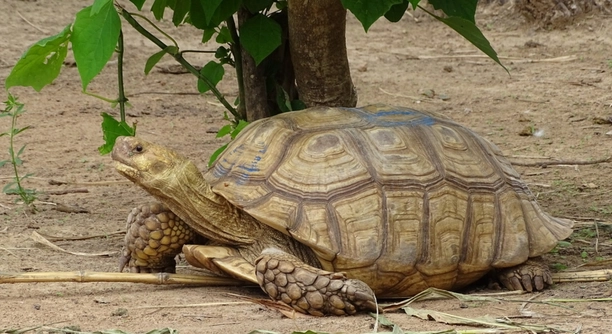
Sulcata tortoises are fascinating creatures, but like any pet, they can face health issues. It’s important to be aware of signs that your tortoise may be sick to ensure they stay happy and healthy.
If you notice unusual behavior in your sulcata tortoise, such as a lack of appetite, lethargy, or changes in its shell, it could indicate a health problem. Early detection is key to addressing potential illnesses and ensuring a full recovery.
Recognizing early signs of illness will help you take quick action and provide the best care for your tortoise. Let’s go over some common warning signs to watch for.
Loss of Appetite
One of the first signs that something may be wrong with your sulcata tortoise is a sudden loss of appetite. Healthy tortoises are typically eager to eat their food, but when they start ignoring their meals, it could be a warning sign. This lack of appetite may indicate various issues, from stress to more serious health concerns. It’s important to monitor their behavior carefully and check if they’re drinking water. Sometimes, dehydration can also cause them to refuse food. If this behavior continues for a few days, it’s best to consult a vet to rule out potential problems.
If your tortoise stops eating and drinking, it’s a signal that something is wrong. It’s important to act quickly to avoid further complications.
A loss of appetite can also be a sign of infections, parasites, or a gastrointestinal issue. Sulcata tortoises are sensitive to changes in their environment, so make sure their habitat is consistent with proper temperature and humidity levels. Stress can also be a factor. If the issue persists, a veterinarian visit is crucial to properly diagnose and treat your tortoise. Regular health checks can prevent this problem from becoming serious and keep your tortoise healthy in the long term.
Lethargy and Lack of Movement
Another indicator that your sulcata tortoise might be sick is lethargy. Healthy tortoises are usually active and curious about their surroundings, so if your tortoise seems overly tired or isn’t moving as much as usual, something might be wrong. It’s important to look out for prolonged periods of inactivity or if your tortoise is spending more time than usual hiding in one spot.
Lethargy can signal dehydration, infections, or other internal issues that need attention. Keep a close eye on their behavior.
A sluggish tortoise could be dealing with a variety of health problems, such as respiratory infections or vitamin deficiencies. It’s essential to consider the temperature and humidity in their habitat, as too much heat or cold can make them lethargic. Make sure their enclosure provides enough space and proper environmental conditions for them to stay active. Tortoises are sensitive to stress, and a change in their surroundings can lead to lethargy as well. If your sulcata tortoise is exhibiting this behavior for an extended period, getting a professional evaluation will help prevent more serious health issues.
Changes in Shell Appearance
If your sulcata tortoise’s shell begins to look different, it could be a sign of health issues. A healthy shell is firm and smooth. If the shell becomes soft, discolored, or develops unusual bumps or cracks, it’s time to take notice.
Shell problems could stem from various causes, including nutritional deficiencies or infections. Poor diet can lead to softening or deformities. Additionally, parasites and bacterial infections might cause discoloration or damage to the shell. A shell that’s no longer smooth could indicate an underlying issue that requires veterinary care. Regular checks can help catch these changes early, preventing more severe problems.
To keep your tortoise’s shell healthy, ensure they are getting the right diet, especially with enough calcium and vitamin D. These nutrients are vital for shell growth and strength. Also, ensure they have enough space to move around and maintain healthy activity levels. If any changes in their shell appearance occur, it’s important to address the issue quickly. Consult a veterinarian to determine if there’s an infection or other condition affecting your tortoise’s shell.
Unusual Breathing Sounds
If your sulcata tortoise is making strange breathing noises, such as wheezing or a raspy sound, it could indicate a respiratory issue. Tortoises can be susceptible to respiratory infections, especially if the temperature and humidity levels in their environment aren’t right.
Respiratory infections can lead to serious complications if left untreated. Symptoms include nasal discharge, labored breathing, and a lack of energy. Make sure the enclosure’s temperature stays within a proper range to avoid these problems. Too much humidity or drafts can also stress the tortoise’s respiratory system. If you notice any irregular breathing sounds, it’s important to consult a vet right away.
A respiratory infection can worsen quickly, affecting your tortoise’s ability to breathe properly. Ensure your tortoise has a proper diet to support their immune system. Additionally, keep their environment clean and dry, with appropriate heating and humidity. If symptoms persist, a vet can diagnose the infection and provide treatment, such as antibiotics or other medications. Addressing these signs early is key to preventing further complications and helping your tortoise recover.
Swollen Eyes
Swollen or closed eyes in a sulcata tortoise are another clear sign that something is wrong. Healthy tortoises should have bright, clear eyes that are open and alert. If you notice swelling, it could indicate an infection or injury.
Eye swelling is often linked to respiratory infections or vitamin A deficiency. When a tortoise doesn’t get enough vitamin A, their eyes may become swollen, and they might also develop other symptoms like nasal discharge. It’s essential to address any eye issues quickly to prevent further complications.
A vet visit is needed if eye swelling persists, as infections can spread quickly. The vet may recommend treatments such as eye drops or antibiotics, depending on the cause. To prevent future issues, make sure your tortoise has access to a balanced diet with enough nutrients, especially vitamin A, and check the environment to keep it free from drafts or humidity imbalances.
Diarrhea
Diarrhea in sulcata tortoises can lead to dehydration and stress, so it should not be ignored. Loose stools could be a sign of an infection, poor diet, or parasites.
If your tortoise has diarrhea for more than a day, consider its diet and environment. Overfeeding fruits or wet greens could cause it. Too much water in their food can also lead to loose stools.
If the issue doesn’t resolve after making dietary adjustments, seek a veterinarian’s advice. Diarrhea could also indicate an internal infection or parasitic infestation that needs proper treatment. Make sure your tortoise is staying hydrated, but avoid too much moisture in their diet.
FAQ
What should I do if my sulcata tortoise is not eating?
If your sulcata tortoise isn’t eating, it’s important to assess its environment and diet. Check the temperature and humidity levels in their habitat, as an improper environment can cause stress and a loss of appetite. Ensure their food is fresh, and avoid offering foods that are too rich in water content, which can cause digestive issues. If they’ve been refusing food for more than 24-48 hours, it may be time to visit a vet, as it could indicate an infection, parasitic issue, or an underlying health problem that needs treatment.
How can I tell if my sulcata tortoise is sick?
Signs that your sulcata tortoise may be sick include a lack of appetite, lethargy, changes in shell appearance, unusual breathing sounds, or discharge from the eyes or nose. Swollen or closed eyes, diarrhea, and trouble moving around are also key warning signs. If your tortoise is acting unusually or you notice any of these symptoms, it’s important to seek veterinary care to get an accurate diagnosis and start treatment early. Keeping an eye on their behavior and environment can help you catch health problems before they become more severe.
Can stress cause health problems in my sulcata tortoise?
Yes, stress can lead to health problems in sulcata tortoises. Stress may be caused by sudden changes in their environment, improper temperature or humidity, loud noises, overcrowding, or poor diet. Prolonged stress can weaken their immune system, making them more susceptible to illnesses like respiratory infections. To prevent stress, maintain a consistent habitat with proper heating, lighting, and space. Avoid making sudden changes to their environment, and handle them gently to minimize stress. It’s crucial to monitor their behavior and look out for signs of distress to address any issues early.
How do I know if my sulcata tortoise is dehydrated?
Dehydration can be hard to spot in sulcata tortoises, but some common signs include a lack of appetite, lethargy, sunken eyes, and dry, wrinkled skin. You might also notice them drinking less water than usual or spending too much time in one spot. To prevent dehydration, ensure your tortoise has access to fresh water at all times and consider offering wet greens like leafy vegetables. Regularly soak your tortoise in shallow warm water to help keep them hydrated. If you suspect dehydration, it’s important to address it immediately by providing water and consulting a vet.
How do I prevent respiratory infections in my sulcata tortoise?
Respiratory infections are common in sulcata tortoises, especially if their environment is too cold or humid. To prevent infections, keep their habitat at the right temperature—around 85-90°F (29-32°C) during the day and slightly cooler at night. Avoid sudden temperature fluctuations, and make sure their enclosure is dry and well-ventilated. Providing a proper diet with enough vitamins and minerals helps keep their immune system strong. If you notice any signs of a respiratory issue, such as wheezing, nasal discharge, or labored breathing, take your tortoise to the vet as soon as possible for treatment.
What is the best diet for a sulcata tortoise?
Sulcata tortoises are herbivores and thrive on a diet of high-fiber, low-protein foods. Fresh grasses, hay, and leafy greens such as dandelion greens, collard greens, and turnip greens are perfect for them. You can also offer occasional vegetables like squash, bell peppers, and carrots. Avoid feeding them fruits frequently as too much sugar can lead to digestive problems. A proper calcium supplement is necessary for shell and bone health. Ensure that your tortoise always has access to clean water and avoid giving them dairy, meat, or processed foods.
How do I handle a sulcata tortoise that seems to be losing weight?
If your sulcata tortoise is losing weight, it could indicate a variety of issues, including stress, an inadequate diet, or a health problem. Check if they are eating enough, and make sure their diet is balanced with the proper nutrients. Stress from an improper habitat or handling could also affect their weight. If they are still eating well but not gaining weight, it’s important to consult a veterinarian. Illnesses such as parasites, metabolic bone disease, or internal infections can cause weight loss and should be diagnosed by a vet as soon as possible.
What can cause a sulcata tortoise’s shell to become soft or damaged?
A soft or damaged shell can be caused by a lack of calcium or improper diet. Without enough calcium, a tortoise’s shell may lose its strength and flexibility, making it more vulnerable to damage. Metabolic bone disease, often caused by calcium deficiency or poor UVB light exposure, can also weaken the shell. Ensure your tortoise has access to a proper diet with enough calcium and UVB light to support healthy shell growth. If you notice any changes in the shell, such as softness, discoloration, or cracks, take your tortoise to a vet for an evaluation.
What are the signs of a vitamin deficiency in my sulcata tortoise?
Vitamin deficiencies, particularly a lack of vitamin A, are common in sulcata tortoises. Symptoms of vitamin A deficiency include swollen eyes, nasal discharge, and difficulty breathing. If your tortoise’s eyes are swollen or they seem lethargic, it might be a sign that their diet isn’t providing enough vitamins. Ensure that your tortoise has a varied diet with plenty of leafy greens, and consider a vitamin supplement if necessary. A lack of vitamin D3 can also lead to metabolic bone disease, so make sure they get enough UVB light exposure for proper vitamin synthesis.
When should I take my sulcata tortoise to the vet?
If you notice any unusual behavior, such as loss of appetite, lethargy, or changes in shell appearance, it’s important to seek veterinary care immediately. If symptoms like wheezing, labored breathing, or eye swelling persist, it’s a sign that your tortoise may have a respiratory infection or other underlying health issue. A vet visit is also necessary if you see signs of dehydration, such as sunken eyes or dry skin. Regular check-ups with a veterinarian will help ensure your tortoise’s health and can catch any issues before they become more serious.
Final Thoughts
Taking care of a sulcata tortoise requires attention to detail and a good understanding of their needs. These tortoises can live for many years, so providing them with the right environment, diet, and health care is essential for their well-being. If you notice any changes in behavior or appearance, it’s important to take action quickly. Being proactive can help prevent minor issues from turning into major health problems. Regularly check their habitat, diet, and general condition to ensure they remain healthy.
When it comes to health concerns, remember that early detection is key. If your sulcata tortoise shows signs of illness, such as loss of appetite, lethargy, or changes in its shell or eyes, it’s important to act fast. Sometimes, these signs can be caused by minor issues that can be easily corrected with a few changes to their care. However, other times, it could be a sign of a more serious health problem that requires veterinary intervention. Keeping a close eye on your tortoise and addressing issues as they arise is the best way to ensure a long, healthy life for your pet.
Caring for a sulcata tortoise is rewarding but requires responsibility. By providing the right care and staying aware of potential health problems, you’ll be able to help your tortoise thrive. Don’t hesitate to consult a vet if you have any concerns about your tortoise’s health. With the proper attention and care, sulcata tortoises can live a fulfilling life, and you can enjoy having them as a part of your family for many years to come.

Hello,
If you enjoy the content that we create, please consider saying a "Thank You!" by leaving a tip.
Every little bit helps us continue crafting quality advice that supports the health, happiness, and well-being of pets around the world, for pets of all shapes, sizes, and species.
We really appreciate the kindness and support that you show us!