
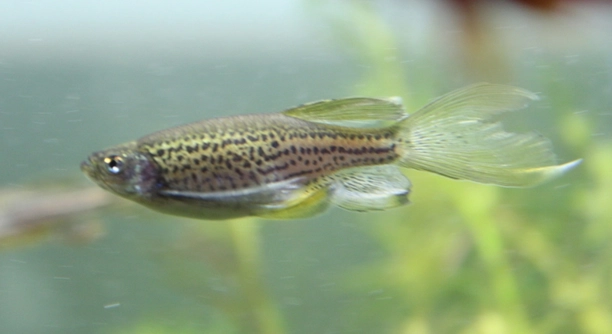
Zebra Danios are popular aquarium fish, known for their playful behavior and ease of care. However, like any pet, they can show signs of trouble if something isn’t quite right with their tank environment.
Common warning signs of zebra danio tank trouble include changes in behavior, poor water quality, and physical abnormalities. Addressing these issues promptly is crucial to maintain the health of your fish and ensure their well-being.
Proper care is essential for keeping your zebra danios happy and healthy. Identifying potential problems early can prevent long-term damage and help you maintain a stable environment for them.
1. Change in Behavior
Zebra Danios are usually very active and social fish. If your fish are swimming less or hiding more than usual, this could be a sign that something’s wrong with their tank. They are also known to be playful and will interact with other tank mates, so a sudden drop in activity could indicate stress or discomfort. Pay attention to any signs of lethargy, as it may point to water quality problems or illness. A drastic change in behavior should not be ignored.
Behavioral changes often point to water quality issues, such as high ammonia or nitrate levels, which can make your fish feel unwell. It’s important to test the water regularly and ensure proper filtration.
If your zebra danios are acting strangely, check for any sudden shifts in their surroundings or water parameters. Overcrowding or lack of hiding spots could also cause stress. These tiny changes in their behavior are their way of communicating that something isn’t right. Early intervention can help prevent more serious health problems down the road.
2. Poor Water Quality
Water quality is essential for the health of your zebra danios.
If the water looks cloudy or has an unpleasant smell, there’s likely an issue that needs immediate attention. Poor water conditions can cause stress, infections, or even death in your fish if not addressed quickly. Always maintain a regular cleaning and filtration routine.
It’s vital to test your tank water frequently for ammonia, nitrites, and nitrates. High levels of these substances can be toxic to your fish. Regular water changes are crucial, as they help maintain a safe and healthy environment. Along with proper filtration, ensuring your tank’s water quality is optimal will go a long way in keeping your zebra danios healthy. If the water becomes cloudy or discolored, it’s time for a thorough tank cleaning and water change.
3. Physical Abnormalities
Any visible changes to your zebra danios’ appearance are warning signs that should not be overlooked. Look for white spots, swelling, or discoloration on their bodies. These could indicate parasites, bacterial infections, or other health issues. A fish’s skin and fins should be smooth and clear, not ragged or bloated.
If you notice any physical abnormalities, it’s crucial to isolate the affected fish from others to prevent the spread of potential diseases. Examine the tank conditions closely, as poor water quality or overfeeding could contribute to these issues. Maintaining proper tank hygiene and ensuring clean water will help prevent these problems from arising in the first place.
Fish with physical issues, such as wounds or swollen bellies, often need special care. If you observe these signs, consider treating the affected fish with medication designed for their specific condition. Sometimes, poor water quality can lead to skin and fin rot, which requires prompt attention. Always act quickly to prevent the problem from getting worse.
4. Tank Mates Fighting
Aggressive behavior from tank mates can signal trouble.
Zebra danios are generally peaceful, but if they are frequently being chased or attacked by other fish, it’s a sign of stress. Aggression often occurs when fish are overcrowded or when certain species do not mix well. Watch for fin nipping, territorial disputes, or constant hiding.
If aggression becomes a persistent issue, consider rearranging the tank decor to break up territorial lines or moving the aggressive fish to another tank. Keeping the water temperature and quality stable is also essential, as stress from poor conditions can amplify aggression. Always be mindful of the species you add to your tank to avoid conflicts.
Introducing new fish should be done with caution, especially when dealing with more territorial or dominant species. Observing fish behavior after adding new tank mates is key to preventing unnecessary aggression. It’s essential to monitor the social dynamics and make adjustments as needed to ensure a peaceful and healthy environment for your zebra danios.
5. Poor Feeding Habits
If your zebra danios suddenly stop eating, it’s a clear sign something’s wrong. A lack of appetite can be caused by water quality issues, stress, or illness. Watch for any changes in how or when they feed.
Fish that stop eating may be dealing with an infection or environmental stress. Try offering a variety of foods to see if that sparks interest. If they continue to refuse food, test the water quality and check for any signs of disease.
If your zebra danios are refusing food, it’s essential to address the underlying cause. Look for other signs, like lethargy or unusual swimming behavior. If the problem persists, it might be time to consult a vet specializing in fish.
6. Excessive Shedding
Shedding is often a sign of stress or poor health.
Zebra danios naturally shed their skin, but if you notice excess skin or unusual patterns, it might be a reaction to poor water conditions or a health issue. Regular tank maintenance can help prevent this.
Shedding can also be related to diseases such as ich or skin infections. If you see your fish shedding more than usual, check the water quality and any potential tankmates that may be causing stress. Infected fish often need special treatment, and isolating them can help control the spread.
7. Breathing Issues
Breathing problems are a critical sign of tank trouble.
If your zebra danios are gasping at the surface or swimming near the filter constantly, they may be struggling with oxygen levels or water contamination. Poor filtration or high temperatures can lead to low oxygen, making it hard for your fish to breathe.
FAQ
What should I do if my zebra danios are not swimming as usual?
If your zebra danios are not swimming as usual, it could be a sign of stress, illness, or poor water quality. First, test the water for ammonia, nitrites, and nitrates, as imbalances in these can lead to health problems. If the water quality is good, consider other factors like overcrowding, aggressive tank mates, or environmental stress. Sometimes, sudden changes in lighting or temperature can also cause fish to act strangely. Observe if they are hiding, swimming erratically, or sitting at the bottom of the tank, which could indicate a more serious health issue.
How often should I clean the zebra danio tank?
To keep your zebra danio tank in optimal condition, clean it at least once every two weeks. During cleaning, check the filter to ensure it’s working properly, and remove any debris or uneaten food. It’s also a good idea to replace 10-20% of the water during each cleaning to help maintain the right chemical balance. If your tank is overstocked, or if there are excess fish waste and algae buildup, you may need to clean the tank more frequently. Always monitor the water quality, as poor water conditions can cause health issues for your fish.
How do I know if my zebra danios are sick?
Signs of illness in zebra danios can include unusual swimming behavior, loss of appetite, changes in color, or visible physical abnormalities like spots or lesions. If you notice your fish gasping for air at the surface or constantly scratching against objects, they might have external parasites. Swelling, cloudy eyes, or faded colors can also signal infection or stress. It’s essential to isolate any sick fish to prevent spreading any potential disease to the rest of the tank. If symptoms persist or worsen, it may be necessary to consult with an aquatic vet for treatment options.
Can I keep zebra danios with other fish?
Zebra danios are peaceful and community-friendly, so they typically do well with other non-aggressive species. However, be cautious when introducing larger or more territorial fish that could stress or bully them. Avoid keeping zebra danios with slow-moving or fin-nipping species, as this could cause additional stress. Popular tank mates for zebra danios include tetras, guppies, and small catfish. Always observe how the different species interact and monitor any signs of aggression. If necessary, rearrange the tank decor to break up territories and prevent conflicts.
What is the ideal temperature for zebra danios?
Zebra danios thrive in water temperatures between 65°F and 75°F (18°C to 24°C). These fish are quite hardy and can tolerate slight fluctuations, but extreme temperature changes can lead to stress and illness. Use a reliable aquarium heater to maintain a steady temperature, especially if your home experiences drastic temperature variations. Keeping the water within the recommended range ensures that your zebra danios stay healthy and active.
How do I properly feed zebra danios?
Zebra danios are omnivores, and their diet should include a mix of high-quality flakes, pellets, and occasional live or frozen foods like brine shrimp, daphnia, or bloodworms. Feed them small amounts two to three times a day, as they have small stomachs. Avoid overfeeding, as excess food can pollute the water and lead to health problems. If you’re offering live foods, make sure they’re clean and free from parasites. Also, rotate the food types to ensure a balanced diet.
Why are my zebra danios swimming near the surface?
Zebra danios swimming near the surface could be a sign of poor water quality or low oxygen levels. If the water is high in ammonia or nitrates, fish may struggle to breathe, causing them to swim near the surface to get more oxygen. Another cause could be overcrowding, which leads to oxygen depletion in the tank. Ensure the filter is working efficiently and that your tank is not overcrowded. You can also increase oxygen levels by adding a surface skimmer or air stone to improve water circulation.
What is the lifespan of zebra danios?
Zebra danios typically live for 2 to 5 years, depending on their care and tank conditions. Providing a stable environment with good water quality, proper feeding, and regular maintenance will help extend their lifespan. Stress, poor water quality, and disease can shorten their life expectancy. To ensure a long and healthy life for your zebra danios, maintain proper tank conditions and avoid introducing aggressive tank mates.
How can I prevent zebra danios from getting sick?
The best way to prevent illness in zebra danios is to maintain optimal tank conditions. Regular water changes, proper filtration, and maintaining stable water temperature are key. Avoid overfeeding and monitor water quality consistently. Keep the tank free from stressors like aggressive fish, sudden changes in temperature, or overcrowding. Additionally, quarantine new fish before introducing them to the tank to avoid bringing in diseases. By staying on top of maintenance and keeping the environment clean, you can prevent many common fish health problems.
Can zebra danios survive in a cold tank?
Zebra danios are hardy and can tolerate a range of temperatures, but they do best in temperatures between 65°F and 75°F (18°C to 24°C). While they can survive in cooler water, they are less active and more prone to stress and illness in cold tanks. If your tank temperature consistently drops below 65°F, it’s best to use an aquarium heater to maintain a more stable and comfortable environment for them.
Final Thoughts
Taking care of zebra danios may seem like a simple task, but paying attention to their needs can make a big difference in keeping them healthy and happy. These fish are hardy and easy to care for, making them perfect for both beginners and experienced aquarium owners. However, like any pet, they do require attention to detail. Regular water changes, maintaining a clean tank, and keeping an eye on their behavior will help you avoid common problems. If you notice something unusual, such as a sudden change in activity or physical appearance, addressing the issue quickly can prevent it from becoming more serious.
Zebra danios are social and active fish, so ensuring that their environment is stable and stress-free is crucial. A peaceful tank with the right temperature, adequate oxygen levels, and compatible tank mates will go a long way in keeping your fish content. Remember, these fish thrive in clean water with minimal stress. If you encounter issues like poor water quality, aggression from other fish, or signs of illness, taking prompt action is important. Adjusting their environment or addressing any tank trouble quickly helps avoid long-term health problems. The sooner you notice a potential issue, the easier it will be to fix it.
By paying attention to their behavior, water quality, and overall health, you can ensure your zebra danios live a long, happy life. It’s also essential to learn about common issues, such as fighting, poor feeding habits, and physical abnormalities, so you know how to manage them. In the end, maintaining a good tank environment and giving your zebra danios the care they need will not only prevent problems but also allow them to thrive. These small fish can bring a lot of joy and color to your aquarium, as long as their needs are met.

Hello,
If you enjoy the content that we create, please consider saying a "Thank You!" by leaving a tip.
Every little bit helps us continue crafting quality advice that supports the health, happiness, and well-being of pets around the world, for pets of all shapes, sizes, and species.
We really appreciate the kindness and support that you show us!