
Paragraph 1:
Traveling with zebra danios can be a challenge, especially when they experience stress during the journey. This can lead to several changes in their behavior and health, signaling that they need extra care after a trip.
Paragraph 2 (bolded):
Zebra danios often show signs of stress after travel through behaviors such as erratic swimming, loss of appetite, or changes in color. These symptoms typically occur due to the stress of transport or environmental changes.
Paragraph 3:
Recognizing these warning signs early can make a significant difference in their recovery. Knowing what to look for will help ensure your zebra danios return to their usual, happy selves after the stress of travel.
1. Changes in Swimming Behavior
Zebra danios are usually active swimmers, and any change in their behavior can indicate stress. After travel, they may swim in circles, hover near the surface, or move erratically. These odd movements show that the fish is trying to adjust to new surroundings, or that it is feeling overwhelmed. Stress can disrupt their normal patterns, leading to confusion and anxious behavior. Monitoring their swimming habits will help you identify if something isn’t quite right.
If the danios are swimming unusually or struggling to keep balanced, it’s a clear sign they’re stressed. This could be caused by environmental changes or the stress of the trip.
Try to create a calm and stable environment. Lowering the lights and reducing noise can make a significant difference in helping them regain normal behavior. Ensure the tank temperature and water quality are optimal for their needs. The quicker you notice these signs, the faster you can provide the necessary support to your zebra danios. They’ll likely settle down once they feel safe again.
2. Loss of Appetite
A common symptom of stress in zebra danios is a lack of interest in food.
Zebra danios may refuse to eat for a few days after moving to a new space. Stress can interfere with their normal feeding routine. It’s important not to worry too much if your fish are not eating right away, as they will usually adjust over time.
If your zebra danios still aren’t eating after a few days, it could indicate deeper stress. Ensure that the water conditions, such as temperature and pH levels, are stable, as these factors play a significant role in their appetite. Offering a variety of food options, like frozen or live foods, may tempt them to eat.
While the loss of appetite is concerning, it’s often temporary. Once they become accustomed to their new environment, they should start eating again. In the meantime, it’s essential to monitor their health closely to make sure they are recovering from the stress.
3. Color Fading
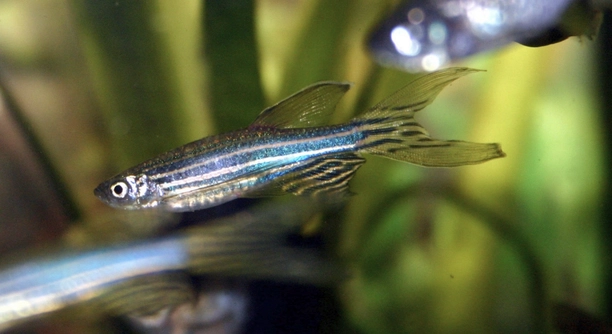
Zebra danios are known for their vibrant colors, but stress can cause them to lose their brightness. After travel, they may appear dull or pale. This can happen due to the physical and emotional toll of the experience. If you notice this change, it’s usually a sign that they’re feeling unsettled.
The fading of color is often temporary. If the water conditions are optimal and the environment is calm, your zebra danios should regain their vibrant colors in a few days. It’s crucial to ensure they have a stable environment to promote recovery. Check the temperature, water quality, and make sure the tank has proper filtration.
Providing a peaceful atmosphere will help reduce their stress and allow them to feel secure again. Avoid sudden changes in the tank setup and keep the area around them quiet. With time, the stress will ease, and their colors will return to normal, reflecting a healthier, calmer fish.
4. Changes in Breathing Patterns
When zebra danios are stressed, their breathing patterns may become irregular. They may breathe faster or more heavily than usual, showing signs of distress. Monitoring their breathing is key to identifying stress early.
Check the oxygen levels in the tank. If the water quality is poor or oxygen levels are low, this could cause them to breathe harder. Stress from travel can also make them hyperventilate. Keep an eye on the gills to ensure there’s no swelling or other issues.
A stressed zebra danio may need time to adapt. To help them breathe more easily, ensure the tank is well-ventilated. Regular water changes, maintaining a stable temperature, and providing proper filtration will improve their breathing.
5. Hiding or Staying Near the Bottom
After travel, zebra danios may seek refuge by hiding or staying near the bottom of the tank. This behavior indicates they are feeling stressed or threatened. They may be trying to find a safe space away from the unfamiliar surroundings.
Hiding is a natural response when they feel insecure. Make sure the tank offers plenty of hiding spots, like plants or decorations. This will help your zebra danios feel more comfortable and less exposed. Giving them some quiet time will allow them to relax and gradually adjust to their new environment.
6. Increased Aggression
Stress can cause zebra danios to act out aggressively. They may start chasing each other or nipping at their tankmates. This behavior can be a result of frustration or anxiety, often seen after a stressful event like travel.
If aggression becomes an issue, consider adjusting the tank setup. Sometimes, adding more hiding spots or rearranging decorations can reduce territorial behavior. Monitor the water conditions, as poor quality can increase aggression. If needed, separate the more aggressive fish to allow the others to recover in peace.
7. Excessive Slimy Coating or Skin Problems
When stressed, zebra danios might produce excess mucus, making their skin appear slimy or patchy. This is often a result of physical stress or poor water conditions. The slimy layer acts as protection against the stress, but it can also indicate health concerns.
Check the water temperature, pH, and filtration system to ensure optimal conditions. If the slimy coating persists, it may be a sign of a more serious problem. A water change, along with proper care and attention, should help the fish heal.
FAQ
What should I do if my zebra danio refuses to eat after travel?
If your zebra danio isn’t eating after travel, the first thing to do is ensure the water conditions are optimal. Check the temperature, pH, and ammonia levels, as poor water quality can contribute to a lack of appetite. Make sure the tank is calm and not too noisy. Offering a variety of food types like live or frozen options might encourage them to eat. If the issue persists for more than a few days, consider reducing stress by dimming the lights and providing hiding spots for security.
How long does it take for a zebra danio to recover from stress?
Recovery time depends on the severity of the stress and the environment provided. In general, zebra danios may take a few days to a week to fully adjust after travel. Ensuring optimal water conditions, reducing noise, and keeping the tank undisturbed will help speed up the recovery process. If the stress is mild, they could return to normal behavior within a few days. However, persistent stress or health issues may require further intervention.
Can zebra danios survive in low-oxygen water after travel?
Zebra danios need well-oxygenated water to stay healthy. If the water lacks oxygen after travel, they may become stressed, and their breathing may become more labored. To help them recover, increase aeration in the tank by adding an air pump or increasing the water surface movement. It’s also important to monitor the water quality and perform regular water changes. Low oxygen can stress them further, so ensuring they have enough oxygen is crucial to their recovery.
Are zebra danios sensitive to changes in water temperature after travel?
Yes, zebra danios are sensitive to changes in water temperature. If the water temperature fluctuates too much after travel, it can cause stress and potentially harm your fish. Maintaining a stable water temperature is essential. Use a reliable aquarium heater if necessary and check the temperature regularly. A sudden change of more than a few degrees can trigger stress responses, so it’s important to keep the environment as stable as possible.
Why is my zebra danio hiding after travel?
Hiding is a common behavior in zebra danios after stress, especially following travel. They may feel insecure or overwhelmed by the new environment, so they seek refuge in plants or decorations. Providing plenty of hiding spots can help them feel more secure and reduce anxiety. This behavior is usually temporary and should improve once they feel more comfortable in their new surroundings. If hiding continues for an extended period, ensure the tank’s water quality is ideal and that the environment is peaceful.
How can I tell if my zebra danio is stressed from travel?
Stress in zebra danios can manifest in various ways. Common signs include erratic swimming, changes in breathing patterns, color fading, loss of appetite, and unusual hiding behavior. If they seem more lethargic than usual or exhibit aggressive behavior, it could also indicate stress. Pay attention to their swimming habits and general activity level. Any sudden changes in behavior or appearance, especially after travel, are signs they may need extra care and time to adjust.
Can zebra danios get sick from stress after travel?
Stress weakens the immune system of zebra danios, making them more susceptible to illness. While stress itself isn’t a disease, it can make them more vulnerable to infections or other health issues. If your zebra danio shows signs of illness such as abnormal swimming patterns, fading colors, or excess mucus on the skin, it may be due to the combined effects of stress and a weakened immune system. Regular water changes, optimal water quality, and reducing stress factors can help prevent further health problems.
Is it normal for zebra danios to breathe faster after travel?
Yes, faster breathing can be a normal reaction to stress after travel. If zebra danios feel stressed or if water quality is poor, they may breathe more rapidly. This is usually an attempt to get more oxygen or a response to environmental changes. Ensuring proper oxygenation and improving water conditions should help ease this behavior. If the rapid breathing continues for an extended period, it’s important to check for other stress factors or possible water quality issues.
Should I separate stressed zebra danios from the rest of the tank?
In most cases, it’s not necessary to separate stressed zebra danios from the rest of the tank. However, if the stress is causing them to be overly aggressive or if they are being harassed by other fish, it may help to temporarily isolate them. Providing a peaceful, quiet environment with stable water conditions is usually the best approach. If the stress is related to tankmates, consider rearranging the tank or adding more hiding places to give all the fish space to recover.
How can I prevent stress in zebra danios after future travel?
To prevent stress after future travel, try to keep the tank setup as stable as possible. Transport the zebra danios in a secure container with water from their current tank, and avoid sudden changes in water temperature or quality. Upon arrival, acclimate the fish slowly to their new environment by adjusting the water temperature and parameters gradually. Make sure the tank is quiet and calm, with plenty of hiding spots for security. With these precautions, future travels will likely be less stressful for your zebra danios.
Final Thoughts
Zebra danios are resilient and generally easy to care for, but they can become stressed after travel. Understanding the signs of stress, such as changes in behavior, breathing patterns, or appearance, is crucial to helping them recover quickly. Stress after travel can cause them to act differently, like swimming erratically, hiding more than usual, or losing their vibrant color. These changes are often temporary, but they can affect your fish’s health if not addressed. By keeping a close eye on their behavior and making sure their environment is calm, you can help them adjust and regain their normal routines.
The most important factor in helping your zebra danios recover is maintaining stable water conditions. Stress is often linked to changes in temperature, water quality, or oxygen levels. After travel, it’s essential to monitor the tank’s temperature, pH, ammonia levels, and oxygen supply. Keeping these factors steady will reduce the stress and give your fish the best chance to return to their usual, active selves. In addition, make sure the tank is not too noisy or disturbed. Creating a peaceful environment will help them feel secure and calm down faster.
Recovery from stress usually takes a few days, but it’s important to continue monitoring your fish for any ongoing issues. If the symptoms of stress continue beyond a week, or if your zebra danios show signs of illness, it might be necessary to take additional steps. This could involve checking the water quality more closely, adjusting the tank’s setup, or isolating any aggressive tankmates. Overall, patience and proper care are key. By providing a stable, comfortable environment, your zebra danios will likely bounce back from the stress of travel and thrive in their home.

Hello,
If you enjoy the content that we create, please consider saying a "Thank You!" by leaving a tip.
Every little bit helps us continue crafting quality advice that supports the health, happiness, and well-being of pets around the world, for pets of all shapes, sizes, and species.
We really appreciate the kindness and support that you show us!