
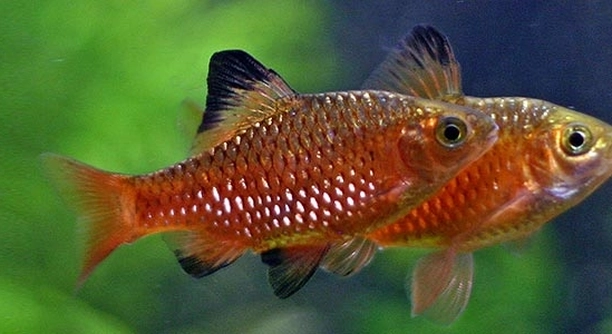
Rosy barbs are popular freshwater fish known for their bright colors and active behavior. Like any pet, they can experience sudden illnesses that may affect their health quickly. Recognizing early signs is important for timely care and treatment.
Sudden illness in rosy barbs often presents through distinct warning signs such as lethargy, loss of appetite, abnormal swimming patterns, color fading, clamped fins, visible spots or sores, and rapid breathing. Early detection can prevent severe health complications and improve recovery outcomes.
Identifying these signs early can help maintain your rosy barb’s health and prevent further problems. The following details will guide you in spotting these important symptoms.
Lethargy and Reduced Activity
When rosy barbs become suddenly ill, one of the first signs you might notice is lethargy. Your fish may spend more time resting at the bottom of the tank or hiding rather than swimming actively. This change in behavior is often a response to discomfort or stress caused by illness. Reduced movement can also signal that the fish is conserving energy to fight off infection or cope with internal issues. It’s important to observe these subtle shifts because they often come before more obvious symptoms. Sometimes, lethargy accompanies other signs like clamped fins or a loss of appetite. Keeping a close eye on your rosy barbs’ usual activity levels will help you spot any unusual slowing down quickly.
Lethargy can indicate many health problems, so it should never be ignored. Early intervention improves chances of recovery.
Lethargic behavior is an early warning sign that signals potential health issues in rosy barbs. When they stop swimming actively, it usually means something is wrong internally. Causes can range from water quality problems, infections, or parasites to stress from environmental changes. Noticing lethargy early allows you to check tank conditions, water parameters, and overall fish health. It also gives you a chance to separate the affected fish from others if needed. By acting quickly, you help prevent further decline and give your fish a better chance to heal. Observing their movement patterns regularly creates a baseline that makes it easier to detect when something goes wrong.
Loss of Appetite
A sudden drop in appetite is another clear warning sign of illness in rosy barbs. When healthy, they are usually eager to eat during feeding times and actively search for food. If your fish starts ignoring food or eating much less than usual, it can mean they are struggling with internal problems. Appetite loss may occur with infections, parasites, or digestive issues that affect their ability to process food properly. Sometimes, poor water quality or stress can also cause a reduced desire to eat. It’s important to monitor feeding closely and note any persistent changes.
Ignoring loss of appetite may lead to weakness and worsened health conditions in your fish.
When rosy barbs stop eating, their immune system can weaken quickly, making it harder to fight off illness. The lack of nutrients also slows down recovery, increasing the risk of secondary infections or complications. Loss of appetite can result from several factors including bacterial or fungal infections, parasites inside the digestive tract, or toxic substances in the water. Stress from overcrowding or sudden changes in the environment might also play a role. By addressing the root causes early—such as improving water quality or treating infections—you can help your fish regain its appetite. Regular observation and timely action are crucial to supporting your rosy barbs through these health challenges.
Abnormal Swimming Patterns
Abnormal swimming often shows as erratic or uncoordinated movements. Rosy barbs may swim in circles, float sideways, or struggle to stay upright. These behaviors signal distress or neurological issues.
Erratic swimming can result from infections, parasites, or poor water conditions that affect the nervous system. If your fish swims irregularly or seems disoriented, check water parameters immediately. Sudden changes in temperature or toxins can cause these symptoms. Sometimes, swim bladder problems affect buoyancy, making swimming difficult. Early identification helps prevent worsening conditions and allows for faster treatment to restore normal behavior.
When rosies display abnormal swimming, it often means the fish is physically weakened or stressed. Swim bladder disease is common and can be triggered by infections or injury. Parasites affecting the brain or nerves also cause unusual movements. Ensuring clean water and proper diet supports recovery. Treating the underlying cause promptly will help your fish regain normal swimming and reduce suffering.
Color Fading and Clamped Fins
Color fading is a subtle but important sign of illness. Healthy rosy barbs have vibrant colors that dull when stressed or sick. Clamped fins, where fins stay close to the body, often appear alongside fading.
Fading color and clamped fins result from stress, poor water quality, or disease. When fish are uncomfortable or fighting infection, their body prioritizes survival over bright coloration. Fins held tight against the body reduce movement and energy use during illness. These signs often accompany other symptoms like lethargy or loss of appetite. Maintaining stable water conditions and reducing stress can help improve color and fin condition.
Both signs indicate your fish is under strain. If left unchecked, color fading and clamped fins worsen, making recovery difficult. Regular water testing and tank maintenance reduce risk. Infections such as fungal or bacterial can cause these symptoms too. Prompt treatment improves your rosy barb’s chances to regain its healthy appearance and vitality.
Visible Spots or Sores
Visible spots or sores on rosy barbs’ bodies are clear signs of illness. These can appear as white patches, red wounds, or unusual bumps. They often indicate infections or parasite infestations.
Spots and sores can worsen quickly if untreated. Early detection is essential to prevent spreading and further damage.
Rapid Breathing
Rapid breathing means your rosy barb is taking quick, shallow breaths. This usually happens when oxygen levels are low or the fish is stressed or sick.
Poor water quality, gill infections, or parasites can cause rapid breathing. Checking tank conditions and performing water changes can help relieve this symptom.
Clamped Fin
Clamped fins are when the fins stay tight against the body rather than spreading out. This is a common stress or illness indicator.
When fins are clamped, the fish is often feeling unwell or uncomfortable with its environment.
FAQ
What causes sudden illness in rosy barbs?
Sudden illness in rosy barbs can be caused by several factors including poor water quality, sudden changes in temperature, infections from bacteria, fungi, or parasites, and stress due to overcrowding or improper tank conditions. Any of these can weaken their immune system, making them vulnerable to disease.
How can I improve water quality for my rosy barbs?
Regular water changes, testing for ammonia, nitrite, and nitrate levels, and maintaining proper filtration help keep the water clean. Avoid overfeeding, as leftover food can pollute the tank. Keeping the water temperature stable and within the recommended range is also essential.
How do I know if my fish has an infection?
Infections often show as visible spots, sores, color fading, clamped fins, or abnormal swimming. Lethargy and rapid breathing can also indicate illness. If these signs appear suddenly, an infection might be the cause, and treatment should begin promptly.
Can stress cause illness in rosy barbs?
Yes, stress from overcrowding, aggressive tank mates, or sudden environmental changes can lower a fish’s resistance to disease. Ensuring a peaceful tank environment with enough space and hiding spots helps reduce stress.
Is quarantine necessary for sick fish?
Quarantine is recommended to prevent spreading disease to healthy fish. Isolating the sick fish in a separate tank allows for targeted treatment and monitoring without risking the entire community.
What treatments are effective for common rosy barb illnesses?
Treatment depends on the illness. Bacterial infections often require antibiotics, fungal infections antifungal medications, and parasites may need antiparasitic drugs. Always identify the problem accurately before starting treatment and follow dosage instructions carefully.
How can I prevent sudden illnesses in rosy barbs?
Maintaining stable water parameters, feeding a balanced diet, avoiding overcrowding, and regular tank cleaning are key prevention steps. Introducing new fish gradually and quarantining them can also reduce disease risks.
Can poor diet affect my rosy barb’s health?
A poor diet lacking essential nutrients can weaken your fish’s immune system, making it more susceptible to illness. Feeding high-quality food designed for tropical fish and occasionally supplementing with live or frozen foods helps maintain health.
How quickly should I act if I notice signs of illness?
Immediate action is important. The sooner you address symptoms and improve conditions or begin treatment, the better the chances your fish will recover. Delays can lead to worsening symptoms and possibly death.
Are home remedies effective for treating rosy barb illnesses?
Some mild issues may improve with improved water conditions and careful observation. However, for serious infections or parasites, professional treatments are more reliable. Home remedies without proper diagnosis can sometimes worsen the condition.
What role does water temperature play in rosy barb health?
Water temperature affects fish metabolism and immune response. Sudden drops or spikes stress the fish and may trigger illness. Keeping the tank within the recommended temperature range (usually 74–78°F) supports stable health.
How often should I test my aquarium water?
Testing weekly is a good routine, especially for ammonia, nitrite, nitrate, and pH levels. Frequent testing helps catch issues early and maintain a healthy environment for your rosy barbs.
Can diseases spread quickly in a community tank?
Yes, contagious diseases like parasites or bacterial infections can spread fast. Quarantine new fish and treat infections promptly to protect the whole tank.
What are signs that a rosy barb is recovering?
Improved activity, regaining appetite, normal swimming, and return of vibrant color suggest recovery. Fins will begin to spread again if they were clamped. Continued monitoring ensures full health restoration.
When should I seek professional help for my fish?
If symptoms worsen despite treatment, or if you are unsure about diagnosis or medication, consulting a vet or experienced aquarist is advised. Proper guidance can prevent unnecessary losses.
The health of rosy barbs depends greatly on attentive care and observation. Recognizing the warning signs of sudden illness early is essential to help these fish recover quickly and avoid serious complications. Changes such as lethargy, loss of appetite, abnormal swimming, color fading, visible sores, rapid breathing, and clamped fins are clear indicators that something is wrong. Being aware of these symptoms allows for timely action, whether that means improving water quality, adjusting tank conditions, or starting treatment. Consistency in care and careful monitoring make a significant difference in maintaining the wellbeing of your rosy barbs.
Maintaining a clean and stable environment is the best way to prevent many common health problems. Regular water testing and partial water changes keep harmful substances low and reduce stress on your fish. Providing a balanced diet supports the immune system and helps them fight off illness naturally. Avoiding overcrowding and aggressive tank mates also lowers stress, which can trigger or worsen diseases. When illness does occur, quick response is important. Isolating sick fish and applying proper treatment helps limit the spread of disease and increases the chances of recovery for your entire aquarium community.
Taking care of rosy barbs can be rewarding when their health is maintained properly. It requires attention to detail and a willingness to act at the first signs of trouble. Illnesses are often preventable with the right environment and routine care, but even then, sudden health issues may arise. Knowing what to look for and how to respond calmly ensures your fish get the help they need without delay. Keeping these points in mind helps create a safe and healthy space for rosy barbs to thrive, making your aquarium a more enjoyable and vibrant place.

Hello,
If you enjoy the content that we create, please consider saying a "Thank You!" by leaving a tip.
Every little bit helps us continue crafting quality advice that supports the health, happiness, and well-being of pets around the world, for pets of all shapes, sizes, and species.
We really appreciate the kindness and support that you show us!