
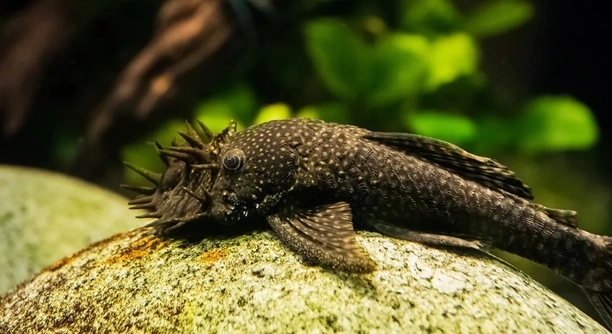
Plecos are fascinating and beneficial fish for your aquarium. However, poor nutrition can affect their health and well-being. Understanding the signs of inadequate nutrition will help you ensure your pleco remains healthy and active in the long run.
Poor pleco nutrition can lead to a range of health issues, including stunted growth, weakened immune function, and digestive problems. It is essential to provide a balanced diet to meet their dietary needs for optimal health and longevity.
Understanding these warning signs is crucial to improving your pleco’s health. Recognizing them early can help prevent further complications and support their overall well-being.
Poor Growth or Stunted Size
A common sign of poor nutrition in plecos is stunted growth. If your pleco is not growing at the expected rate, it could be a result of not getting the proper nutrients. Plecos, especially the larger species, require a balanced diet rich in fiber, protein, and minerals. Without this, their growth can slow down significantly. This is particularly concerning if your pleco appears much smaller than others of the same age or species. It is crucial to offer a variety of foods such as algae wafers, sinking pellets, and fresh vegetables. These provide the necessary vitamins and minerals for growth.
Nutrient deficiencies can have lasting effects. Make sure to adjust their diet to include more nutrient-rich foods, and be mindful of portion sizes. Overfeeding can also affect their health, so balance is key.
Proper nutrition is essential for a pleco’s development and overall health. Consistently providing high-quality foods can support steady growth and prevent stunted development, which can lead to long-term health problems.
Change in Behavior
A change in behavior often indicates an issue with your pleco’s nutrition. If your pleco is acting lethargic, refusing to eat, or staying hidden most of the time, it may not be getting the necessary nutrients. Plecos rely on a varied diet to stay active and healthy.
Inadequate nutrition can lead to weakened immune systems, causing them to become more susceptible to diseases. Without the right nutrients, they can also lose interest in food. As a result, this can lead to further decline in health. Therefore, paying attention to any sudden shifts in behavior is essential.
The best way to address behavioral changes is by ensuring your pleco receives a balanced, nutritious diet. In some cases, introducing new foods or changing the feeding schedule can help regain your pleco’s interest in eating. Be mindful of the food type and its quality.
Weight Loss or Emaciation
If your pleco begins losing weight despite regular feeding, it’s a clear sign that something is wrong with its nutrition. Weight loss can occur when the fish is unable to absorb essential nutrients. This can lead to overall weakness, leaving your pleco more vulnerable to diseases.
This issue can arise when the diet lacks necessary components, like fiber or protein. Algae wafers and sinking pellets are great for plecos, but variety is important. If the fish is not getting the proper vitamins and minerals, the body will start to break down fat reserves, leading to weight loss.
In some cases, overfeeding can be just as harmful. Excess food may not be digested properly, leading to bloating or digestive issues. This can prevent the pleco from receiving the proper nutrition, causing it to lose weight. Monitoring your pleco’s weight and adjusting its diet can help address this issue early.
Poor Skin and Fin Condition
When nutrition is lacking, your pleco’s skin and fins can show signs of damage. A dull, discolored body or ragged fins are indicators of nutritional deficiencies. The condition of a pleco’s skin is directly related to the quality of its diet.
If the fish is not receiving enough essential fatty acids or vitamins, the skin can become thin and prone to damage. Damaged fins may result from weakened immune systems due to poor nutrition, leaving your pleco vulnerable to infections. A healthy diet promotes stronger, more resilient skin, and well-maintained fins.
A varied diet with high-quality foods can improve these conditions. Make sure to include algae wafers, protein-rich foods, and occasional fresh vegetables to keep your pleco’s skin healthy. Regularly checking the condition of your pleco can help identify any issues early on, allowing you to make dietary adjustments.
Loss of Appetite
A lack of interest in food is a common sign that your pleco isn’t getting the nutrition it needs. If your pleco suddenly stops eating or eats very little, it could be due to an imbalance in its diet or poor-quality food.
This can lead to malnutrition over time, resulting in more severe health issues. Ensure your pleco’s food is fresh and appropriately sized for its species. A lack of proper food can also make your pleco pickiness worse, so switching up its meals may help regain its appetite.
Digestive Issues
Plecos that aren’t receiving proper nutrition may experience digestive issues, including constipation or bloating. These problems can stem from a lack of fiber or excess protein in their diet. Without enough roughage, their digestive system can become sluggish, leading to discomfort and irregular bowel movements.
It’s important to regularly provide fiber-rich foods such as zucchini, spinach, or algae wafers. These foods help promote healthy digestion and prevent blockages. Regular water changes and monitoring the pleco’s eating habits also play a role in managing digestive health, keeping your pleco active and comfortable.
Excessive Hiding
If your pleco spends more time hidden than usual, it could be a sign of poor nutrition. When fish are not feeling well, they tend to seek out dark, secluded spots. Nutrient deficiencies can weaken the immune system, causing your pleco to feel stressed or unwell, prompting it to retreat.
FAQ
What should I feed my pleco to ensure proper nutrition?
A well-balanced diet for your pleco should include a variety of foods. Algae wafers, sinking pellets, and fresh vegetables like zucchini and spinach are excellent choices. Plecos are omnivores, so they need a mix of plant matter and protein. You can also offer occasional protein-rich treats like bloodworms. Make sure the food is appropriate for their size and species. Feeding small amounts daily, rather than overfeeding, is essential to prevent health problems. A balanced diet will help maintain good skin, strong fins, and proper growth.
How often should I feed my pleco?
Plecos do well with being fed once or twice a day. Adult plecos usually require less food than younger ones. It’s important not to overfeed, as uneaten food can pollute the tank. Be mindful of how much your pleco consumes and remove any leftover food after a few hours. For younger plecos, you may need to feed them more frequently, but always monitor their growth and health to adjust the feeding schedule accordingly.
Can plecos survive on only algae?
While algae is a natural food source for plecos, it is not sufficient for their entire diet. Algae provides essential nutrients, but it doesn’t offer everything a pleco needs to thrive, such as protein and specific vitamins. Supplementing their diet with sinking pellets, fresh vegetables, and occasional protein will ensure your pleco gets a well-rounded intake of nutrients. Providing a variety of food sources is crucial for maintaining their health and vitality.
Why is my pleco not eating?
If your pleco isn’t eating, it could be due to several factors, including poor water quality, stress, or illness. First, check the water parameters, as poor water conditions can lead to a lack of appetite. Ensure that the water temperature, pH, and hardness are within the ideal range for plecos. If the water is fine, consider other issues, such as stress from tankmates or changes in the environment. If the problem persists, your pleco might be sick, and it’s best to consult a vet or an experienced aquarist.
How do I know if I’m overfeeding my pleco?
Overfeeding can lead to health issues such as bloating, poor water quality, and obesity. If your pleco leaves uneaten food in the tank, it’s likely eating too much. You should aim to feed only as much as your pleco can consume in a few hours. Monitor the tank for any leftover food and remove it to prevent it from decomposing. Overfeeding can also result in excessive algae growth, as leftover food contributes to excess nutrients in the tank.
What are the signs of nutritional deficiencies in plecos?
Nutritional deficiencies in plecos can manifest in various ways, including poor growth, dull skin, weakened immune systems, and ragged fins. If your pleco is losing weight or not growing as expected, it may not be getting the right nutrients. A pleco’s skin should be smooth and vibrant, not dull or discolored. If you notice these signs, consider adjusting its diet by adding more variety and ensuring it receives the necessary nutrients, such as vitamins and essential fatty acids.
How can I improve my pleco’s health if it’s not eating well?
To improve your pleco’s health, first ensure that the water conditions are ideal. Poor water quality can lead to reduced appetite. Next, check the type and quality of food you’re offering. Try different food options, including fresh vegetables, sinking pellets, and algae wafers. If your pleco is still not eating, it could be stressed or ill. Reduce any sources of stress in the tank and ensure it has enough hiding spaces. If the problem persists, consult with a vet or aquarium expert for further guidance.
Can plecos eat vegetables every day?
Yes, plecos can eat vegetables daily, but variety is key. Vegetables like zucchini, cucumber, and spinach are great choices. These foods provide fiber, which is essential for digestion. However, it’s important not to feed them the same vegetables all the time. Rotating vegetables helps ensure a more balanced diet. You can also offer protein-rich foods, such as sinking pellets or bloodworms, alongside vegetables for a complete meal.
Are plecos sensitive to changes in their diet?
Plecos can be sensitive to sudden changes in their diet, especially if the change is drastic. If you decide to introduce new foods, do so gradually to avoid upsetting their digestive system. Start by offering small amounts of the new food along with their usual diet, and increase the portion gradually over time. This approach will help your pleco adjust without causing stress or digestive issues.
Why does my pleco spend so much time hiding?
Hiding can be a sign of stress or illness. If your pleco is spending an unusual amount of time hiding, check the water conditions and ensure that tankmates are not causing it stress. Sometimes, poor nutrition can also lead to lethargy and hiding. Make sure your pleco’s diet is well-balanced and that it’s receiving the nutrients it needs. If the hiding persists, it could be a sign of illness or injury, and you may need to consult a vet or an experienced aquarist.
Can plecos live on a diet of only pellets?
While pellets can be a good part of your pleco’s diet, they should not be the only food source. Plecos need a varied diet to stay healthy, as pellets alone do not provide all the nutrients they require. In addition to pellets, offer fresh vegetables, algae wafers, and protein-rich treats like bloodworms. This variety ensures your pleco receives the essential vitamins, minerals, and fiber for optimal health.
What is the best water temperature for plecos?
The ideal water temperature for plecos typically ranges from 72°F to 82°F (22°C to 28°C). It’s important to maintain a stable temperature within this range to ensure your pleco’s comfort and health. Sudden changes in water temperature can stress your pleco, affecting its immune system and appetite. Regularly check the water temperature with a reliable aquarium thermometer to ensure it remains consistent.
How long can plecos go without food?
Plecos can survive for a few days without food, but it’s not ideal to leave them without nutrition for extended periods. If you need to go away for a few days, consider using an automatic fish feeder or leave enough food in the tank to last them. However, it’s important not to overfeed, as uneaten food can pollute the water. Regular feeding is essential for maintaining your pleco’s health and well-being.
Can I feed my pleco only algae wafers?
While algae wafers are an important part of your pleco’s diet, they should not be the sole food source. Algae wafers provide essential nutrients, but they lack certain vitamins and protein that plecos need for optimal health. A balanced diet should include a variety of foods, such as sinking pellets, fresh vegetables, and occasional protein-rich treats, to ensure your pleco gets all the nutrients it needs.
How can I tell if my pleco is overweight?
Overweight plecos may appear bloated or have a rounder body shape than normal. You might also notice that they are less active, which could be a sign of discomfort. To prevent obesity, avoid overfeeding your pleco and provide a varied diet. Monitor the amount of food given, and make sure your pleco consumes all of it within a few hours. Regularly check its body shape and adjust feeding amounts if necessary.
What are some signs of a healthy pleco?
A healthy pleco will have vibrant skin, active behavior, and smooth fins. It will be responsive to feeding and explore its environment. A well-fed pleco will grow at a normal rate and have no visible signs of distress. Regularly monitoring its eating habits and physical appearance can help ensure that it stays healthy. If any changes occur, it may be time to adjust its diet or check the water conditions.
Final Thoughts
Maintaining proper nutrition for your pleco is essential for its overall health and longevity. Offering a balanced diet with a mix of algae wafers, sinking pellets, fresh vegetables, and occasional protein sources will help prevent common issues like malnutrition and poor growth. The right food ensures your pleco’s skin remains vibrant and its fins strong, contributing to a happier, healthier aquarium environment. Just as important is feeding your pleco the right amounts to avoid overfeeding, which can cause water quality issues and health problems. A regular feeding schedule and attention to water conditions are key components of keeping your pleco healthy.
It’s essential to observe your pleco closely to catch any signs of nutritional deficiencies or other health problems early. If you notice changes in behavior, such as a lack of appetite, lethargy, or hiding more than usual, it could be a sign that something is wrong. These changes may be linked to water quality, diet, or even stress from tankmates. Adjusting its diet or improving its living conditions could make a significant difference. Regular tank maintenance and a variety of food options will ensure your pleco remains active and well-nourished.
Ultimately, a healthy pleco requires more than just good food. The aquarium environment plays a crucial role in its well-being. Keep the tank clean, maintain stable water parameters, and provide enough hiding spaces for your pleco to feel safe. Monitoring its behavior and physical health will help you make necessary adjustments and prevent potential problems. By committing to these practices, you’ll be able to enjoy the company of a thriving pleco in your tank for many years to come.

Hello,
If you enjoy the content that we create, please consider saying a "Thank You!" by leaving a tip.
Every little bit helps us continue crafting quality advice that supports the health, happiness, and well-being of pets around the world, for pets of all shapes, sizes, and species.
We really appreciate the kindness and support that you show us!