
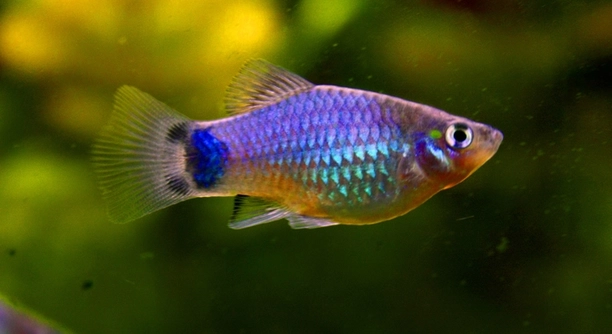
Platy fish are popular pets, known for their vibrant colors and peaceful nature. However, they can suffer from ammonia burns, which can seriously harm their health. Recognizing early signs is important to protect these delicate creatures.
Ammonia burn in platy fish results from exposure to elevated ammonia levels in the water, causing tissue damage, stress, and potential infections. Identifying warning signs early enables prompt intervention to prevent long-term harm and improve fish survival rates.
Learning to spot these signs early can help you maintain a healthier aquarium and keep your platy fish thriving longer. This article outlines the key indicators to watch for.
Common Physical Signs of Ammonia Burn
When platy fish suffer from ammonia burns, their physical appearance changes noticeably. You may see red or inflamed patches on their bodies, especially around the gills and fins. These areas might look raw or irritated. Fins can become ragged or start to fray. Sometimes, the fish’s scales look dull or slightly raised. In severe cases, ulcers or open sores may develop on their skin. These signs show the fish’s body is reacting to the toxic environment. If you notice these symptoms, it is important to test your aquarium water for ammonia immediately. Regular water changes and maintaining good filtration help keep ammonia levels low and protect your fish from damage. Proper tank maintenance is essential to prevent these physical symptoms from worsening.
Physical signs like redness, frayed fins, and sores strongly indicate ammonia burns in platy fish and require quick action.
Taking early steps to fix water quality can stop further damage and help your platy heal. Proper care ensures their recovery.
Behavioral Changes to Watch For
Ammonia burns not only affect the appearance of platy fish but also their behavior. Affected fish may become lethargic and less active, spending more time resting at the bottom of the tank. They might lose interest in food and swim erratically or near the water surface, trying to breathe easier. Sometimes, platies isolate themselves from other fish. These behavioral changes reflect their discomfort and distress caused by ammonia toxicity. Monitoring your fish’s behavior daily is important. Changes like reduced appetite or unusual swimming patterns can signal a problem before physical signs appear. Addressing these issues early through water testing and treatment helps prevent severe health decline. Maintaining a stable and clean tank environment supports your platy’s wellbeing and reduces stress.
Fish affected by ammonia burns often lose energy and appetite, swim abnormally, and may isolate themselves, showing signs of distress early on.
Water Quality Factors Affecting Ammonia Levels
Ammonia levels rise quickly in tanks with poor filtration or overfeeding. Uneaten food and fish waste break down, increasing ammonia in the water.
Keeping the tank clean is essential to prevent ammonia buildup. Frequent water changes help dilute ammonia concentrations. A strong biological filter breaks down ammonia into less harmful substances through beneficial bacteria. Overcrowding the tank causes excess waste, overwhelming filtration systems. Monitoring ammonia levels with test kits provides early warning signs of water quality issues. Adjust feeding habits to avoid leftover food. Maintaining a balanced ecosystem keeps ammonia at safe levels and protects your platy fish.
Consistent tank maintenance, proper filtration, and controlled feeding are key to managing ammonia. Preventing spikes protects your fish from ammonia burns and related health problems.
Treatment Options for Ammonia Burn
Treating ammonia burn requires immediate action to improve water quality. Perform a partial water change to lower ammonia levels. Add water conditioners designed to neutralize ammonia and protect fish tissues.
Increasing aeration helps oxygen levels, easing fish stress caused by ammonia toxicity. Monitor water parameters closely during treatment and continue regular water changes until ammonia is consistently low. Use activated carbon in your filter to remove toxins and impurities. Avoid adding new fish until the tank is stable. Providing a stress-free environment supports healing and prevents secondary infections. Medication may be necessary if sores or infections develop. Always follow dosage instructions carefully to avoid harming your fish.
Proper treatment and tank care are crucial for recovery. Prompt response improves your platy’s chances of healing and returning to health.
Preventing Ammonia Build-Up
Regular tank cleaning is essential to prevent ammonia build-up. Removing uneaten food and waste keeps the environment safe for your platy fish.
Avoid overfeeding, as excess food decomposes and raises ammonia levels. Feed only what your fish can eat in a few minutes.
Importance of Testing Water Regularly
Testing your aquarium water regularly helps catch ammonia problems early. Use reliable test kits to monitor ammonia, nitrite, and nitrate levels. This simple routine ensures water quality remains safe. Keeping a log of test results can help you spot trends and prevent toxic conditions before they harm your fish. Early detection is the best defense against ammonia burns and other water-related issues.
Signs of Recovery
Healthy fins and normal behavior indicate recovery from ammonia burns. Monitor your fish closely for these improvements.
FAQ
What causes ammonia burn in platy fish?
Ammonia burn happens when ammonia levels in the aquarium water get too high. This usually occurs because of poor filtration, overfeeding, or infrequent water changes. Fish waste and uneaten food break down, releasing ammonia, which is toxic to platies and damages their skin and gills.
How can I test for ammonia in my tank?
You can use an aquarium test kit designed to measure ammonia levels. These kits are easy to use and provide quick results. Regular testing helps you catch problems early before ammonia harms your fish. Testing weekly is recommended, or more often if your tank is new or crowded.
What are the first signs of ammonia burn?
Early signs include redness or irritation around the gills and fins. You might notice your platy swimming sluggishly or spending more time at the surface. Fins may look ragged, and scales could appear dull. These signs mean ammonia levels need urgent attention.
Can ammonia burns be treated successfully?
Yes, treatment works best when started early. Immediate partial water changes reduce ammonia concentration. Adding ammonia neutralizers helps protect the fish while the tank stabilizes. Maintaining good filtration and aeration supports recovery. If sores or infections develop, medication may be needed.
How often should I change the water to prevent ammonia burn?
Changing 20-30% of the water weekly is a good practice for most tanks. If ammonia levels rise, more frequent changes might be necessary. Regular water changes remove toxins and keep water chemistry stable, reducing stress on your fish.
Is overfeeding really harmful?
Yes, overfeeding contributes to ammonia buildup because leftover food decomposes quickly. Feeding only what your platies can eat in 2-3 minutes prevents excess waste. This keeps water cleaner and helps maintain safe ammonia levels.
Can new tanks cause ammonia burns?
New tanks often experience “new tank syndrome,” where beneficial bacteria have not yet established to break down ammonia. This can cause dangerous ammonia spikes. Cycling the tank before adding fish and testing water frequently during this period helps prevent burns.
What equipment helps control ammonia?
A good biological filter is key, as it houses bacteria that convert ammonia into less harmful substances. Using activated carbon can remove toxins, and adding an air pump increases oxygen, helping stressed fish. Test kits allow ongoing monitoring to catch issues early.
How long does it take for a platy to recover from ammonia burn?
Recovery time varies based on severity and treatment speed. Minor burns may improve within days to a week if water quality is restored. Severe burns with infections may take several weeks and require medication. Patience and careful care are important.
Can ammonia burns be fatal?
Yes, if left untreated, ammonia burns can cause severe tissue damage, stress, and infections, leading to death. Early detection and action are crucial to save affected fish and prevent losses in your tank.
Should I quarantine new fish to avoid ammonia issues?
Quarantining new fish helps prevent disease but does not stop ammonia build-up alone. However, keeping new fish separate during tank cycling reduces stress and allows safer acclimation, lowering the risk of ammonia burns.
Is it safe to use chemical ammonia removers long term?
Chemical removers are useful during emergencies but should not replace good tank maintenance. Long-term reliance can hide underlying water quality problems. Consistent cleaning, proper feeding, and filtration are the best ways to keep ammonia low.
What else can cause similar symptoms to ammonia burn?
Other issues like bacterial infections, parasites, or poor water parameters (like nitrite or nitrate spikes) can cause redness and fin damage. Testing water and observing behavior carefully helps identify ammonia burns specifically.
Can plants help reduce ammonia?
Live aquatic plants absorb ammonia and nitrates, improving water quality naturally. They can be a helpful addition to the tank but should not replace regular water changes and filtration.
What should I do if my platy shows signs of ammonia burn?
Immediately test water for ammonia. Perform a partial water change, add water conditioner if needed, and improve aeration. Check your filtration system and feeding habits. Monitor your fish closely and treat any secondary infections if they appear.
Final Thoughts
Ammonia burn is a serious condition that can harm your platy fish if left unchecked. It results from elevated ammonia levels in the aquarium, which damage fish tissues and cause stress. Recognizing the warning signs early is important to prevent lasting harm. Physical changes like red or inflamed skin and behavioral changes such as lethargy or loss of appetite are clear indicators that ammonia may be affecting your fish. Regular monitoring of your tank’s water quality, including ammonia levels, is a key step in keeping your platies healthy.
Maintaining a clean tank environment helps prevent ammonia buildup. This involves regular water changes, avoiding overfeeding, and ensuring your filtration system is working properly. Biological filtration plays a crucial role in converting ammonia into less harmful substances. Adding live plants can also support water quality. When ammonia levels do rise, prompt action is necessary. Performing partial water changes and using water conditioners designed to neutralize ammonia can protect your fish while the tank stabilizes. Improving aeration and reducing stress also support your platy’s recovery.
Treatment of ammonia burn depends on the severity of the damage and how quickly it is addressed. Mild cases may improve with improved water quality alone, but more serious burns may require medication to treat infections. Patience and careful attention are essential throughout the recovery process. By staying consistent with tank maintenance and water testing, you can avoid future problems and provide a safer environment for your platy fish. Taking these steps helps ensure your fish live healthy, comfortable lives free from the effects of ammonia burns.

Hello,
If you enjoy the content that we create, please consider saying a "Thank You!" by leaving a tip.
Every little bit helps us continue crafting quality advice that supports the health, happiness, and well-being of pets around the world, for pets of all shapes, sizes, and species.
We really appreciate the kindness and support that you show us!