
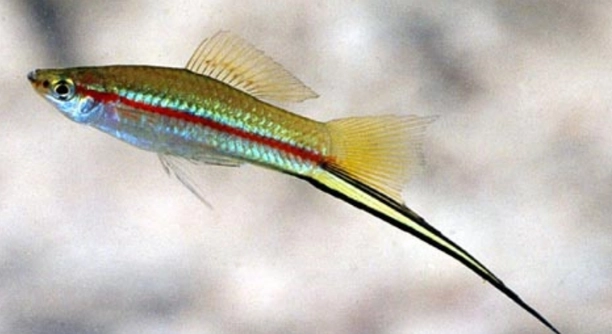
Is your swordtail fish acting a little off lately? As an aquarium enthusiast, it’s important to keep an eye on your fish’s health to ensure they’re thriving in their environment.
Swordtail fish are prone to a variety of health issues that can present as behavioral or physical changes. Symptoms such as faded colors, abnormal swimming patterns, and changes in appetite may indicate that your fish is sick.
Identifying the early signs of illness can help prevent more serious problems. Keep reading to learn how to spot potential health issues in your swordtail fish and what you can do to help them recover.
Pale or Faded Color
If you notice your swordtail’s vibrant color fading or turning pale, it’s a sign something could be wrong. Healthy swordtails usually have bright, lively hues, with males displaying intense colors to attract mates. However, stress, poor water conditions, or illness can lead to dullness in their appearance. A decrease in color intensity could also indicate a lack of nutrients or improper lighting in the aquarium. Monitoring your water quality and ensuring a balanced diet can go a long way in keeping your fish healthy and colorful.
If your swordtail’s color starts fading significantly, it’s best to act quickly. Ensure that the water is clean, and the temperature is consistent, as both factors can influence their appearance.
To make sure your swordtail stays vibrant, consider providing a balanced diet with plenty of variety. High-quality fish food with the right vitamins will help restore color. Additionally, use a gentle aquarium filter to maintain clear, clean water for your fish. Also, avoid sudden temperature changes, which can stress your fish.
Changes in Swimming Behavior
A swordtail’s swimming behavior can tell you a lot about its health. Healthy swordtails swim smoothly and actively, but changes in this behavior could point to a problem. If your fish starts swimming erratically, stays at the surface, or seems sluggish, it may be struggling. Poor water quality or injury could be the cause of these changes.
A swordtail that constantly hides or avoids interacting with other fish might be in distress. Check the water temperature, pH levels, and ammonia content in the tank to rule out environmental factors.
When examining changes in swimming behavior, keep an eye out for signs like constant darting, floating on the surface, or sinking to the bottom. If your fish is showing signs of lethargy or difficulty moving, make sure the water is properly aerated and that there is enough space for swimming. Stress from overcrowded tanks can also contribute to behavior changes, so ensure the aquarium is not too packed with fish.
Loss of Appetite
A swordtail that suddenly loses interest in food is a clear sign of potential health issues. Swordtails are usually eager eaters, so any change in their appetite can be a red flag. It could be linked to stress, poor water conditions, or an underlying illness.
Check the water parameters first, as high levels of ammonia or nitrites can cause fish to lose their appetite. Make sure the tank is clean and the food you’re offering is fresh. Sometimes, introducing new food or making changes in the tank setup can cause temporary reluctance to eat.
If the loss of appetite lasts more than a couple of days, try offering a different type of food. High-quality flakes, frozen foods, or live food can help entice your swordtail to eat again. Also, ensure the water temperature remains steady and within the preferred range for swordtails.
Abnormal Growths or Bloating
Any unusual swelling or growth on your swordtail’s body should be taken seriously. Bloating can indicate internal problems, such as infection or parasites. Abnormal lumps or bumps might also signal tumors, cysts, or bacterial infections.
Check your fish closely for any signs of swelling around the abdomen. This could be caused by an internal infection, constipation, or even egg retention in females. In some cases, bloating can occur due to poor diet, so you may want to review what you’re feeding them.
If the swelling persists, or if you notice your fish having difficulty swimming or breathing, seek advice from a vet who specializes in fish health. While some mild bloating may resolve with a change in diet or water quality, serious growths or swellings require immediate attention.
White Spots or Patches
If you spot white spots or patches on your swordtail, it’s likely a sign of a disease like “ick” or a fungal infection. These conditions often cause white cysts or fuzzy growths on the skin or fins.
White spots usually appear first on the fins and body, often resembling salt grains. If your swordtail has these spots, you should immediately isolate the affected fish and treat the tank with the appropriate medication.
Treating the water with a special aquarium salt or a parasite treatment can help manage the spread. Maintain good water quality to support healing and prevent further outbreaks.
Clamped Fins
Clamped fins occur when your swordtail keeps its fins close to its body instead of spreading them out. This is often a sign of stress, illness, or poor water quality.
Clamped fins can also occur if the fish feels threatened by other tank mates or the environment is too harsh. Monitor your fish’s behavior closely to check for other signs of distress, such as excessive hiding or lethargy.
If your swordtail consistently exhibits clamped fins, perform a water test to ensure the water is safe. Improving water conditions and reducing stressors will often help your fish feel better and return to normal.
Final Thoughts
Taking care of a swordtail fish requires attention and awareness of their needs. By understanding their common health issues, you can catch problems early and ensure they remain happy and healthy in your tank. Regular water changes, monitoring the tank environment, and observing their behavior are simple but effective ways to prevent illnesses. Maintaining a stable environment with clean water, proper filtration, and a balanced diet is key to keeping your swordtails in good health.
If you notice any of the warning signs mentioned in this article, it’s important to address them quickly. Whether it’s a change in their color, swimming behavior, or appetite, early intervention can make a big difference. The sooner you act, the better the chances of your swordtail recovering. Always remember to keep an eye on their overall well-being, including their social interactions with other fish. Stress is a big factor that can lead to illness, so ensuring that the tank is not overcrowded and that there are no aggressive tankmates will help minimize stress.
In the end, caring for your swordtail fish is about balance. A healthy, thriving swordtail will show vibrant colors, swim energetically, and feed regularly. It’s your responsibility as an aquarium owner to maintain the right conditions and address any potential issues right away. Keeping your fish in a well-maintained tank with proper care is the best way to ensure they live a long, happy life. By staying observant and informed, you can prevent many common health problems and enjoy watching your swordtails thrive.

Hello,
If you enjoy the content that we create, please consider saying a "Thank You!" by leaving a tip.
Every little bit helps us continue crafting quality advice that supports the health, happiness, and well-being of pets around the world, for pets of all shapes, sizes, and species.
We really appreciate the kindness and support that you show us!