
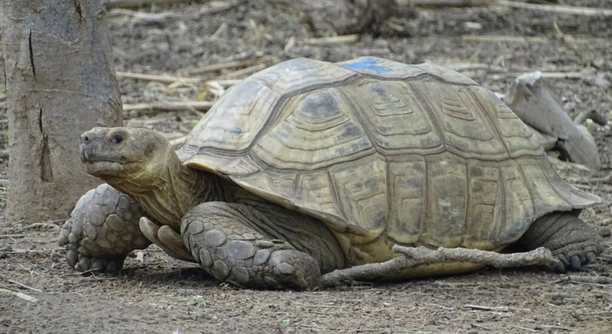
Tortoises, like other pets, rely on proper nutrition for their health and well-being. Nutrient deficiencies can lead to various health issues, affecting their overall behavior and growth. Identifying these signs early is crucial.
Nutrient deficiencies in tortoises often manifest in subtle ways, including poor growth, abnormal shell development, and lack of energy. Monitoring their diet and behavior is essential in detecting these signs and ensuring they get the nutrients needed for proper health.
Addressing nutrient deficiencies quickly can help prevent long-term health problems.
Poor Shell Growth or Softening
If a tortoise isn’t receiving enough calcium or vitamin D3, it can lead to soft or deformed shells. This is a significant indicator of nutrient deficiency. The shell may feel unusually soft to the touch or have irregular growth patterns. A lack of calcium directly impacts the strength and structure of the shell, while insufficient vitamin D3 affects calcium absorption. Without these essential nutrients, the tortoise’s shell can become weak, which can increase the risk of injury and infection.
It’s crucial to ensure your tortoise has access to adequate UVB lighting and a calcium supplement. A proper balance of these nutrients helps maintain a strong shell and overall health. Without it, there’s a higher chance of long-term damage.
Consistent exposure to natural sunlight or proper UVB lighting, along with a calcium-rich diet, will support shell development. Also, make sure to check the tortoise’s diet to ensure they are getting enough calcium through leafy greens or fortified foods.
Lack of Appetite
A sudden loss of appetite is a clear sign that something may be wrong with your tortoise’s diet. It could be a sign of nutritional deficiencies, stress, or health issues. When a tortoise refuses food, it’s important to check their environment, as changes in habitat or temperature can also affect their eating habits. A tortoise’s diet should be varied, including leafy greens, vegetables, and occasional fruits, to keep them interested and healthy.
If your tortoise continues to refuse food, it may indicate more serious health problems, such as vitamin deficiencies. A lack of essential nutrients like vitamin A or calcium can cause appetite loss. An unbalanced diet, including excessive fruit or lack of fiber, can also lead to digestion issues that result in poor appetite.
Regular monitoring of food intake, ensuring a balanced diet with proper nutrients, and keeping their habitat stable will help prevent this issue. If the lack of appetite persists for more than a few days, it is advisable to consult a vet for further guidance.
Lethargy or Lack of Energy
Lack of energy and lethargy in tortoises can be linked to various factors, with nutritional deficiencies being one of the primary causes. Without proper nutrients like vitamins, minerals, and a balanced diet, tortoises may seem uninterested in movement or exploration. This low energy can also indicate dehydration, stress, or improper temperatures in their environment.
If your tortoise seems sluggish or unwilling to move around, it could be suffering from a lack of key nutrients such as vitamin A or D3. These vitamins are necessary for maintaining energy and overall health. A diet without variety or one lacking in essential vitamins can cause this problem. Make sure their food includes a healthy mix of vegetables and occasional fruits to meet all their dietary needs.
A tortoise’s behavior is often the first sign of a health issue, so monitoring their activity is key. Keeping their habitat consistent in temperature and humidity is equally important for maintaining their energy levels.
Abnormal Stool
Unusual stool, such as diarrhea or hard, dry feces, can indicate nutrient imbalances in a tortoise’s diet. This could be the result of dehydration or insufficient fiber intake. Both conditions disrupt the digestive system, affecting stool consistency. The tortoise’s digestive health relies heavily on balanced food sources, including fiber-rich vegetables.
If the stool is consistently abnormal, it’s important to check their water intake, diet, and overall nutrition. A lack of fiber can lead to dehydration, constipation, or difficulty passing waste. Make sure your tortoise is getting a balanced diet with sufficient fiber, such as dark leafy greens and grass hay.
Swelling or Edema
Swelling in a tortoise’s limbs or body is often a result of fluid retention, usually linked to kidney issues caused by dehydration or imbalanced nutrients. Lack of proper calcium, protein, or vitamin D3 can also lead to such symptoms. Monitoring their diet and hydration levels is essential to prevent this.
If swelling occurs, check that your tortoise is getting enough calcium and vitamin D3 from their food and UVB light. Imbalanced calcium levels can cause improper bone development and fluid retention. Also, ensure they have access to fresh water and maintain a proper temperature in their habitat.
Respiratory Issues
Respiratory issues like wheezing, nasal discharge, or open-mouth breathing often signal a health problem in tortoises, which can be worsened by poor nutrition. A weak immune system caused by vitamin deficiencies, such as vitamin A, can increase the risk of respiratory infections. Proper nutrition strengthens their immunity.
A balanced diet, rich in vitamin A, helps keep the immune system strong. Inadequate vitamin A intake can result in respiratory infections, as this nutrient is essential for maintaining healthy mucus membranes. Additionally, ensure their environment is free from drafts or humidity imbalances that could further compromise their health.
FAQ
What are the most common signs of nutrient deficiency in tortoises?
The most common signs of nutrient deficiencies in tortoises include abnormal shell growth, lethargy, loss of appetite, and swelling. Poor shell development or softening is often related to a lack of calcium or vitamin D3. Lethargy and a lack of energy can be linked to deficiencies in vitamins like A and D. Loss of appetite can also point to an imbalance in their diet. It’s important to look for these signs and take action as soon as possible to prevent further health issues.
How can I prevent nutrient deficiencies in my tortoise?
To prevent nutrient deficiencies, ensure your tortoise has a balanced diet consisting of leafy greens, vegetables, and occasional fruits. Include foods that are rich in calcium, such as kale or dandelion greens, and make sure they have access to UVB lighting for proper vitamin D3 synthesis. Offering a variety of food types helps avoid any nutrient imbalances, while also providing proper hydration.
What type of food should I feed my tortoise for proper nutrition?
Tortoises need a variety of food sources to meet their nutritional requirements. Leafy greens like collard greens, mustard greens, and kale provide essential calcium and fiber. Some tortoises also benefit from high-fiber grasses or hay. Occasional fruits, such as berries or melons, can be added to their diet in moderation. Avoid feeding your tortoise foods high in oxalates, like spinach, as they can interfere with calcium absorption. Make sure to avoid offering processed or sugary foods.
How do I know if my tortoise is getting enough calcium?
To ensure your tortoise is getting enough calcium, look for signs such as healthy, firm shell growth and active movement. You can also supplement their diet with calcium powder or cuttlebone. Ensure that they have access to natural sunlight or UVB lighting to aid in calcium absorption. If you notice soft or deformed shells, this could indicate a calcium deficiency.
How often should I feed my tortoise?
The feeding schedule for your tortoise depends on its species and age. Juvenile tortoises typically need to eat every day, while adult tortoises may only require food every other day. Offer food once or twice a day, depending on the tortoise’s activity levels. Make sure the food is fresh and removed after a few hours to prevent spoilage. If your tortoise is showing signs of malnutrition or dehydration, consult with a veterinarian for personalized advice.
Can a tortoise recover from nutrient deficiencies?
Yes, a tortoise can recover from nutrient deficiencies with proper care. The key is to address the underlying cause, whether it’s a diet imbalance, lack of UVB light, or inadequate hydration. Once the deficiency is identified, adjust the diet and environment accordingly. If the deficiency has caused irreversible damage, such as deformities in the shell or soft tissue, it may take time for the tortoise to fully recover. Consulting with a vet for supplementation or treatment can aid in their recovery.
What are the best sources of vitamin A for my tortoise?
Vitamin A is essential for tortoises, particularly for maintaining healthy skin, eyes, and immune system. Dark leafy greens like kale, collard greens, and dandelion greens are excellent sources of vitamin A. Carrots and sweet potatoes are also good sources when fed occasionally. It’s important to provide a mix of foods to ensure they receive a balanced amount of vitamin A. Too much of this vitamin can cause toxicity, so moderation is key.
How can I tell if my tortoise is dehydrated?
Dehydration in tortoises can lead to lethargy, dry skin, sunken eyes, and hard, dry stools. If your tortoise is not drinking enough water or if the environment is too dry, they may become dehydrated. Offer a shallow dish of water daily and ensure their habitat has proper humidity levels. Some tortoises enjoy soaking in water for a short time, which can help with hydration. If dehydration symptoms persist, consult with a vet.
Why is my tortoise’s shell soft or deformed?
A soft or deformed shell is often caused by a calcium deficiency or lack of proper UVB lighting. Calcium is crucial for the development of a tortoise’s shell, and without it, the shell may not harden properly. Ensure your tortoise has access to UVB lighting or natural sunlight, as this helps the body absorb calcium. Additionally, a diet rich in calcium from foods like leafy greens, and a calcium supplement, can help strengthen the shell.
Should I be worried if my tortoise is not eating?
If your tortoise isn’t eating, it could be due to various factors, including stress, temperature changes, or health issues like nutrient deficiencies. A sudden loss of appetite can indicate a problem with their diet, environment, or an underlying health issue. Ensure the temperature and humidity in their habitat are appropriate, and check their diet for nutritional balance. If they continue to refuse food for more than a few days, it’s best to consult a veterinarian to rule out any serious conditions.
Final Thoughts
Recognizing the signs of nutrient deficiencies in tortoises is vital to maintaining their health and well-being. It’s important to remember that a balanced diet, proper hydration, and the right environmental conditions are key to preventing these deficiencies. A varied diet that includes leafy greens, high-fiber plants, and occasional fruits will help ensure that your tortoise receives the necessary vitamins and minerals. Additionally, providing access to UVB light helps with the absorption of calcium and vitamin D3, which are crucial for strong bones and shell development.
Nutrient deficiencies can cause a range of health problems for tortoises, from abnormal shell growth to lethargy and digestive issues. While these conditions may seem concerning, early detection and corrective action can often reverse the damage. By paying attention to your tortoise’s eating habits, behavior, and physical condition, you can quickly identify when something is wrong and make the necessary changes to their diet or habitat. Regular vet check-ups are also recommended, especially if any signs of illness appear or if you notice changes in your tortoise’s behavior.
Ultimately, the health of your tortoise depends on consistency in their care. Providing the right food, maintaining proper environmental conditions, and ensuring they get enough hydration are all essential components of a well-rounded care routine. Being proactive about nutrient balance and environmental factors will help your tortoise thrive for years to come.

Hello,
If you enjoy the content that we create, please consider saying a "Thank You!" by leaving a tip.
Every little bit helps us continue crafting quality advice that supports the health, happiness, and well-being of pets around the world, for pets of all shapes, sizes, and species.
We really appreciate the kindness and support that you show us!